Why a Crowded Persian Jaw Resorbs a Himalayan’s Teeth
It’s truly disheartening when you start noticing your beloved Himalayan having trouble eating, or perhaps you catch a whiff of an unpleasant odor from their mouth, only to discover it’s due to significant dental problems. Many Himalayan owners face the frustrating reality that their cats, despite their majestic appearance, are predisposed to a painful condition called tooth resorption, often stemming from their unique jaw structure. This comprehensive guide will walk you through why a crowded Persian jaw leads to this issue, what tooth resorption entails, how to spot the subtle signs, and what you can do to keep your furry friend comfortable and healthy for as long as possible.
The Distinctive Jaw Structure of a Himalayan Cat
The Himalayan cat, a stunning blend of the Persian and Siamese, inherited many wonderful traits from both sides, but unfortunately, it also received some genetic predispositions that can lead to health challenges. One of the most significant, and often overlooked, is the specific structure of their jaw, heavily influenced by their Persian lineage.
The Persian Influence on Jaw Structure
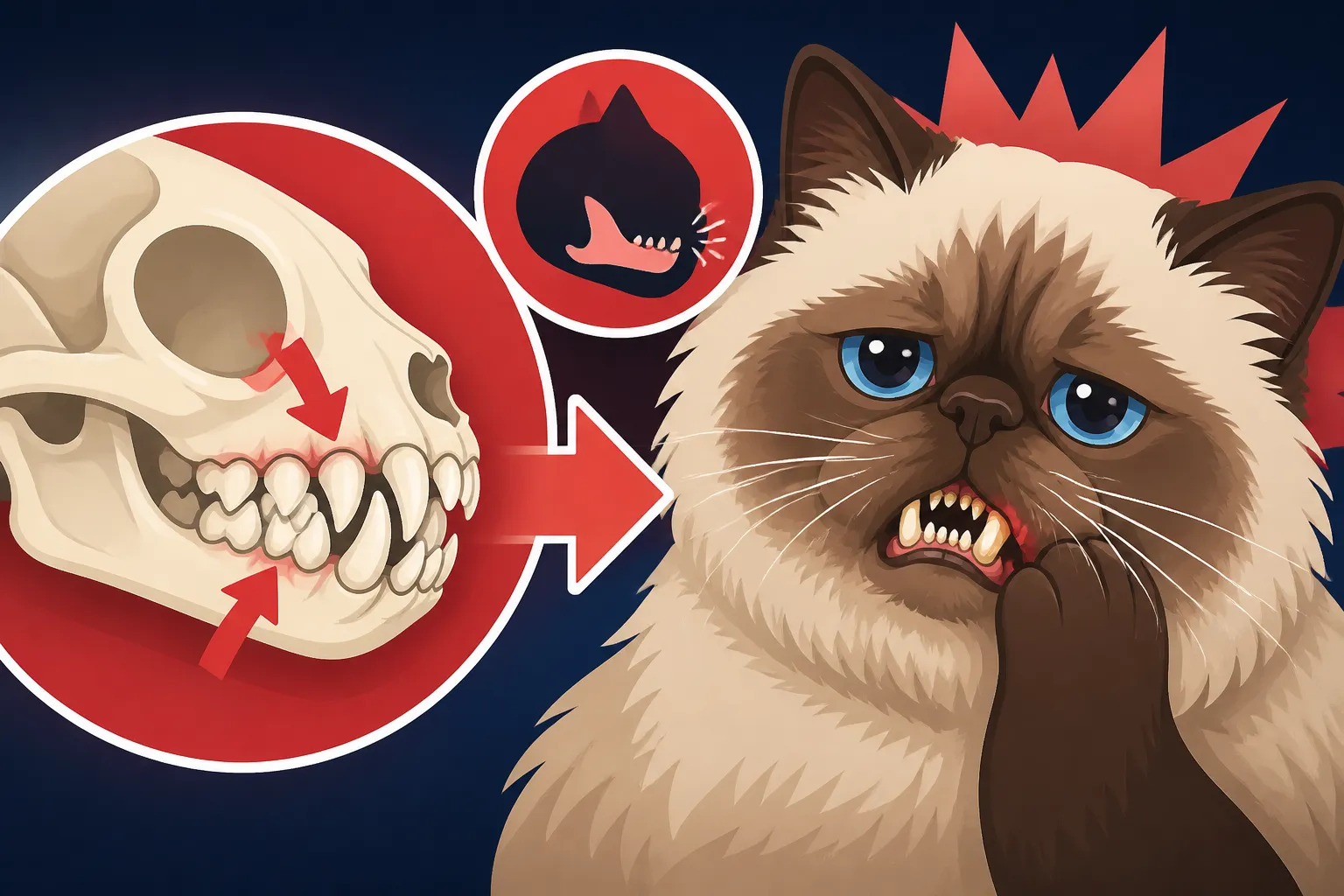
When you look at a Himalayan, particularly a "Peke-face" or extreme type, you immediately notice that wonderfully flat, expressive face. This distinct profile, known as brachycephaly, is a hallmark of the Persian breed and, consequently, the Himalayan. While it gives them their endearing, almost human-like expressions, it comes at a cost, particularly for their oral health. The skull structure is significantly shortened and widened, but here’s the rub: the number and size of their teeth remain the same as a cat with a much longer, more conventional muzzle.
Imagine trying to fit a full set of adult human teeth into a child’s jaw – it just doesn't work. That's essentially what happens inside a Himalayan's mouth. Their evolutionary history didn't account for this selective breeding for a flatter face, so the dental arch became disproportionately short compared to the space required for all 30 adult teeth. This cranial shape directly affects the dental arcade, leading to an array of problems. For a deeper understanding of how their bite is affected, you might want to read about What a Persian Jaw Does to a Himalayan's Bite. This specific conformation means that the teeth don't erupt into their proper positions, leading to chronic malocclusions and severe crowding.
How Teeth Get Crowded
The sheer lack of space within the shortened jaw means that a Himalayan's teeth often end up misaligned, rotated, or even overlapping. You might observe this most readily with their canines, which can sometimes protrude at odd angles, or perhaps their incisors, which might look squished together. But the real issues often lie hidden further back, with the premolars and molars. These larger chewing teeth, meant to sit neatly beside one another, are instead pushed and shoved into tight quarters.
This constant pressure and improper alignment create pockets where food particles and bacteria can easily accumulate, leading to plaque and tartar buildup at an accelerated rate. It’s not just a cosmetic issue; this crowding makes effective brushing, even if your cat tolerates it, incredibly difficult. The gums around these cramped teeth are perpetually irritated, inflamed, and susceptible to gingivitis, which is the precursor to more severe periodontal disease. This kind of chronic inflammation is a huge factor in why dental resorption becomes such a prevalent and painful problem for Himalayans. If you're wondering just how cramped things can get, take a look at How Crowded a Himalayan's Lower Jaw Gets. It's a daily battle for their mouths.
The Painful Reality of Dental Resorption
Dental resorption is a widespread and often agonizing condition in cats, and Himalayans are particularly vulnerable due to their unique dental anatomy. It’s a silent destroyer, often progressing unnoticed until severe pain forces your cat to show symptoms.
What is Tooth Resorption?
In simple terms, tooth resorption is the gradual destruction of the tooth structure by the cat's own body. It’s almost as if the body starts to "eat away" at the tooth, most commonly starting at the root beneath the gum line, making it invisible to the naked eye. The process involves cells called odontoclasts, which are normally responsible for resorbing the roots of baby teeth to allow adult teeth to erupt. In tooth resorption, these cells become active in adult teeth, often inappropriately, leading to lesions that can expose the sensitive dentin and pulp of the tooth.
These lesions can range from small erosions to large cavities that eventually weaken the tooth so much that it fractures. Imagine having a persistent, throbbing toothache that never goes away, or a sudden, sharp pain every time you try to chew. That's what many cats with tooth resorption experience. The exact cause isn't fully understood, but it's believed to be multifactorial, involving chronic inflammation, genetic predisposition, and mechanical stress. For Himalayans, the crowded jaw plays a major role in creating that chronic inflammatory environment and mechanical stress.
Why Crowding Leads to Resorption
The link between a crowded Persian jaw and tooth resorption in Himalayans is quite direct and heartbreakingly logical. The constant pressure from misaligned teeth pushing against each other creates microtrauma and chronic inflammation in the periodontal ligament, the structure that holds the tooth in the jawbone. This inflammatory response then triggers the odontoclast cells to begin their destructive work.
Here’s a breakdown of the cascade of events:
- Overcrowding and Malocclusion: The shortened jaw means teeth are jammed together, often rotated, or overlapping.
- Increased Pressure: This unnatural alignment puts excessive pressure on individual teeth and their supporting structures.
- Chronic Gingivitis/Periodontitis: The tight spaces are perfect breeding grounds for bacteria, leading to persistent gum inflammation (gingivitis) and eventually, the more severe periodontal disease, which involves the loss of bone and supporting tissues around the tooth. This is why Why a Himalayan Needs Dentals Earlier Than a Siamese is such an important read.
- Inflammatory Response: The chronic inflammation from periodontal disease releases biochemical mediators that can activate the resorptive process.
- Immune System Misdirection: The cat's immune system, constantly fighting infection and inflammation in the mouth, might mistakenly target tooth structure, leading to its breakdown.
- Direct Mechanical Stress: The continuous grinding and unnatural chewing forces caused by malocclusion can also directly damage the tooth surface and root, further encouraging resorption.
This combination of chronic inflammation and mechanical stress makes a Himalayan's crowded mouth a prime environment for tooth resorption. It’s not just about losing a tooth; it's about the deep, persistent pain that accompanies this process, often hidden behind their stoic feline demeanor. The extent of this problem can be truly staggering, leading to significant tooth loss over their lifetime. You might be surprised to learn How Many Teeth a Himalayan Has Lost by Ten in severe cases.
Recognizing the Signs and Proactive Care
One of the biggest challenges with dental pain in cats, especially Himalayans, is their incredible ability to mask discomfort. As predatory animals, showing weakness can make them vulnerable, so they've evolved to hide illness or pain. This means you, as their dedicated owner, need to be extra vigilant.
Subtle Signs of Oral Pain
Your Himalayan might not cry out or overtly show you they're in pain. Instead, you'll need to look for more subtle behavioral changes. Any of these could be a red flag:
- Changes in Eating Habits: This is often the first thing owners notice. Your cat might approach their food bowl eagerly but then hesitate, drop food, or chew only on one side of their mouth. They might prefer soft food over kibble or stop eating entirely. Have you noticed Why a Himalayan Drops Food Onto Its Ruff? This can be a sign.
- Pawing at the Mouth or Face: While not always obvious, occasionally your cat might paw at their mouth, rub their face against furniture more frequently, or even seem sensitive when you try to pet their head.
- Excessive Drooling: More drool than usual, especially if it's thick or tinged with blood, can indicate oral pain or infection.
- Bad Breath (Halitosis): While not every cat with bad breath has resorption, it's a strong indicator of periodontal disease, which, as we've discussed, often goes hand-in-hand with resorption.
- Reduced Grooming: Pain can make grooming too uncomfortable, particularly if the mouth is sore. You might notice their coat becoming less well-maintained.
- Behavioral Changes: A cat in chronic pain might become more reclusive, irritable, or less playful. They might hide more or snap when touched. Remember, Why a Himalayan Hides Illness Behind an Expressionless Face means you have to be extra observant.
- Weight Loss: In severe cases, if eating becomes too painful, your Himalayan might start to lose weight.
It's crucial not to dismiss these subtle shifts. Early detection and intervention can make a huge difference in managing dental resorption and preserving your cat's comfort and quality of life.
Essential Home and Veterinary Care
Proactive care is the cornerstone of managing your Himalayan's dental health. Given their predisposition, you need to be several steps ahead.
Daily Oral Hygiene at Home
While challenging with a crowded mouth, any effort at home care is beneficial.
- Brushing: If your Himalayan tolerates it, gentle daily brushing with a cat-specific toothbrush and toothpaste (never human toothpaste!) can help reduce plaque buildup. Start slowly, introducing it as a positive experience.
- Dental Wipes/Gels: For cats who refuse brushing, dental wipes or gels can be applied to the gum line. These contain enzymes or antiseptics that help break down plaque and reduce bacteria.
- Water Additives: Some vets recommend water additives that help reduce plaque, but ensure they are vet-approved and your cat still drinks sufficient water.
Regular Veterinary Check-ups
This is non-negotiable for Himalayans.
- Annual Exams: Your vet should perform a thorough oral exam at every annual check-up. They’ll look for signs of gingivitis, tartar, and any visible abnormalities.
- Professional Dental Cleanings: Due to their crowded mouths and propensity for periodontal disease and resorption, Himalayans often need professional dental cleanings under anesthesia more frequently than other breeds. This usually involves scaling (removing plaque and tartar above and below the gum line), polishing, and a thorough oral exam by the vet.
- Anesthesia Concerns: It's understandable to be worried about anesthesia, especially with a brachycephalic breed. However, modern veterinary anesthesia protocols are very safe, and the benefits of proper dental care far outweigh the risks. Your vet will conduct pre-anesthetic blood work and possibly other diagnostics to ensure your cat is a good candidate. It's important to understand that Why a Himalayan Is a Harder Anesthetic Than a Siamese due to their breathing structure, so thorough pre-assessment is key. Discuss all your concerns with your vet.
To help manage the costs associated with frequent vet visits and potential extractions, pet insurance can be a real lifesaver. Companies like Healthy Paws offer comprehensive coverage that can help ease the financial burden of unexpected health issues, including dental problems, allowing you to prioritize your cat's well-being without undue stress. Investing in a good policy early can provide immense peace of mind. Regular cleanings are essential, and you can learn more about the frequency from How Often a Himalayan's Crowded Mouth Needs Cleaning.
The Role of X-rays in Diagnosis
Here’s a critical point that many owners don’t realize: you cannot truly diagnose tooth resorption without dental X-rays. What the vet sees above the gum line is only a fraction of the story. Since tooth resorption often starts at the root, the damage is completely hidden from a visual examination.
Dental X-rays, taken while your cat is under anesthesia for a professional cleaning, are paramount. They allow the vet to:
- Visualize the Roots: See the entire tooth structure, including the roots, where resorption lesions most commonly begin.
- Identify Lesions: Detect resorptive lesions that are not visible on the tooth's crown or at the gum line.
- Assess Bone Loss: Determine the extent of bone loss around teeth due to periodontal disease.
- Check for Abscesses or Fractures: Identify other hidden problems like root abscesses or fractured roots.
Without X-rays, a significant amount of pain and disease can go completely undiagnosed and untreated, leaving your Himalayan to suffer silently. This is why a thorough dental procedure always includes full mouth radiography.
Managing and Preventing Further Resorption
Once tooth resorption is identified, the next step is effective management. The goal is to alleviate pain, prevent further damage, and ensure your Himalayan enjoys a comfortable, happy life.
Treatment Options
Unfortunately, once a tooth is affected by resorption, there's no way to reverse the process or "fill" the lesion effectively like human cavities. The standard of care, and truly the most humane option for affected teeth, is extraction.
- Extraction: This involves surgically removing the entire affected tooth, including its roots. This might sound drastic, but it's the most effective way to eliminate the source of pain and prevent the condition from progressing in that tooth. Your vet will often use specialized instruments and techniques to minimize trauma to the surrounding tissues.
- Pain Management: Your vet will prescribe pain relief medication for a few days post-extraction to keep your cat comfortable during recovery. They might also discuss long-term pain management if your cat has other chronic conditions, although extractions generally resolve the dental pain completely.
It’s common for Himalayans to lose several teeth, or even most of them, due to this condition throughout their lives. While this might seem alarming, cats adapt remarkably well to living without teeth, especially if they are transitioned to a soft food diet. Their comfort and freedom from chronic pain are far more important than a full set of teeth.
Long-term Management and Quality of Life
Life after extractions is usually much better for your Himalayan. You'll likely see a marked improvement in their demeanor, appetite, and overall well-being once the chronic pain is gone.
- Dietary Adjustments: Most cats with significant tooth loss thrive on a wet food diet. If you prefer to feed kibble, it's crucial to select a very small, easily chewable type or even soften it with water. Learning How a Flat Faced Himalayan Eats After Extractions will help you make the right choices for their meals.
- Continued Oral Hygiene (where possible): Even with fewer teeth, maintaining good gum health is important. Continue with gentle brushing, wipes, or gels on the remaining teeth if tolerated, and regularly check their mouth for any signs of inflammation.
- Regular Follow-ups: Continue with annual vet check-ups and follow your vet’s recommendations for future dental assessments and cleanings. Resorption can affect new teeth over time, so vigilance is key.
- Nutritional Support: Ensure your cat receives a balanced diet. If they're on a very restricted diet, your vet might recommend supplements. Keep an eye on their weight and overall health. Monitoring What a Himalayan's Yearly Bloods Should Cover After Eight can help catch other age-related issues early.
Many pet insurance providers, including Healthy Paws, understand the importance of ongoing veterinary care. They can help cover the costs of these necessary follow-up exams, potential future cleanings, and any new treatments that might arise. This partnership with a reliable insurer allows you to confidently provide the best possible care for your Himalayan throughout their lifespan.
Choosing a Vet
Given the specialized needs of Himalayans, especially regarding their dental and brachycephalic health, selecting the right veterinary team is incredibly important. Look for a veterinarian who:
- Has Experience with Brachycephalic Breeds: They should be familiar with the unique anatomical challenges of flat-faced cats.
- Emphasizes Dental Health: A vet who routinely recommends pre-anesthetic blood work, uses dental X-rays, and offers comprehensive dental procedures is ideal.
- Communicates Clearly: They should be willing to explain all procedures, risks, and post-operative care in detail, addressing all your concerns.
Your Himalayan's beautiful face is a big part of their charm, but it's vital to be aware of the specific health considerations that come with it. By being proactive, observant, and working closely with a knowledgeable vet, you can ensure your cat enjoys a life free from dental pain, full of purrs and happy mealtimes.
Dental Health Symptoms Checklist
To help you keep track of your Himalayan's oral health, here's a quick checklist of symptoms and what they might indicate. Remember, this is not a substitute for veterinary diagnosis.
| Symptom Category | Mild Concern (Monitor Closely) | Moderate Concern (Schedule Vet Visit Soon) | Severe Concern (Urgent Vet Visit) |
|---|---|---|---|
| Eating Habits | Slight pickiness with kibble, slow eating | Chewing on one side, dropping food, reluctance to eat hard food | Refusal to eat, sudden complete anorexia, vocalizing during eating |
| Mouth/Face Area | Occasional pawing at mouth, mild halitosis | Increased pawing/rubbing, visible redness of gums, moderate bad breath | Swelling of face/jaw, severe halitosis, bloody drool, facial sensitivity |
| Grooming | Minor decrease in grooming routine, slightly matted areas | Noticeable decline in grooming, unkempt coat, matted areas near face/mouth | Complete cessation of grooming, extreme matting, painful to touch |
| Behavioral Changes | More quiet than usual, less interactive for short periods | Hiding more frequently, irritability when approached, decreased play | Lethargy, severe withdrawal, aggression when mouth is touched |
| Visible Oral Signs | Minor tartar, slight gum redness | Visible tartar buildup, persistent red/inflamed gums, some exposed tooth roots | Loose teeth, missing teeth, obvious lesions on teeth, pus from gums |
Disclaimer
The information provided in this guide is intended for educational purposes only and should not be considered a substitute for professional veterinary advice. Always consult with a qualified veterinarian for any health concerns or before making any decisions related to your pet's medical care.