Why One of a Himalayan’s Blue Eyes Half Closes
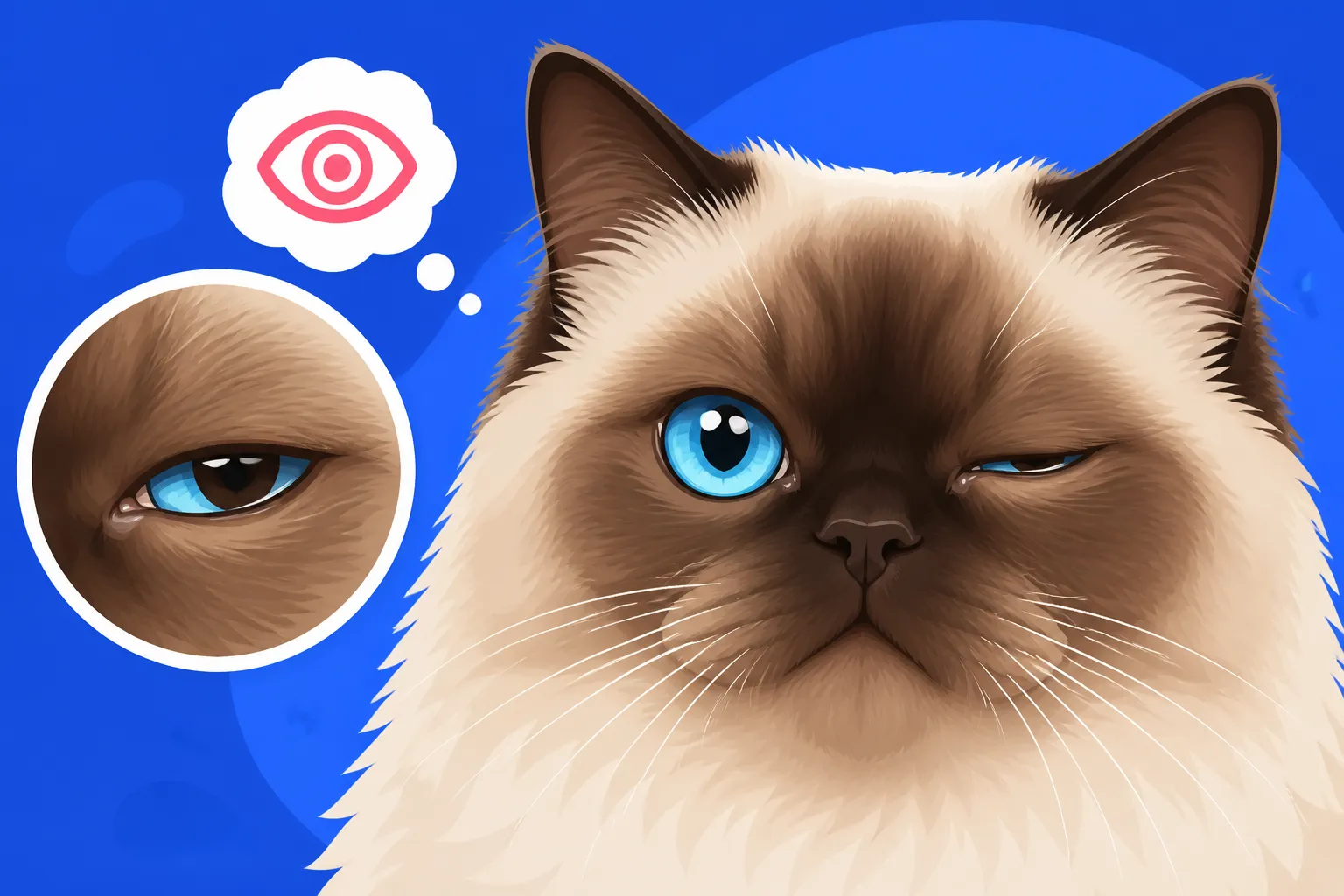
Seeing your beloved Himalayan cat with one of their beautiful blue eyes half-closed is an instant cause for concern, isn't it? It can feel like a punch to the gut, immediately making you worry about their comfort and what might be going wrong. This isn't just a minor cosmetic issue; a partially closed eye, also known as blepharospasm, is almost always a sign of pain or irritation, and it demands our attention. This guide will walk you through the many potential reasons behind a Himalayan's half-closed eye, offering insights into what symptoms to watch for, when to try at-home care, and most importantly, when it's absolutely crucial to seek professional veterinary help to ensure your furry friend's vision and comfort are protected.
Common Irritations and Environmental Factors Leading to a Half-Closed Eye
Sometimes, the simplest explanations are the right ones, and that's often true when your Himalayan's eye is bothering them. These cats, with their long, luxurious coats and sometimes flatter faces, are particularly susceptible to everyday irritants that other breeds might shake off more easily. Before panicking, it’s always worth considering the immediate environment and any minor, external factors that might be at play.
Dust and Debris in the Eye
Imagine getting a speck of dust or a tiny piece of fluff in your own eye – it's incredibly irritating, right? For a Himalayan, this is a surprisingly common occurrence. Their long, dense fur can act like a magnet for airborne particles, and their somewhat prominent eyes can be more exposed. A stray piece of litter from the litter box, a crumb from a dropped treat, or even a tiny piece of their own magnificent coat can get lodged in the eye. When this happens, your cat's natural reaction is to try and protect the eye and alleviate the discomfort, which often means squinting or keeping it partially closed. You might also notice increased tearing as the eye tries to flush out the irritant.
It's usually pretty easy to spot if debris is the culprit. Gently pull down their lower eyelid and look for anything obvious. If you see a foreign object, try flushing the eye gently with a sterile saline solution, which you can usually find at any pharmacy. Never use tap water, as it's not sterile and can contain microorganisms harmful to the eye. If the debris doesn't flush out easily, or if your cat is clearly in a lot of pain, don't keep poking around. That's a direct route to making things worse and potentially causing a corneal scratch.
Eyelash or Hair Irritation
Himalayans are renowned for their incredible coats, but sometimes, their own beauty can be a source of irritation. There are a couple of ways their fur can cause an eye to half-close. First, some Himalayans can suffer from a condition called trichiasis, where normally growing eyelashes or facial hairs are misdirected and rub against the surface of the eye. Think about an ingrown eyelash, but constantly scratching your eyeball – ouch! Similarly, distichiasis involves extra eyelashes growing from an abnormal spot on the eyelid margin, often directly irritating the cornea.
Even without these specific conditions, the sheer volume of hair around their face can be an issue. A stray piece of long fur from their ruff or even the hair on their nose bridge can curl inward and brush against the sensitive surface of the eye, particularly if they've been grooming themselves vigorously or just waking up from a nap. This constant tickle and poke can cause irritation, redness, and lead to that tell-tale squint. Regular grooming, including carefully trimming the hair around their eyes, can often prevent this. For more insights into daily care, you might find our guide on The Morning Face Routine Every Himalayan Needs helpful.
Dry Eye Syndrome (Keratoconjunctivitis Sicca)
While it might seem counterintuitive to think of "dry eye" when a cat's eye is watering, Keratoconjunctivitis Sicca (KCS) is a condition where the eye doesn't produce enough quality tears. Tears aren't just water; they're a complex mix of water, oils, and mucus that keep the eye lubricated, nourished, and protected. If the tear film isn't healthy, the eye becomes dry, inflamed, and incredibly uncomfortable. This discomfort leads to squinting or a half-closed eye as the cat tries to protect the irritated surface.
Symptoms of KCS can include a cloudy appearance to the eye, discharge that might be thick and stringy, and redness of the conjunctiva. Your vet can perform a simple Schirmer tear test to measure tear production, which involves placing a small strip of paper in the corner of the eye. While not as common in cats as in some dog breeds, it can still occur and should be considered, especially if the problem is persistent and other causes have been ruled out. Treatment typically involves specific eye drops or ointments to stimulate tear production or provide artificial tears.
Infections and Inflammatory Conditions Affecting the Eyes
Unfortunately, sometimes a half-closed eye is a symptom of something more insidious: an infection or inflammation. These conditions can range from relatively benign and easily treated to more serious issues that, if left unattended, could potentially lead to permanent vision impairment. It's vital to be vigilant and understand the signs that point to an underlying medical problem.
Conjunctivitis (Pink Eye)
Conjunctivitis, commonly known as "pink eye," is a really frequent offender when it comes to a cat's irritated, half-closed eye. It's essentially an inflammation of the conjunctiva, the clear membrane that lines the inside of the eyelids and covers the white part of the eyeball. When this delicate tissue gets inflamed, it can become red, swollen, and itchy, leading your Himalayan to squint in an attempt to alleviate the discomfort.
The causes of conjunctivitis in cats are varied. It can be caused by bacterial infections, viral infections (like feline herpesvirus, which is incredibly common and often causes recurrent flare-ups), allergies, or even fungi. You might notice redness, swelling, a watery or thick discharge (clear, yellow, or greenish), and sometimes even a swollen third eyelid. If your Himalayan has this, you'll definitely want to get them to the vet. They'll likely prescribe antibiotic eye drops or antiviral medications, depending on the cause. Without proper treatment, a simple case of conjunctivitis can persist and become quite miserable for your cat.
Corneal Ulcers and Scratches
The cornea is the transparent outer layer at the front of the eye. It's incredibly sensitive and crucial for vision. Any damage to this delicate surface, whether it's a scratch, abrasion, or a deeper ulcer, is intensely painful and will almost certainly cause your Himalayan to keep the affected eye partially closed. Imagine getting a scratch on your own eye – it hurts! Cats feel the same way.
Corneal ulcers can result from a foreign body in the eye that wasn't removed, a direct injury during play, an ingrown eyelash, or even severe dry eye. Bacterial or viral infections can also lead to or complicate ulcers. Besides squinting, you might notice excessive tearing, redness, cloudiness on the cornea itself (it might look hazy or dull), and your cat pawing at their eye. If you suspect a corneal ulcer, it's an emergency. You need to see a vet immediately because untreated ulcers can rapidly worsen, potentially leading to blindness or even loss of the eye. Our article on What a Corneal Ulcer Looks Like on a Blue Eyed Himalayan has more details on identifying this serious condition. Remember, when it comes to eye injuries, waiting until Monday is not an option; for more on this, check out Why a Himalayan's Eye Injury Cannot Wait Until Monday.
Uveitis and Other Internal Eye Inflammations
Sometimes, the problem isn't just on the surface of the eye, but deeper within. Uveitis is an inflammation of the uvea, which is the middle layer of the eye that includes the iris, ciliary body, and choroid. This condition is typically very painful and can cause significant light sensitivity, prompting a cat to keep its eye closed. Uveitis can be a symptom of a larger, systemic health issue, such as an autoimmune disease, infectious diseases like Feline Leukemia Virus (FeLV), Feline Immunodeficiency Virus (FIV), or Feline Infectious Peritonitis (FIP), or even certain types of cancer.
Signs of uveitis include a cloudy or discolored cornea, a constricted pupil, redness, and severe squinting. It's a serious condition that requires prompt veterinary attention to diagnose the underlying cause and begin treatment to prevent further damage and manage pain. The complexity of these internal inflammations highlights the importance of thorough veterinary examination, especially when surface irritations or infections have been ruled out.
Anatomical and Breed-Specific Concerns for Himalayans
Himalayans are beautiful, distinct cats, but their unique features, particularly their brachycephalic (flat) faces and long coats, unfortunately predispose them to certain eye issues. These aren't just minor quirks; they're structural realities that can lead to chronic discomfort and require specific management. Understanding these breed-specific challenges is key to anticipating and addressing them.
Entropion: The Inward-Rolling Eyelid
Perhaps one of the most common and painful breed-specific issues that causes a Himalayan's eye to half-close is entropion. This is a condition where a portion of the eyelid, usually the lower one, rolls inward towards the eyeball. When this happens, the eyelashes and the delicate hairs on the eyelid rub constantly against the cornea, acting like sandpaper on a highly sensitive surface. You can imagine how agonizing that would be!
The chronic irritation and pain from entropion lead to persistent squinting, excessive tearing, and redness. Over time, this constant rubbing can cause corneal ulcers, scarring, and even impair vision. Himalayans are genetically predisposed to entropion due to the structure of their faces. While it can sometimes be managed in the short term with lubricating eye drops, the definitive solution usually involves corrective surgery to evert the eyelid and prevent further irritation. Early diagnosis is crucial to prevent irreversible damage to the cornea. If you're concerned, our article What Entropion Does to a Himalayan's Blue Eye offers a deeper dive into this condition.
Brachycephalic Syndrome and Eye Protrusion
The endearing flat face of the Himalayan, while a hallmark of the breed, comes with a set of challenges often collectively referred to as Brachycephalic Airway Syndrome, and its effects aren't limited to breathing. Their shortened muzzles mean that their eye sockets can be shallower, making their eyes appear more prominent, or 'protruding.' This makes them more vulnerable to trauma and external irritants.
With less bony protection, the eyes are more exposed to dust, debris, and even accidental bumps or scratches. Furthermore, the folds of skin around their nose and eyes can sometimes rub against the cornea. This increased exposure and potential for irritation mean that their eyes are constantly fighting to stay moist and comfortable. The discomfort can lead to squinting as a protective mechanism. It's a daily battle for some of these cats, and proactive care, like keeping the facial area meticulously clean, is essential. This ongoing care is part of why Why a Himalayan's Budget Needs a Line for Its Blue Eyes is so important to consider when owning this breed.
Tear Duct Blockage and Epiphora
Himalayans are famous for their watery eyes and tear staining, and a partially closed eye can sometimes be related to issues with their tear drainage system. Their flattened facial structure often leads to abnormally curved or narrowed tear ducts (nasolacrimal ducts), making them prone to blockages. When the tear ducts are blocked, tears can't drain properly into the nasal cavity and instead overflow onto the face – a condition known as epiphora.
While epiphora itself doesn't cause a half-closed eye, the constant dampness on the skin beneath the eye can lead to irritation, skin infections, and discomfort. This secondary irritation or infection can then cause the cat to squint. Additionally, if the tear duct is inflamed or infected (dacryocystitis), it can cause direct pain and swelling around the eye, leading to a closed eye. Your vet might suggest flushing the tear ducts or, in chronic cases, surgical intervention to open them. Meanwhile, diligently wiping your Himalayan's face daily, as discussed in Why a Himalayan's Eyes Water All Day, is crucial to prevent secondary skin issues.
Neurological Issues and Systemic Illnesses
While less common, it's important to remember that a half-closed eye can occasionally be a manifestation of deeper, more systemic health problems or neurological conditions. These are usually accompanied by other symptoms and are why a thorough veterinary examination is always recommended if the cause isn't immediately obvious or if the condition persists.
Horner's Syndrome and Nerve Damage
Horner's Syndrome is a neurological condition that affects the nerves controlling the eye and surrounding facial muscles. It's not painful in itself, but the symptoms can be quite striking, and a partially closed eyelid (ptosis) is a classic sign. Other indicators include a constricted pupil (miosis), a sunken appearance of the eyeball (enophthalmos), and the protrusion of the third eyelid.
The cause of Horner's Syndrome can vary widely, from trauma to the neck or chest, middle ear infections, tumors, or even an unknown (idiopathic) origin. It affects the sympathetic nervous system pathways that run from the brain, down the spinal cord, and then back up to the eye. While the syndrome itself isn't a disease, it's a sign that something is impacting these nerve pathways. A vet will perform a neurological exam to diagnose it and then work to identify and treat the underlying cause. Sometimes, it resolves on its own, but often, it requires targeted treatment for the primary problem.
Systemic Illnesses Affecting the Eyes
The eyes are often described as a "window to the soul," but they can also be a window into a cat's overall health. Various systemic illnesses, meaning diseases affecting the entire body, can manifest with eye symptoms, including a half-closed eye due to pain, inflammation, or neurological impact. For example, high blood pressure can lead to sudden blindness and retinal detachment, which would be incredibly painful and cause squinting. Diabetes can lead to cataracts and other eye complications over time, although these are less common as a sudden cause for a half-closed eye.
More seriously, certain infectious diseases, like those mentioned under uveitis (FIV, FeLV, FIP, toxoplasmosis), or even dental disease, can cause eye inflammation or secondary infections that make an eye painful and lead to squinting. Even something like severe allergies can cause widespread inflammation, including in the eyes. When your vet examines your Himalayan, they won't just look at the eye itself; they'll consider your cat's overall health, looking for other symptoms, checking blood work, and potentially running specific tests to uncover any hidden illnesses. This holistic approach is why regular check-ups, including discussions about how How Often a Himalayan's Eyes Should Be Examined, are so crucial, and having a good pet insurance plan like those offered by Healthy Paws can be a lifesaver for unexpected diagnostic and treatment costs associated with complex conditions.
When to Seek Veterinary Care
It’s easy to feel overwhelmed by all the possibilities when your Himalayan's eye is half-closed. The most important thing is knowing when it's okay to try a little home care and when to pick up the phone and call your vet immediately. When it comes to eye health, it's always better to be safe than sorry, as vision can be lost quickly if problems aren't addressed.
Urgent Veterinary Attention
Some situations demand immediate veterinary care, no questions asked. If you observe any of the following, do not delay in getting your Himalayan to an emergency vet or your regular vet as soon as possible:
- Sudden Onset and Severe Pain: If your cat is suddenly keeping their eye completely shut, pawing at it excessively, or seems in significant distress, this is an emergency.
- Visible Injury or Trauma: Any visible cut, puncture, or obvious injury to the eye or eyelid.
- Rapidly Worsening Symptoms: If mild squinting quickly escalates to severe pain, redness, or discharge.
- Changes in Eye Appearance: This includes cloudiness or a blue haze over the cornea, a visible foreign object that you cannot easily flush out, a change in pupil size or shape, or blood in the eye.
- Sudden Blindness: If your cat seems disoriented or is bumping into things, indicating a sudden loss of vision.
- Discharge that is Thick, Yellow, or Green: While clear tearing can be normal, colored discharge often indicates a bacterial infection.
- Swelling Around the Eye: Any noticeable swelling of the eyelids or surrounding tissues.
These are all red flags that suggest a serious condition like a deep corneal ulcer, glaucoma, severe infection, or acute trauma, which need prompt professional intervention. Remember, for conditions like corneal ulcers, time is absolutely of the essence to prevent irreversible damage.
Non-Urgent but Necessary Vet Visit
For other symptoms, while not necessarily an emergency, a vet visit should be scheduled within 24-48 hours. These situations still require professional assessment and treatment, but don't necessarily warrant a frantic dash to the emergency clinic in the middle of the night.
- Persistent Mild Squinting: If your cat has been mildly squinting for more than a day, even without other severe symptoms.
- Mild Redness or Tearing: If you notice consistent redness or increased tearing that doesn't resolve with gentle cleaning or appears to be worsening slowly.
- Crusty Eyelids or Mild Discharge: Especially if it's a clear or whitish discharge that isn't thick or colored.
- Recurrent Issues: If your Himalayan has had eye problems before, even if they seem mild now, it's worth a check-up to ensure it's not a recurring issue that needs a different approach.
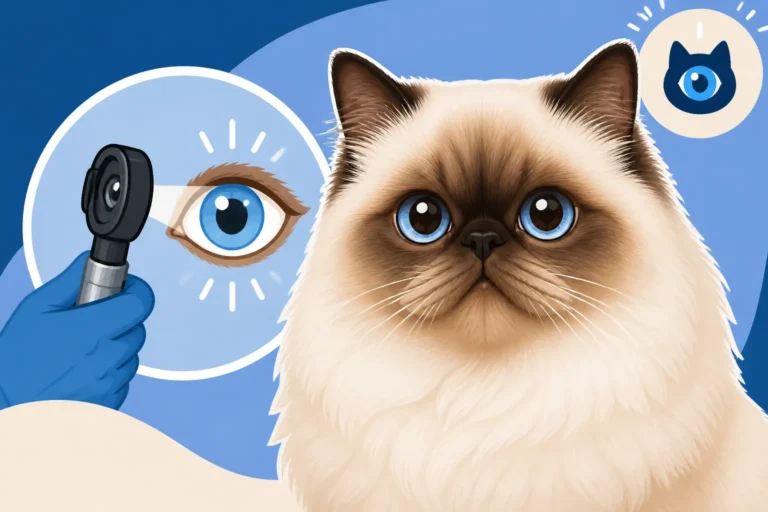
When you go to the vet, be prepared to provide a detailed history. Note when the symptoms started, if they've changed, what the discharge looks like, and any recent changes in your cat's environment or behavior. Having this information helps your vet narrow down the possibilities and get to a diagnosis faster. Your vet will likely perform a thorough ophthalmic exam, which may include a fluorescein stain to check for corneal ulcers, a Schirmer tear test, and possibly measuring intraocular pressure. They might also suggest specific eye drops, which could be for lubrication, antibiotics, or anti-inflammatories, as detailed in Which Drops Suit a Himalayan's Exposed Blue Eyes.
Proactive Care and Prevention
While you can't prevent every eye issue, proactive care goes a long way, especially for a breed like the Himalayan. Regular grooming around the face is vital to prevent hair from irritating the eyes. Keeping their living environment clean and free of excessive dust can also reduce irritants.
Consider a high-quality pet insurance policy, such as Healthy Paws, early in your cat's life. Eye conditions, especially breed-specific ones like entropion or those requiring specialist care for deeper issues, can incur significant costs. Having insurance can provide immense peace of mind, allowing you to make medical decisions based on what's best for your cat, not on your wallet. For longer-term preventative care, an understanding of potential inherited conditions like What Retinal Atrophy Does Behind a Himalayan's Blue Eyes is also helpful, even if not directly related to a half-closed eye today, as it impacts overall eye health.
Summary of Eye Symptoms and Actions
| Symptom | Potential Causes | Recommended Action |
|---|---|---|
| Mild Squinting, Clear Tearing | Dust/debris, stray hair, mild irritation, minor allergic reaction | Gently flush with sterile saline, observe for 24 hours. If no improvement, see vet. |
| Redness, Swelling, Thick/Colored Discharge | Conjunctivitis (bacterial/viral), severe allergy, early corneal ulcer | Urgent Vet Visit (within 24 hours). |
| Pawing at Eye, Severe Pain, Eye Shut Completely | Corneal ulcer, foreign body, trauma, glaucoma, uveitis | Immediate Emergency Vet Visit. |
| Cloudiness of Eye, Change in Pupil Size | Corneal ulcer, uveitis, glaucoma, trauma, internal eye disease | Immediate Emergency Vet Visit. |
| Inward-rolling Eyelid (visible) | Entropion | Schedule vet visit to discuss diagnosis and potential surgical correction. |
| Chronic Tearing, Tear Staining | Tear duct blockage, mild entropion, environmental irritants, allergies | Regular face wiping, schedule vet visit if persistent or worsens, especially if accompanied by squinting. |
| Protruding Eye, Excessive Dryness | Brachycephalic syndrome issues, dry eye (KCS) | Schedule vet visit for diagnosis and management plan (e.g., eye drops). |
| Other Neurological Signs (e.g., pupil size difference, uncoordinated movement) | Horner's Syndrome, systemic neurological issue | Urgent Vet Visit (within 24 hours) to investigate underlying neurological cause. |
This table is a general guide, and it's always best to consult with your veterinarian for any concerns about your cat's eye health. They are the best resource for accurate diagnosis and treatment.
Disclaimer
This guide is intended for informational purposes only and does not constitute medical advice. Always consult with a qualified veterinarian for any health concerns or before making any decisions related to your cat's health and treatment.