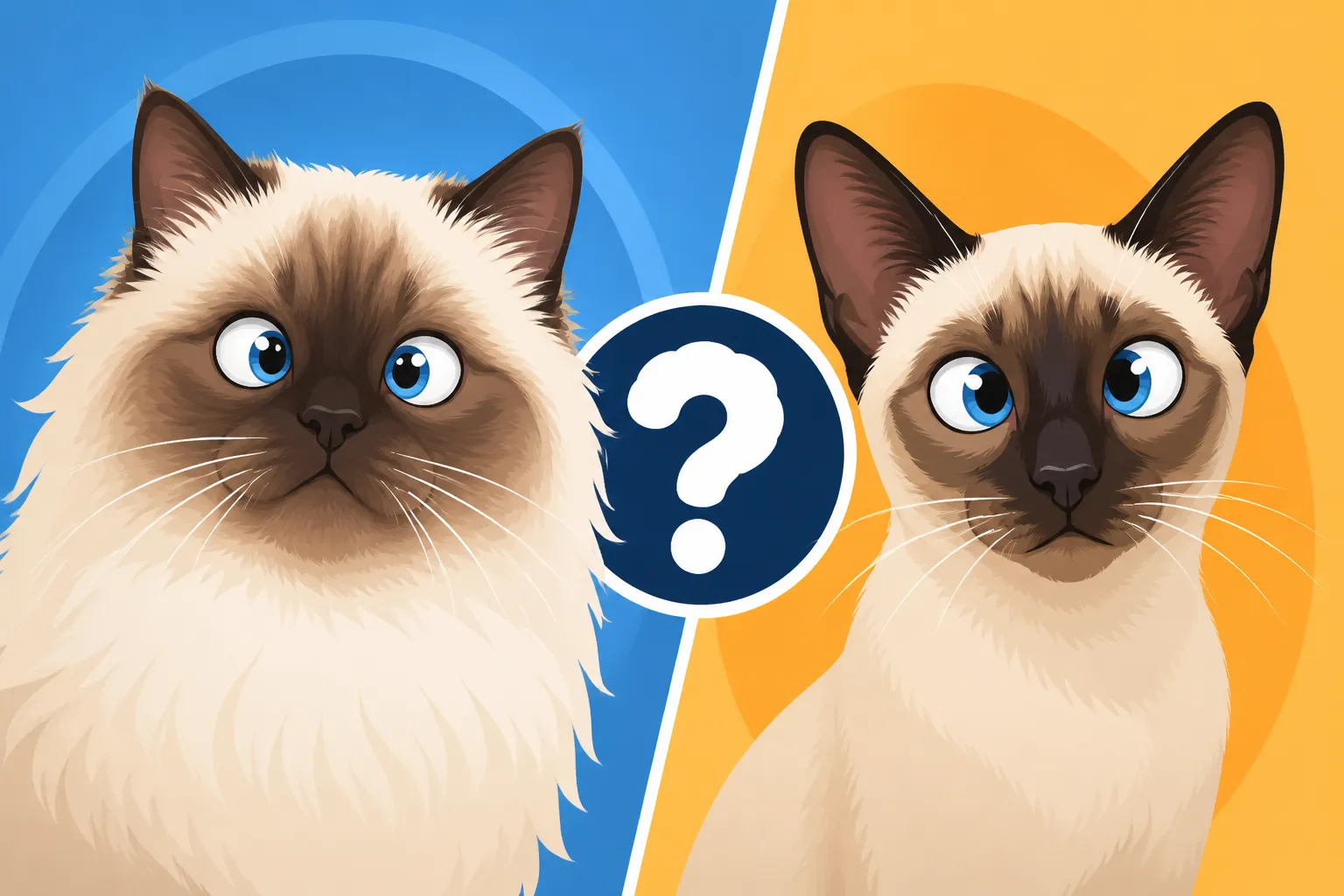
Whether a Himalayan Can Be Cross Eyed Like a Siamese
You might be looking at your darling Himalayan, noticing that sometimes their beautiful blue eyes seem to converge a little, giving them an almost cross-eyed appearance. It's a common observation that can leave owners wondering if it's normal, if it affects their vision, or if it's something inherited from their unique lineage. This guide will delve into the fascinating genetic reasons behind this trait, rooted in their Siamese ancestry, explain what it means for your furry friend, and help you understand when a vet visit might be a good idea.
Unraveling the Siamese Link to Cross-Eyes in Himalayans
The Himalayan cat, with its luxurious Persian coat and striking Siamese point coloration, is a breed born from a very specific crossbreeding effort. When breeders set out to combine the best of both worlds, they didn't just inherit a stunning coat pattern and a wonderful temperament; they also inherited some fascinating genetic quirks, including the predisposition for cross-eyes.
The Genetic Inheritance of the Pointed Pattern and Strabismus
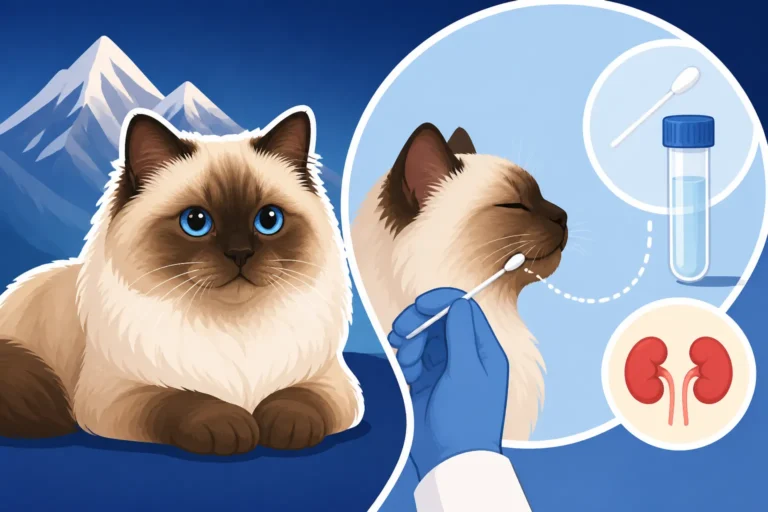
To truly understand why a Himalayan might be cross-eyed, we need to look back at its Siamese heritage. The signature "pointed" pattern – dark extremities like ears, face, paws, and tail contrasting with a lighter body – is a form of temperature-sensitive albinism. This genetic trait is controlled by a specific gene that affects pigment production only in cooler parts of the body. But here's the kicker: this very same gene is also intimately linked to the development of the optic nerves.
In cats carrying the pointed gene, like the Siamese and, consequently, the Himalayan, there's a unique routing of the optic nerves in the brain. Instead of the typical pattern where nerve fibers cross over to the opposite side of the brain in an orderly fashion, a higher percentage of these fibers cross over in pointed cats. This unusual neurological wiring can lead to a condition known as strabismus, more commonly called cross-eyes. The eyes literally compensate for this misrouted visual information by turning inward, allowing the brain to process a more coherent image. It’s a remarkable example of nature finding a way to make sense of a genetic anomaly. It’s a direct consequence of What the Siamese Side Gave a Himalayan Besides Points. So, while we adore their points, we also get the potential for those convergent eyes as part of the package.
The Visual World of a Cross-Eyed Himalayan
It’s completely understandable to worry that your cross-eyed Himalayan might be struggling to see the world clearly. However, most cats with congenital strabismus, meaning they were born with it, adapt incredibly well to their unique vision. For them, seeing a bit cross-eyed isn't a disability; it's simply how they see. Their brains have learned to interpret the visual input from birth, often without any noticeable hindrance in their daily lives.
While they might have slightly reduced depth perception or a different visual field compared to a cat with perfectly aligned eyes, they compensate beautifully. They become masters at using their other highly developed senses – hearing, smell, and their incredibly sensitive whiskers – to navigate their environment. You might notice them relying more on tactile cues or perhaps being a little more cautious when jumping down from heights, but for the most part, they’ll pounce on toys, navigate furniture, and find their food bowl with ease. They develop their own unique strategies, much like Whether a Blind Himalayan Notices the Change after adapting to their circumstances. It's truly a testament to a cat's adaptability that they can flourish with such a distinctive visual setup.
Recognizing Strabismus in Your Himalayan
Seeing your Himalayan with cross-eyes can sometimes make you do a double-take. Is it just a cute quirk, or is there something more significant happening? Understanding what strabismus looks like and when it might signal a problem is key to providing your pet with the best care.
Identifying Different Types of Strabismus
Strabismus essentially means that the eyes are misaligned, failing to point in the same direction simultaneously. In Himalayans, the most common form you'll encounter is esotropia, where one or both eyes turn inward, giving that classic "cross-eyed" appearance. It can be quite subtle, sometimes only noticeable when your cat is intently focusing on something, like a feather wand, or when they're a bit sleepy. Other times, it might be more pronounced and constant.
While esotropia is the typical presentation, in rare cases, a cat might exhibit exotropia, where the eyes turn outward, or even vertical strabismus, where one eye drifts up or down. However, the inward turning (convergent strabismus) is the strong genetic hallmark of the pointed breeds. It’s important to remember that a slight, symmetrical inward turn is very common and usually benign. It's often just part of their charm, a direct result of their unique genetic makeup influencing their eye muscles and optic nerve pathways.
When a Cross-Eyed Gaze Might Be More Than Cosmetic
While congenital strabismus in Himalayans is typically a harmless, cosmetic trait, it's crucial for owners to understand that sudden changes or the onset of strabismus later in life can be a red flag. If your Himalayan, who has never been cross-eyed before, suddenly develops strabismus, or if their existing strabismus dramatically worsens or becomes asymmetrical (one eye much more affected than the other), it warrants immediate veterinary attention.
These sudden changes can indicate underlying health issues that need to be addressed promptly. Possible causes include:
- Neurological problems: Conditions affecting the brain or the nerves controlling eye movement.
- Trauma: An injury to the head or eye area.
- Inflammation or infection: Swelling or infection around the eye or within the neurological system.
- Tumors: Although rare, masses can sometimes put pressure on optic nerves or brain regions.
- Inner ear issues: Problems with balance can sometimes manifest as eye movement abnormalities.
Look out for accompanying symptoms such as head tilting, loss of balance, lethargy, decreased appetite, or changes in pupil size. These are critical signs that something more serious might be at play. While we love their unique looks, it's always best to be vigilant about any sudden shifts in their physical presentation. For unexpected veterinary needs like these, having a pet insurance plan like those offered by Healthy Paws can provide immense peace of mind, ensuring you can pursue diagnostics and treatment without financial strain. It's about differentiating between a charming genetic trait and a symptom of an emerging health concern. Remember, conditions like What Retinal Atrophy Does Behind a Himalayan's Blue Eyes are different, but any sudden eye changes should always be investigated.
Supporting Your Cross-Eyed Himalayan's Quality of Life
Most Himalayans with congenital strabismus live perfectly normal, happy lives without any special accommodations. Their brains have learned to adapt. However, if their vision is more significantly affected, or if you simply want to ensure they're as comfortable as possible, there are some thoughtful steps you can take.
Creating a Safe and Predictable Environment
If your Himalayan's strabismus is particularly pronounced or if a vet has indicated some visual impairment, maintaining a consistent environment can be incredibly helpful. Cats thrive on routine and familiarity, and for a cat with slightly compromised vision, this is even more true.
- Keep furniture in place: Avoid frequently rearranging furniture, especially large items. A predictable layout allows them to create a mental map of their home.
- Clear pathways: Ensure clear paths around the house, free of tripping hazards like stray shoes or clutter.
- Scent and texture cues: You can discreetly use different textures of mats or even unique scents (like a drop of lavender oil on a specific blanket, away from their main resting spots) to mark important areas like their food bowl, water fountain, or litter box.
- Gentle interactions: Approach your Himalayan from the front, speaking softly, to avoid startling them. They might not see you coming from their periphery as readily.
- Consistent feeding and litter locations: Don't move their essential resources. Knowing exactly where to find their food, water, and litter box reduces stress and confusion.
- Accessible perches: If your Himalayan loves to perch, ensure they have stable, easily accessible steps or ramps. They may prefer lower perches anyway, as The Height a Himalayan Decides Is Not Worth It for many of these cobby cats.
By providing a stable and enriching environment, you're helping your Himalayan feel secure and confident, allowing them to navigate their world with ease. This is similar to the advice for What to Leave Where for a Himalayan Losing Its Sight, focusing on making their space predictable.
Regular Veterinary Check-ups and Monitoring
Even if your Himalayan's cross-eyes appear to be a stable, congenital trait, regular veterinary check-ups are paramount. An annual or bi-annual visit to your trusted veterinarian allows them to monitor your cat's overall health, including their eye health and neurological function.
During these check-ups, your vet can:
- Assess eye alignment: They’ll observe the consistency and severity of the strabismus.
- Perform ophthalmic exams: This includes checking pupil responses to light, assessing the overall health of the eye, and looking for any signs of inflammation, infection, or other issues.
- Evaluate neurological function: A basic neurological exam can rule out any progressive issues that might be affecting eye movement.
- Discuss any changes: It's your opportunity to report any new observations, such as changes in how your cat moves, plays, or interacts.
If your vet has any concerns about potential visual impairment or suspects an underlying medical condition, they might recommend a referral to a veterinary ophthalmologist for a more in-depth examination. These specialists have advanced diagnostic tools and expertise to precisely evaluate eye health. Consistent care, and the proactive approach that comes with regular check-ups, are vital. This is why How Often a Himalayan's Eyes Should Be Examined is so crucial, as early detection of any issue can make a significant difference. Should a specialist visit or complex diagnostics be required, having pet insurance like Healthy Paws can be a tremendous asset, covering a substantial portion of these specialized veterinary costs. Remember, any sudden change in vision or eye appearance, much like Why a Himalayan's Eye Injury Cannot Wait Until Monday, needs immediate attention.
Frequently Asked Questions About Himalayan Eye Conditions
Himalayans are prone to a few distinct eye and facial-related issues due to their breed characteristics. It’s natural to wonder how strabismus fits into this picture and what treatment options might be available.
Distinguishing Strabismus from Other Eye Issues
It’s easy to get confused when your Himalayan exhibits various eye-related quirks, as some are quite common in the breed due to their unique facial structure. It's important to differentiate strabismus from other prevalent conditions:
- Entropion: This is where the eyelid rolls inward, causing the eyelashes or hair to rub against the cornea. It's a painful condition that causes irritation, excessive tearing, and can lead to corneal ulcers. While it affects the eye, it doesn't involve the misalignment seen with strabismus. You can learn more about What Entropion Does to a Himalayan's Blue Eye.
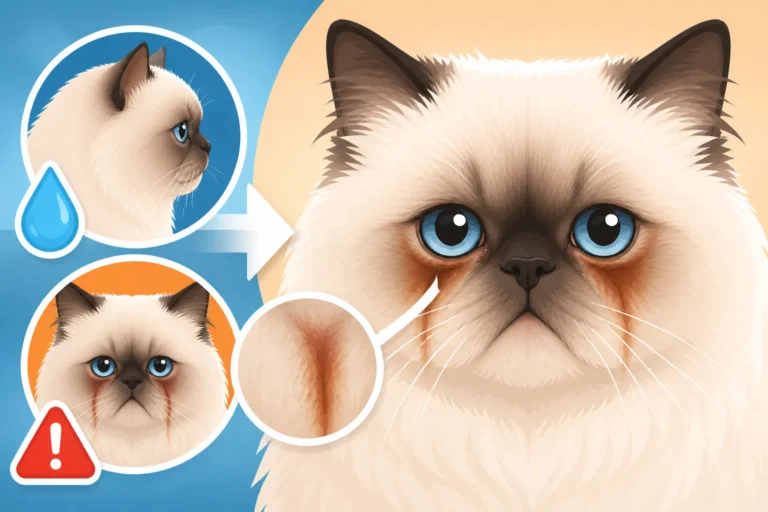
- Tear Staining: Himalayans, especially those with flatter "Peke faces" (as opposed to Doll Face or Peke Face Is the Himalayan Buyer's Real Decision), often have prominent tear staining around their eyes and nose folds. This is due to their brachycephalic (flat-faced) anatomy, which can lead to shallow eye sockets and sometimes blocked tear ducts, causing tears to spill over. This results in the characteristic reddish-brown streaks, but it's not strabismus. Find out more about Why a Himalayan's Eyes Water All Day.
- Retinal Atrophy: This is a genetic degenerative disease that affects the retina, leading to progressive blindness. It's an internal eye disease, not related to eye alignment.
While these conditions can affect a Himalayan's eyes, they are distinct from strabismus. If you are ever unsure about any eye symptom or change, the best course of action is always to consult your veterinarian. They can provide an accurate diagnosis and recommend appropriate treatment.
Can Strabismus Be Corrected in Himalayans?
For most Himalayans with congenital strabismus that doesn't cause functional vision problems or discomfort, surgical correction is generally not recommended. The misalignment is often a deep-seated neurological issue, not just a simple muscle imbalance that can be easily fixed. The goal of veterinary medicine is to improve quality of life, and if the strabismus is merely cosmetic, the risks and costs associated with surgery usually outweigh any potential benefits.
Surgical options, typically involving adjusting the extraocular muscles, exist for severe cases of strabismus in some animals. However, these procedures are complex, expensive, and require a veterinary ophthalmologist. For congenital strabismus in Himalayans, where the brain has already adapted to the visual input, surgery rarely improves vision and comes with anesthetic risks inherent to any feline surgery. The good news is that the vast majority of cross-eyed Himalayans live perfectly fulfilling lives, completely unaware that their gaze is considered "different" by human standards. It's truly a characteristic that many owners find endearing, adding to the unique personality of their beloved companion.
Understanding Himalayan Eye Characteristics
Here’s a quick overview of some common eye-related aspects you might encounter with your Himalayan, helping you distinguish between normal breed traits and potential concerns.
| Feature | Description | Cause | Commonality in Himalayans | When to See a Vet |
|---|---|---|---|---|
| Strabismus (Cross-Eyes) | One or both eyes turn inward (convergent). | Genetic link to the pointed gene, causing misrouted optic nerves in the brain. | High (especially mild forms) | If sudden onset, worsening, asymmetrical, or accompanied by other neurological signs. |
| Entropion | Eyelids roll inward, causing fur/lashes to rub against the cornea. | Genetic predisposition due to facial structure (brachycephalic). | Moderate | Immediate attention, as it causes pain, irritation, and can lead to corneal ulcers. |
| Tear Staining | Reddish-brown streaks below the eyes. | Brachycephalic facial structure leading to shallow eye sockets, potential tear duct blockage, or excessive tear production. | Very High | If sudden increase, discharge color change (yellow/green), or signs of irritation/pain. |
| Retinal Atrophy | Degeneration of the retina, leading to progressive vision loss. | Genetic (Persian heritage), causes the light-sensing cells of the retina to deteriorate. | Varies by line; check breeder tests | If your cat shows signs of bumping into things, hesitation in low light, or dilated pupils. |
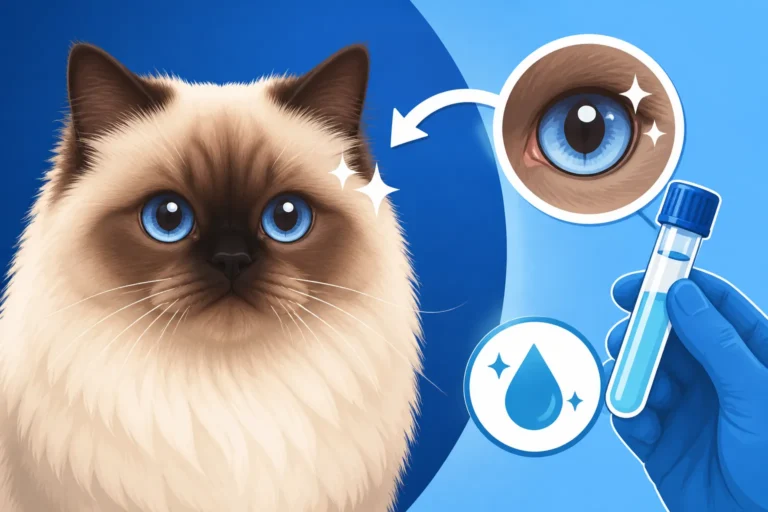
| Blue Eyes | Intense, vivid blue eye color. | Directly linked to the gene responsible for the pointed coat pattern. | Universal | N/A (this is a normal, defining breed trait). |
Disclaimer
The information provided in this article is for general informational purposes only and is not intended as a substitute for professional veterinary advice. Always consult with a qualified veterinarian for any health concerns or before making any decisions related to your pet's health and treatment.