Why a Himalayan Runs on Its Own Timetable
It’s a common misconception that all cats operate on the same hyperactive, nocturnal schedule, pouncing on your feet at 3 AM or demanding breakfast the moment the sun peeks over the horizon. If you’ve welcomed a fluffy Himalayan into your home, you’ve likely quickly discovered this simply isn’t true for them. This guide will explore why your Himalayan seems to run on its very own unique, often wonderfully unhurried, timetable, and how you can best appreciate their distinct rhythm.
Understanding the Himalayan's Unique Internal Clock
When you live with a Himalayan, you quickly learn that their schedule is less about a frantic rush and more about a gentle, deliberate pace. They aren't the kind of cat to endlessly zoom through the house or scale every bookshelf. Their internal clock is a fascinating blend of their ancestral heritage, shaping a creature that moves through life with a particular grace and, dare I say, a touch of regal indifference to human notions of urgency. It’s a timetable built for comfort, contemplation, and occasional, charming bursts of activity.
The Persian Influence on Their Pacing
Let's be honest, the vast majority of a Himalayan's physical traits, from that gorgeous long coat to their distinctive cobby body, come directly from their Persian ancestors. And with that physical legacy comes a significant behavioral one: the Persian's renowned calm and dignified demeanor. Persians are, by nature, loungers. They are built for luxury, for finding the warmest sunbeam or the softest cushion, and settling in for a long, undisturbed nap. This isn't laziness; it's a profound appreciation for comfort and tranquility. Your Himalayan has inherited this deep-seated inclination towards a more sedate lifestyle. You'll often find them observing the world from a favored spot, rather than actively participating in every commotion. This means their "active" periods are often punctuated by long stretches of serene repose, a direct nod to their Persian lineage. They prioritize restful energy, saving their more spirited moments for when they truly feel inspired.
This isn't to say they are unresponsive; quite the opposite. A Himalayan is very aware of its surroundings, even when appearing completely dormant. They're processing, absorbing, and deciding if any given event warrants their personal intervention. A rustling bag might elicit a slow blink, a new scent might spark a deliberate stretch, but rarely does it trigger a frantic dash. This measured response is a hallmark of the Persian side, teaching them to react with consideration rather than impulse. If you’re used to more boisterous breeds, this quiet confidence can take some getting used to, but it’s an integral part of their charm. They embody a serene presence, a living, breathing testament to the idea that sometimes, the best action is simply to be.
The Echo of Siamese Urgency, Softened
Now, while the Persian certainly provides the dominant genetic blueprint for their calm temperament, we can't forget the Siamese influence that gives them their stunning color points and those captivating blue eyes. The Siamese are famously vocal, energetic, and highly social cats, known for their relentless curiosity and direct communication. You might think, given this, that Himalayans would be bouncing off the walls. However, in the careful genetic blending that created the Himalayan, that raw Siamese energy has been wonderfully softened, tempered by the Persian's placid nature. What remains is a delightful echo: a conversational chirp, a curious gaze, an intelligent engagement that isn't quite as demanding as their Siamese forebears.
So, while your Himalayan won't be as boisterous as a purebred Siamese, you might notice those brief flashes of Siamese personality. Perhaps it's a sudden, playful pounce on a toy mouse, or a moment of vocal inquiry when you enter the room. These are the sweet, diluted whispers of their Siamese heritage. They have the capacity for play and interaction, but it's deployed on their own terms, at their own chosen moment. They might follow you from room to room with a silent, purposeful gait, more observer than active participant, or offer a quiet meow when they want something specific. The Himalayan Is a Lap Cat That Answers Back speaks volumes about this blend – they offer affection and interaction, but always with that characteristic Himalayan grace and decision-making. They choose when to engage, making those moments all the more precious.
How Their Physiology Dictates Activity Levels
Beyond genetics, the Himalayan's unique physical makeup plays a huge role in why they operate on their own distinct schedule. That gorgeous, dense Persian coat, combined with their somewhat stocky, cobby body type and often brachycephalic (flattened) face, means they are not built for sustained athletic endeavors. Imagine trying to run a marathon in a fur coat – that's a bit how a Himalayan might feel if they pushed themselves too hard. They simply overheat faster than other breeds, and their breathing can become labored with intense exertion. This physical reality means their bodies instinctively regulate their activity, encouraging shorter bursts of play followed by ample rest.
Their flat faces, a defining characteristic that many adore, can contribute to respiratory considerations. While many Himalayans breathe perfectly well, extreme brachycephaly can sometimes lead to noisy breathing and a reduced capacity for cooling through panting. This isn't meant to cause alarm, but it's a real factor in their energy expenditure. Why a Himalayan Snores Louder Than Its Siamese Ancestors offers insight into these considerations. These physical traits mean your Himalayan will naturally avoid prolonged periods of high activity. They conserve their energy, moving with a deliberate elegance, choosing their moments for play or exploration carefully. It’s not about being "lazy"; it’s about their body's intelligent self-preservation, ensuring they stay comfortable and healthy.
The Art of the Himalayan Nap: Why They Prioritize Rest
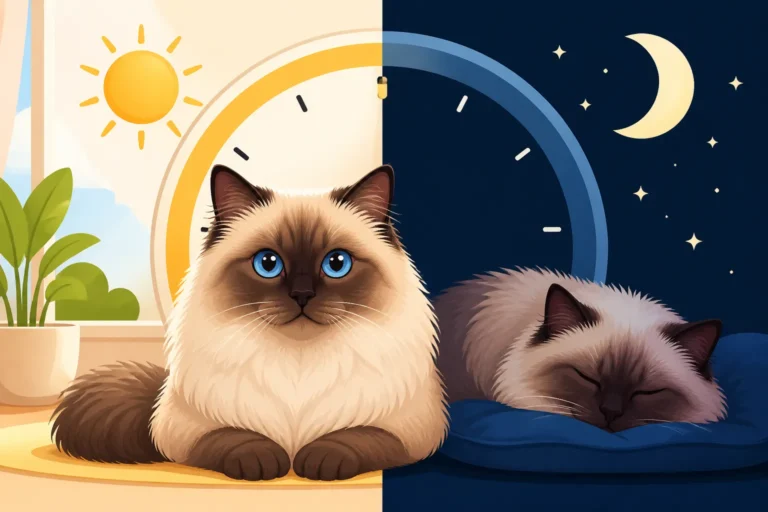
If there’s one activity Himalayans have mastered, it’s napping. They truly elevate it to an art form, demonstrating an innate understanding of comfort, optimal napping conditions, and the profound benefits of a good snooze. This isn't just about sleeping away the hours; it's a fundamental aspect of their being, intertwined with their health, well-being, and unique personality.
Conserving Energy for Brief Bursts of Play
For many cats, play is a sustained activity – chasing, leaping, climbing for extended periods. For a Himalayan, however, playtime tends to be more like a series of delightful, if short-lived, mini-sprints. They might engage enthusiastically with a feather wand for a few minutes, batting at it with surprising agility, only to then flop down for a lengthy recovery nap. This pattern isn't due to a lack of interest, but rather an intelligent energy management system. Their thick coats, relatively short legs, and sometimes compromised airways mean sustained exertion can quickly lead to overheating and fatigue. So, they nap. A lot.
These naps aren't just for recovering from a particularly vigorous chase of a dust bunny. They are proactive energy conservation, ensuring that when the mood strikes for a little mischief or a playful interaction, they have the reserves to participate fully, if briefly. You'll observe them wake up, engage, and then return to their slumber with an almost philosophical acceptance of their body's needs. This rhythm is perfectly normal and healthy for them, and understanding it helps you avoid pushing them past their comfort zone. It's their way of keeping themselves balanced and ready for whatever short bursts of excitement the day might bring.
The Deep Sleep Cycle of a Longhaired Breed
Imagine wearing a permanent, luxurious fur coat, even indoors. While delightful for cuddles, it also means a higher body temperature and a greater need for efficient cooling. Himalayans often engage in deeper, longer sleep cycles, not just to rest their minds but also to regulate their internal temperature. Their dense undercoat acts like a personal blanket, excellent for warmth, but requiring careful management in warmer environments or during periods of activity. Sleeping helps their bodies cool down more effectively than being wide awake and active.
You might notice your Himalayan seeking out cooler spots for their naps – a tile floor, a shady corner, or even under a fan. These are instinctive behaviors to help them manage their internal thermostat. When they're deeply asleep, their metabolism slows, allowing their body to cool naturally. This isn't just a casual cat nap; it's a physiological imperative. Because their coat is so effective at insulation, they truly need these periods of deep rest to prevent overheating. Why a Himalayan Overheats Twice as Fast as a Siamese highlights this crucial aspect of their physiology, reinforcing why those extended naps aren't just a preference, but a vital part of their care.
Finding the Perfect Nap Spot: A Daily Quest
For a Himalayan, a nap isn't just any nap; it's a strategically chosen, perfectly executed relaxation session. They are connoisseurs of comfort, and finding the ideal nap spot is a serious daily endeavor. This spot must meet several criteria: it must be soft (preferably a plush bed or a specific spot on the sofa), often elevated just enough to observe their kingdom without effort, and crucially, it must be the right temperature. Too warm, and they'll move. Too chilly, and they'll find a sunbeam. They’re like furry, discerning interior decorators, constantly optimizing their environment for peak comfort.
You'll quickly learn their favorite spots, which often become their designated territories. They might have a specific cushion on the sofa, a particular cat bed in a quiet corner, or even a spot on your bed that they claim as their own. Disrupting these chosen nap zones can lead to a mild, though usually silent, protest in the form of a slow, deliberate relocation. Why a Himalayan Claims One Chair and Keeps It beautifully captures this territorial aspect of their comfort-seeking. They understand that a truly restorative nap requires the perfect ambiance, and they are unapologetic in their pursuit of it. Observing their meticulous selection process can be quite endearing, as it underscores their deep appreciation for peace and quiet.
Mealtime as a Sacred Ritual, Not a Mere Necessity
For many cats, mealtime is a frantic affair, a race to the bowl, a guttural cry for sustenance. For a Himalayan, it's more of a predictable, important ceremony, woven into the fabric of their day with quiet expectation. They appreciate routine and precision, and their unique physiology influences how they approach their food.
The Himalayan's Expectation of Routine
Himalayans thrive on routine. Seriously, they practically invented the concept. When it comes to meals, they expect things to happen at roughly the same time, in the same place, and in the same manner, every single day. If you've ever been a few minutes late with dinner, you've likely experienced the subtle, yet potent, disapproval of a Himalayan. It might be a persistent stare, a quiet pat with a soft paw, or a gentle meow that gradually increases in intensity. They aren't throwing a tantrum; they're simply reminding you that the sacred schedule has been breached, and adjustments must be made.
This isn't about hunger alone. It’s about order, predictability, and the comfort that comes from knowing exactly what to expect. A disrupted feeding schedule can genuinely unsettle them, leading to a noticeable shift in their demeanor until the equilibrium is restored. They form strong habits around their meals, and these habits become deeply ingrained. Why a Himalayan Expects to Be Fed at the Same Hour details just how much they value this punctuality. Establishing a consistent feeding routine from day one is one of the kindest things you can do for your Himalayan, as it contributes significantly to their overall sense of security and contentment.
The Gentle, Persistent Nudge for Dinner
Unlike some breeds that will scale your legs or howl mournfully at the pantry door, a Himalayan's method of reminding you it's mealtime is typically far more refined. Their approach is one of gentle, yet utterly persistent, persuasion. You might find them sitting quietly near their food bowl, gazing up at you with those deep blue eyes, occasionally offering a soft "mew." If ignored, the intensity of the gaze might increase, perhaps accompanied by a slow, deliberate blink. They might then lead you to the kitchen, stopping just short of their dish, looking back to ensure you're following.
This isn't aggression or desperation; it's a sophisticated form of non-verbal communication, patiently guiding you to understand their needs. They truly believe in their routine, and they are confident that you, their devoted human, will eventually fall into line. It's endearing to watch them "herd" you towards the food, utterly convinced of the righteousness of their cause. They rarely resort to loud demands, preferring a calm, collected approach that, surprisingly often, gets the job done without you even realizing you've been subtly manipulated. It’s a testament to their intelligence and their understanding of their human companions.
Why a Flat Face Needs a Specific Eating Experience
The adorable flat face of a Himalayan, while undeniably charming, presents some unique challenges when it comes to eating. Their shortened jaws and broad heads mean that typical deep, round cat bowls can be difficult and uncomfortable for them to use. They might struggle to reach food at the bottom, or their sensitive whiskers might brush uncomfortably against the sides of the bowl. This can lead to frustration, messy eating, and even a reduced appetite if the experience is consistently unpleasant. It's a very real problem, and one that observant owners quickly learn to address.
This is why specialized bowls are not just a luxury, but a necessity for many Himalayans. Shallow, wide bowls, or even tilted ceramic dishes, allow them to access their food more easily without bending their whiskers or straining their necks. You might find excellent options on Amazon, designed specifically for brachycephalic breeds, which can make a world of difference. When you see your Himalayan eating comfortably, with less food pushed out of the bowl, you'll understand the importance of this simple adaptation. Which Feeders a Flat Faced Himalayan Can Physically Use delves into the specific design elements that make a bowl suitable for your cherished flat-faced friend, ensuring mealtime is a pleasure, not a struggle.
Playtime on Their Terms: Short, Sweet, and Spherical
Forget the marathon play sessions of a high-energy Siamese or an athletic Abyssinian. Your Himalayan’s playtime is a more curated experience, dictated by comfort, attention span, and a healthy respect for their physical limitations. When they play, it’s often a delightful, gentle affair, but always on their terms.
The Brief Window of High Energy
You'll notice that your Himalayan's most energetic periods are often brief. One minute they might be batting at a toy mouse with surprising vigor, executing a dramatic pounce and a few playful rolls. The next minute, they might be sprawled on the floor, panting ever so slightly, or simply watching the toy with a contented, but clearly 'done with that for now' expression. This isn't them being lazy; it's their body telling them it's time for a break. Their heavy coats and potentially compromised breathing mean they can tire and overheat quickly.
Understanding this brief window is key to successful play. Aim for multiple short play sessions throughout the day, rather than one long, exhausting one. Five to ten minutes of focused, engaging play is often more than enough to satisfy their predatory instincts without overtaxing them. How Soon a Himalayan Kitten Runs Out of Breath is an excellent resource for understanding this innate characteristic from a young age. When they walk away, or plop down for a rest, respect that signal. Pushing them too hard can lead to discomfort and make them less inclined to play with you in the future. It’s all about quality over quantity, tailored to their unique physical needs.
Preferring Observation Over Exertion
Many cats are active participants in play, constantly chasing, leaping, and wrestling. Himalayans, however, often prefer to be keen observers. They might watch a feather wand swooping through the air with intense focus, their blue eyes tracking every movement, tails twitching almost imperceptibly. They're processing, analyzing, and perhaps even planning their single, perfect pounce. This analytical approach to play is a characteristic trait; they’re less about constant motion and more about strategic engagement.
You'll find them content to simply watch you move a toy, deriving enjoyment from the visual stimulation alone. When they do decide to engage, it’s often a deliberate, almost theatrical move – a slow stalk, a sudden, powerful swat, and then a quick retreat to their observation post. This preference for watching before acting stems from their Persian heritage, emphasizing calm contemplation. Don’t mistake their stillness for disinterest; their minds are often fully engaged, even if their bodies are largely at rest. Providing toys that encourage this kind of focused observation, like a laser pointer (used carefully) or a string toy you manipulate, can be highly rewarding for both of you.
The Importance of Appropriate Toys and Play Style
Given their physical characteristics, selecting the right toys and adopting an appropriate play style is crucial for a Himalayan. Fast, darting toys that require extensive running or jumping might quickly frustrate them or lead to overheating. Instead, think about toys that encourage short, focused bursts of activity or offer mental stimulation without excessive physical exertion. Feather wands, for example, are often a big hit, as they allow for close-range batting and pouncing without demanding a full-room chase.
Puzzle feeders, especially those designed for flat-faced breeds, can provide excellent mental enrichment, encouraging them to 'hunt' for their treats using their wits rather than their athleticism. Look for wider, shallower designs on Amazon to accommodate their unique facial structure. Balls that are easy to pick up and carry (or bat around while lying down) are also good choices. The key is to engage their minds and their natural hunting instincts in a way that respects their body. Which Wand Toys a Himalayan Can Actually Follow offers great tips on selecting toys that truly resonate with a Himalayan's play style, ensuring they get the most enjoyment out of their playful moments.
Social Interactions: The Gentle Approach to Affection
Himalayans are incredibly loving cats, but their approach to social interaction is as unique as their nap schedule. They’re not usually the type to demand constant attention or overwhelm you with effusive greetings. Instead, their affection is expressed through subtle cues, quiet presence, and a deep appreciation for shared space.
Choosing Their Moments for Cuddles
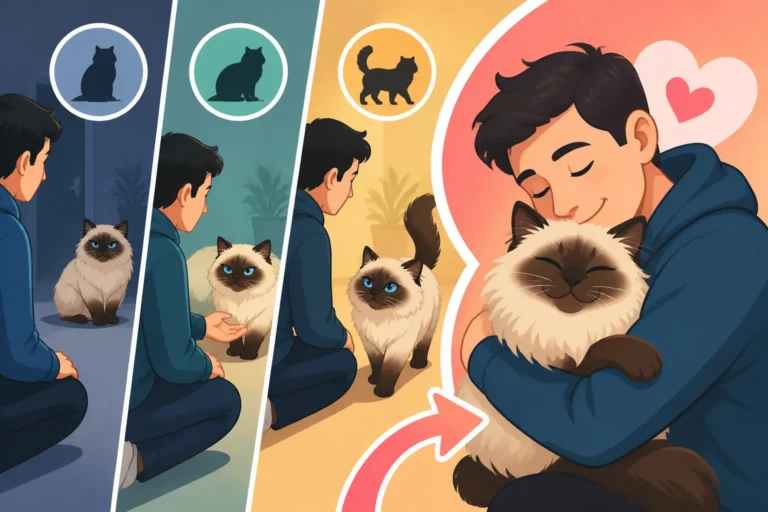
Unlike some cat breeds that are perpetually on your lap, a Himalayan generally chooses its moments for physical affection. When they do decide to bestow their cuddles upon you, it feels like an honor. You might find them quietly jumping onto the sofa and settling beside you, perhaps leaning gently into your side, or even, if you’re lucky, climbing onto your chest for a warm, purring embrace. These moments are initiated by them, and their duration is entirely at their discretion. They value independence but deeply appreciate connection.
They’re not aloof; they’re discerning. They want to be close to you, but often on their own terms. If you try to force affection when they're not in the mood, you might be met with a slow blink and a gentle shift away, rather than an aggressive swat. This teaches you to respect their boundaries and cherish the times they do seek you out. Why a Himalayan Sits Against You Rather Than On You perfectly describes this nuanced preference for closeness without constant direct contact. Their affection is a quiet, steady flame, burning warmly in the background of your daily life.
The Quiet Company They Offer
One of the most profound joys of living with a Himalayan is their ability to offer quiet companionship. They are masters of simply being in the same room as you, providing a comforting, serene presence without demanding your constant engagement. Whether you’re working at your desk, reading a book, or watching television, your Himalayan is often content to curl up nearby, perhaps in a favored chair or a soft bed, simply enjoying your presence. Their stillness is not a sign of disinterest, but rather a deep, calm connection.
They understand the beauty of shared silence. There’s no pressure for constant interaction; just the comforting knowledge that they are there, a soft, purring anchor in your busy life. This makes them ideal companions for those who appreciate a peaceful home environment. They don’t interrupt, they don’t demand, they simply are. This quiet companionship often deepens the bond you share, as it’s built on mutual respect for space and a shared sense of tranquility. It's a truly special connection, free from frantic demands.
Respecting Their Need for Personal Space
While loving, Himalayans definitely appreciate their personal space. They aren't generally fans of being constantly picked up, restrained, or subjected to unsolicited belly rubs (unless, of course, they initiate it, which is rare!). They prefer to come to you when they're ready for interaction, and they expect their chosen resting spots to remain undisturbed. This respect for their autonomy is crucial for building a trusting relationship with your Himalayan. Think of them as gracious hosts in their own home; they welcome your presence but expect you to observe the unspoken rules of their domain.
If they retreat to a quiet corner or a high perch (even if it's just a sturdy cat tree platform, as Why a Cobby Himalayan Needs Wide Platforms, Not Tall Ones suggests), understand that they're seeking solitude, not rejecting you. They need these moments of quiet retreat to recharge and feel secure. Forcing interaction can break that trust and make them more wary of you. Learning to read their subtle cues – a slow tail twitch, a gentle shift in body language, a half-closed eye – will help you understand when they're open to interaction and when they simply need to be left to their own peaceful devices. This respect fosters a deep, lasting bond based on mutual understanding.
Adapting Your Home to Their Rhythms
Successfully coexisting with a Himalayan means more than just feeding and grooming them; it means subtly adjusting your living space and habits to complement their unique timetable. Creating an environment that caters to their comfort, quiet dignity, and occasional bursts of gentle activity will make both your lives richer.
Creating Zones for Rest and Observation
Given their love for comfort and their preference for observing rather than constantly engaging, it’s vital to create dedicated "zones" within your home where your Himalayan can truly relax and watch the world go by. This means more than just a single cat bed. Think about strategically placed, soft sleeping spots in different rooms, allowing them to follow the sunbeams or the quietest corners of the house throughout the day. A plush cat tree or a sturdy, low-to-the-ground cat condo provides elevated vantage points for observation without requiring strenuous climbing.
These zones should ideally be away from high-traffic areas where they might be constantly disturbed. A cozy bed by a sunny window, a soft blanket draped over a quiet armchair, or even a dedicated spot on your sofa will be highly appreciated. Remember, they are masters of comfort. Providing options allows them to choose their optimal spot based on temperature, light, and ambient noise. Why a Himalayan Sits Where the Floor Is Coldest and Why a Himalayan Moves Rooms as the Sun Does are great insights into their discerning preferences for climate control and light exposure, guiding you in creating these perfect zones.
Minimizing Disruptions to Their Schedule
Once you understand your Himalayan's routine – their favored nap times, their predictable meal anticipation, their brief play windows – you can make conscious efforts to minimize disruptions. This isn't about tiptoeing around your home, but rather about thoughtful planning. If you know they enjoy a quiet nap in the late afternoon, perhaps schedule your vacuuming for another time, or direct it away from their chosen sanctuary. If they expect dinner at 5 PM, try to be consistent, as discussed earlier.
Even small changes can be noticeable to a Himalayan, so gradual introductions of new objects, people, or routines are always best. How Long a Himalayan Takes to Accept a Change reveals their sensitivity to shifts in their environment. While life happens, and disruptions are sometimes unavoidable, your efforts to maintain a predictable rhythm will significantly contribute to their overall happiness and sense of security. They thrive on knowing what to expect, and a stable environment allows them to fully relax into their unique timetable.
Providing Comforts for Their Unique Needs
Beyond beds and quiet zones, there are specific comforts that cater directly to a Himalayan's unique physical characteristics. For instance, their thick coats mean they are more susceptible to overheating. During warmer months, ensure they have access to cooler areas, and consider a cooling mat available on Amazon, which they might appreciate, especially if it's placed in one of their favored nap spots. How to Cool a Long Coated Himalayan in Summer offers practical tips for keeping them comfortable.
Given their flat faces, specific grooming tools are essential. Wide-toothed metal combs are indispensable for managing their dense Persian coats, preventing mats and tangles. They also benefit from daily facial wipes to clean tear stains and keep their nose folds dry. Consider elevated food and water bowls to make eating and drinking more comfortable, preventing whisker fatigue and neck strain. These small but significant considerations show your Himalayan that you understand and respect their distinct needs, making their life, and yours, much more harmonious.
When the Timetable Shifts: Recognizing Signs of Trouble
While Himalayans are creatures of routine, it's important to differentiate their natural rhythms from sudden, concerning changes. A departure from their usual timetable, especially if it's abrupt or prolonged, can be a subtle but critical indicator that something might be amiss with their health or well-being. Their quiet nature means they often hide discomfort, so being observant is key.
A Sudden Change in Sleep Patterns
If your normally sleepy Himalayan suddenly becomes restless at night, pacing and vocalizing when they would usually be in a deep slumber, or conversely, if they become even more lethargic and less responsive than usual during their awake periods, it's a red flag. A slight adjustment might be normal, perhaps due to a change in temperature or light, but a drastic shift warrants attention. Are they suddenly unable to settle? Are they panting excessively during rest? These could indicate pain, discomfort, or an underlying health issue.
Similarly, an increased demand for naps, or a profound reluctance to even rouse for food or a favorite toy, could be concerning. Why a Himalayan Hides Illness Behind an Expressionless Face is a crucial reminder that their stoic nature often masks symptoms. A prolonged shift in their established sleep-wake cycle means their comfort and routine are being disturbed, and pinpointing the cause is important. Consult your vet if these changes persist, as early detection can make a significant difference in treatment outcomes.
Loss of Interest in Food or Play
A Himalayan might be particular about their food, but a complete or significant loss of appetite is rarely a good sign. If your cat, who normally anticipates their meals with quiet dedication, suddenly turns their nose up at their favorite wet food, or only picks at it half-heartedly for an extended period, it's a strong indicator of potential illness. Similarly, if they refuse to engage in even their brief, beloved play sessions, ignoring their favorite wand toy or a crinkly ball, it suggests a lack of energy or discomfort.
Sometimes, they might show interest in food but struggle to eat it, dropping kibble or making unusual chewing motions. This could point to dental problems, which are not uncommon in flat-faced breeds. Or perhaps they attempt to play but quickly tire, which could indicate respiratory or cardiac issues. Any marked deviation from their normal engagement with food and play, lasting more than a day or two, should prompt a call to your veterinarian. It’s a direct signal that their internal timetable is being disrupted by something more serious than a simple mood.
Altered Social Behavior as a Warning Sign
Your Himalayan's usual social rhythm is subtle, but consistent. They have their preferred proximity, their chosen moments for a gentle head bunt, or their habit of sleeping on your chest. If you notice a significant change in these patterns – perhaps they become unusually withdrawn, actively hiding when you enter the room, or even snapping or hissing when previously gentle – it's a clear signal that something is wrong. Conversely, an unusual clinginess or demand for attention might also indicate they’re not feeling well and are seeking comfort.
Changes in their voice, if they are typically vocal, or a sudden silence if they usually chirp, can also be telling. Their routine is often intertwined with their interactions with you, and a disruption there speaks volumes. Observe for any changes in their grooming habits too; a sudden lack of self-grooming can indicate pain, lethargy, or a matting issue they can no longer handle. If your usually serene companion suddenly seems agitated, fearful, or markedly different in their social cues, it’s a critical sign that their equilibrium is off, and a veterinary check-up is in order.
The Joy of Living on Himalayan Time
Embracing the unique timetable of your Himalayan is truly one of the most rewarding aspects of sharing your life with these magnificent cats. It's an invitation to slow down, appreciate the quiet moments, and learn a different rhythm of life. Once you attune yourself to their pace, you unlock a deeper connection and a more peaceful household.
Embracing Their Laid-Back Lifestyle
Living with a Himalayan encourages a more laid-back approach to life, not just for them, but for you too. You learn to appreciate the serene atmosphere they create, the quiet purr from a nearby sofa cushion, and the unhurried grace of their movements. Their lifestyle is a gentle reminder that not everything needs to be rushed or intensely active. There is profound joy in stillness, in observation, and in simply being present. You might find yourself naturally adopting a slower pace, enjoying more quiet evenings at home, and taking more time to simply be with your companion.
Their preference for calm helps to create a tranquil home environment, a sanctuary from the bustle of the outside world. They become a grounding presence, inviting you to share in their peaceful existence. This isn't just about adapting to your cat; it's about discovering the unexpected benefits of a more relaxed way of living. It's a gift they give you, teaching you the value of a perfectly executed nap or a moment of contented stillness.
The Deep Bond Formed by Understanding
When you take the time to truly understand and cater to your Himalayan's unique timetable, the bond you form becomes incredibly deep and nuanced. You learn to read their subtle cues – the almost imperceptible tail twitch, the slow blink of contentment, the softest "mew" that signals a need. This understanding fosters a profound sense of trust and mutual respect. They recognize your efforts to make them comfortable, and they respond with unwavering affection and loyalty, expressed in their own quiet way.
This bond isn't built on grand gestures or constant demands, but on the quiet moments of shared space, the predictable routines, and the unspoken language of companion animal communication. You become fluent in "Himalayan," and they, in turn, grow to trust your understanding of their needs. What an Old Himalayan Will Still Get Up For emphasizes this enduring connection, showing that even as they age, their unique routines and comforts remain central to their bond with you. It’s a partnership built on empathy and attunement, leading to a truly harmonious relationship.
A Reminder of the Quiet Pleasures
In a world that often celebrates speed, noise, and constant activity, your Himalayan is a beautiful, fluffy reminder of the quiet pleasures. They teach us the joy of a sunbeam, the comfort of a soft blanket, the satisfaction of a good meal, and the profound peace of an undisturbed nap. Their timetable is a testament to mindful living, to savoring each moment, and to finding contentment in simplicity.
They don't need elaborate adventures or constant entertainment to be happy; they find joy in the familiar, the comfortable, and the consistent. And by sharing their life, you, too, learn to appreciate these often-overlooked joys. So, next time your Himalayan is enjoying a long, luxurious nap, or gently guiding you towards their dinner bowl, take a moment to embrace their unique rhythm. It’s not just their timetable; it's an invitation to a more peaceful, contented way of life, filled with the quiet, profound love of a truly special feline companion.
Disclaimer
This article is for general informational purposes only and does not constitute professional advice. Laws, prices and regulations vary by location and change over time. Consult a qualified professional for guidance on your specific situation.