How a Himalayan Reacts When Its Routine Breaks
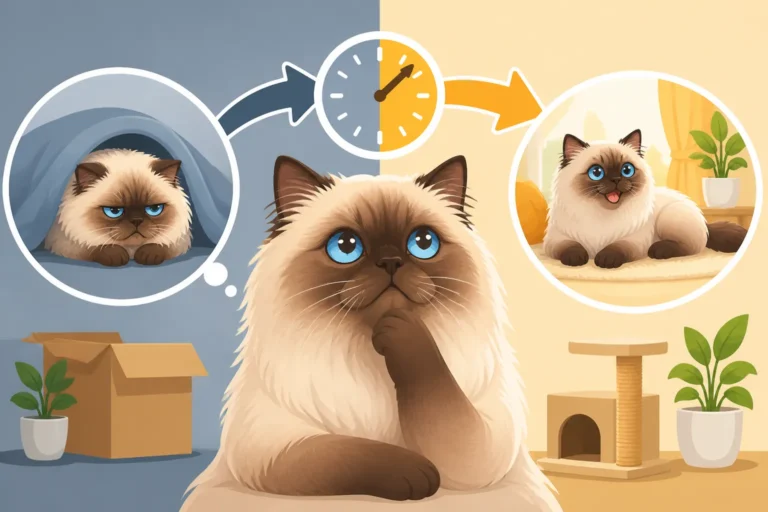
Oh, the delicate dance of daily life with a Himalayan cat! We all know that these beautiful, serene creatures thrive on predictability, and even the smallest deviation from their usual rhythm can send their carefully constructed world into a tailspin. If you've ever found yourself wondering why your usually calm Himmie is suddenly acting out, refusing food, or hiding, chances are their routine has been broken. This guide will delve into the subtle (and sometimes not-so-subtle) ways a Himalayan reacts to changes and offer practical advice to help you restore their sense of security.
The Himalayan's Deep Need for Predictability
It’s easy for us humans to shrug off a schedule change or a new piece of furniture, but for a Himalayan, these seemingly minor shifts can feel like major earthquakes. Their world revolves around a predictable rhythm, and when that rhythm is disrupted, it genuinely causes them distress.
Why Routine is More Than Just Habit for Himalayans
For a Himalayan, routine isn't just a convenient habit; it's a fundamental pillar of their emotional well-being and sense of safety. Think about it: they're a unique blend, inheriting the keen intelligence and sensitivity of their Siamese ancestors along with the calm, comfort-seeking nature of their Persian lineage. This combination means they are highly observant of their environment and the patterns within it. They mentally map out their day, from the exact moment their breakfast appears to the specific chair you always occupy for your evening reading.
When a part of this internal map goes awry, it creates anxiety. It’s not just a preference; it’s a deeply ingrained need for stability. You might think it's just a cat, but for a Himmie, their routine is their comfort. They thrive on knowing what comes next, when it comes next, and who will be there for it. Anything that deviates from this familiar script can quickly escalate their stress levels, often leading to behaviors that might seem puzzling or even frustrating to us if we don't understand the root cause.
Identifying Key Routine Elements for Your Himalayan
So, what exactly constitutes a Himalayan's "routine"? It's far more encompassing than just meal times. For these discerning cats, it includes a whole tapestry of daily events and environmental constants. Think about the precise hours their meals are served, the sequence of their daily grooming session, which might involve a specific brush in a certain order. It encompasses their preferred playtime rituals, the designated spots where they love to nap in a particular room, and even the predictable presence (or absence) of their human companions throughout the day.
Even seemingly tiny details can be crucial. Perhaps you always turn out the living room light at 9 PM, or you always sit on the left side of the sofa. Your Himalayan notices these things. They recognize the sound of your car, the jingle of your keys, and the particular tone of voice you use when you greet them. Any alteration to these established patterns can be disorienting. For instance, if you suddenly start working from home after years of commuting, your Himmie might initially struggle with your constant presence, or conversely, if you return to the office, they might become distressed by your absence. It's truly a testament to their sensitive nature that even these small, human-centric changes can ripple through their world. Your Himalayan lives on a schedule of its own making, as we explore in Why a Himalayan Runs on Its Own Timetable.
Common Disruptions and Immediate Reactions
When that carefully constructed routine begins to unravel, your Himalayan will often display immediate, albeit sometimes subtle, reactions. Understanding these common disruptions and their associated behaviors can help you intervene quickly and compassionately.
Changes in Feeding or Water Schedule
Food and water are primary anchors in any cat's life, but for a Himalayan, consistency in these areas is paramount. If their meal times suddenly shift, or if the way they eat or drink changes, you might notice some immediate and quite visible reactions. Your Himmie might refuse to eat altogether, staring pointedly at their bowl as if it has personally offended them. They might paw at the bowl, even if it's full, as if to say, "This isn't right, human!"
Excessive meowing, even from typically quieter Himalayans, can be a sign of distress over altered feeding times. They might wander around the kitchen, looking for you, or even try to nudge your hand towards the food cupboard. Beyond timing, even the type of bowl can be an issue for their unique facial structure; if you switch from a shallow, wide dish to a deeper, narrower one, they might struggle to eat comfortably. This physical challenge, combined with a changed timing, adds another layer of stress. Remember, their flat faces mean that Feeding a Himalayan That Cannot Reach Into a Deep Bowl is a real concern, and a new bowl, even if it holds the same food, can be deeply unsettling if they can't access it properly. They rely on these predictable, comfortable rituals to feel secure, and disrupting them can create genuine anxiety.
Alterations in Grooming or Comfort Spots
Grooming isn't just about looking good for a Himalayan; it's a vital part of their daily self-care and interaction with you. If their regular grooming session is missed, rushed, or performed by someone unfamiliar, they might react by hiding under furniture, making themselves scarce when the comb comes out, or outright resisting being handled. A missed grooming session can quickly lead to painful mats, and the discomfort from these can exacerbate their stress, leading to a vicious cycle. Conversely, some stress-groomers might lick themselves excessively, creating bald patches.
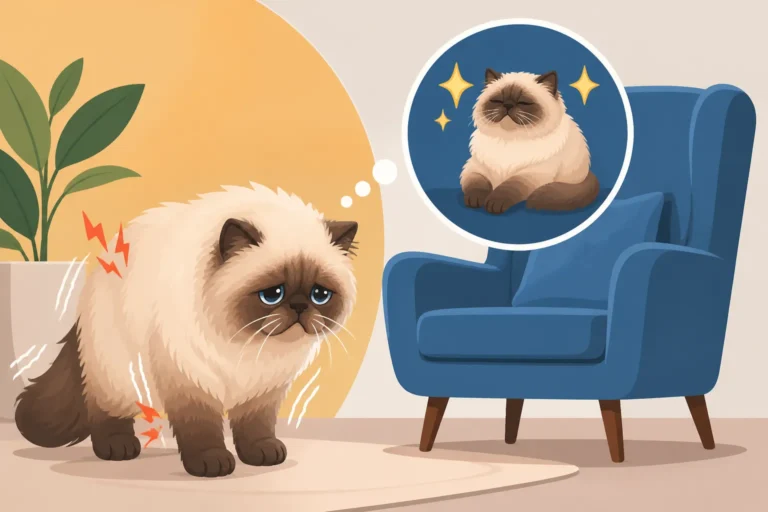
Their comfort spots are equally sacred. Himalayans are creatures of comfort, often choosing specific high-backed chairs, sunbeams, or cozy blankets as their designated napping zones. If their favorite spot is suddenly occupied by a guest, moved to another room, or worse, removed entirely, you’ll notice a distinct shift. They might wander aimlessly, looking confused, or settle in a less secure, more exposed area, indicating their discomfort. They may even become agitated or defensive if another pet tries to occupy "their" spot. This displacement can profoundly impact their sense of security within their own home.
Shifts in Your Presence or Household Noise
Our presence in the home is often the biggest, yet least considered, part of a Himalayan's routine. Whether you've shifted to a new work schedule, brought in houseguests, or simply moved around your furniture, any change in the human landscape can throw your Himmie off. If you suddenly start spending more time out of the house, you might notice an increase in vocalization from your cat – crying, chirping, or even sustained meows – as they express their loneliness or confusion. Conversely, a sudden influx of guests or increased household noise might make a quiet Himalayan retreat into complete silence, becoming nearly invisible as they seek refuge from the unfamiliar hustle and bustle.
Moving furniture, even just rearranging a room, can be incredibly disorienting. Their internal map of the house, which includes every piece of furniture, is suddenly wrong. They might walk around cautiously, sniffing everything, or even bump into objects in their confusion. This can lead to increased hiding under beds or sofas, where they feel more secure, or a general reluctance to interact. They might choose to sit where the floor is coldest, just seeking some calm. Why a Himalayan Sits Where the Floor Is Coldest becomes less about preference and more about seeking a quiet, cool refuge from a world that suddenly feels too loud or unpredictable. These shifts in your presence and the resulting environmental changes are deeply felt by your sensitive companion.
Subtle Behavioral Cues of a Stressed Himalayan
Himalayans aren't always dramatic when they're stressed. Often, their distress manifests in subtle shifts that are easy to miss if you're not attuned to their unique personality and baseline behaviors. Learning to read these quieter signals is key to helping them cope.
Changes in Vocalization and Interaction
While some Himalayans might become more vocal when stressed, others might paradoxically go quiet. A stressed Himmie might start meowing more frequently, perhaps with a more urgent, plaintive tone than usual, or they might begin chirping or chattering at objects that never bothered them before. They might even try to instigate more conversations with you, almost as if seeking reassurance. How Often a Himalayan Uses the Voice It Inherited can give you a baseline for what's normal for your specific cat.
On the flip side, a typically talkative Himalayan might become eerily silent, withdrawing into themselves. They might stop greeting you at the door or offering their usual soft chirps when you enter a room. In terms of interaction, you might find your usually affectionate Himmie suddenly becoming clingier, following you from room to room, seeking constant physical contact, or even trying to sit directly on you, rather than beside you. Conversely, they might become aloof, avoiding eye contact, refusing to come for cuddles, or retreating to a secluded spot where they prefer not to be disturbed, even by their favorite people. These changes are their quiet way of saying, "Something isn't right."
Shifts in Eating, Drinking, and Litter Box Habits
Disruptions in appetite are classic stress indicators. A stressed Himalayan might eat significantly less, merely picking at their food, or they might refuse it entirely for an extended period. This isn't just about being picky; it's a genuine loss of appetite due to anxiety. Some cats, much like humans, might actually stress-eat, consuming more food than usual in an attempt to self-soothe. Similarly, drinking habits can change. They might drink less water, increasing their risk of dehydration, or they might start seeking water from unusual places like dripping faucets or even the toilet, suggesting their regular water source suddenly feels "wrong" or unsafe. Why Extra Thirst in a Himalayan Points at Its Persian Half is often a sign of kidney issues, but it can also be a more general sign of physical or emotional distress if it's new behavior.
Perhaps one of the most disheartening, and often misunderstood, signs of stress is changes in litter box habits. This isn't your Himmie being spiteful; it's a clear signal of profound distress. They might start having accidents outside the litter box, choosing new, often inappropriate, spots to relieve themselves. This behavior indicates that their sense of security is so shaken that they can no longer adhere to their ingrained hygiene rituals. It's a cry for help, indicating that something in their environment or routine is deeply unsettling them, making them feel too vulnerable to use their regular facilities.
Grooming and Sleeping Pattern Alterations
Grooming is usually a meticulous, calming ritual for a Himalayan, but under stress, it can go one of two ways. They might cease grooming altogether, leading to a dull, unkempt coat and the rapid formation of painful mats. This neglect indicates a profound lack of energy or desire to maintain their usual standards, often stemming from deep unhappiness. On the other hand, some Himalayans might start over-grooming, compulsively licking and pulling out their fur, leading to bald patches on their belly, legs, or flanks. This is a common self-soothing behavior in stressed cats, a way to channel their anxiety into a repetitive action. If you notice Why a Himalayan Stops Grooming When It Is Unhappy, it's a clear alarm bell.
Sleeping patterns also offer clues. A stressed Himalayan might sleep much more than usual, retreating to quiet, out-of-the-way spots to escape their discomfort. They might choose new, less secure sleeping locations – perhaps a cupboard, under a bed, or a spot high up where they feel less accessible – indicating a heightened need for perceived safety and solitude. Conversely, a cat struggling with anxiety might experience disturbed sleep, waking frequently, pacing, or seeming restless even when attempting to rest. The quality and location of their sleep can tell you a lot about their internal state.
| Behavior Category | Normal Himalayan Behavior | Stressed Himalayan Behavior |
|---|---|---|
| Vocalization | Soft chirps, quiet trills, occasional gentle meows | Excessive meowing, plaintive cries, sudden silence |
| Interaction | Affectionate, enjoys lap time, curious | Clingy, withdrawn, avoids contact, becomes irritable |
| Appetite | Eats consistently at set times, clears bowl | Refuses food, picks at food, eats excessively, stress-eats |
| Hydration | Drinks regularly from familiar bowl | Drinks less, seeks water from unusual sources |
| Litter Habits | Uses litter box reliably | Accidents outside the box, changes preferred box |
| Grooming | Meticulous self-grooming, well-kept coat | Under-grooms (mats), over-grooms (bald spots), dull coat |
| Sleep | Sleeps in familiar, secure spots, relaxed posture | Sleeps more/less, restless, hides in unusual sleep spots |
| Body Language | Relaxed, tail up, ears forward, slow blinks | Crouched, flattened ears, dilated pupils, tense body |
Strategies for Re-establishing Stability
Once you’ve identified that your Himalayan is reacting to a broken routine, the next step is to gently and thoughtfully guide them back to a state of calm and security. Patience is absolutely crucial here.
Gradual Introduction of Changes
When change is inevitable, the best approach is often a slow, gradual one. Let's say you're getting a new piece of furniture. Instead of just bringing it in and setting it up, try introducing it to their space gradually. Perhaps you keep it in another room for a few days, letting your Himmie sniff around it and get used to its scent from a distance. Then, you might move it into the main room but keep it covered for a day or two before fully revealing it. During this process, always offer positive reinforcement – treats, gentle praise, or a favorite toy – near the new item.
The same applies to new people. Instead of overwhelming your cat with a boisterous gathering, have guests meet your Himalayan one-on-one, in a quiet setting. Ask them to sit calmly, allow the cat to approach them, and offer a treat. If you're changing meal times, shift them by just 5-10 minutes each day over a week or two, rather than an abrupt, hour-long change. Creating "safe zones" for your Himalayan during any transition is also incredibly helpful. This could be a carrier with a familiar blanket, a secluded cat tree, or a quiet room where they can retreat and feel undisturbed as they process the changes around them.
Providing Familiar Comforts and Enrichment
In times of stress, your Himalayan will lean heavily on anything that feels familiar and safe. Make sure their favorite blankets, those soft, worn ones that smell exactly like home, are readily available in their preferred napping spots. Don't wash them too frequently during a period of change, as their scent is a powerful comforter. Keep their most cherished toys easily accessible – those crinkly balls, feather wands, or felt mice that spark joy. Engaging in familiar play routines, even for just a few minutes, can be incredibly reassuring. A predictable play session, perhaps with one of their favorite Which Toys Get a Himalayan Off the Sofa, can help them release pent-up anxiety and reconnect with you.
Scent is a potent tool for cats. Consider using feline pheromone diffusers, like those from Feliway, which mimic natural calming cat pheromones. These can create a general sense of security in their environment. You can find many calming aids, from diffusers to sprays and even calming treats, on platforms like Amazon if you search for them. Another simple trick is to leave out an item of your worn clothing – a t-shirt or a blanket – so your Himmie can snuggle into your familiar scent when you're not around. These small gestures reaffirm that their world, despite the changes, still contains elements of safety and love.
When to Seek Professional Guidance
While many Himalayans will eventually adjust with your patient support, there are times when a change in routine leads to more severe or persistent issues that warrant professional intervention. If your Himalayan refuses to eat for more than 24-36 hours, experiences severe vomiting or diarrhea, or shows persistent changes in litter box habits (especially if they stop urinating), it's crucial to contact your veterinarian immediately. These could be signs of underlying health issues exacerbated by stress, or the stress itself could be causing physical problems.
Additionally, if you observe excessive aggression towards you or other pets, extreme fearfulness, constant hiding, significant weight loss or gain, or obsessive self-grooming that leads to skin lesions, a professional consultation is warranted. Your vet can rule out any medical conditions and might recommend working with a certified feline behaviorist. A behaviorist can assess your specific situation, identify triggers, and develop a tailored plan to address the root causes of your Himalayan's distress. They can offer strategies that might be beyond the scope of general advice, helping your Himmie navigate their anxieties more effectively.
Building Resilience in Your Himalayan
While Himalayans are creatures of routine, it's also possible to help them build a certain degree of resilience, making future changes less impactful. This isn't about forcing them into uncomfortable situations, but rather about creating a foundation of confidence.
The Importance of Early Socialization
The foundation of a resilient cat often begins in kittenhood. If you have the opportunity to bring up a Himalayan kitten, gentle and thoughtful socialization is key. This means carefully exposing them to a variety of appropriate stimuli during their critical developmental period. Introduce them to different, calm people – not just your immediate household, but trusted friends or family – ensuring these interactions are positive and supervised. Let them hear a range of normal household sounds, from the vacuum cleaner (at a distance, quietly at first) to the doorbell, without being overwhelmed.
Introduce new, interesting toys and textures, and vary their play environment within your home. This isn't about constant stimulation, but rather about creating a sense of normalcy around benign changes. A kitten that learns that new experiences can be positive or neutral, rather than scary, will often grow into a more confident adult. This early exposure helps them develop coping mechanisms and a broader sense of security in their environment. Understanding A Himalayan Kitten's First Year, White to Pointed involves not just physical changes, but crucial behavioral development too.
Maintaining a Core Routine with Flexibility
While your Himalayan craves routine, a rigid, inflexible schedule can actually make them more sensitive to changes when they inevitably occur. The goal isn't to create an unbreakable routine, but rather a "core routine" with a degree of built-in flexibility. Establish anchor points that remain fairly consistent: meals at roughly the same time each day (perhaps a 30-minute window rather than exact to the minute), a regular daily grooming session, and consistent bedtime rituals.
Within this framework, you can introduce slight, manageable variations over time. For example, occasionally shifting playtime by an hour, or rotating their toys so they're not always seeing the exact same ones. This teaches them that while the big picture remains stable, small deviations are not a cause for alarm. It helps them adapt to minor, manageable changes, building their confidence in their ability to cope. If your Himmie starts to vocalize because of these small shifts, remember How a Himalayan Asks Without Raising Its Voice – they might just be inquiring about the change, not necessarily panicking. By slowly and gently varying non-essential elements, you're essentially teaching them that their world won't fall apart if things aren't always precisely the same.
Understanding the Flat-Faced Factor in Stress
The unique physical characteristics of a Himalayan, particularly their brachycephalic (flat) face, can significantly influence how they experience and react to stress. It's an important factor that owners need to be acutely aware of.
Respiratory Stress and Anxiety
One of the most critical considerations for a flat-faced Himalayan under stress is the potential for exacerbated respiratory issues. When a cat is anxious or stressed, their breathing can become more rapid and shallow, or they might even pant. For a Himalayan, whose shortened airways already make breathing less efficient, this increased respiratory effort due to stress can quickly become a significant problem. Their narrowed nostrils, elongated soft palate, and smaller windpipe mean that any added strain on their breathing system can lead to discomfort, overheating, and further anxiety.
A stressed Himalayan might start breathing more audibly, with increased snuffling or wheezing. In severe cases, they might exhibit open-mouth breathing or excessive panting, which are urgent signs that require immediate veterinary attention. The importance of a calm, consistent environment is not just for their mental well-being, but directly impacts their physical health. Reducing stressors helps keep their breathing steady and comfortable. How a Vet Grades a Himalayan's Nostrils is a key part of understanding their baseline respiratory health, and any changes in their breathing during stress should be noted and discussed with your vet.
Grooming Challenges and Stress
The luxurious, dense coat of a Himalayan is a defining feature, but it also presents unique grooming challenges, which can be compounded by stress. When upset or anxious, a Himalayan might neglect its meticulous self-grooming routine. This quickly leads to tangles and mats, especially in sensitive areas like the armpits, britches, and behind the ears. These mats are not only uncomfortable but can pull on their skin, causing pain and further increasing their stress.
Furthermore, their flat faces mean that tear staining is common, and if a stressed Himmie neglects to clean its face, these stains can become more pronounced and potentially lead to skin irritation or infections in the facial folds. The daily ritual of face wiping becomes even more crucial during stressful periods, as they may be less inclined or able to do it themselves. This emphasizes the increased need for owner intervention and gentle, consistent care during times of change. Why a Himalayan's Face Must Be Wiped Every Day is not just about aesthetics; it's a vital part of their hygiene and comfort, especially when they're feeling overwhelmed.
Disclaimer
This article is for general informational purposes only and does not constitute professional advice. Laws, prices and regulations vary by location and change over time. Consult a qualified professional for guidance on your specific situation.