What a Himalayan’s Ear Should Look Like Inside
One of the trickiest parts of owning a magnificent Himalayan cat is keeping up with their unique grooming and health needs, and often, their ears get overlooked. You might find yourself wondering, "What should a healthy Himalayan ear even look like inside?" It's not always obvious under all that glorious fur, and the frustration of trying to get a good peek without upsetting your regal companion is real. This guide will walk you through exactly what to look for in your Himalayan's ears, helping you distinguish between a perfectly healthy ear and one that might need a little extra attention or a trip to the vet.
The Ideal Himalayan Ear: A Picture of Health
When you manage to coax your Himalayan into letting you examine their ears – and trust me, that's a skill in itself – you want to know what a healthy inner ear actually looks like. It’s not about perfection, but about specific indicators that tell you everything is in tip-top shape. You might be used to seeing pristine pink ears on short-haired breeds, but a Himalayan's ear has its own distinct characteristics, influenced by its Persian heritage and that luxurious coat.
Visual Cues of a Healthy Ear Canal
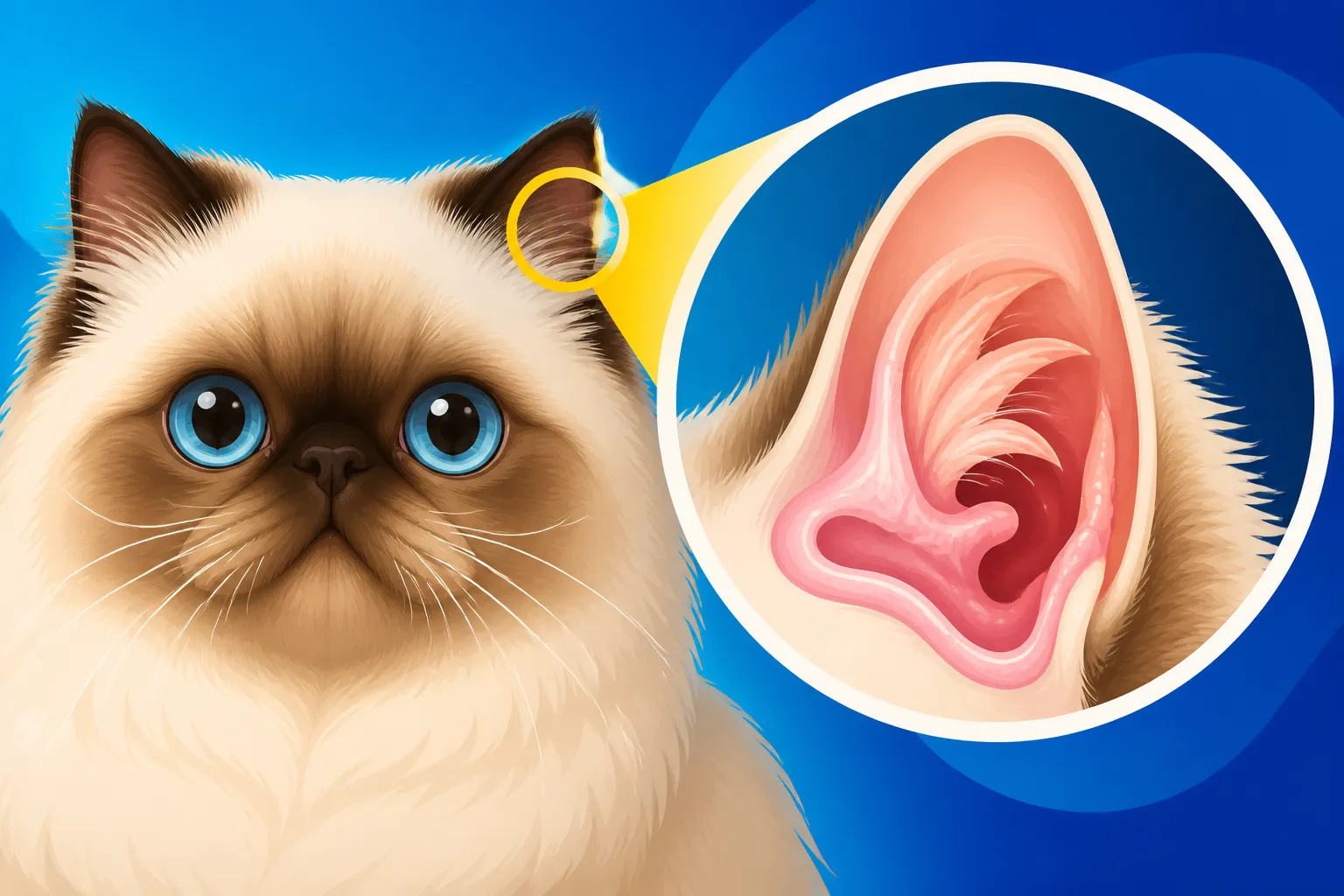
A healthy Himalayan ear should primarily look clean and relatively dry. When you gently part the fur around the ear opening and peer inside, you're looking for a pale, consistent skin tone. It might be a very light pink or a cream color, often matching the general tone of their skin elsewhere on their body. There should be no redness, swelling, or visible inflammation. Think calm, serene skin – much like the peaceful expression your cat often wears (even when they're secretly plotting world domination from their favorite sunbeam).
You'll probably see a fine scattering of light hair inside the ear canal opening. This is completely normal and helps protect the inner ear. However, this hair shouldn't be matted or packed with debris. The ear canal itself should be open and free of any obstructions. If you can only see a tiny dark tunnel, that's usually a good sign. Any visible discharge should be minimal to non-existent; a tiny bit of pale, waxy residue might be present, but it should be light in color and not excessive. We’re talking about a barely-there film, not goopy buildup. How to Clean a Himalayan's Small Low Set Ears delves deeper into the practicalities of keeping these areas pristine.
The Importance of a Clean, Odor-Free Ear
Beyond what you can see, a healthy Himalayan ear is one you can't really smell. Seriously, give it a sniff (gently, of course, they probably won't appreciate a full nose dive). A clean ear should have little to no odor. If you detect any strong, yeasty, sweet, or generally unpleasant smell, that's a major red flag, even if you can't immediately see anything wrong. This scent often signals an underlying bacterial or yeast infection, which loves to breed in warm, moist, hidden places – perfect conditions for a long-haired cat with a dense undercoat.
Similarly, a healthy ear should not feel excessively warm to the touch compared to the surrounding skin. A slight difference is normal, but anything distinctly hot could indicate inflammation. Your Himalayan also shouldn't be showing any signs of discomfort related to their ears. This means no excessive scratching, head shaking, or sensitivity when you touch them. If your usually stoic Himalayan suddenly flinches or pulls away when you go near an ear, it's their quiet way of telling you something isn't right. They are masters of hiding discomfort, so any overt sign is significant. Why a Himalayan Hides Illness Behind an Expressionless Face explains more about their tendency to mask symptoms.
When Things Go Awry: Recognizing Abnormalities
It's a disheartening reality that even with the best care, sometimes things go wrong. Knowing what not to see and not to smell is just as crucial as knowing what is normal. With Himalayans, their long hair can often conceal problems until they're quite advanced, making regular checks even more vital. Don't be hard on yourself if you miss something; these cats are built to keep secrets!
Signs of Infection and Irritation
An infected or irritated Himalayan ear will often present with several noticeable symptoms. The most obvious visual cue is redness and swelling. The pale pink or cream skin you saw in a healthy ear will now look distinctly red, possibly even a fiery red, and the tissue might appear puffy. You might also notice a discharge that is no longer minimal and pale. Instead, it could be yellow, brown, or even black, with a thicker, waxy, or pus-like consistency. This discharge almost always comes with a foul odor – that distinctive "yeasty" or "rotting" smell that screams infection.
Another common sign of trouble is an increase in dark, crumbly debris. This isn't just normal earwax; it's often a tell-tale sign of ear mites, which leave behind a dark, coffee-ground-like residue. If you see this, it’s not just a cleaning issue; it requires specific medical treatment. The presence of excessive moisture or crusting around the ear opening is also concerning. Sometimes, the skin inside can even look flaky or develop scabs from constant scratching. What a Himalayan's Nose Leather Should Be Checked Monthly highlights another area where skin issues can go unnoticed.
Behavioral changes are huge indicators. If your Himalayan is repeatedly scratching at their ears, shaking their head vigorously, rubbing their ears against furniture, or holding one ear slightly lower than the other, they're communicating distress. They might also become withdrawn, less active, or show changes in appetite. Remember, Why a Himalayan's Coat Hides a Wound for Days; similarly, their ear fur can hide infection.
| Sign | Healthy Ear | Concerning Ear |
|---|---|---|
| Color | Pale pink/cream, consistent | Red, inflamed, patchy |
| Discharge | Minimal, pale, light waxy residue | Yellow, brown, black, thick, pus-like, excessive |
| Odor | None to very faint "cat" smell | Strong, yeasty, sweet, foul, sour |
| Temperature | Matches surrounding skin | Noticeably warmer to the touch |
| Behavior | No scratching, head shaking, discomfort | Frequent scratching, head shaking, pawing at ear |
| Texture | Smooth, supple skin, fine hairs | Swollen, crusty, scabs, matted fur around opening |
What Foreign Objects or Parasites Look Like
Sometimes, the culprit isn't just an infection but something that shouldn't be there at all. Given their long, flowing coats, Himalayans are not immune to picking up foreign objects, especially if they sneak into a back garden or even just roll around near a dusty corner. Grass seeds, tiny bits of plant material, or even small pieces of debris can migrate into the ear canal, causing immense irritation. If you see anything visible lodged in the ear, do not attempt to remove it yourself unless it's clearly loose and easy to grasp. Pushing it further in can cause serious damage. This is definitely a job for your veterinarian.
Parasites are another common issue, with ear mites being the most frequent offenders. As mentioned, ear mites typically manifest as dark, crumbly, coffee-ground-like debris deep within the ear canal. You might even see tiny white specks moving if you have a very keen eye and good lighting. These microscopic pests cause intense itchiness, leading to the frantic scratching and head shaking we discussed earlier. While less common, ticks can also attach themselves to the outer or inner ear, appearing as small, engorged bumps. Always be cautious when removing ticks, ensuring you get the head out entirely to prevent infection. Which Drops Suit a Himalayan's Exposed Blue Eyes touches on the delicate nature of their facial care, a theme that extends to their sensitive ears.
Routine Care for Himalayan Ears
Preventative care is always better than trying to fix a problem once it's taken root. Incorporating ear checks into your regular grooming routine can save a lot of heartache (and vet bills!) down the line. It's not about being obsessive, but consistent. Remember, with their beautiful long coats, regular grooming is already a necessity, so adding a quick ear check isn't a huge extra step.
Gentle Cleaning Techniques
For healthy ears, minimal intervention is usually best. Over-cleaning can actually disrupt the natural balance of the ear and lead to irritation or infection. The goal is to keep the ear canal clean and dry, but not sterile. I recommend checking your Himalayan's ears at least once a week, perhaps during your daily combing session. How Long a Himalayan's Daily Comb Takes is a good time to multitask!
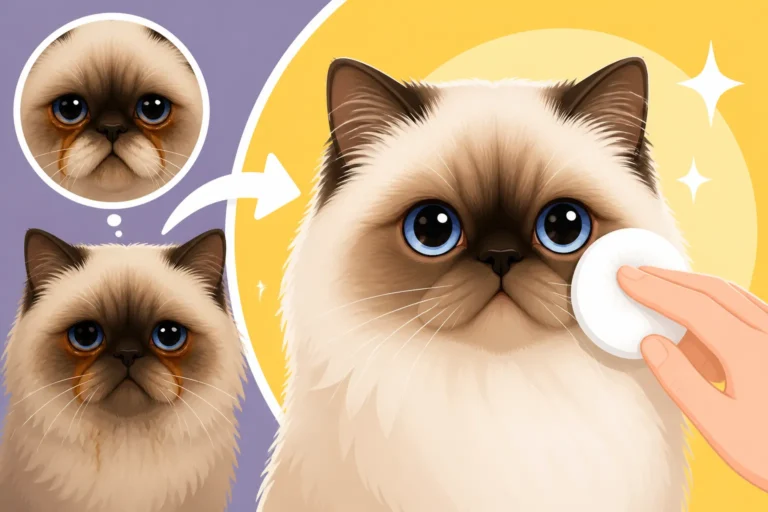
If you notice a small amount of pale, waxy buildup, you can gently wipe the visible outer ear with a soft cotton ball or a pet-specific ear wipe. Always use products formulated for cats, as human products can contain harsh chemicals or alcohol that will irritate their sensitive skin. Many pet stores, like Chewy or those found on Amazon, carry a good selection of cat-safe ear cleaners. When choosing a cleaner, look for ones that are gentle, non-irritating, and help break down wax.
Never use cotton swabs (Q-tips) inside the ear canal. They can easily push debris further in, or worse, rupture the eardrum. Stick to wiping only the parts of the ear you can clearly see. If your vet has prescribed an ear cleaning solution, follow their instructions precisely. After cleaning, ensure the ear is completely dry to prevent moisture buildup, which can encourage yeast or bacterial growth.
Knowing When to Call the Vet
This is perhaps the most important takeaway: when in doubt, call your vet. Seriously, don't try to play doctor with your cat's ears. If you observe any of the concerning signs we discussed – redness, swelling, foul odor, excessive discharge, dark crumbly debris, persistent scratching, or obvious pain – it’s time to schedule an appointment. These symptoms rarely resolve on their own and often require prescription medication, such as antibiotics or anti-fungals, to clear up.
Your vet has specialized tools, like an otoscope, to get a clear view deep inside the ear canal, beyond what you can see at home. They can also take a sample of any discharge to examine under a microscope, identifying the specific type of bacteria, yeast, or mites present, which is crucial for prescribing the correct treatment. Prompt veterinary attention can prevent minor ear issues from escalating into more serious conditions, such as middle ear infections, which are far more painful and challenging to treat. It's part of the comprehensive annual health check that often includes Why a Himalayan's Vet Year Is Eyes, Teeth and Kidneys. Sometimes, early detection of issues, even in areas like the ears, is key to your cat's long-term health and comfort.
Disclaimer
This article is for general informational purposes only and does not constitute professional advice. Laws, prices and regulations vary by location and change over time. Consult a qualified professional for guidance on your specific situation.