Whether a Himalayan Rescue Fee Covers a Kidney Scan
It's an incredibly heartwarming decision to open your home and heart to a rescue Himalayan cat. These beautiful, placid felines bring so much joy, but bringing home any rescue animal, especially a specific breed like a Himalayan, can come with a unique set of questions and worries, particularly around their health history and what hidden costs might arise. One of the biggest concerns for potential Himalayan adopters often revolves around Polycystic Kidney Disease (PKD) and whether the adoption fee covers the necessary screening. This guide will help you navigate the nuances of rescue fees and equip you with the knowledge to ensure your new fluffy family member gets the best possible start.
Understanding Rescue Fees and What They Typically Cover
When you adopt a cat from a rescue organization, you'll encounter an adoption fee. This isn't just a price tag on a pet; it's a vital contribution that helps the rescue continue its invaluable work. However, what's actually included in that fee can vary quite a bit, and knowing what to expect is key.
The Basics of an Adoption Fee
Imagine you're falling in love with a sweet, fluffy face online or at an adoption event. You're eager to take them home, and then you see the adoption fee. What does that money actually go towards? Typically, a standard adoption fee covers the most immediate and essential needs of the animal before they go to their forever home. This usually includes a thorough veterinary check-up, initial vaccinations to protect against common feline diseases, deworming, and often flea and tick treatment. Crucially, almost all reputable rescues will spay or neuter the cat before adoption, a non-negotiable step to control pet overpopulation and improve the cat's long-term health. Many also include microchipping, which is a fantastic safety net if your new companion ever gets lost. Think of it as an investment in a healthy, well-started pet, ensuring they've had a baseline of care that can be quite expensive if you were to pay for each service individually. The fee helps offset these costs, allowing the rescue to save more animals.
These are the foundational health measures that practically every rescue ensures. They want to set their animals up for success and prevent the spread of illness in their facilities. It’s important to remember that these costs are significant for a non-profit organization, and your adoption fee is literally keeping their doors open and their mission alive. Without these fees, the rescues wouldn't be able to provide the shelter, food, and basic medical attention necessary for all the animals in their care, let alone for your specific rescue Himalayan.
Why Health Screening Varies in Rescue Settings
While basic health checks are standard, breed-specific health screenings, such as those for Polycystic Kidney Disease (PKD) in Himalayans, are where things can get a little more complicated. Rescue organizations operate with varying budgets, staff, and access to specialized veterinary services. A small, volunteer-run rescue might have fewer resources than a large, well-funded shelter. This often means that while every cat gets a general health assessment, expensive or highly specialized tests for hereditary conditions might not be part of the routine inclusion in the adoption fee. They simply might not have the funds or the veterinary partnerships to perform extensive genetic testing or specialized ultrasound scans on every single cat that comes through their doors.
The age of the cat also plays a role here. A young kitten might only receive basic checks, as more complex genetic conditions might not be apparent or easily tested for until they are older. An adult Himalayan, especially one with an unknown history, presents a different set of challenges. Without pedigree papers or a history from a responsible breeder who performs genetic testing, a rescue has to make decisions based on visible health and immediate needs. It’s also a sad reality that some cats end up in rescue precisely because their previous owners couldn't or wouldn't deal with emerging health issues. While a rescue will address any obvious health problems, digging deeper into potential hereditary diseases like PKD might not be feasible for every animal. This isn't a reflection of their care or dedication, but simply a limitation of resources and the overwhelming number of animals needing help.
The Importance of Polycystic Kidney Disease PKD Screening for Himalayans
For Himalayan owners, understanding Polycystic Kidney Disease (PKD) is absolutely paramount. This isn't just another potential health issue; it's a significant hereditary condition that has historically been prevalent in the breed, largely due to their Persian lineage. Knowing about PKD and its screening methods is crucial for any current or prospective Himalayan parent.
What is PKD and Its Impact on Himalayans
Polycystic Kidney Disease is an inherited genetic condition that causes cysts to form in the kidneys. These cysts are fluid-filled sacs that are present from birth, though they start out microscopically small. Over time, these cysts grow in size and number, gradually taking over healthy kidney tissue. As more and more kidney tissue is replaced by these non-functional cysts, the kidneys become less and less able to do their job, ultimately leading to kidney failure. This is a progressive disease, meaning it gets worse over time, and it’s always fatal without intervention, though the progression can vary from cat to cat. PKD1 Came Down the Persian Side of a Himalayan and has been a challenge for breeders to manage.
The impact on a Himalayan can be devastating. Early symptoms can be subtle and easily missed, often starting with increased thirst and urination as the kidneys struggle to concentrate urine. As the disease advances, you might see a loss of appetite, weight loss, lethargy, vomiting, and overall malaise. Many cats don't show significant clinical signs until middle age, often between three and ten years old, making it a particularly heartbreaking diagnosis if you've already formed a deep bond. However, in some unfortunate cases, it can manifest much earlier, even in young adulthood. The thought of your beloved companion slowly succumbing to a disease that could have been detected or prevented is a heavy one, which is why screening is so vital. It's truly a silent thief that can rob you of precious years with your cat.
Methods of PKD Screening: Gene Test vs. Ultrasound
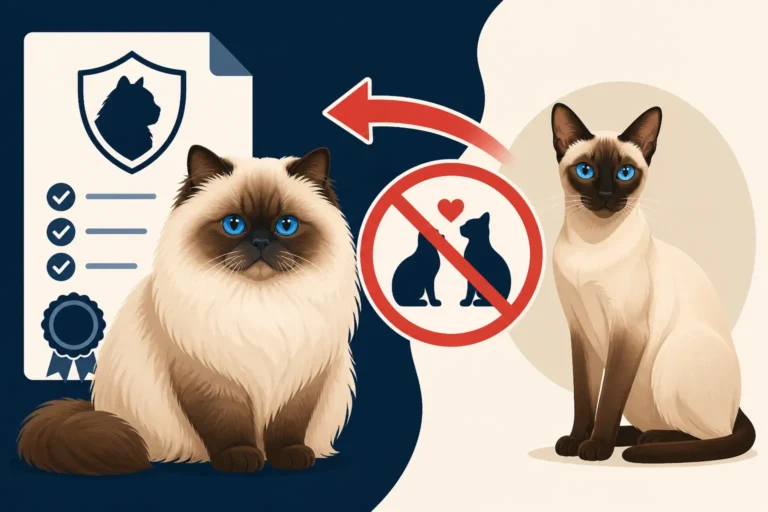
When it comes to screening for PKD in Himalayans, there are two primary methods, each with its own advantages: a genetic test and an ultrasound scan. Understanding the difference is important when evaluating a rescue cat's health status. The genetic test, often performed via a simple cheek swab, is a definitive test for the PKD1 gene. Why a Cheek Swab Clears a Himalayan for PKD explains how straightforward this process is. If a cat tests negative for the PKD1 gene, they are genetically clear and cannot develop PKD or pass the gene on to their offspring. This is the gold standard for breeders looking to eradicate PKD from their lines, as it provides a clear "yes" or "no" answer about the genetic predisposition.
On the other hand, an ultrasound scan directly visualizes the kidneys to check for the presence of cysts. How Early Cysts Show on a Himalayan's Kidney Scan highlights that even small cysts can be detected with a skilled ultrasonographer. This method is incredibly useful for an adult cat whose genetic history is unknown, like many rescue Himalayans. While a genetic test tells you if the potential for cysts exists, an ultrasound tells you if cysts are actually present and how numerous or large they are. It provides a snapshot of the kidney's current condition. If a cat is positive on the genetic test, an ultrasound can then track the progression of the cysts. If a cat has an unknown genetic status, an ultrasound can indicate if they are currently affected by the disease. The cysts will gradually enlarge, and How Kidney Cysts Grow on a Himalayan's Scan details this process. Both tests offer crucial information, but the genetic test offers a permanent verdict on the gene itself, while the ultrasound offers a picture of the physical manifestation of the disease.
Navigating the Rescue Process and Advocating for a Kidney Scan
Bringing home a rescue Himalayan is a wonderful journey, but it requires being proactive about their health. Since breed-specific screenings like PKD tests might not be standard, you'll need to know how to advocate for your potential new family member and what steps to take.
Questions to Ask Your Rescue Organization
When you're speaking with a rescue organization about a Himalayan you're interested in, don't be shy about asking detailed questions about their health protocols. Remember, you're not interrogating them; you're doing your due diligence as a responsible pet owner. Start by asking: "What health checks are included in the adoption fee?" They should readily provide a list of vaccinations, deworming, spay/neuter status, and microchipping. Then, specifically inquire, "Has this particular Himalayan been tested for Polycystic Kidney Disease (PKD)?" Be prepared for various answers. Some well-resourced rescues, especially those specializing in Persians or Himalayans, might indeed include this. Others might have only performed a general vet check, which wouldn't specifically look for PKD unless symptoms were present.
If the answer is no, follow up with, "If not, what are my options for getting it done?" A good rescue will be transparent and helpful. They might offer to facilitate the test at a reduced rate through their vet, or they might simply advise you to get it done yourself once you adopt. Some might even allow you to place a hold on the cat while you arrange a pre-adoption vet visit with a focus on PKD screening, at your own expense. It's important to understand the typical cost involved; What Testing a Himalayan for PKD and the Eyes Costs can give you a general idea, but prices will always vary. Their willingness to discuss these options openly and provide any available health records, even if they don't include a PKD test, is a good indicator of their commitment to the animals' welfare.
Options If a Scan Isn't Included
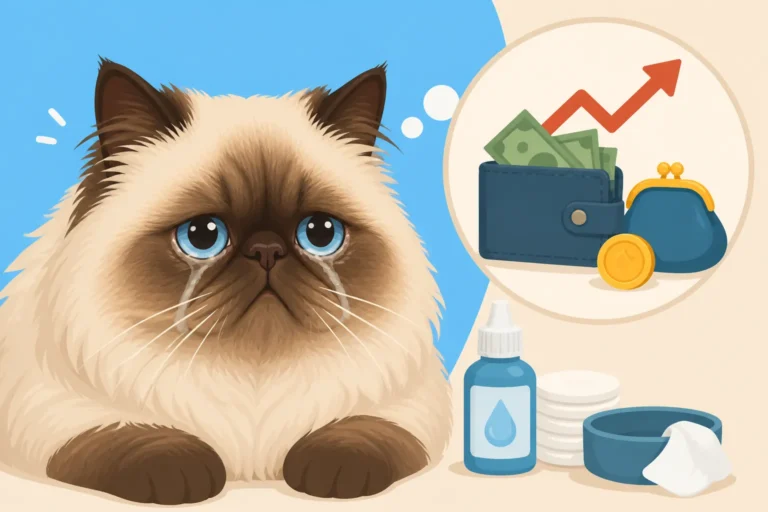
So, you've found the perfect fluffy companion, but the rescue fee doesn't cover a PKD scan. What now? Your primary option is to cover the cost of the screening yourself. This typically involves either a genetic cheek swab test, which can be sent to a specialized lab, or a renal ultrasound performed by a veterinarian. It's a wise investment for peace of mind, allowing you to establish a baseline for your Himalayan's kidney health. Before adoption, you can research local veterinary clinics to get an estimate for these procedures. This allows you to factor it into your initial budget for your new cat.
Another smart move, especially if you're concerned about potential future health issues that might not be covered by an initial rescue fee, is to consider pet insurance. While it won't cover a pre-existing condition, obtaining a policy before any diagnosis of PKD can protect you financially should problems arise later on. Companies like Healthy Paws offer various plans that could help with future vet bills, including managing conditions like PKD if diagnosed after the policy is in effect. Why to Insure a Himalayan Before Its First Kidney Scan emphasizes the importance of this timing. Some reputable breed-specific rescues might also have connections with vets who offer reduced-cost screenings specifically for their adopted cats, so it's always worth asking if they have any such partnerships. You might also find a vet who, upon learning you're adopting a rescue, is willing to offer a first-visit discount or a package deal for initial screenings.
Long-Term Care and the Value of Early Detection
Bringing a Himalayan into your home is a long-term commitment, and while the initial rescue fee and potential screening costs are important, the ongoing care is where the true dedication lies. Early detection of conditions like PKD can significantly influence the quality and length of your cat's life.
The Financial and Emotional Investment
The financial investment in a Himalayan extends far beyond the initial adoption fee and any optional screenings. Knowing about PKD early on, even if it's just a genetic predisposition or the presence of small, manageable cysts, can save you immense heartache and potentially higher costs down the line. If PKD is detected, either through a genetic test indicating a carrier or an ultrasound showing developing cysts, you and your vet can create a proactive management plan. This often includes specific renal diets to support kidney function, regular monitoring through bloodwork and urine tests, and sometimes medications to manage symptoms or slow progression. Specialized renal diets can make a huge difference in managing the disease and improving your cat's comfort. Living With a Himalayan That Inherited the Persian Kidney Gene delves into the day-to-day realities of this care.
Beyond the financial aspect, there's a significant emotional investment. Caring for a cat with a chronic condition means being vigilant, adapting their routine, and committing to their well-being every single day. However, facing these challenges with knowledge and a plan is far less stressful than a sudden, unexpected crisis. Early detection allows you to savor every moment with your Himalayan, knowing you're doing everything you can to ensure their comfort and extend their happy, fluffy life. Which Renal Diet a Cyst Positive Himalayan Ends Up On will give you an idea of the dietary changes involved. The total lifetime cost of caring for a Himalayan is considerable, and health management is a big part of that. What a Himalayan Costs From Kitten to Fifteen reminds us that this is a long journey.
Finding Support and Resources
You don't have to navigate the world of Himalayan cat ownership, especially with potential health concerns, alone. There's a vibrant and supportive community out there ready to offer advice, share experiences, and provide comfort. Connecting with breed-specific groups, both online and locally, can be an invaluable resource. Many Facebook groups, online forums, and breed club websites are dedicated to Himalayans and can offer practical tips, veterinarian recommendations, and emotional support. These communities are often filled with experienced owners who have faced similar health challenges and can guide you through everything from diet adjustments to understanding complex veterinary reports.
Furthermore, developing a strong partnership with a veterinarian who understands brachycephalic (flat-faced) breeds and their specific health predispositions, like PKD in Himalayans, is crucial. Don't hesitate to seek out a vet who is not only knowledgeable but also empathetic and communicative. They will be your primary guide in monitoring your cat's health. Regular check-ups are essential, and How Often a Tested Himalayan Still Needs Checking highlights the importance of ongoing monitoring, even for genetically clear cats. For older Himalayans, these check-ups become even more vital, with blood work to track kidney function being particularly important. What a Himalayan's Yearly Bloods Should Cover After Eight gives a good overview of what to expect as your cat ages. Building this support network around you and your cat will ensure you both thrive for years to come.
Here’s a quick overview of what to expect regarding health screenings with rescue fees:
| Feature | Typical Rescue Fee Inclusions | Breed-Specific Health Screenings (e.g., PKD) |
|---|---|---|
| Common Services | Spay/Neuter, initial vaccinations, deworming, microchipping, general vet check | Genetic testing (cheek swab), kidney ultrasound scan |
| Cost Coverage | Usually included in the adoption fee | Often not included; may require separate payment by adopter |
| Purpose | Baseline health, population control, identification | Detect hereditary conditions, inform long-term care |
| Availability | Almost always provided by reputable rescues | Varies widely; more common in breed-specific rescues or if concerns are obvious |
| Adopter Action Needed | Review provided records; confirm services | Ask specific questions; be prepared to arrange/fund if not covered |
Ultimately, bringing a rescue Himalayan home is a deeply rewarding experience. By being informed, asking the right questions, and being prepared to take proactive steps for their health, you're setting the stage for a lifetime of cuddles, quiet companionship, and that signature purr.
Disclaimer
This article is for general informational purposes only and does not constitute professional advice. Laws, prices and regulations vary by location and change over time. Consult a qualified professional for guidance on your specific situation.