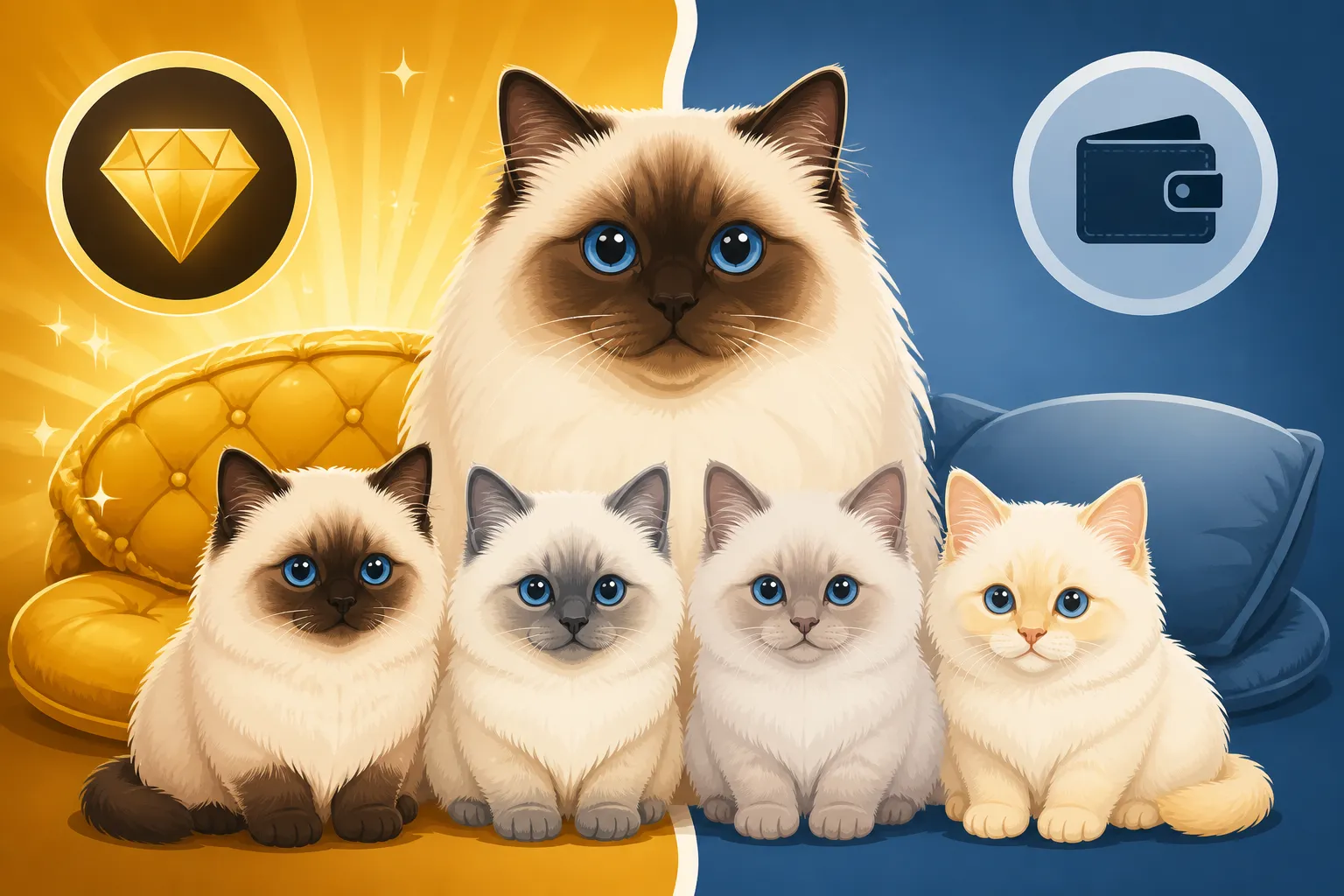
Why Point Color Splits the Price Inside One Himalayan Litter
It's a common moment of confusion for prospective Himalayan owners: you've fallen in love with a litter of adorable fluff balls, but when the breeder shares the pricing, there's a significant difference between kittens, even from the same parents. Often, this price variation comes down to something as seemingly simple as their point color. This guide will unravel the fascinating reasons behind why point color can cause such a split in prices within one Himalayan litter, helping you understand the true value and demand for these beautiful variations.
The Genetic Blueprint: Why Point Colors Appear Differently
The stunning color points of a Himalayan cat—ears, mask, paws, and tail—are not just a pretty feature; they're the result of a specific genetic mutation that causes pigment to develop only in cooler parts of the cat's body. This temperature-sensitive gene is what gives Himalayans their distinctive look, but it also dictates the array of colors you might see. The base color genetics of the Persian parent lines combine with this temperature-sensitive gene to produce the eventual point color.
The Role of Recessive Genes in Point Coloration
Every kitten in a litter inherits a combination of genes from both parents. For point coloration, certain recessive genes are responsible for specific shades. For example, a cat needs two copies of the dilution gene to express a blue or cream point, rather than a seal or flame point. If a kitten only gets one copy, it might carry the gene but not express it. This is why you can have a seal point kitten and a blue point kitten in the same litter, assuming both parents carry the necessary recessive genes. The sheer chance of these genetic combinations coming together is the first step in determining rarity and, by extension, potential price differences.
Consider a queen and tom, both carrying the genetic potential for various point colors, perhaps both being seal points but carrying the recessive blue gene. Their litter might produce seal point kittens and blue point kittens. The blue points, while not exceedingly rare, might sometimes command a slight premium due to their softer appearance or specific demand. This is why, even within a single healthy litter, you'll start to see price tags diverging before the kittens are even weaned. You can read more about Which Genes Make a Himalayan Pointed.
How Rare Point Colors Emerge
Beyond the common seal and blue points, other colors like chocolate and lilac are considerably rarer. These colors require a very specific genetic combination that isn't as prevalent in the general Himalayan gene pool. For a chocolate point, a kitten must inherit two copies of the recessive chocolate gene from its parents. Similarly, for a lilac point, it needs two copies of the chocolate gene and two copies of the dilution gene. The odds of hitting these specific combinations are much lower, even if both parents are carriers.
Breeders who consistently produce these rarer shades often invest significantly in tracking pedigrees and understanding complex genetic lines. This dedication, and the inherent difficulty of reliably breeding for these specific outcomes, naturally translates into a higher value for those unique kittens. It's not just about the beauty of the color; it's about the scientific effort and genetic luck involved in its creation. Why a Chocolate Point Himalayan Is Hard to Breed explains some of these challenges in more detail.
Market Dynamics: Popularity, Rarity, and Breeder Investment
The price of a Himalayan kitten isn't solely about its genetics; it's also a reflection of market demand, perceived beauty, and the substantial investment a reputable breeder makes into their lines. When a certain point color becomes fashionable or is inherently difficult to produce, its price will inevitably climb.
The Allure of Rarity: Why Uncommon Points Cost More
It's human nature to desire what is rare, and the cat fancy is no exception. A truly rare point color like lilac or chocolate often carries a significant premium. These colors are not only genetically harder to achieve, but they also stand out in a crowd of more common seal or blue points. Imagine visiting a cattery and seeing a stunning lilac point kitten, its points a soft, frosty grey-pink, next to several equally charming but more familiar seal points. That visual distinction, combined with the knowledge of its rarity, immediately elevates its perceived value.
This premium reflects not just the kitten itself, but the years of careful breeding, genetic testing, and selective pairing that went into producing such a unique animal. Breeders dedicate extensive time and resources to maintaining lines that carry these recessive genes, ensuring health and conformation while aiming for specific colors. This is part of the broader reason Why a Rare Point Color Raises a Himalayan's Price.
Demand for Specific Aesthetics and "Doll Face" vs. "Peke Face"
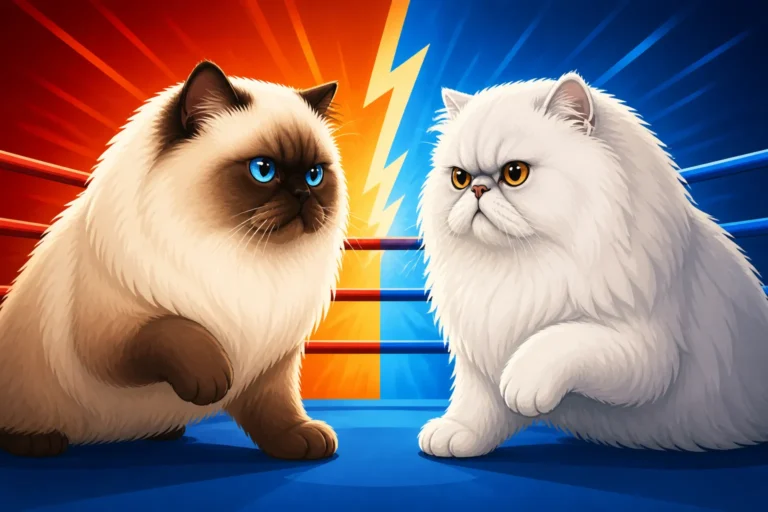
While point color is a huge factor, the type of face a Himalayan has can also influence its price, even within the same color points in a litter. Generally, "doll face" Himalayans, with their more traditional, less extreme facial structure and visible nose, often command a premium because of their broader appeal and typically fewer associated breathing or eye issues. They are seen as striking, but often without the intense care needs of the flatter-faced "peke face" variety.
For example, a gorgeous flame point doll face Himalayan might be priced higher than a flame point peke face sibling, simply because the doll face type is more sought after for its health advantages and classic beauty. However, the flat-faced type still has its devotees, particularly among those who appreciate the extreme breed standard. The combination of a desirable point color with a preferred facial structure creates an even more significant price differential. Understanding these nuances is key to grasping Why a Doll Face Himalayan Commands a Premium.
| Point Color | Rarity/Availability | General Demand | Typical Price Impact (Relative to Seal Point) | Distinctive Feature/Note |
|---|---|---|---|---|
| Seal Point | Common | High | Baseline | Darkest points, classic look. |
| Blue Point | Common | High | Baseline to Slightly Above | Softer, slate-grey points. |
| Flame (Red) Point | Moderate | High | Moderate Premium | Fiery orange-red points, can vary in intensity. |
| Cream Point | Moderate | High | Moderate Premium | Soft, warm cream points, often paired with a paler body. |
| Chocolate Point | Rare | Very High | Significant Premium | Warm, milk-chocolate brown points, distinctive. |
| Lilac Point | Very Rare | Very High | Highest Premium | Frosty grey-pink points, the palest of all. |
| Lynx (Tabby) Point | Varies by pattern | High | Often Above Average | Distinct tabby markings within the points. |
| Tortie Point | Varies by pattern | High | Often Above Average | Patches of red/cream on darker points (female only). |
Breeder's Investment in Health and Pedigree
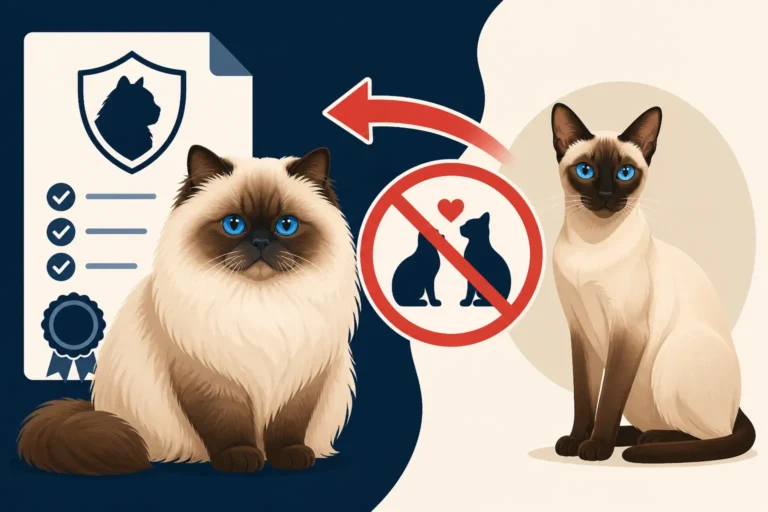
A breeder's pricing also reflects their significant investment in the health and genetic quality of their breeding cats. Reputable Himalayan breeders perform extensive health screenings for common issues like Polycystic Kidney Disease (PKD) and Progressive Retinal Atrophy (PRA). These genetic tests are not cheap, but they are crucial for ensuring the kittens inherit healthy genes. A kitten from parents with clear genetic tests is inherently more valuable because it drastically reduces the risk of expensive and heartbreaking health problems down the line. What Testing a Himalayan for PKD and the Eyes Costs gives you an idea of the expense.
Furthermore, a breeder invests in high-quality food, proper veterinary care for the queen and her litter, socialization, and often, show entries to prove the quality of their lines. All these costs are factored into the final price of a kitten. When you see a higher price for a specific point color, especially one that is rare or highly desired, it's often an indication of the breeder's commitment to producing healthy, well-adjusted, and genetically sound animals. This diligent care ensures your new family member has the best start, and a good pet insurance like Healthy Paws can help protect that investment against unforeseen future medical costs.
What to Expect When Purchasing: Transparency and Contracts
Navigating the purchase of a Himalayan kitten means understanding how breeders determine their prices, particularly when point color plays such a significant role. A reputable breeder will always be transparent about their pricing structure and the factors influencing it, ensuring you feel confident in your decision.
Understanding Price Lists and Reservations
When you contact a breeder about a litter, they'll likely have a price list that outlines the costs for different point colors, and perhaps even facial types. It's not uncommon to see a baseline price for common colors like seal or blue point, with a clear step up for flame, cream, and then a more significant jump for chocolate or lilac points. This transparency helps manage expectations from the outset. You might even find that demand for certain colors is so high that they have separate waitlists. Why a Himalayan Waitlist Depends on Point Color can clarify why some colors are reserved far in advance.
Don't be shy about asking the breeder to explain their pricing. A good breeder will be happy to detail why a particular kitten is priced as it is, discussing its specific point color, conformation, lineage, and the health testing undertaken for its parents. This discussion is not just about money; it’s about understanding the value proposition and the commitment that breeder has made to their cats.
The Deposit and Point Color Confirmation
It’s typical for breeders to require a non-refundable deposit to reserve a kitten, often before the point colors are fully mature. Himalayan kittens are born almost entirely white, with their points developing over the first few weeks and months. This means you might be committing to a kitten based on the anticipated point color, which can be somewhat nerve-wracking if you have a strong preference. How Many Weeks Before a Himalayan Kitten's Points Show is a good read on this topic.
Reputable breeders will often provide updates with photos as the points develop, and some might even offer a limited window to switch to another available kitten if the point color doesn't develop quite as expected, or if your preference shifts. However, remember that the initial deposit often secures your place in line for a type of kitten, and the specific color might be confirmed later. Be sure to clarify the breeder's policy on deposits and point color guarantees within the contract. This is also where you might start thinking about long-term needs; Chewy offers great subscription services for food and supplies once you bring your kitten home.
Contracts and Guarantees Related to Health and Color
A comprehensive contract is your best friend when buying a Himalayan kitten. This document should clearly state the purchase price, the specific kitten being acquired, and any guarantees provided by the breeder. While point color itself isn't usually "guaranteed" beyond a visual assessment, the contract should outline health guarantees, particularly concerning genetic conditions like PKD or PRA. It should detail what happens if a kitten develops a serious health issue within a certain timeframe, often covering conditions that can be devastating.
This legally binding document protects both you and the breeder. It should explicitly mention the health tests performed on the parents, such as the PKD gene test, and provide certificates where applicable. A breeder who provides clear, detailed paperwork, including information on How to Read a Himalayan's PKD Certificate, demonstrates their commitment to ethical practices. You want to ensure that the beauty of your chosen point color comes with the peace of mind that your kitten has a healthy start. For ongoing wellness, premium food options can support your Himalayan's health and coat beauty for years to come.
Managing Expectations and Budgeting for Your Himalayan
Bringing a Himalayan cat into your home is a long-term commitment, and while the initial purchase price, influenced by point color, is a significant factor, it's just the beginning. Understanding the ongoing costs and setting realistic expectations for care is crucial for any responsible owner.
Beyond the Purchase Price: Ongoing Care Costs
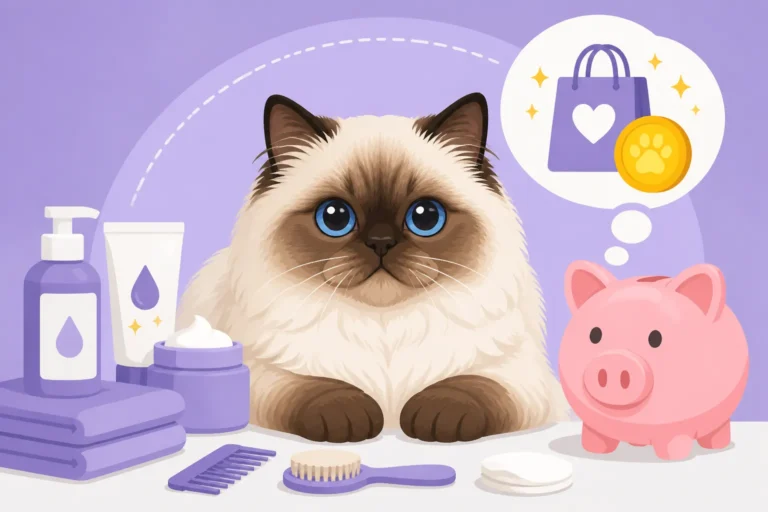
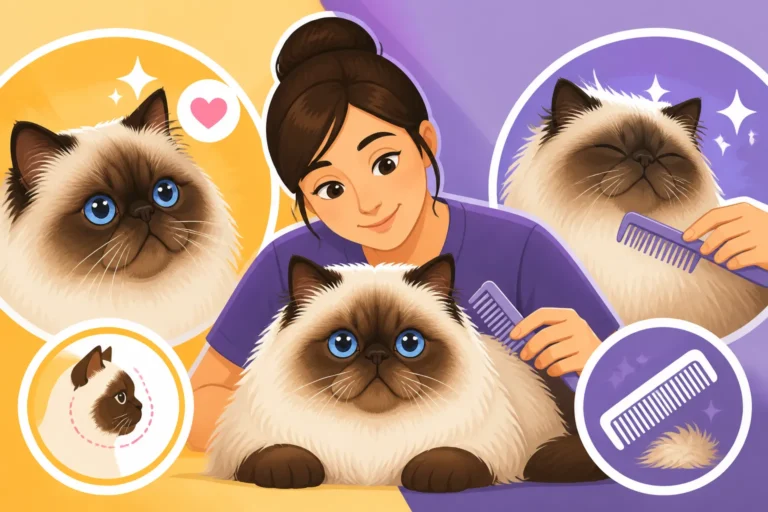
The allure of a rare chocolate or lilac point Himalayan can be strong, but it's vital to remember that regardless of their point color, all Himalayans require specific care that contributes to their overall cost of ownership. Their magnificent long coats demand daily grooming to prevent mats, their flattened faces need routine cleaning to prevent tear staining and skin folds from becoming irritated, and their crowded jaws often require earlier dental care. These aren't one-time expenses; they are regular, recurring costs that need to be factored into your budget.
Think about the cost of quality grooming tools, specialized wipes for their eyes and nose, and potentially professional grooming sessions for a lion cut if you struggle to keep up with their extensive coat. Even simple things like dust-free litter to prevent respiratory irritation from their compact airways add up. Don't forget the annual vet visits, vaccinations, and potential for more frequent dental cleanings under anesthesia. This is What Fifteen Years of a Himalayan's Coat and Face Costs in the long run.
The Importance of Insurance and Preventative Care
Given the breed's predispositions to certain health issues, such as PKD from their Persian lineage and potential breathing issues from their brachycephalic (flat-faced) structure, having a robust pet insurance plan is highly recommended. Policies from providers like Healthy Paws can be a lifesaver, helping to cover unexpected veterinary bills for accidents or illnesses, which can easily run into thousands of dollars. It provides peace of mind, allowing you to focus on your cat's health rather than worrying about the financial burden of advanced care.
Beyond insurance, preventative care is paramount. Regular vet check-ups, appropriate vaccinations, and diligent home care—including daily grooming and face wiping—can help stave off many potential problems or catch them early. Investing in high-quality nutrition, perhaps even specialized diets found on platforms like Chewy that cater to specific breed needs or sensitivities, also plays a crucial role in maintaining your Himalayan's health and vitality. A healthy cat, regardless of point color, is a happy cat, and preventative measures are always more cost-effective than reactive treatments.
Long-Term Value and the Love of Your Companion
Ultimately, while point color may influence the initial purchase price, the true value of your Himalayan comes from the love, companionship, and joy they bring into your life. The specific shade of their points will fade into the background as their unique personality shines through. Whether you have a striking seal point, a rare lilac, or a charming flame point, your Himalayan will develop a deep bond with you, becoming an integral part of your family.
The early decisions about which kitten to bring home, and how much you paid, become less significant over the years compared to the shared moments, purrs, and quiet companionship. Focus on finding a healthy, well-socialized kitten from a reputable breeder who prioritizes the well-being of their animals above all else. The right breeder will match you with a kitten that fits your home and lifestyle, ensuring a lifetime of happiness for both you and your beautiful, point-colored companion.
Disclaimer
This article is for general informational purposes only and does not constitute professional advice. Laws, prices and regulations vary by location and change over time. Consult a qualified professional for guidance on your specific situation.