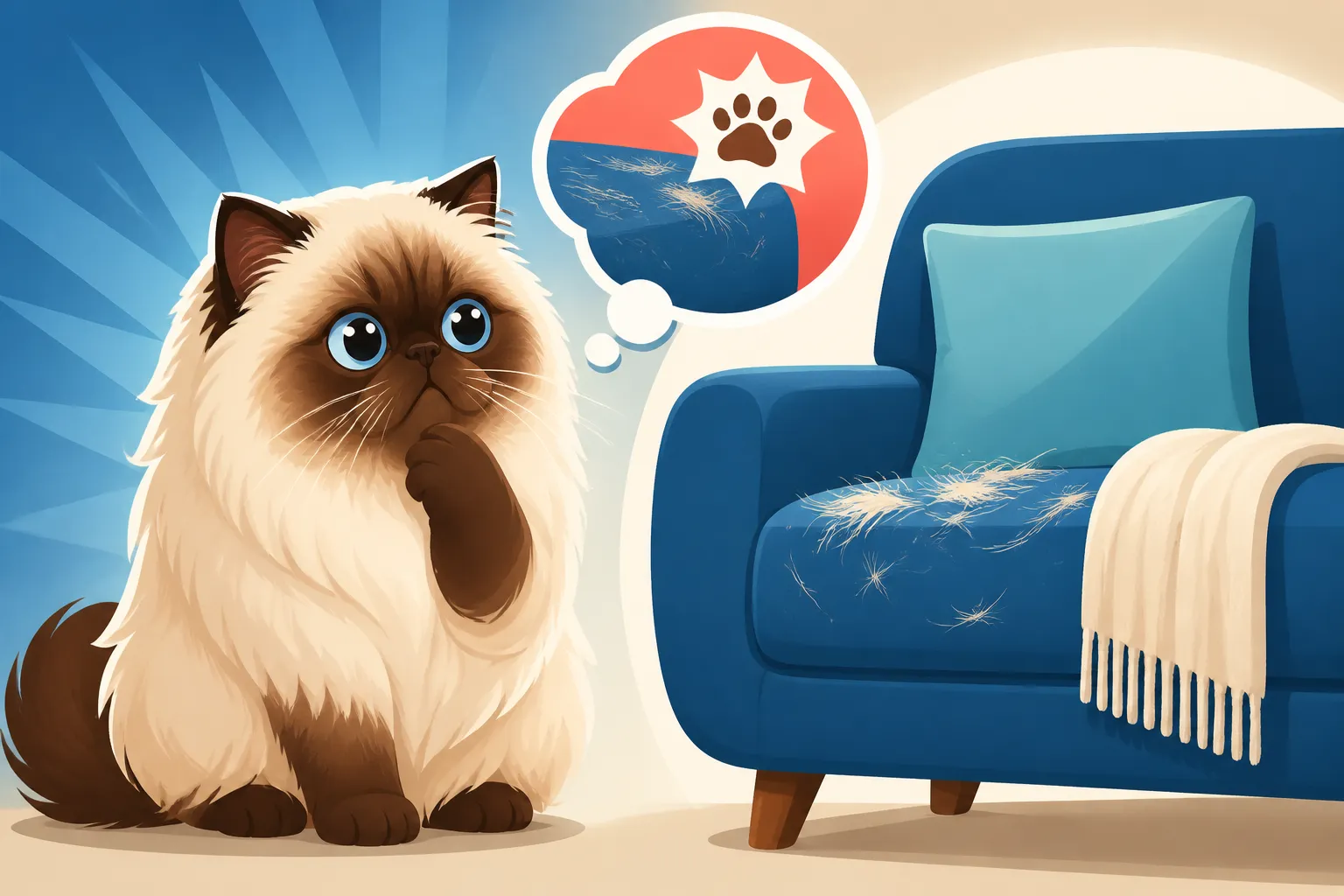
Why a Himalayan Misjudges the Sofa With That Coat
It can be incredibly frustrating, and honestly, a little heartbreaking, to watch your magnificent Himalayan darling attempt to elegantly leap onto the sofa, only to misjudge the distance or tangle themselves in their own glorious fluff. You see their intent, their grace, but the execution often falls short, leading to an awkward scramble or a gentle thud. This guide is all about understanding why your Himalayan might struggle with what seems like a simple jump, and more importantly, what you can do to make their world, especially their favorite napping spots, much more accessible and safe.
The Himalayan Coat: A Majestic Challenge for Movement
That undeniably beautiful, long, flowing coat that makes your Himalayan so regal is also, paradoxically, one of its greatest physical challenges, especially when it comes to navigating everyday obstacles like your sofa. It's not just a superficial layer; it's a dense, heavy blanket that affects everything from their perception to their actual physical ability to maneuver.
Imagine wearing a full-length ball gown made of thick velvet, then trying to perform acrobatics. That's a bit like what your Himalayan experiences. Their coat, particularly the luxurious ruff around their neck and the voluminous britches on their hindquarters, can seriously impede their motion. When they prepare to jump, the sheer volume of fur can obscure their peripheral vision, making it hard to accurately gauge the edge of a cushion or the height of a step. It’s like trying to see your feet over a massive scarf. This visual obstruction means they might not see exactly where they need to land, leading to those slight miscalculations that end in a clumsy recovery.
Furthermore, the length and density of the fur can quite literally get in the way. As they tuck their legs for a jump or extend them for a landing, the long strands of their coat can tangle around their paws or between their legs. This isn't just uncomfortable; it can throw off their balance mid-air, making a smooth landing much harder. Their How Much Undercoat a Himalayan Carries Under Its Points contributes to this bulk, adding weight and volume that a more sleek-coated cat simply doesn't contend with. It takes significant effort just to keep that coat from becoming a trip hazard, let alone performing a precise athletic feat.
The Illusion of Size: How the Coat Deceives
One of the biggest issues with the Himalayan's luxurious coat is how it creates an optical illusion of size and shape. To us, they look large and plush, but underneath all that fur is a surprisingly cobby, compact body. However, their brain might be getting conflicting signals from their body. The vast expanse of fur makes their body appear wider, longer, and bulkier than it actually is. When they assess a gap between two cushions or the available landing space on an armchair, their internal "map" of their own dimensions might be skewed by the external fluff.
Think about trying to squeeze through a narrow opening while wearing a very puffy winter coat; you might think you're wider than you actually are, causing you to hesitate or scrape against the sides. For a Himalayan, this applies to their jumping. They might perceive themselves as needing more space than their core body does, leading them to misjudge whether they can fit into a spot, or causing them to land with less grace because they're overcompensating for perceived bulk. This constant internal recalibration, often subconscious, can lead to hesitations or outright misjudgments when they leap.
This issue is compounded by the fact that How Long a Himalayan's Coat Actually Grows, meaning it's a constant, evolving challenge throughout their lives. A young kitten with less fur might be more agile, but as their coat fully develops, the problem becomes more pronounced. Regular grooming is essential, not just for aesthetics, but for helping them manage their physical presence.
Brachycephalic Features and Their Impact on Navigation
It’s not just the coat; the Himalayan’s distinctive brachycephalic, or flattened, face also plays a role in how they perceive their surroundings and navigate. While their large, round blue eyes are stunning, their unique facial structure can sometimes limit their field of vision compared to cats with more prominent muzzles. This isn't to say they are visually impaired, but the angles and folds around their nose and eyes, coupled with their dense ruff, can create blind spots or make it harder to see objects directly below or immediately in front of them with clarity.
When preparing for a jump, a cat relies heavily on its binocular vision for depth perception. If their ability to precisely focus on the takeoff or landing spot is even slightly compromised by their facial structure and the surrounding fur, their accuracy will naturally decrease. They might hesitate, perform a shorter or less powerful jump than intended, or simply miss their target. This isn't a sign of clumsiness; it's a direct consequence of their unique breed characteristics.
Moreover, the brachycephalic structure can also impact their breathing. While many Himalayans breathe perfectly well, those with more extreme flattening can have compromised airways. When a cat prepares for a jump, especially onto a higher surface, it requires a burst of energy and controlled breath. If breathing is even slightly less efficient, it can contribute to a general reluctance for strenuous activity, including significant jumps. This can tie into why a Himalayan might simply prefer to stay on lower surfaces, or Why a Himalayan Snores Louder Than Its Siamese Ancestors.
Why Depth Perception and Agility Are Tricky for Himalayans
Beyond the obvious physical presence of their magnificent coat, several inherent characteristics of the Himalayan breed contribute to their tendency to misjudge jumps and prefer a more grounded lifestyle. They weren't bred to be high-flying acrobats, but rather serene, companionable lap cats. This means their physiology and natural inclinations lean more towards comfort and stability than impressive aerial feats.
Their compact, "cobby" body type, characterized by a broad chest and short, sturdy legs, is simply not built for the kind of explosive power and aerial grace you might see in a Siamese or an Abyssinian. While strong, those short legs mean they have to work harder to generate the lift needed for a significant jump. They need more leverage and often prefer to "climb" or "step" rather than truly leap. This is part of why Why a Himalayan Stays on the Floor and the Sofa is so common; they're comfortable and feel secure closer to the ground.
The sheer effort required for higher jumps also makes them less inclined to attempt them repeatedly. If a jump from the floor to the sofa feels like a significant athletic event, they will conserve that energy for only the most appealing spots. This isn't laziness; it's an intelligent energy management strategy for a cat whose body isn't designed for sustained high-impact movement.
The Cobby Physique: Built for Comfort, Not Parkour
Let's talk about that adorable, stocky build. The Himalayan’s cobby physique, with its broad chest, rounded appearance, and relatively short, thick legs, is a hallmark of the breed's Persian heritage. While this makes them wonderfully sturdy and cuddly, it's not the ideal design for a feline gymnast. Unlike the sleek, long-bodied breeds known for their incredible leaps and agility, a Himalayan's center of gravity is lower, and their body proportions make them less naturally springy.
Imagine trying to jump onto a high shelf with short legs and a heavier, more compact torso – it's just harder work. Their muscular build is more suited to pushing off horizontally than propelling themselves vertically. This is why you'll rarely see a Himalayan scale the dizzying heights of a tall cat tree or effortlessly bound onto kitchen counters. In fact, Why a Himalayan Rarely Reaches a Counter is largely due to these physical limitations. They simply aren't engineered for those kinds of dynamic movements, and their cautious nature often means they'd rather not risk an awkward landing or a tumble.
This isn't a flaw in their design, but rather an intentional outcome of selective breeding for a specific aesthetic and temperament. They are designed to be calm, companionable, and beautiful, thriving in a home environment where comfort and stability are prioritized over daring acrobatics. Understanding this fundamental aspect of their physique helps us appreciate their efforts and provide suitable accommodations.
Overheating Concerns and Reduced Activity
The thick, luxurious double coat of a Himalayan, while beautiful, is a significant thermal insulator. This means they can overheat much more easily than short-haired breeds, especially during periods of exertion. When a cat jumps, it's a burst of physical activity that can quickly raise their body temperature. For a Himalayan, this increase can be more pronounced and harder to dissipate. Why a Himalayan Overheats Twice as Fast as a Siamese is a critical factor in their overall activity levels.
If your Himalayan feels warm, or if the ambient room temperature is on the higher side, they will instinctively avoid activities that generate more body heat. This includes energetic play sessions and, yes, ambitious jumps onto furniture. You might notice them panting or seeking out cool spots if they've exerted themselves, a clear sign they're trying to regulate their temperature. When a Himalayan's Open Mouth Breathing Needs a Vet is an extreme example of heat stress, but even mild overheating can make them less willing to jump with confidence.
Therefore, a seemingly clumsy jump might not just be a misjudgment of distance but also a reflection of their reluctance to engage in strenuous activity that could lead to discomfort. Creating a consistently cool and comfortable environment, especially during warmer months, can encourage more fluid movement and reduce their hesitation around climbing. Many owners find that a cooling mat placed on their favorite chair, readily available on retailers like Amazon, can make a huge difference in their comfort.
Practical Solutions for Navigating Furniture Safely
So, what's a devoted Himalayan parent to do when their beloved cat struggles with the sofa? The good news is that there are many practical, empathetic solutions you can implement to make your home more accessible and comfortable for your fluffy companion. It's all about making small adjustments that cater to their unique physical needs, turning potential obstacles into easy pathways.
One of the simplest and most effective solutions is providing pet steps or ramps. These allow your Himalayan to "walk" onto their favorite elevated spots rather than having to jump. You can find a wide variety of attractive and sturdy pet steps on sites like Amazon, ranging from carpeted wooden models to foam options. Place them strategically by the sofa, bed, or any other piece of furniture your cat frequently attempts to access. This reduces the strain on their joints, minimizes the risk of falls, and empowers them to reach their preferred resting places with dignity. Why a Himalayan Uses Steps Rather Than Jump is a concept we wholeheartedly embrace here, making their lives easier and safer.
Beyond assistive devices, reconsidering your furniture layout can also make a big difference. Ensure there are clear, unobstructed pathways to and from their favorite resting spots. Avoid placing obstacles like throw blankets or decorative items right at the edge of the sofa where they might land or launch. For surfaces they do access, like the arm of a chair, ensure it's wide and stable enough for them to confidently perch without feeling precarious.
Making Leaps Easier: Ramps and Steps
The use of ramps and steps can truly be a game-changer for a Himalayan, turning what was once a daunting leap into a simple stroll. These assistive devices remove the need for powerful vertical jumps, which, as we've discussed, can be challenging due to their cobby build, short legs, and the bulk of their coat. Instead of struggling, they can walk up a gentle incline or ascend a series of low steps, reaching their destination with ease.
When choosing ramps or steps, consider the height of your furniture and your cat's comfort. Look for options with a gentle slope or shallow steps to minimize effort. Stability is key; a wobbly ramp or set of steps will only deter your cat. Many excellent options are available from pet supply retailers, including those you can browse on Amazon, specifically designed for pets with mobility challenges or breeds like the Himalayan that benefit from a less strenuous approach to elevation. Ensure the surface provides good grip, perhaps carpeted or with textured treads, to prevent slips.
Introducing these aids takes a little patience. Place them flush against the furniture and encourage your cat to use them with treats or their favorite toys. Make it a positive experience, and soon, they'll instinctively use the ramps and steps, preserving their joints and preventing those awkward tumbles that can stress both of you out.
Strategic Grooming for Better Mobility
Regular and strategic grooming is not just about keeping your Himalayan looking beautiful; it's a vital part of supporting their mobility and overall well-being. That magnificent coat, if not properly maintained, can become a hindrance, matting in crucial areas and further complicating movement. Specifically, paying attention to the fur around their face and hindquarters can make a significant difference in their ability to navigate their world.
Trimming the fur around their eyes and nose, carefully and safely with blunt-nosed scissors, can improve their field of vision, reducing the likelihood of misjudging distances. Similarly, keeping the fur on their britches trimmed and free of mats is essential. Long, matted fur in this area can restrict leg movement, making it harder for them to tuck and extend their hind legs for jumping or even simply walking. Why a Himalayan Needs Its Britches Trimmed isn't just for hygiene; it's for unrestricted movement. A groomer can help with this if you're uncomfortable doing it yourself.
Beyond trimming, daily combing is paramount. A good metal comb, easily found on Amazon, can keep their entire coat free of tangles and mats, which can snag and pull during movement. A healthy, flowing coat moves with them, rather than against them. Regular grooming sessions also give you a chance to How to Feel a Himalayan's Spine Through Its Ruff and check for any underlying issues that might be affecting their mobility.
Creating a Safe and Accessible Environment
Beyond specific aids like ramps, thinking about your entire home environment through the eyes of your Himalayan can reveal many opportunities to enhance their safety and comfort. They appreciate a stable, predictable world, and small changes can make a huge difference in their confidence when moving around.
Ensure that their favored perching spots – whether it's a section of the sofa, a cat tree platform, or a window perch – are genuinely stable. Wobbly furniture can deter a cautious Himalayan from attempting to access it, or worse, lead to a fall. For cat trees, remember that Why a Himalayan's Cat Tree Should Be Waist High at Most and Why a Cobby Himalayan Needs Wide Platforms, Not Tall Ones are key considerations. They value horizontal space and stability over extreme height.
Also, consider the flooring in your home. Slippery surfaces like polished hardwood or tile can make takeoff and landing more treacherous. Placing non-slip mats or rugs in high-traffic areas or near jumping points can provide the necessary traction for a more secure grip. Making their environment predictable and removing potential hazards empowers your Himalayan to move with greater confidence, reducing the instances of misjudging surfaces and experiencing those frustrating stumbles.
Preventing Accidents: Proactive Steps for Himalayan Owners
Preventing accidents for your Himalayan isn't just about putting out ramps; it's about a holistic approach to their health, comfort, and the design of their living space. A proactive mindset can save your beloved cat from unnecessary tumbles and keep them happy and comfortable for years to come.
One of the most impactful proactive steps is meticulous weight management. A What a Himalayan's Cobby Frame Should Weigh is crucial to their overall health and mobility. Even a few extra pounds can significantly exacerbate their existing physical challenges, making jumps even harder and putting undue stress on their joints. Why an Overweight Himalayan Cannot Reach Its Britches is a common problem, indicating not just grooming difficulties but also general mobility issues. Work with your vet to establish a healthy weight range and a feeding plan if your cat is carrying extra weight. Even a modest weight loss can dramatically improve their agility and confidence in navigating furniture.
Beyond weight, maintaining their general health through regular veterinary check-ups is vital. Conditions like arthritis, even in mild forms, can make jumping painful and lead to misjudgments. Early detection and management of any health issues will ensure your Himalayan remains as comfortable and mobile as possible.
Maintaining Optimal Weight and Health
Keeping your Himalayan at a healthy weight is perhaps the most significant proactive measure you can take to prevent accidents and improve their overall mobility. Those few extra pounds can turn a challenging jump into an impossible or painful one. Their cobby frame is built to be sturdy, but it's not meant to carry excessive weight, which strains their short legs and compact joints.
A lean, healthy Himalayan will naturally be more agile and have an easier time maneuvering around furniture. An overweight cat, on the other hand, will find every jump requires more effort, leading to more hesitation, clumsy landings, and a greater risk of injury. Moreover, extra weight restricts their flexibility, making it harder to twist and adjust mid-air. Regular weighing at home or at vet visits, along with portion-controlled feeding tailored to their activity level, is essential. Talk to your veterinarian about the ideal weight for your individual cat and strategies for healthy weight management.
Beyond weight, routine veterinary care is crucial. Regular check-ups can catch underlying health issues, such as early signs of arthritis or other joint problems, that might be contributing to their struggles. Addressing these conditions promptly can help manage pain and discomfort, allowing your Himalayan to move with greater ease and confidence.
Creating a Clear and Consistent Home Layout
Cats, especially creatures of routine like Himalayans, thrive on consistency and predictability in their environment. A clear and consistent home layout minimizes surprises and allows your cat to develop a mental map of their space, improving their confidence when moving around. This is especially true for navigating furniture.
Keep pathways clear of clutter. That pile of magazines, the child's toy left on the floor, or a misplaced laundry basket can become a tripping hazard or an unexpected obstacle in your Himalayan's path. Imagine planning your jump to the sofa, only for a new object to suddenly appear in your takeoff or landing zone – it's disorienting and risky. By keeping their known routes consistent and free of clutter, you eliminate variables that could lead to misjudgments.
Furthermore, try to avoid frequently rearranging furniture that your cat relies on for access to favorite spots. While minor changes might go unnoticed, significant alterations to their established routes can cause anxiety and confusion. A consistent layout fosters confidence, allowing your Himalayan to move with the assurance that their familiar world is stable and predictable, reducing the need for constant, risky recalculations when making their daily journeys across the floor to their sofa.
Strategic Use of Cooling Aids
Given their thick coats, Himalayans are prone to overheating, which can significantly impact their willingness and ability to be active. A hot cat is a lethargic cat, and lethargy translates to less confident, potentially clumsier movements. Proactive cooling measures can indirectly boost their mobility by ensuring they are always comfortable and energetic enough to navigate their environment effectively.
During warmer months or in warmer climates, strategic use of cooling aids can make a huge difference. Placing a cooling mat, easily acquired from Amazon, on their favorite sofa spot or on the floor nearby can provide a much-needed respite from the heat. These mats work by absorbing body heat or by containing a gel that stays cool without refrigeration. This encourages your Himalayan to relax in comfort rather than constantly seeking out colder spots on the floor, or becoming too warm to attempt a jump.
Another simple but effective strategy is ensuring they always have access to fresh, cool water, perhaps in a wide, shallow bowl that won't get their ruff wet. Running a fan in their favorite room or keeping blinds closed during the hottest parts of the day can also help regulate ambient temperatures. By keeping your Himalayan comfortably cool, you contribute to their overall vitality, making them more inclined to move with purpose and confidence, reducing the likelihood of those awkward sofa mishaps.
| Challenge | Explanation | Solution |
|---|---|---|
| Dense, Long Coat | Obscures vision, tangles legs, adds bulk, hides true body dimensions. | Regular grooming (trimming around face/britches), daily combing. |
| Cobby Body/Short Legs | Not built for high, powerful jumps; higher effort required for elevation. | Pet steps or ramps to preferred furniture spots. |
| Brachycephalic Face | Potential limitations in depth perception or peripheral vision. | Keep face fur trimmed, ensure good lighting. |
| Overheating | Heavy coat leads to fatigue and reluctance for exertion. | Cooling mats, cool environment, fresh water. |
| Overweight | Adds strain, reduces agility, makes jumps harder or painful. | Strict weight management with vet guidance, appropriate diet. |
| Slippery Surfaces | Lack of traction for takeoff or landing, increasing risk of slips. | Place non-slip rugs/mats near furniture. |
| Cluttered Pathways | Unexpected obstacles disrupt planned movements, causing misjudgments. | Maintain clear, consistent pathways to and from furniture. |
Disclaimer
This article is for general informational purposes only and does not constitute professional advice. Laws, prices and regulations vary by location and change over time. Consult a qualified professional for guidance on your specific situation.