Why a Himalayan Rarely Reaches a Counter
If you've ever owned a Himalayan cat, you've probably noticed something rather endearing: they aren't exactly champion counter jumpers. While other cats might effortlessly spring onto kitchen counters or scale the tallest bookshelves, your regal Himalayan is far more likely to be found gracing a plush armchair or a sunbeam on the floor. It's not a sign of laziness, though they certainly appreciate a good nap; it's a fascinating combination of their unique physical attributes, their calm demeanor, and even some historical breeding choices. This guide will delve deep into the many reasons why your beautiful Himalayan prefers the ground game, explaining the physiological realities and behavioral traits that keep them comfortably low to the ground.
The Himalayan Physique: Built for Comfort, Not for Leaping
It's easy to look at a Himalayan cat and be captivated by their luxurious, flowing coat and stunning blue eyes. They truly are magnificent creatures. But beneath all that gorgeous fur lies a body type that is distinctly different from your average domestic short-hair or even their more athletic Siamese ancestors. This build is a primary reason why you're unlikely to find them performing acrobatic feats from floor to ceiling.
Their Cobby Body and Short Legs
One of the defining characteristics of the Himalayan, inherited directly from their Persian lineage, is their "cobby" body type. This term isn't a slight; it's a specific breed descriptor meaning they are stout, compact, and heavily boned. Think of a little brick house – solid, sturdy, and built for stability rather than agility. Their legs are typically shorter and thicker than those of many other cat breeds, providing a strong base but less leverage for powerful vertical leaps.
Imagine trying to jump onto a tall counter with shorter, stockier legs and a more substantial trunk. It's simply a much harder physics problem for them than for a lean, long-legged breed. A svelte Siamese, for instance, has a body built like a spring, designed for explosive power and graceful landings. A Himalayan, with its broader chest and substantial bone structure, feels much heavier off the ground. This isn't to say they can't jump at all; they absolutely can, especially onto a favorite armchair or a low cat tree. But the sheer effort required for a significant vertical ascent is often too much, or simply not worth the perceived reward. Their body is optimized for a life of dignified lounging and gentle exploration at ground level, which they do with unparalleled grace.
Weight Distribution and Balance
Beyond just the cobby build, a Himalayan's weight distribution plays a crucial role. They are generally heavier cats, with males often weighing significantly more than females. This substantial weight, combined with their compact frame, makes balancing on narrow ledges or counter edges a far trickier proposition. Most cats rely on their tails for counter-balance during jumps and while navigating precarious spots. While Himalayans have beautiful, full tails, the sheer mass of their bodies can still make precise, agile movements more challenging.
Consider a cat attempting to jump onto a kitchen counter. They need to gauge distance, generate sufficient lift, land softly, and then maintain balance on what can be a relatively narrow and often slippery surface. For a Himalayan, the risk of a misstep, a clumsy landing, or simply losing balance is much higher due to their density. A fall from a counter can lead to serious injury, especially for a cat with a heavier frame. Their bodies aren't built for the kind of nimble, quick corrections that a lighter, more athletic cat can make mid-air or upon landing. Consequently, they tend to instinctively avoid situations where their balance might be compromised, preferring the reassuring stability of solid ground or low, wide surfaces.
Dense, Long Coat as a Limiting Factor
While undeniably beautiful, the Himalayan's famous long, dense coat, particularly their impressive ruff and britches, can also subtly hinder their acrobatic ambitions. This luxurious fur isn't just for show; it's a thick, insulating layer that adds to their overall volume and can restrict their range of motion in unexpected ways.
When a cat prepares for a jump, every muscle needs to engage freely, and their body needs to be streamlined for efficient movement through the air. A thick coat, especially when it's particularly long or not perfectly groomed, can create drag or simply feel cumbersome. Imagine trying to sprint in a heavy, flowing ball gown; it's just not practical. Furthermore, navigating tight spaces or squeezing past objects becomes more difficult when you have a voluminous coat. If a Himalayan were to attempt to jump onto a cluttered counter, their flowing fur could snag on objects, reducing their precision and increasing the risk of an unsteady landing. Owners also need to be vigilant about mats, as Why a Matted Himalayan Becomes a Medical Case, and mats would make any agile movement almost impossible and certainly painful. For these reasons, their magnificent coat, while a hallmark of the breed, is another factor that subtly encourages them to keep all four paws closer to the ground.
Breathing and Brachycephalic Challenges
The Himalayan's distinctive flat face, a trait also inherited from its Persian side, is perhaps the most significant physiological reason they aren't inclined to be high-flying adventurers. This brachycephalic structure, while giving them an adorable "pansy face," comes with certain respiratory challenges that profoundly affect their stamina and comfort during physical exertion.
The Flat Face and Respiration
The characteristic flattened face of a Himalayan means they have a shortened skull, which can impact the structure of their nasal passages, throat, and soft palate. This condition, known as Brachycephalic Airway Syndrome (BAS), can lead to a number of respiratory issues. Their nostrils might be narrower, their soft palate might be elongated and partially obstruct their airway, and the structures within their nose can be crowded. All these factors combine to make breathing more labored, especially when they exert themselves.
Think about trying to run a sprint while breathing through a narrow straw. That's a bit like what a Himalayan might experience during strenuous activity. A powerful jump requires a rapid intake of oxygen to fuel the muscles, followed by efficient exhalation. For a Himalayan, this process is simply not as efficient as it is for a cat with a longer muzzle and open airways. The effort required to get enough air can quickly become overwhelming, turning what might be a simple jump for another cat into a mini-marathon for a Himalayan. This inherent challenge means they often avoid activities that would push their respiratory system to its limits, preferring to conserve their breath for more leisurely pursuits. Why a Himalayan Snores Louder Than Its Siamese Ancestors is a common observation stemming from these respiratory challenges.
Quick Exhaustion and Overheating
Because of their compromised airways, Himalayans can quickly become exhausted and overheat, even from relatively short bursts of activity. When they jump or play vigorously, their body temperature rises, and their less efficient respiratory system struggles to cool them down effectively. Unlike dogs, cats don't pant as their primary cooling mechanism, but a Himalayan might resort to open-mouth breathing or panting when severely overheated, which is a significant warning sign. When a Himalayan's Open Mouth Breathing Needs a Vet indicates a serious issue.
This tendency to quickly overheat means that sustained physical effort, such as repeated jumping or long play sessions, is often self-limiting for them. Their instinct tells them to stop before they reach a dangerous level of exertion. They learn very early on that a big jump might lead to uncomfortable heavy breathing and a feeling of being too warm. This intrinsic feedback loop discourages them from attempting high-risk, high-effort activities like scaling tall furniture. Their bodies are simply not designed for endurance or intense athleticism, making them far more content with a comfortable spot on the sofa where they can breathe easily and maintain a pleasant body temperature. Why a Himalayan Overheats Twice as Fast as a Siamese is a critical factor in their behavior.
Reduced Stamina for Vertical Endeavors
Combining their cobby body, shorter legs, and respiratory challenges, it becomes clear why Himalayans have significantly reduced stamina for vertical endeavors. While a svelte, energetic cat might enjoy the challenge of climbing a tall cat tree or leaping from one piece of furniture to another, a Himalayan will likely consider it far too much trouble for too little reward. Their energy is better spent on activities that don't tax their breathing or put strain on their joints.
This isn't to say they are entirely inactive. They have playful moments, often batting at toys on the floor or engaging in gentle pounces. But these activities are typically short-lived and at ground level. They have simply evolved, or rather been bred, into a cat that values comfort and ease of movement above all else. Owners will often find themselves adapting their play style to suit their Himalayan's capabilities, preferring wand toys that encourage horizontal chases or soft toys they can bat from a reclining position. Which Wand Toys a Himalayan Can Actually Follow should be chosen carefully to suit their less agile nature. This innate lack of stamina for vertical challenges further reinforces their preference for staying grounded.
Himalayan Temperament: The Calm, Sedate Nature
Beyond their physical and respiratory limitations, the very personality of a Himalayan cat contributes significantly to their preference for lower elevations. Their temperament, a delightful blend of the affectionate Siamese and the placid Persian, results in a cat that is generally calm, relaxed, and far more interested in comfort than in conquering heights.
Inherited Persian Laziness (and a touch of Siamese curiosity)
Himalayans often inherit a good dose of the Persian's famously laid-back disposition. Persians are known for being quiet, docile, and content to spend much of their day napping or observing their surroundings from a comfortable, stationary position. While the Siamese influence lends a touch more vocalization and interaction to the Himalayan, it rarely translates into the boundless, acrobatic energy of their pointed ancestors.
This "inherited laziness" isn't a flaw; it's a cherished aspect of the breed's charm. Himalayans are typically not driven by the intense curiosity or high prey drive that sends other cats scrambling up curtains or exploring the tops of cabinets. Their world is often perfectly satisfying at floor level, or from the perch of a favorite chair. They may watch a fly buzz near the ceiling with interest, but rarely with the urge to physically intervene. Instead, they conserve their energy for cuddles, soft purrs, and perhaps a gentle bat at a toy. It's a testament to their contentment that they don't feel the need to seek out higher ground to feel engaged or stimulated. How Many Hours a Day a Himalayan Is Actually Awake might surprise you, given their love for naps!
Prioritizing Comfort and Low-Energy Activities
If you observe a Himalayan for any length of time, you'll quickly realize their top priority is almost always comfort. They seek out the softest blankets, the warmest laps, and the most inviting sunbeams. Their idea of a perfect afternoon involves a cozy nap, perhaps a gentle grooming session, and a quiet interaction with their favorite human. High-energy acrobatics simply don't align with this lifestyle philosophy.
Their play, when it happens, tends to be gentle and sustained at ground level. They might chase a laser pointer across the floor, stalk a feather wand as it drags past their paws, or bat at a crinkle ball. These activities provide mental and physical stimulation without requiring intense jumps or climbs. The energy expenditure is minimal, making it a much more appealing option for a cat that values ease and relaxation. They are perfectly content in their "low-rise kingdom," finding plenty of entertainment and satisfaction without ever needing to scale a counter.
A Preference for the Familiar and Accessible
Himalayans are creatures of habit and routine. They thrive in predictable environments where their favorite spots are easily accessible and their daily schedule is consistent. This preference for the familiar extends to their physical surroundings. They quickly identify their preferred sleeping spots, sunbathing zones, and observation posts, and these are almost always at ground level or on low furniture.
There's no inherent drive for them to explore every high shelf or cabinet top in the house because they find contentment in their established, easily reachable territories. Why expend precious energy jumping onto a precarious counter when their favorite window perch (often a cat tree or stool explicitly placed for them) offers an equally good view with far less effort? Their calm nature means they are less prone to the spontaneous, impulsive scaling that characterizes many other breeds. They prefer to stay within their comfort zone, both physically and behaviorally, reinforcing their status as dignified ground-dwellers.
Environmental Adaptations for a Ground-Dweller
Understanding a Himalayan's natural tendencies and physical limitations means that responsible owners will adapt their home environment to suit their feline companion. This creates a living space where the Himalayan feels safe, comfortable, and thoroughly enriched without ever needing to contemplate a jump to the kitchen counter.
The Importance of Low-Level Enrichment
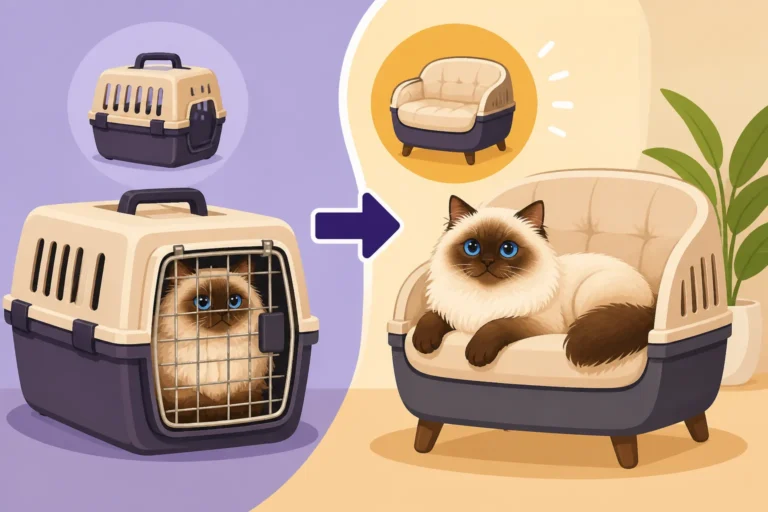
For a Himalayan, enrichment doesn't mean skyscraper cat trees or shelves near the ceiling. Instead, it means providing engaging toys and comfortable perches at easily accessible heights. Think waist-high cat trees with wide, stable platforms, cozy beds on the floor, or soft cushions placed on low window sills. These setups allow them to satisfy their natural curiosity and desire for observation without physical strain.
Many Himalayans enjoy watching the world go by from a window, but they don't need to be on a high shelf to do so. A sturdy cat tree designed for larger, less agile cats, or simply a well-placed stool, can provide the perfect vantage point. Items from brands like Amazon offer a wide variety of cat trees specifically designed with larger, heavier, or less mobile cats in mind, featuring broader platforms and lower heights. What a Cobby Himalayan Needs Wide Platforms, Not Tall Ones is key for their comfort and safety. Ensuring that their favorite sunbathing spots or bird-watching perches are low and secure eliminates any incentive for them to attempt a difficult jump.
Safe and Accessible Drinking and Eating Stations
The flat face of a Himalayan makes certain everyday actions, like eating and drinking, a bit more challenging than for a cat with a conventional muzzle. Deep, narrow bowls can be difficult for them to reach into without bending their whiskers uncomfortably or pushing food out. This also influences how high their food and water bowls should be placed.
Elevated feeders are often recommended for Himalayans, but not necessarily for height to mimic a counter. Rather, they lift the bowl just enough so the cat doesn't have to stoop too much, which can put pressure on their neck and make breathing harder. The bowls themselves should be wide and shallow, allowing them to eat without discomfort. Brands like Amazon offer an array of ceramic or stainless steel bowls designed with flat-faced breeds in mind. You'll want to avoid bowls that require them to lean over too far or push their face deep into the dish, as this can make eating a messy and uncomfortable experience, further solidifying their preference for easy-to-access, low-lying amenities. Which Puzzle Feeder a Himalayan Can Get Its Face Into are often designed with this consideration in mind.
Creating a "Floor-Level Kingdom"
Ultimately, many Himalayan owners find themselves, often unknowingly, creating a "floor-level kingdom" for their beloved cats. This means that the most interesting, comfortable, and necessary aspects of the cat's life are situated within easy reach. The best toys are on the floor, the most inviting beds are low, and the primary sources of food and water are accessible without any vertical gymnastics.
This intentional or unintentional design of the home environment significantly reduces any reason for a Himalayan to aspire to counter-height adventures. Why struggle to jump when everything you could possibly want or need is right where you are? It reinforces their natural tendencies and ensures they live a life of maximum comfort and minimum exertion. This harmony between their nature and their environment means that their world is fulfilling and engaging without ever requiring them to become an aerialist. The Height a Himalayan Decides Is Not Worth It is often quite low!
Implications for Care and Safety
Understanding why your Himalayan rarely reaches a counter isn't just about quirky behavior; it has significant implications for their overall care, safety, and well-being. Knowing their limitations helps owners make informed decisions about their health, environment, and even playtime.
Preventing Falls and Injuries
Given their cobby build, substantial weight, and potential for clumsy landings, a fall from a height can be much more serious for a Himalayan than for a lighter, more agile cat. A sprained limb, a broken bone, or internal injuries are real risks if they attempt and fail a high jump. Unlike a cat that can gracefully right itself mid-air or land on its feet from significant heights, a Himalayan might struggle with these maneuvers.
Therefore, it's crucial for owners to actively discourage any attempts at high jumps, however rare they may be. While they generally self-regulate, a moment of unusual curiosity or sudden fright could lead to an ill-advised leap. Keeping valuable or breakable items off reachable low shelves is also good practice, not because they'll deliberately knock them down, but because a less-than-graceful movement could cause accidental damage. Prioritizing their safety means recognizing their physical limits and ensuring their environment is as forgiving as possible for a cat that prefers to stay grounded.
Monitoring Weight and Mobility
Because Himalayans aren't burning a lot of calories through acrobatic feats, and because their breed predisposes them to a more sedentary lifestyle, maintaining a healthy weight is absolutely paramount. An overweight Himalayan will find even low jumps more difficult, exacerbate any existing respiratory issues, and put undue strain on their joints, especially their hips and knees. This can lead to decreased mobility and a higher risk of conditions like arthritis as they age.
Regular veterinary check-ups and a carefully managed diet are essential. Owners should be vigilant about portion control and ensure their cat gets appropriate, gentle exercise. How to Find a Himalayan's Ribs Through a Persian Coat can be tricky with their dense fur, but it's important to monitor their body condition. If a Himalayan is struggling to get onto a low sofa, it's a clear indicator that their weight or mobility needs attention. Keeping them at a lean, healthy weight will ensure they remain comfortable and mobile for as long as possible, allowing them to enjoy their preferred low-to-the-ground lifestyle without unnecessary strain.
Adapting Playtime to Their Abilities
Finally, understanding their physical and behavioral inclinations means adapting playtime to suit their unique abilities. Forget about encouraging them to climb elaborate cat trees or leap for hanging toys. Instead, focus on games that engage their minds and bodies at ground level.
Laser pointers, feather wands (held low to the ground), crinkle balls, and small plush toys are often big hits. Interactive play that encourages horizontal chasing, gentle pounces, and batting helps them stay active and mentally stimulated without taxing their respiratory system or putting stress on their joints. You might even find them enjoying a game of "hide and seek" with a favorite toy under a blanket. Brands available on Amazon often feature wand toys with interchangeable attachments, perfect for keeping a Himalayan engaged with variety. The key is to make playtime fun, engaging, and safe, always respecting their limits and celebrating their charming, calm approach to life. Why a Himalayan Pants After Five Minutes of Play is a clear sign to dial down the intensity. By doing so, you'll have a happy, healthy, and perfectly content Himalayan who is thrilled to grace your life from the comfort of their favorite low perch.
| Trait / Behavior | Himalayan Cat | Agile Cat (e.g., Siamese) | Impact on Counter Jumping |
|---|---|---|---|
| Body Type | Cobby, heavy-boned, compact | Svelte, lithe, muscular | Himalayan: Less leverage for vertical jumps, heavier landing. Agile: Built like a spring, powerful leaps. |
| Leg Length | Shorter, thicker | Longer, slender | Himalayan: Reduced reach and push-off power. Agile: Greater reach, more dynamic jumping. |
| Weight | Generally heavier (up to 12-15 lbs or more) | Lighter (typically 6-10 lbs) | Himalayan: More effort to lift body, harder to balance on narrow surfaces. Agile: Easier to propel and balance. |
| Facial Structure | Brachycephalic (flat face) | Mesocephalic (average muzzle) | Himalayan: Compromised airways, quick exhaustion, overheating. Agile: Efficient breathing, sustained activity. |
| Stamina for Exertion | Low, quickly overheats | High, good endurance | Himalayan: Avoids strenuous activity. Agile: Enjoys high-intensity play and exploration. |
| Temperament | Calm, docile, comfort-seeking | Energetic, curious, interactive | Himalayan: Less motivated to explore high places. Agile: Strong exploratory drive, seeks high vantage points. |
| Preferred Play | Ground-level batting, gentle chases | Climbing, leaping, vigorous hunting simulations | Himalayan: Satisfied with low-impact games. Agile: Requires vertical enrichment and challenges. |
| Reaction to Heights | Prefers low, stable surfaces | Enjoys climbing, observing from high perches | Himalayan: Finds high places too much effort/risk. Agile: Feels secure and stimulated from elevated positions. |
Disclaimer
This article is for general informational purposes only and does not constitute professional advice. Laws, prices and regulations vary by location and change over time. Consult a qualified professional for guidance on your specific situation.