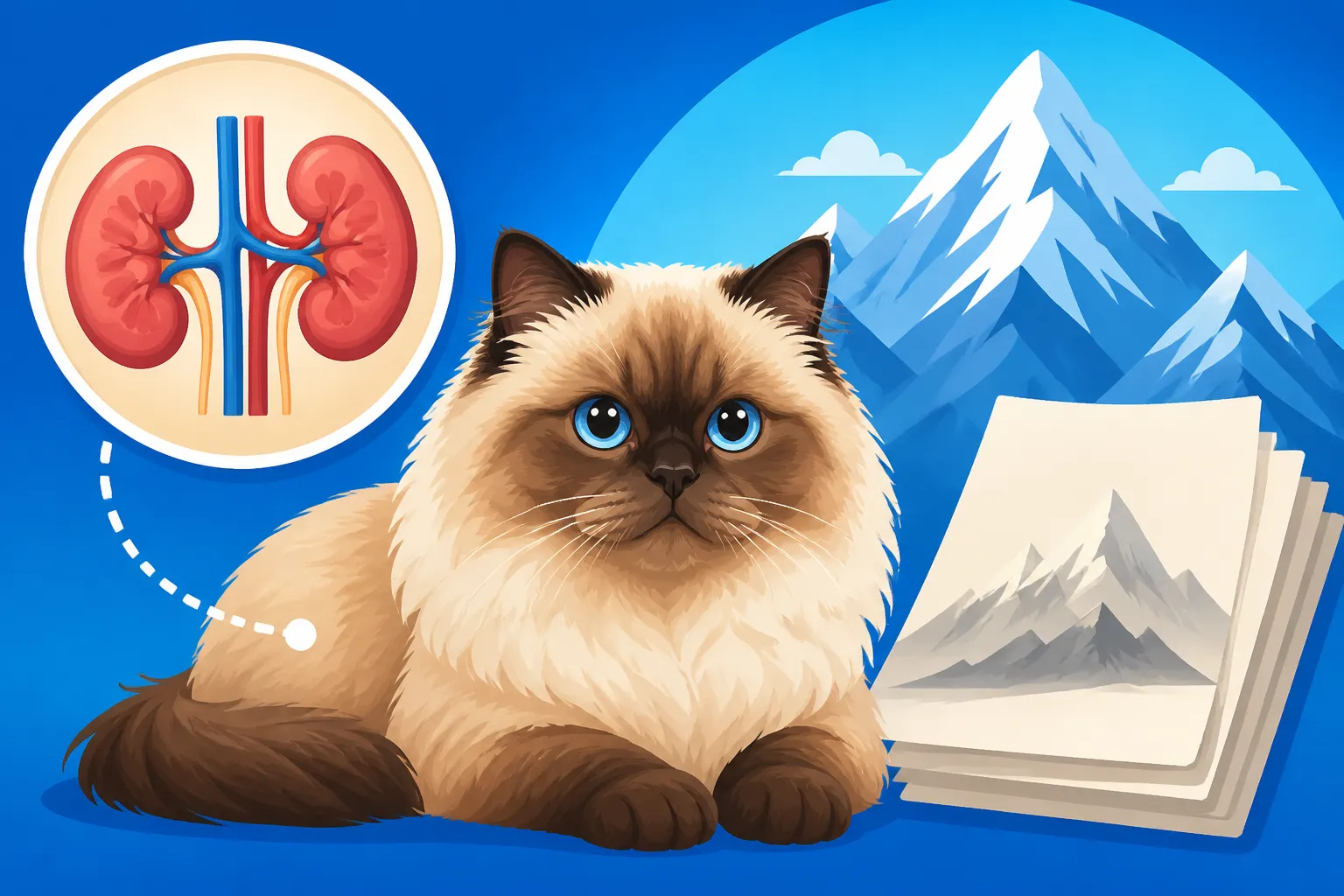
Why the Persian Kidney Test Belongs on Himalayan Papers
Finding a reputable Himalayan breeder can feel like a maze, especially when you're trying to understand all the health certifications and guarantees. One of the most critical documents you should absolutely insist on seeing, right there on your kitten's paperwork, is proof of Polycystic Kidney Disease (PKD) testing for both parents. This isn't just a formality; it's a foundational step in ensuring your future furry family member has the best possible start to a long, healthy life, saving you from potential heartbreak and massive vet bills down the line. This guide will walk you through exactly why this test is non-negotiable and what it means for your precious Himalayan.
The Persian Connection: Understanding Polycystic Kidney Disease (PKD)
It’s easy to fall in love with a Himalayan's stunning blue eyes and luxurious coat, but behind that adorable face lies a genetic history closely tied to the Persian cat. This connection, while giving us so much of what we adore about Himalayans, also brings with it certain inherited health predispositions. One of the most significant of these is Polycystic Kidney Disease, or PKD, which is definitely something we need to talk about openly and honestly.
What is PKD and How Does it Affect Himalayans?
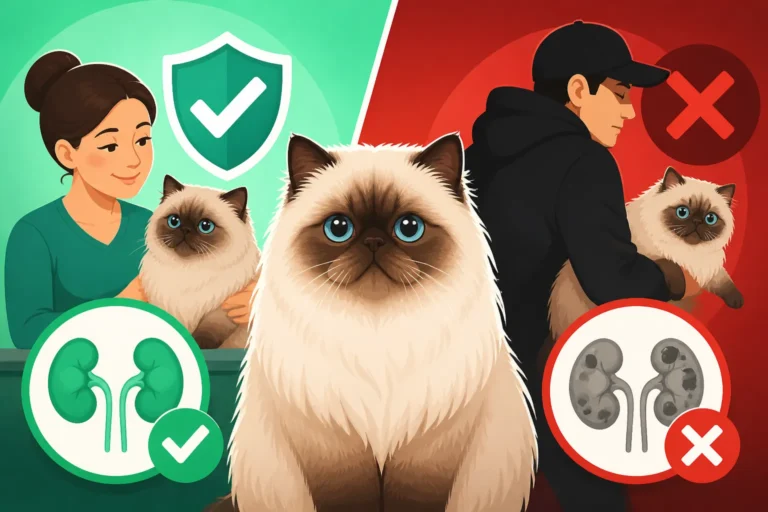
PKD is a hereditary condition where cysts, fluid-filled sacs, develop in the kidneys. These aren't just any cysts; they start small, often present from birth, and gradually grow larger over time. As they expand, they unfortunately displace and destroy healthy kidney tissue. Imagine a beautiful, intricate clock mechanism slowly being crowded out by invading bubbles – that’s essentially what happens inside the kidneys of a cat with PKD. The condition is inherited from the Persian side of a Himalayan's ancestry, making it a critical concern for this breed.
These cysts can range in size from tiny pinpricks to quite large, and their number can vary from just a few to many, riddling the entire kidney. The insidious nature of PKD is that it’s progressive; it doesn’t just appear and stay stagnant. Over months and years, these cysts grow, reducing the kidneys' ability to filter waste products from the blood. Eventually, this leads to chronic kidney failure, a devastating diagnosis that profoundly impacts a cat's quality of life and, ultimately, its lifespan. For a beloved Himalayan, seeing them struggle with kidney disease is heartbreaking, especially knowing it could have been prevented.
The Silent Threat: Why Early Detection Matters
One of the most frustrating and challenging aspects of PKD is its silent progression. Most cats affected by PKD show absolutely no outward signs or symptoms in their early years. They might appear perfectly healthy, playful, and happy, leading their owners to believe everything is fine. This can go on for years, sometimes until the cat is five, seven, or even older, before enough kidney function is lost for noticeable symptoms to emerge. By the time you notice your cat drinking more, losing weight, having a dull coat, or showing a decreased appetite, the disease is often already quite advanced.
This delayed onset of symptoms is precisely why relying on a cat's appearance or apparent health is so dangerous when it comes to PKD. You wouldn't know by looking at a kitten or even a young adult cat if they carry the gene or have early-stage cysts. The emotional toll of discovering your cherished Himalayan has been silently battling a debilitating genetic disease, knowing there was a test that could have informed you years ago, is immense. It transforms what should be a joyful pet ownership journey into one shadowed by chronic illness management. This is why understanding how early cysts show on a Himalayan's kidney scan is important, but more so, preventing them from being passed on at all.
The Role of the PKD Gene Test
Thankfully, modern veterinary science offers a definitive solution: the PKD gene test. This isn't a complex, invasive procedure; it's typically a simple cheek swab. A vet or breeder can collect a small sample of cells from the inside of the cat's mouth, which is then sent to a specialized laboratory. This test directly identifies the presence or absence of the specific gene mutation responsible for PKD. It tells you, with certainty, whether a cat is genetically clear, a carrier (meaning they have one copy of the gene but typically won't develop the severe form of the disease), or affected (meaning they have two copies and will almost certainly develop PKD).
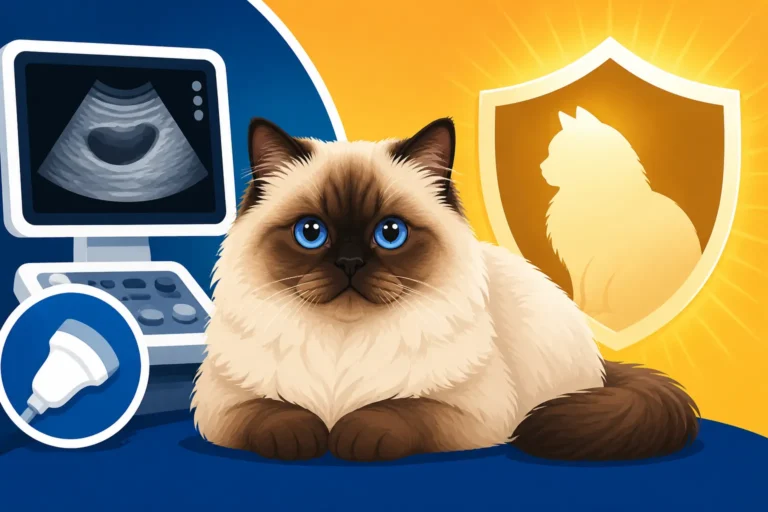
This gene test is vastly superior to relying solely on ultrasound scans, especially for screening breeding cats. While an ultrasound can reveal cysts once they are large enough to be visible, it doesn't tell you if the cat carries the gene before cysts develop. A cat might have small, undetectable cysts on an early scan but still be genetically positive and pass the gene to its offspring. The genetic test provides a clear, unambiguous answer about the cat's status, regardless of age or whether cysts have formed yet. For breeders and prospective owners, understanding why a cheek swab clears a Himalayan for PKD provides crucial peace of mind and empowers responsible decisions.
The Breeder's Responsibility: Ensuring Healthy Lines
The backbone of any healthy breed lies with responsible breeders. When it comes to Himalayans, and specifically PKD, their commitment to genetic testing and transparency is absolutely paramount. A good breeder isn't just selling you a pretty kitten; they're entrusting you with a healthy genetic legacy.
Why Responsible Breeders Test for PKD
Responsible Himalayan breeders view PKD testing not as an option, but as an ethical imperative. Their goal is to improve the breed, not just perpetuate it. This means actively working to eliminate known genetic diseases from their lines. By testing all their breeding cats for PKD, they ensure that they are only pairing genetically clear individuals, or at least understanding the genetic implications of any pairings. The science is incredibly clear: if both parent cats are genetically clear for PKD, their offspring will also be clear and will never develop the disease. This is the cornerstone of preventing future suffering and is why two clear parents end PKD in a Himalayan line.
This proactive approach requires an investment of time, effort, and money, but for a truly responsible breeder, it's a non-negotiable part of their commitment to the breed and to their kitten buyers. They understand the heartache and financial strain that PKD can cause for families, and they are dedicated to preventing it. It's about more than just a clean bill of health for one cat; it's about safeguarding the health of the entire Himalayan population for generations to come.
The Impact of Untested Breeding
Unfortunately, not all breeders adhere to these high standards. In the past, before the widespread availability and understanding of the PKD gene test, many Himalayan lines unknowingly carried and propagated the PKD gene. Breeders would see seemingly healthy cats produce beautiful kittens, oblivious to the ticking time bomb of cysts within their genetics. This ignorance led to widespread prevalence of PKD, and what PKD did to Himalayan lines before the gene test was truly devastating, leading to countless cats suffering from chronic kidney disease and dying prematurely.
Even today, unethical or uneducated breeders might skip genetic testing to cut costs or because they fear finding positive results that would force them to alter their breeding programs. Kittens from untested lines are a gamble, plain and simple. You might get lucky, but you also run the significant risk of adopting a kitten destined for kidney failure. This not only results in immense emotional distress for the owner but also leads to substantial veterinary expenses for managing a chronic, irreversible condition. The short-term financial savings of a cheaper, untested kitten are almost always dwarfed by the long-term costs of caring for a sick cat.
Certificates as Proof: What to Look For
When you're looking at Himalayan kittens, a breeder's verbal assurance that their cats are "healthy" or "don't have PKD" isn't enough. You need concrete proof. A reputable breeder will eagerly provide official documentation from a veterinary diagnostic laboratory for both parent cats, demonstrating their PKD status. This certificate should clearly state the cat's name, breed, microchip number (if applicable), the test performed (PKD DNA Test), and the result (e.g., "PKD negative" or "clear").
Don't be afraid to ask questions about how to read a Himalayan's PKD certificate. Understand what each section means. The certificate should ideally be from a recognized and accredited lab, and it should pertain directly to the parents of the kitten you are considering. It's perfectly acceptable, and indeed wise, to ask for copies of these documents to keep for your records. This level of transparency is a hallmark of a breeder who truly cares about the health of their animals and the peace of mind of their buyers.
Why "Himalayan Papers" Must Include PKD Status
When we talk about "Himalayan papers," most people immediately think of pedigree and lineage. While a cat's ancestry is certainly part of its identity, for a Himalayan, these papers must go beyond just names and dates. They need to be a testament to health, specifically including critical genetic test results like PKD.
More Than Just Pedigree: Health Documentation
For many prospective pet parents, "papers" simply mean the official registration documents that prove a cat is a purebred Himalayan. And yes, those are important for tracking lineage and ensuring authenticity. However, in the context of responsible breeding and lifelong pet ownership, these papers should be much more comprehensive. They should serve as a complete health dossier, documenting genetic screenings that confirm the cat's health predisposition. The inclusion of PKD test results directly on or attached to a Himalayan's official paperwork transforms it from a mere lineage record into a vital health guarantee.
This means that when you receive your kitten's documents, they should include not just its family tree, but also verifiable proof that its parents (and ideally, grandparents) were screened for PKD and found to be clear. This is part of the broader category of which two certificates a Himalayan breeder owes you—one for pedigree and one for genetic health. This commitment to transparent health documentation speaks volumes about a breeder's integrity and their dedication to producing robust, healthy kittens.
Protecting Your Investment and Your Heart
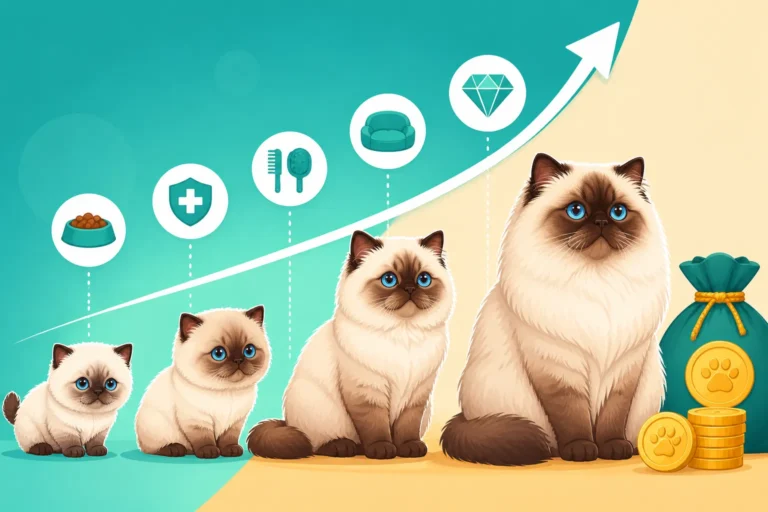
Let’s be realistic: bringing a purebred Himalayan into your home is an investment, both financially and emotionally. Himalayans, with their unique needs for grooming and potential health predispositions, can be costly to care for over their lifetime. The cost of a kitten itself is just the beginning. Imagine the heartbreak and financial strain if, years down the line, you find yourself facing the grim reality of your beloved cat suffering from kidney failure due to PKD. The veterinary bills for managing chronic kidney disease, including specialized diets (which you'd want to discuss with your vet), medications, and potentially even home fluids, can quickly become overwhelming. This is why a cheap Himalayan was never kidney tested is a significant red flag.
Having documented proof of PKD clearance for your kitten's parents mitigates this risk significantly. It’s an assurance that your initial investment is protected, and more importantly, it offers immense peace of mind. Knowing that you've done everything in your power to choose a healthy kitten means you can focus on building a loving bond, rather than worrying about an inherited disease. While no guarantee eliminates all future health issues (cats are living beings, after all!), it dramatically reduces the risk of one of the most serious and common hereditary conditions in the breed. Having solid pet insurance, like a plan from Healthy Paws, can certainly help cushion unexpected costs, but preventing a known genetic disease through responsible breeding is always the best first step.
The Difference Between Tested and Untested Lines
The contrast between Himalayans from tested lines and those from untested lines is stark, particularly when it comes to longevity and quality of life. Cats from lines where PKD testing is rigorously performed and clear cats are bred together tend to live full, healthy lives, often reaching their full nine to fifteen years. They are free from the silent, progressive threat of kidney cysts, which means their kidneys are able to function optimally throughout their lives. This peace of mind translates directly into a higher quality of life for both the cat and its human family.
Conversely, cats from untested lines carry an unknown risk. They might live long, healthy lives, or they might succumb to kidney failure in middle age, often after a protracted and expensive battle with the disease. The emotional toll of watching a beloved pet slowly decline from a preventable genetic condition is immense. Understanding how many years a Himalayan from tested lines lives gives you a clear benchmark for what to expect, and it emphasizes the importance of making an informed choice when selecting your kitten.
Navigating the Purchase: What to Ask and Insist On
The process of bringing a new Himalayan into your home should be exciting and filled with anticipation, not anxiety. But to ensure it stays that way, you need to be an informed and assertive buyer. Don't be shy about asking direct questions and insisting on seeing proof.
Your Checklist for a Responsible Himalayan Breeder
When you're communicating with a potential breeder, come prepared with a list of questions. Be polite but firm. Here’s a checklist of what to ask, specifically regarding PKD:
- "Do you test your breeding cats for PKD?" (The answer should be an unequivocal "yes.")
- "Can I see the official PKD genetic test certificates for both the mother and father of this litter?" (Insist on seeing physical or digital copies from an accredited lab, not just a verbal confirmation.)
- "Are these certificates readily available on your website or in person?" (A transparent breeder will have them handy.)
- "What is the policy if a kitten from your lines is later diagnosed with PKD?" (While rare from tested lines, a good breeder will have a health guarantee in their contract).
A good breeder will welcome these questions, seeing them as a sign of a responsible future owner. They should be proud to share their health documentation and explain their breeding practices. If they seem hesitant, defensive, or try to deflect your questions, consider that a major warning sign.
Here's a handy table outlining questions and what you should expect:
| Question for Breeder | Expected Answer from Responsible Breeder | Red Flag |
|---|---|---|
| Do you test for PKD? | "Yes, all our breeding cats are DNA tested clear for PKD." | "We don't believe in those tests," or "My vet says they look fine." |
| Can I see the PKD certificates? | Provides copies of official lab results for both parents, clearly stating "PKD Negative" or "Clear." | Offers verbal assurance only, says "the vet knows," or claims they're "lost." |
| Is it documented on the kitten's papers? | "Yes, the health guarantee in the contract specifically covers PKD, backed by parent test results." | No mention of PKD in the contract or a vague health guarantee that doesn't specify genetic tests. |
| What's your policy if PKD develops? | "Our contract includes a health guarantee. We stand by the health of our kittens." Offers clear terms. | Avoids the question, acts offended, or has no written policy. |
Red Flags to Watch Out For
Sadly, not everyone breeding Himalayans operates with the highest ethical standards. There are specific red flags that should make you pause and reconsider. If a breeder avoids your questions about health testing, or worse, outright states they don't test for PKD, walk away. Immediately. This is a critical decision point. A lower price for an "untested" kitten might seem appealing upfront, but as we’ve discussed, this is a classic example of why a cheap Himalayan was never kidney tested. That seemingly good deal can quickly become a financial and emotional burden far exceeding the initial savings.
Other red flags include breeders who:
- Refuse to let you visit their cattery (even if virtual initially).
- Can't produce documentation for both parents.
- Have multiple litters available at once, suggesting a high-volume operation rather than a focus on quality.
- Offer a "health guarantee" that is vague or doesn't explicitly mention genetic diseases like PKD.
- Use phrases like "vet checked" as a substitute for actual genetic testing. A vet check at 8 weeks will not detect PKD.
- Don’t mention a specific diet (like those offered by Chewy, which can be an excellent resource for a variety of high-quality cat foods, or specialized veterinary diets) or specific grooming tools necessary for Himalayans.
Transparency and openness are key indicators of a responsible breeder. You should feel comfortable and informed throughout the entire process.
The Legal and Ethical Ramifications
While specific laws regarding pet sales and health guarantees vary widely by region, the ethical responsibility of a breeder to ensure the health of their animals is universal. A strong, written contract from a breeder is your best protection. This contract should clearly outline the health guarantee, including specifics about PKD status, and what remedies are available if an issue arises. It's a mutual agreement that protects both you and the breeder.
Beyond the legalities, there's the moral imperative. Breeding animals comes with a profound responsibility to safeguard their welfare and the future of the breed. By actively selecting for genetic health, breeders contribute to a healthier gene pool, reducing suffering and improving the lives of countless cats. As a buyer, by insisting on documented PKD testing, you are not only protecting yourself but also supporting ethical breeding practices and helping to drive demand for healthier animals.
Living with a Himalayan: Ongoing Health Considerations
Even if your Himalayan comes from impeccable, PKD-tested lines, responsible pet ownership involves ongoing vigilance and proactive health management. While genetic testing significantly reduces the risk of PKD, it doesn't mean you can forget about kidney health altogether.
Regular Vet Check-ups and Monitoring
Bringing your Himalayan home means establishing a strong relationship with a trusted veterinarian. Regular annual check-ups are vital for all cats, but especially for a breed like the Himalayan with its unique needs. Your vet will perform a comprehensive physical examination, and as your cat ages, blood and urine tests become increasingly important. For Himalayans, specifically, your vet will likely start tracking kidney numbers from about five years of age, or even earlier, especially if there's any family history of kidney issues, even if the parents were PKD negative.
These regular screenings, which may include bloodwork to check kidney function markers like BUN and creatinine, as well as urine specific gravity, can help catch any kidney abnormalities early, regardless of their cause. Even in a PKD-clear cat, other forms of kidney disease can develop over time. Early detection allows for timely intervention and management, which can significantly extend your cat’s healthy lifespan. Maintaining these regular appointments is key to staying ahead of any potential health concerns.
Dietary Management and Lifestyle for Kidney Health
Nutrition plays a crucial role in supporting overall health, including kidney function, throughout a Himalayan's life. While there's no special diet required for a PKD-clear cat, ensuring they receive a high-quality, balanced diet is fundamental. Hydration is also incredibly important for kidney health; encourage water intake with multiple water bowls, perhaps even a fountain. Many Himalayans prefer wide, shallow bowls to avoid bending their whiskers, making them more inclined to drink more frequently.
If, against all odds, a Himalayan from a PKD-tested line does develop kidney issues (or if you adopt an older cat whose history is unknown), dietary management becomes even more critical. Your veterinarian might recommend a prescription renal diet, specifically formulated to reduce the workload on the kidneys. These diets typically have restricted protein and phosphorus levels, and increased omega-3 fatty acids. Companies like Chewy offer a wide array of prescription diets, often available for home delivery, making it easier to manage your cat's specific dietary needs. Always consult your vet before making any significant dietary changes, especially for a cat with health concerns. For a cat whose kidneys are struggling, understanding which renal diet a cyst positive Himalayan ends up on is paramount for their comfort and longevity.
By being a proactive and informed owner, insisting on proper documentation, and maintaining a close relationship with your vet, you can truly honor the Himalayan's majestic beauty with the healthy, happy life they deserve.
Disclaimer
This article is for general informational purposes only and does not constitute professional advice. Laws, prices and regulations vary by location and change over time. Consult a qualified professional for guidance on your specific situation.