Whether a Himalayan Kneads Its Chair Before Settling
Anyone who shares their home with a cat knows the adorable, sometimes perplexing, ritual of "making biscuits" – that rhythmic pushing and pulling with their paws, claws extended and retracted, often accompanied by a rumbling purr. It’s a classic cat behavior that warms our hearts and sometimes pokes our laps! But if you've ever wondered whether your dignified Himalayan, with their luxurious coat and typically serene disposition, engages in this primal dance before settling down, you're not alone. This guide will delve into the beautiful instinct of kneading, exploring why Himalayans, despite their calm and cuddly nature, are just as likely to "make biscuits" as any other feline, and what it truly means when they do.
The Instinct Behind the "Making Biscuits" Phenomenon
Let's be honest, it's a bit of a quirk, isn't it? Our sophisticated, elegant felines suddenly revert to a rather kittenish behavior, pushing their paws into soft surfaces with an intensity that seems disproportionate to the action. But there's a deep, beautiful instinct behind this "making biscuits," and understanding it truly helps us appreciate our Himalayans even more.
This rhythmic pawing behavior is deeply rooted in a cat's earliest days. When a kitten nurses from its mother, it kneads her belly to stimulate milk flow. It's a fundamental association with comfort, nourishment, warmth, and safety. So, when an adult cat kneads, it's essentially tapping into that profound, blissful memory of kittenhood. It's a self-soothing mechanism, a way for them to recreate that feeling of ultimate contentment and security. Imagine your Himalayan, perhaps curled up on your lap, kneading away. They're not just moving their paws; they're expressing a deep, primal trust and happiness, feeling as safe and loved as they did in their mother's care.
Beyond this early association, kneading also serves a few other purposes in the feline world. For outdoor or wild cats, kneading would help to pat down tall grasses or soft leaves, creating a comfortable, safe nesting spot before settling down to sleep or give birth. It's a way of "fluffing the pillow," so to speak, ensuring their resting place is just right. And let's not forget scent marking! Cats have scent glands in their paw pads, so every time your Himalayan kneads, they're subtly depositing their unique scent onto that surface. It's their way of saying, "This is my comfy spot, and I'm very happy here." It's a quiet, understated declaration of ownership and contentment, perfectly suiting the Himalayan's generally reserved personality.
So, while it might look like a simple, repetitive motion, kneading is a complex behavior that speaks volumes about a cat's inner state. It's a testament to their enduring instincts, a signal of deep relaxation, and a sweet, silent declaration of comfort and belonging.
Do Himalayans Knead Their Chairs? The Short Answer and The Nuance
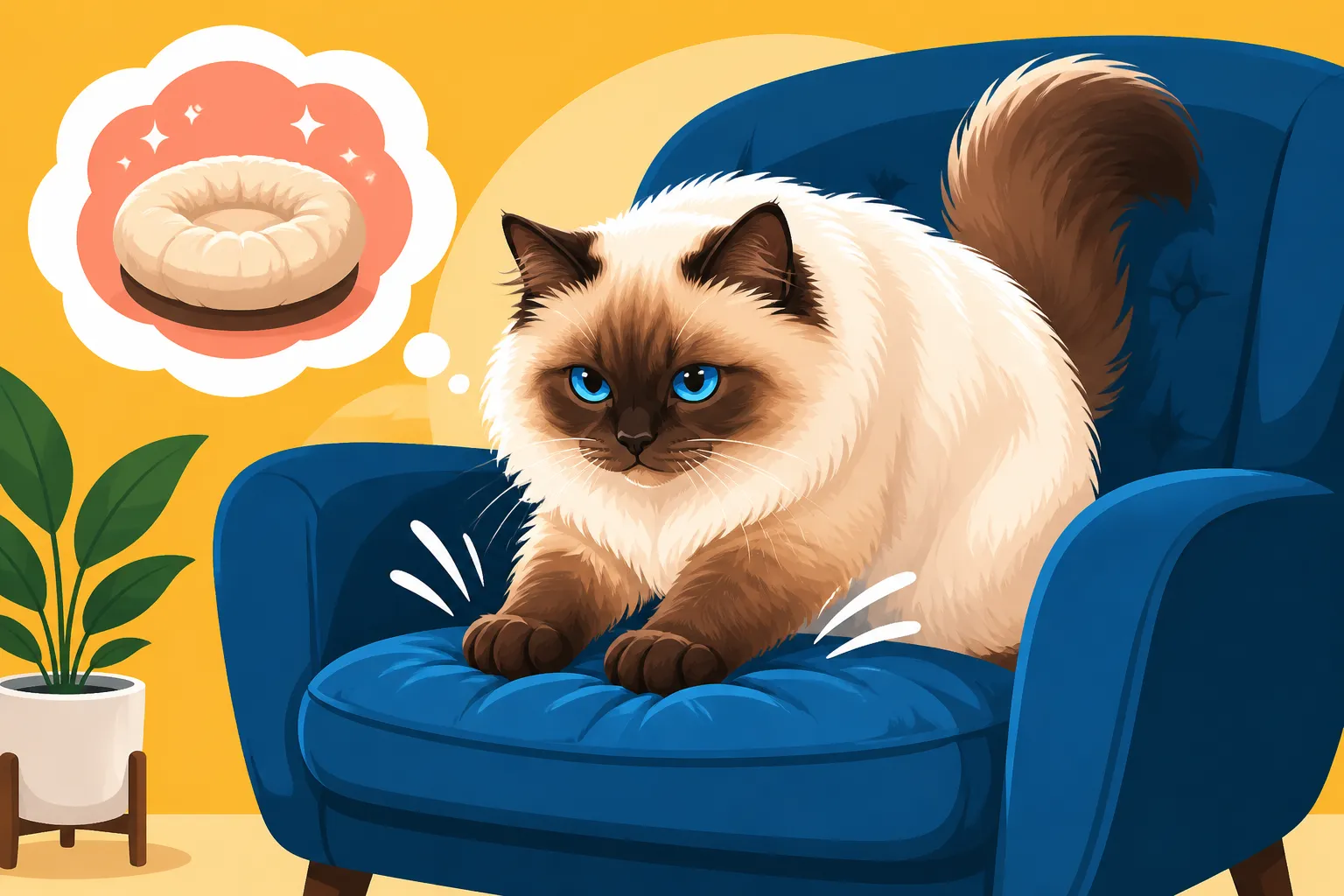
Alright, let's get right to the heart of the matter: Do Himalayans knead their chairs before settling? The unequivocal answer is yes, absolutely! Your regal, long-coated Himalayan is every bit as likely to engage in this heartwarming ritual as any other domestic cat. While they may not be known for the same boisterous energy as some other breeds, their capacity for deep contentment and affection is immense, and kneading is a prime indicator of that.
What's fascinating is the nuance in how a Himalayan might knead. Given their calm, often placid nature, their kneading might appear less frantic or intense than, say, a more energetic Siamese mix. You might observe a slower, more deliberate motion, accompanied by an incredibly deep, resonant purr that vibrates through their entire body. Their eyes might be half-closed in pure bliss, or they might gaze up at you with a slow blink, signaling profound trust and relaxation. It’s a quiet, personal ceremony that often precedes them melting into a perfect fluffy circle.
Their Persian heritage, which contributes to their famously laid-back personality and love for lounging, certainly plays a role. Himalayans are champions of comfort; they seek out the coziest, warmest, and softest spots to rest. So, when they find that perfect plush blanket, that inviting sofa cushion, or especially your warm lap, the instinct to prepare their nest and express their happiness kicks in. The Siamese side of their lineage, while known for being more vocal and active, also contributed a strong bond with their human companions, making the lap a prime target for biscuit-making. The Himalayan Is a Lap Cat That Answers Back is a perfect description of this combination of traits.
The intensity and frequency of kneading can vary greatly from one Himalayan to another. Some might knead every single time they settle, while others might reserve it for truly exceptional moments of peace and quiet, perhaps after a particularly satisfying meal or a long grooming session. The surface itself matters a lot, too. Give a Himalayan a super soft, fleecy throw, a memory foam cat bed, or a thick wool sweater, and you're practically inviting a biscuit-making session. Many owners find excellent, plush beds perfect for their Himalayans on sites like Amazon, providing those ideal kneading surfaces. It's all about creating that inviting, soft haven that triggers their deep-seated comfort response.
Beyond Kneading: A Himalayan's Full Settling Ritual
While kneading is a standout component, it's often just one part of a more elaborate settling ritual for a Himalayan. These highly comfort-oriented cats take their relaxation seriously, and their routine for finding that perfect spot is a testament to their discerning nature. It's not just about plopping down; it's a careful, almost ceremonial process.
The full sequence often begins with a thorough reconnaissance. Your Himalayan might sniff the chosen spot meticulously, ensuring it meets their high standards of cleanliness and comfort. Then comes the circling – often one, two, or even three full rotations, as if they're surveying the territory and mentally preparing their landing strip. This circling isn't just for show; it's another ancient instinct, ensuring there are no hidden predators (or rogue dust bunnies) and that the spot is just the right shape for their cobby body.
After the sniffing and circling, the kneading often commences. This is where the purring usually reaches its peak, a rumbling engine of contentment. Their claws will extend and retract, gently working the fabric of their chosen "chair" – be it a sofa, a special cat bed, or your thigh. The thick, luxurious coat of a Himalayan needs a good, soft foundation, and the kneading helps them feel utterly secure and embraced by their surroundings. This is why having a soft, inviting bed is so crucial for these cats; think of thick, plush donut beds or soft, squishy mats that they can really sink into. You can find a huge variety of these cozy hideaways on Amazon, perfect for tempting your fluffy friend into a kneading frenzy.
Once the kneading subsides, you'll witness the final, sublime act: the melt. Your Himalayan will curl into a tight, perfect ball, often tucking their head into their body or resting it on their enormous ruff. Their eyes may slowly close, perhaps with a final, languid blink. This is when they truly "settle." They become a fluffy, immovable fixture on their chosen surface, often remaining there for hours, disturbed only by meal times or the call of a particularly interesting sunbeam. What a Himalayan Does All Day in One Chair describes this perfectly. Because Himalayans aren't usually avid climbers, their "chairs" tend to be ground-level – a specific cushion on the sofa, a dedicated cat tree platform (provided it's low and wide enough), or a soft rug near a warm vent. Why a Himalayan Stays on the Floor and the Sofa explains their preference for accessible comfort.
Their magnificent coat, a defining feature, actually plays a significant role in their settling preferences. While it's beautiful, it can also make them overheat more quickly than their shorter-haired cousins. So, while they seek warmth, they also instinctively look for surfaces that allow some air circulation or aren't excessively hot. This is why you might see your Himalayan moving from one spot to another as the day progresses, chasing or avoiding the sun – Why a Himalayan Moves Rooms as the Sun Does is a common observation. A favored blanket on a tile floor might be their afternoon choice, while a sun-drenched cushion is reserved for cooler mornings.
Encouraging Comfort and Responding to Your Kneading Himalayan
As dedicated Himalayan parents, our goal is to ensure our furry companions are as comfortable and content as possible. Since kneading is such a profound expression of well-being, there are several things we can do to encourage this delightful behavior and respond in a way that deepens our bond.
First and foremost, provide a multitude of soft, inviting spots around your home. Think beyond just one cat bed. Himalayans adore choices. Plush blankets draped over chairs, soft cushions on windowsills (if they can access them safely), and dedicated cat beds in various rooms will give them ample opportunities to find their perfect kneading and settling zone. Look for high-quality, washable cat beds on Amazon that offer plenty of cushioning and a soft, inviting texture. Materials like faux fur, fleece, or even a soft chenille can be irresistible to their paws.
When your Himalayan starts kneading, it's a sign that they feel incredibly safe and loved. Your response can reinforce this positive emotion. Gentle, quiet praise in a soft voice can go a long way. A slow, comforting stroke along their back or behind their ears can enhance their bliss, especially if they lean into your touch and continue purring. Avoid sudden movements or loud noises that might startle them out of their tranquil state. This is their moment of pure zen, and respecting it strengthens their trust in you. Remember, Why a Himalayan Purrs More Than It Meows often indicates their deep satisfaction, and kneading is often accompanied by this joyful sound.
While kneading is natural, sometimes the claws can be a bit… enthusiastic. If your Himalayan's kneading is becoming a bit too sharp on your clothing or furniture, it's not a sign of aggression, but simply an instinctual extension. Ensure they have appropriate scratching posts and surfaces available. A tall, sturdy sisal post or a flat cardboard scratcher can redirect that urge to extend their claws. You can find a wide array of options on Amazon, from basic scratch pads to multi-level cat trees that include scratching surfaces. Regularly trimming their claws can also help minimize any accidental nicks during their biscuit-making sessions.
What if your Himalayan doesn't knead? Don't fret! While it's a common feline behavior, not every cat expresses comfort in the exact same way. Some Himalayans might prefer to simply purr, head-butt you gently, or rub against your legs as their primary displays of affection and contentment. As long as your cat is otherwise healthy, eating well, and engaging in normal cat behaviors, a lack of kneading isn't usually cause for concern. Pay attention to their other signals – a relaxed posture, a soft gaze, a deep purr – these are all indicators that your Himalayan is happy and settled, even if they aren't "making biscuits." How a Himalayan Asks Without Raising Its Voice often involves these subtle cues, a gentle nudge or quiet gaze.
Ultimately, a kneading Himalayan is a happy Himalayan. It's a privilege to witness this ancient, tender behavior in our elegant companions. By providing them with comfortable environments and responding to their gestures of affection, we nurture their well-being and strengthen the unique bond we share.
| Behavior Type | Description | Himalayan Expression | Owner Response / Support |
|---|---|---|---|
| Kneading | Rhythmic pushing with paws, claws extended/retracted, often with purring. | Often slow, deliberate, deep purr, half-closed eyes, signifies deep contentment and trust. Might be less vigorous than other breeds. | Provide soft blankets, plush beds. Gentle petting. Keep claws trimmed if on laps. Offer scratching posts as alternatives. |
| Purring | A continuous, throaty vibration. | Frequent, deep, and resonant. Can indicate happiness, comfort, or sometimes self-soothing when stressed (less common for comfort). | Enjoy the sound! Gentle interaction, calm environment. Note if purring seems out of context (e.g., during vet visit, may indicate stress). |
| Circling/Pawing | Walking in a circle or pawing at a spot before lying down. | Common, often methodical, ensuring the spot is "just right" for their cobby frame and luxurious coat. May combine with sniffing. | Ensure ample space in their chosen resting spots. Provide clean, inviting surfaces. |
| Slow Blinks | Slowly closing and opening eyes while looking at you. | A classic sign of trust and affection, often seen when deeply relaxed or interacting with a trusted human. | "Blink back" slowly to reciprocate the affection and build trust. |
| Bunting/Head-butts | Gently pushing their head against you or an object. | A way to mark with scent glands on their head, signifies ownership and affection, often accompanied by purring. | Accept the affection! It's a huge compliment. Stroke their head and cheeks. |
Disclaimer
This article is for general informational purposes only and does not constitute professional advice. Laws, prices and regulations vary by location and change over time. Consult a qualified professional for guidance on your specific situation.