Why Heat Reaches a Himalayan Before Any Other Cat
Himalayan cats face high overheating risks because dense coats and shortened muzzles make shedding body warmth difficult.

Himalayan cats face high overheating risks because dense coats and shortened muzzles make shedding body warmth difficult.

Himalayan cats suit apartments because they prefer indoor routines, comfortable chairs, and familiar people over roaming outdoors.
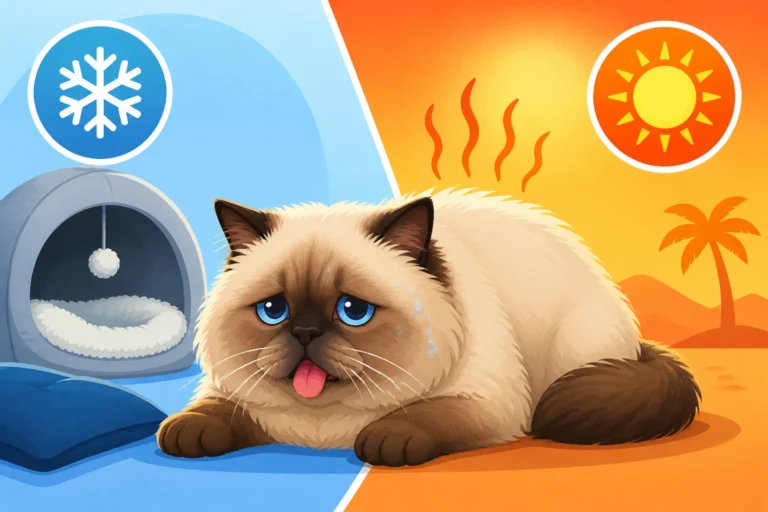
Thick Persian coats, compact muzzles, and body shapes make warm weather harder for Himalayans to manage safely.

Himalayan cat ownership requires daily grooming, regular face care, and attention to inherited health traits for a comfortable home.

Himalayan cat population numbers remain lower than Persian totals due to complex genetics, varying registry categories, and breeding priorities.
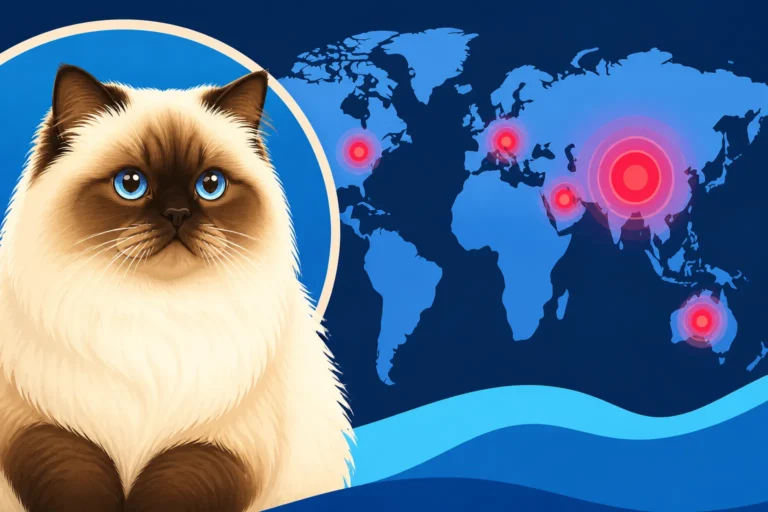
Himalayan cat breeding locations across the United States, plus search strategies using different registry names like Colorpoint Persian.

Himalayan cat registrations lack a single worldwide total because different registries classify the breed differently.
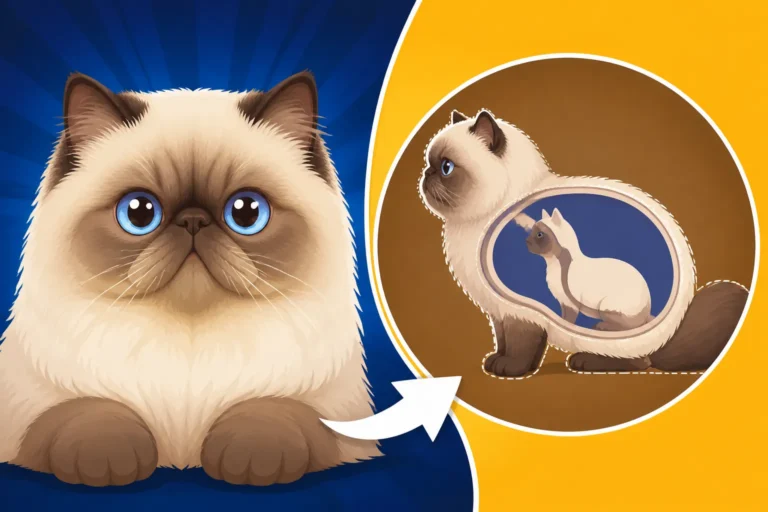
Cat registries count Himalayan cats differently because the Cat Fanciers Association classifies them inside Persian records.

The Himalayan cat temperature-sensitive color gene produces pointed coats in Persians and other breeds through different genetic histories.

Cat breed pedigrees and colorpoint genetics reveal which cats truly carry Himalayan ancestry versus those sharing only a pointed coat.