Which Pain Relief a Himalayan With Cysts Can Take
Safe pain management options and veterinary care strategies for Himalayan cats suffering from Polycystic Kidney Disease.
Know what to watch for.
Breed-specific conditions, screening and DNA tests, what surgery actually costs, and the daily habits that stretch a healthy lifespan.
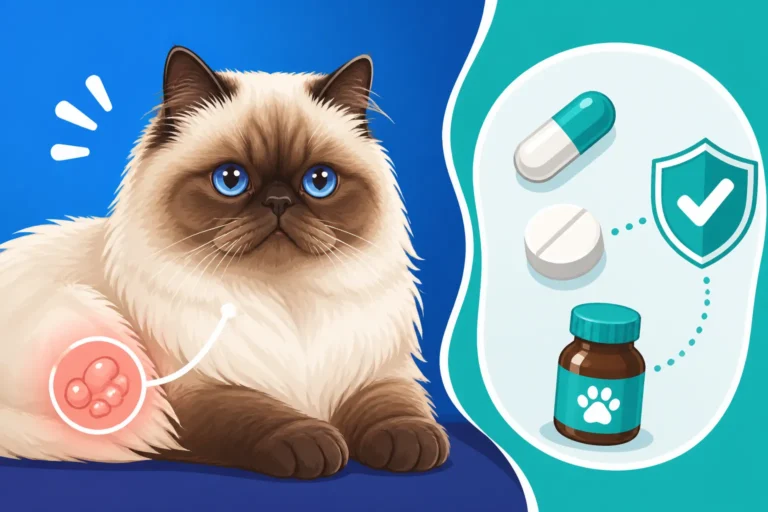
Safe pain management options and veterinary care strategies for Himalayan cats suffering from Polycystic Kidney Disease.
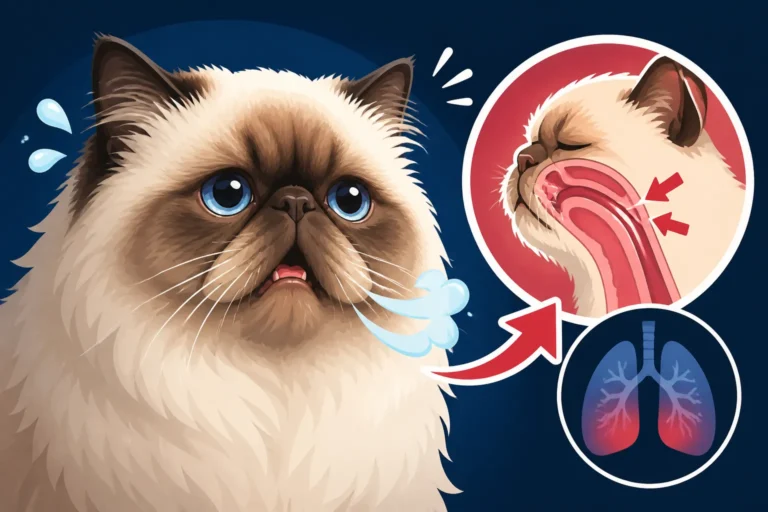
Senior Himalayan cat flat-faced breathing difficulties, including narrowed nostrils and elongated soft palates, worsen with age.

Aging Himalayan cats stop washing their faces and bodies due to arthritis pain and dental issues causing oral discomfort.
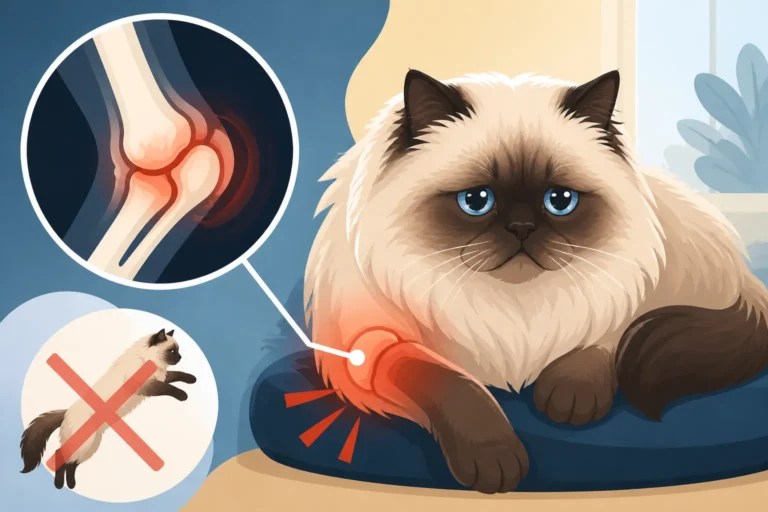
Arthritis symptoms in sedentary Himalayan cats, including genetic risks, joint structure factors, and early detection challenges.
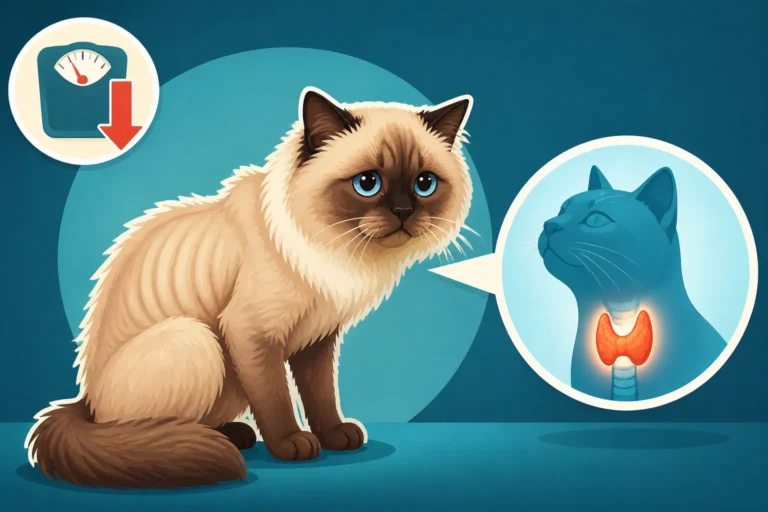
Older Himalayan cats losing weight despite eating normally often need thyroid evaluation due to metabolic regulation issues.
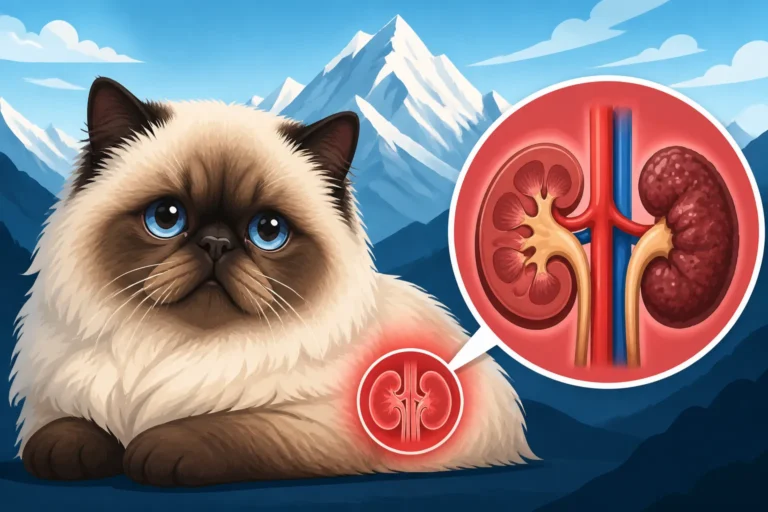
Chronic kidney disease in senior Himalayan cats, including genetic predisposition, subtle signs, and gradual progression.

Senior Himalayan cats over age eight require yearly blood tests to monitor kidney disease, hyperthyroidism, diabetes, and heart conditions.
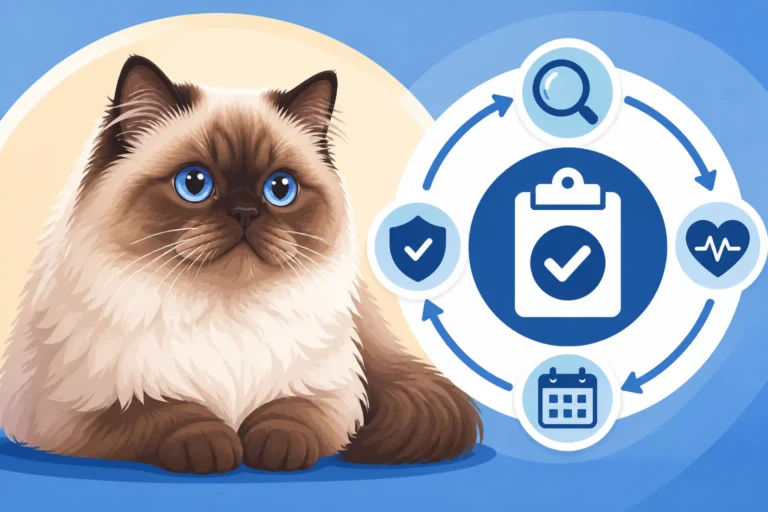
Himalayan cats clear of genetic diseases still need regular veterinary monitoring for PKD, PRA, coat matting, and aging.
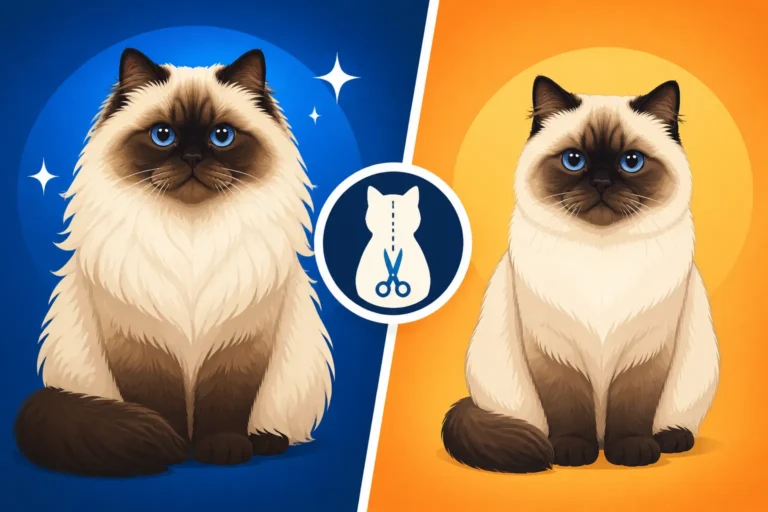
Neutering drops testosterone levels in male Himalayans, causing the ruff and coat to become denser and softer.
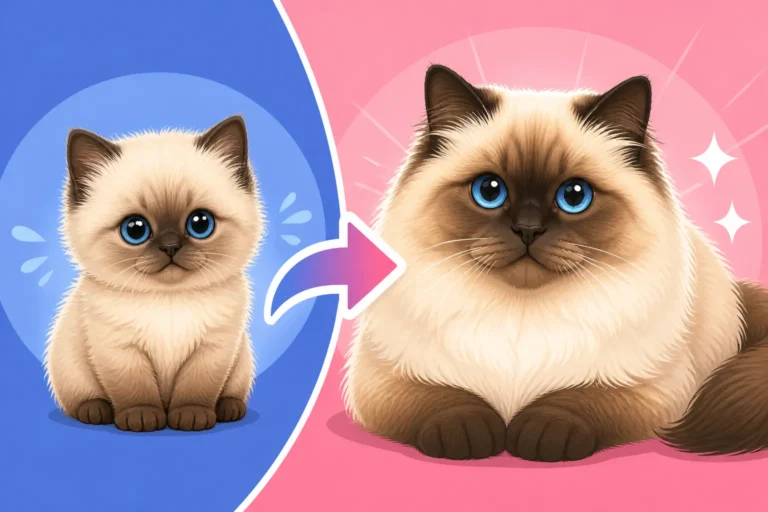
Himalayan kitten facial development is a gradual process determined by genetics, shaping doll face or peke face profiles.