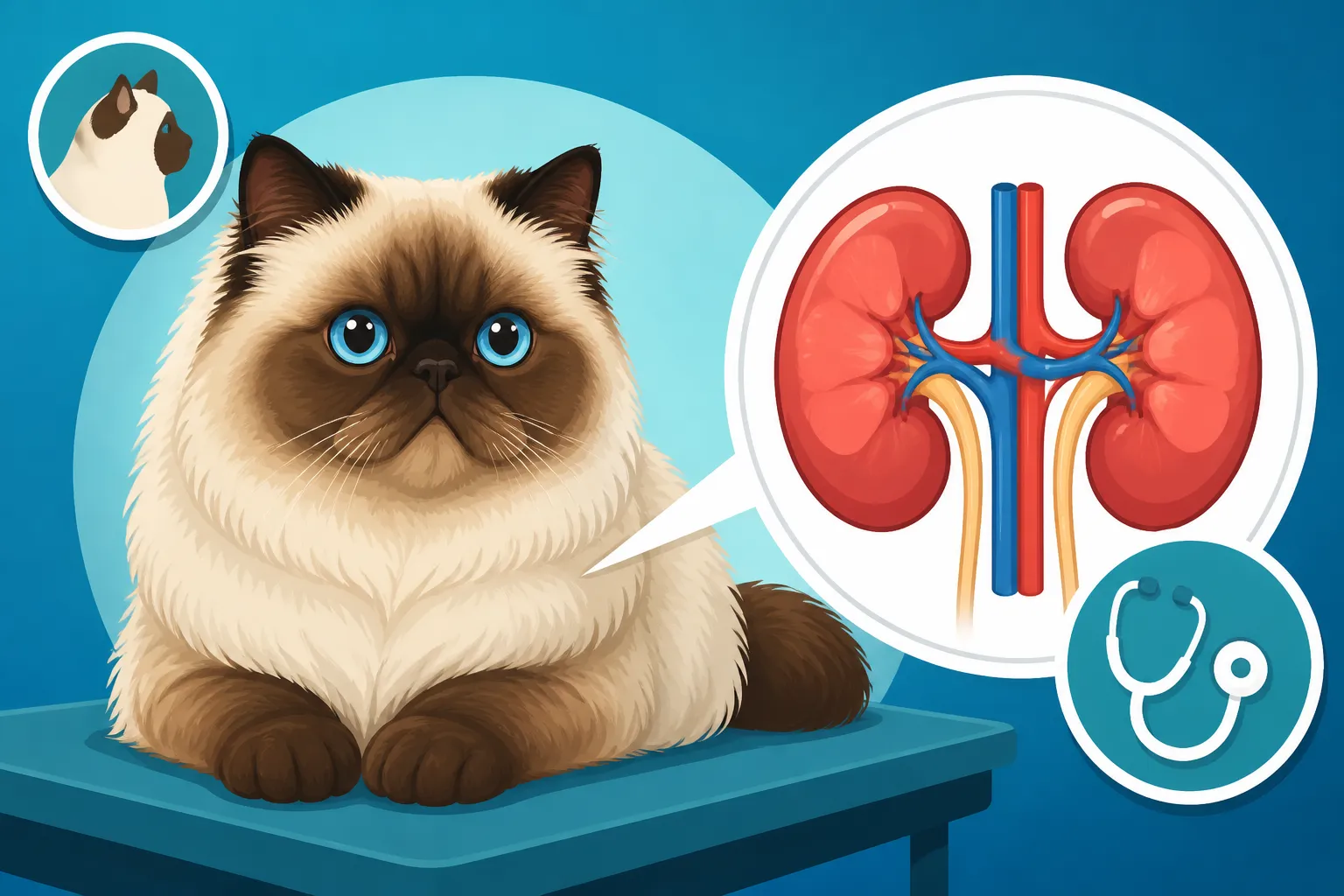
Why a Himalayan’s Annual Visit Includes Its Kidneys
It's a common worry for many Himalayan cat parents: you want to do everything right for your fluffy companion, but the sheer volume of health advice can be overwhelming. One thing you'll hear consistently from your vet, year after year, is the importance of checking your Himalayan's kidneys. This isn't just a routine box-ticking exercise; it's a vital part of managing a breed with a specific genetic predisposition, and understanding why these checks are so crucial can make all the difference in your beloved cat's long-term health and happiness.
The Unique Genetic Predisposition to Kidney Issues in Himalayans
When we talk about Himalayan health, we can't ignore their Persian roots. These magnificent cats inherit so much of their charm, their luxurious coat, and their distinctive facial structure from their Persian ancestors. Unfortunately, they also inherit a predisposition to certain health conditions, and kidney issues are right at the top of that list. It's not a scare tactic; it's just a reality we, as devoted Himalayan owners, need to be aware of and proactively manage.
Understanding Polycystic Kidney Disease PKD1
The primary concern regarding Himalayan kidneys is Polycystic Kidney Disease, often abbreviated as PKD or specifically PKD1. This is an inherited condition where fluid-filled cysts gradually form and enlarge within the kidneys. Think of it like tiny, harmless bubbles at first, but over time, these bubbles can grow, multiply, and eventually take over healthy kidney tissue, impairing its ability to filter waste from the blood. It's a progressive disease, meaning it tends to get worse with age.
What makes PKD1 particularly impactful for Himalayans is its autosomal dominant inheritance pattern. This means a kitten only needs to inherit one copy of the faulty gene from either parent to develop the disease. This is why responsible breeders are so diligent about testing their breeding stock. PKD1 Came Down the Persian Side of a Himalayan, so if a Himalayan's Persian lineage wasn't carefully managed, the risk is much higher. For us, the pet owners, it means that even if your breeder assures you of clear parents, proactive monitoring is still a sensible approach, especially if you adopted your cat without full genetic history.
The cysts are present from birth, but they are often microscopic and don't cause any noticeable problems in young cats. As the cat ages, usually by the time they are five to seven years old, these cysts can become larger and more numerous, leading to signs of kidney dysfunction. The insidious nature of the disease is that cats are incredibly good at hiding illness. By the time obvious symptoms like increased thirst, weight loss, or poor coat quality appear, a significant portion of kidney function may already be compromised. This is precisely why those annual vet visits, with a keen eye on kidney health, are so incredibly important.
Why Early Screening is Non-Negotiable
Given the progressive nature of PKD1, early screening isn't just a good idea; it's truly non-negotiable for anyone who wants to provide the best care for their Himalayan. While a genetic test can definitively tell you if your cat carries the PKD1 gene, not all cats come from tested lines, and even those that do can still benefit from a baseline and ongoing assessment of kidney health. A clear genetic test at a young age is wonderful news, but it doesn't mean your cat's kidneys are exempt from all potential issues later in life, even if PKD1 is off the table.
Early screening allows your veterinarian to establish a baseline for your cat's kidney function when they are young and healthy. This baseline is invaluable for future comparisons. Imagine trying to spot a subtle change in a complex machine without knowing how it performed when it was brand new. Regular checks help to monitor for any deviations from that normal. Catching even slight changes in kidney values or the appearance of very small cysts via imaging can lead to earlier intervention, which can significantly slow the progression of kidney disease and improve your cat's quality of life.
Moreover, if you have a Himalayan whose genetic history is unknown, or if they came from a breeder who wasn't transparent about health testing, early screening becomes even more critical. Knowing the status of their kidneys empowers you to make informed decisions about their diet, hydration, and overall care strategy from a younger age, rather than waiting for symptoms to force a diagnosis when treatment options might be more limited. It's about proactive guardianship, ensuring your sweet, calm companion can enjoy as many comfortable years as possible.
The Essentials of Your Himalayan's Annual Kidney Check
So, what exactly does your vet look for during that annual visit when it comes to kidney health? It's not just a quick pat and a listen. A thorough kidney check involves a combination of diagnostic tools that paint a comprehensive picture of what's happening internally. These tools help to identify potential problems long before your cat even thinks of showing you a symptom.
Comprehensive Blood and Urine Analysis
The cornerstone of any annual health check for a Himalayan, especially as they mature, is a comprehensive blood panel and urinalysis. These tests provide invaluable insights into how well your cat's kidneys are functioning. They don't directly detect cysts, but they do tell us if the function of the kidneys is being compromised, which is the ultimate concern with PKD and other kidney conditions.
On the blood panel, your vet will pay close attention to several key indicators. Blood Urea Nitrogen (BUN) and Creatinine are waste products that healthy kidneys filter out of the blood. If these levels are elevated, it suggests the kidneys aren't doing their job efficiently. Another important marker is phosphorus; failing kidneys can struggle to excrete phosphorus, leading to elevated levels that can have other detrimental effects on the body. Which Blood Values a Himalayan's Kidney History Demands will often include these markers, alongside others like SDMA (Symmetric Dimethylarginine), which is a newer, more sensitive marker that can detect kidney disease much earlier than BUN or creatinine alone. SDMA can actually show kidney dysfunction when as little as 40% of kidney function has been lost, compared to BUN and creatinine, which might only flag an issue after 75% loss.
A urinalysis is equally crucial. The urine specific gravity (USG) measures how concentrated your cat's urine is. Healthy kidneys produce concentrated urine because they efficiently reabsorb water back into the body. If the kidneys are failing, they lose this ability, resulting in dilute urine, even if the cat is dehydrated. Your vet will also check for protein in the urine, which can indicate damage to the filtering units of the kidneys. Together, the blood and urine tests give a powerful, albeit indirect, indication of kidney health. This battery of tests is commonly included in yearly senior panels and can be crucial even for middle-aged Himalayans.
The Power of Diagnostic Imaging: Ultrasound
While blood and urine tests tell us about kidney function, an ultrasound gives us a look at the kidneys themselves – their size, shape, and, crucially, the presence of any cysts. For a Himalayan, especially one with an unknown background or suspected PKD, an ultrasound is often recommended to physically visualize the kidneys. It's like having a map of the internal landscape.
During an ultrasound, your cat will lie comfortably while a technician or vet gently moves a probe over their abdomen. The sound waves create images on a screen, allowing the vet to see the internal structure of the kidneys. They can measure the kidneys, assess their texture, and most importantly, identify and measure any fluid-filled cysts. Even if bloodwork is normal, an ultrasound can reveal cysts that are still too small to impact function but signal the presence of PKD. This is why Why an Ultrasound Still Backs Up a Himalayan's Gene Test is so important; the genetic test tells you if the gene is present, but the ultrasound shows you the physical manifestation and progression of the cysts.
For cats confirmed to have PKD1, regular ultrasounds might be recommended to monitor the size and number of cysts over time, helping your vet track the progression of the disease and decide on appropriate interventions. It provides a visual confirmation of what's happening, offering peace of mind or, if needed, prompting early management strategies. This non-invasive procedure is generally well-tolerated by Himalayans and is a fundamental part of thorough kidney care.
Nurturing Your Himalayan's Kidney Health Long-Term
Getting those annual checks is a fantastic start, but maintaining your Himalayan's kidney health is an ongoing commitment. It's about creating a lifestyle that supports their kidneys, especially as they age, and being vigilant for subtle changes that might indicate a problem. Proactive care is truly the name of the game here.
Tailored Nutrition and Hydration Strategies
One of the most powerful tools you have in supporting your Himalayan's kidney health is their diet. For cats with diagnosed kidney disease, a prescription renal diet is often recommended. These diets are carefully formulated with lower protein levels, restricted phosphorus, and often added omega-3 fatty acids, all designed to reduce the workload on the kidneys and slow the progression of the disease. Many retailers carry a wide range of veterinary prescription diets, making it easier to find the right fit for your cat's specific needs and preferences. Which Renal Diet a Cyst Positive Himalayan Ends Up On will vary, so always consult your vet before making dietary changes.
Even for Himalayans without a definitive kidney diagnosis, ensuring good hydration is paramount. Cats, by nature, don't have a strong thirst drive, evolved from their desert-dwelling ancestors who got most of their water from prey. A dry kibble diet means they're constantly in a state of mild dehydration. Switching to wet food, even partially, can significantly boost their water intake. Consider incorporating a cat drinking fountain, as many cats prefer running water, or adding a little water to their wet food. Every little bit of extra hydration helps those hardworking kidneys flush out toxins and maintain proper function.
Beyond diet, ensuring your Himalayan maintains a healthy weight is also vital. Obesity puts extra strain on all their organs, including the kidneys. A healthy weight, combined with a kidney-supportive diet and ample hydration, creates the best possible internal environment for their kidneys to thrive for as long as possible.
The Importance of Consistent Monitoring
Your Himalayan’s annual vet visit isn't just a one-off event; it's part of a lifelong monitoring schedule. Consistent monitoring means tracking changes over time, not just looking at a single snapshot. Your vet will keep detailed records of your cat's blood and urine values, body weight, and any ultrasound findings, allowing them to spot trends. A slight increase in a kidney marker that might be within the "normal" range on its own could be a red flag if it's part of a steady upward trend over several years.
This long-term perspective is why How a Himalayan's Kidney Numbers Are Tracked From Five and onward is so important. As your Himalayan reaches middle age and senior years, these consistent checks become even more critical. They allow for the earliest possible detection of subtle changes, giving you and your vet the most time to intervene with dietary adjustments, medications, or supportive therapies. This proactive approach can genuinely add healthy, happy years to your cat's life.
Beyond vet visits, you, as the owner, are the most important monitor. Keep an eye on your cat's habits: Are they drinking more water than usual? Is their litter box fuller? Have they lost weight despite eating normally? Any changes in appetite, energy levels, or litter box habits warrant a call to your vet. You know your cat best, and your observations are invaluable in catching problems early.
Practicalities: Costs and Care for Kidney Health
Let's be realistic: providing top-notch care for your Himalayan, especially when it involves specialized diagnostics and ongoing management for conditions like kidney disease, comes with a financial component. It's a significant consideration for any pet owner, but understanding these costs upfront can help you plan and ensure your furry friend gets everything they need.
Navigating Veterinary Expenses and Insurance
The cost of a Himalayan's annual visit, when it includes thorough kidney checks, will naturally be higher than a bare-bones exam. Genetic testing for PKD, if not already done by your breeder, can be an initial expense. Then there are the annual blood panels, urinalysis, and potentially ultrasounds, especially as your cat ages or if abnormal results are found. What Testing a Himalayan for PKD and the Eyes Costs can vary widely based on your location and veterinary clinic, but it's an investment in early detection.
Should your Himalayan be diagnosed with kidney disease, the costs can increase further, involving prescription diets, medications to manage symptoms (like phosphorus binders or appetite stimulants), and more frequent vet visits for monitoring. This is where pet insurance can truly be a lifesaver. Companies like Healthy Paws offer various plans that can help offset the costs of diagnostic tests, treatments, and even some prescription foods associated with chronic conditions like kidney disease. It's often wise to look into pet insurance when your Himalayan is young and healthy, as pre-existing conditions are typically not covered. Thinking ahead can save you from difficult financial decisions down the line.
It's important to have an open conversation with your vet about costs. They can often provide estimates for various procedures and help you prioritize diagnostics and treatments based on your cat's specific needs and your budget. Remember, good veterinary care is about partnership, and your vet wants to help you do the best for your Himalayan.
The Value of Proactive Investment in Longevity
While the financial aspect of comprehensive kidney care might seem daunting, it's crucial to view it as an investment – an investment in your Himalayan's comfort, quality of life, and ultimately, longevity. Cutting corners on diagnostics might save a few dollars in the short term, but it can lead to delayed diagnoses, more advanced disease, and much higher costs (both financial and emotional) down the road. Treating end-stage kidney disease is far more intensive and expensive than managing it in its early stages.
Think of it this way: a Himalayan is a cherished member of your family, bringing joy and quiet companionship. By prioritizing their kidney health through regular check-ups, appropriate nutrition, and diligent home observation, you are actively working to give them the longest, happiest, and healthiest life possible. The peace of mind that comes from knowing you're doing everything you can to protect their delicate kidneys is truly priceless. It allows you to focus on enjoying their unique personality and their affectionate nature, rather than worrying about unseen health issues.
| Aspect | Young Himalayan (Kitten – 4 years) | Middle-Aged Himalayan (5-8 years) | Senior Himalayan (9+ years) |
|---|---|---|---|
| Annual Vet Exam | Baseline check-up | Comprehensive check-up | More in-depth, focus on age-related |
| Genetic PKD Test | Recommended, ideally before breeding | Recommended if history unknown | Less critical if negative young |
| Blood Panel (BUN, Creat, SDMA, Phos) | Baseline, usually optional if healthy | Annually, crucial for early detection | Annually, essential for monitoring |
| Urinalysis (USG, Protein) | Baseline, usually optional if healthy | Annually, crucial for early detection | Annually, essential for monitoring |
| Kidney Ultrasound | Baseline if PKD gene positive | Recommended if blood/urine abnormal | Recommended if blood/urine abnormal |
| Dietary Focus | High quality, appropriate growth | High quality, maintain ideal weight | Renal-friendly as needed, high wet food |
| Hydration Focus | Constant fresh water | Encourage wet food, water fountains | Maximize water intake |
| Insurance Consideration | Enroll early for best coverage | Review coverage, ensure no gaps | Essential for ongoing care |
This article is for general informational purposes only and does not constitute professional advice. Laws, prices and regulations vary by location and change over time. Consult a qualified professional for guidance on your specific situation.