Why a Himalayan Needs Dentals Earlier Than a Siamese
It’s a common misconception that all cats, regardless of breed, have pretty much the same health needs. We often think of their fluffy coats or their playful personalities, but rarely do we delve into the intricacies of their anatomy until a problem arises. For Himalayan cat owners, one of the biggest surprises can be just how early and frequently their beloved feline friends need professional dental attention compared to other breeds, especially a close relative like the Siamese. This guide aims to shed light on why this is the case, helping you understand the unique challenges your Himalayan faces and how to best support their oral health.
The Genetic Blueprint: Himalayan vs. Siamese Dental Foundations
When you look at a Himalayan cat, you immediately notice its distinctive features: the luxurious long coat, the striking blue eyes, and, of course, that wonderfully expressive, flattened face. These are the very traits that make them so endearing, but they also carry a hidden set of dental challenges that are largely absent in their Siamese ancestors.
The Persian Influence on Jaw Structure
The Himalayan cat, as many know, is essentially a Persian with the colorpoint gene. This means it inherited the vast majority of its physical structure, including its unique skull and jaw, from the Persian side of its family tree. Persians are known for their brachycephalic, or "short-headed," features. Think of it like this: nature intended for cats to have a certain number of teeth, all perfectly spaced in a jaw of a specific length. However, with the selective breeding that created the flatter, more "pushed-in" look of the modern Persian, the jaw length was significantly shortened while the number of teeth remained the same.
This genetic tweak creates a bit of a spatial paradox in your Himalayan's mouth. Imagine trying to fit all the books from a long bookshelf onto one that's half the size. They don't magically shrink; instead, they get crammed in, pushed at odd angles, and overlap. This is precisely what happens with a Himalayan's teeth. Their shortened jaw simply doesn't have enough room for all 30 adult teeth to sit comfortably and correctly aligned. This crowding sets the stage for a lifetime of potential dental issues, demanding more vigilant care from dedicated owners like us.
The Siamese's More Traditional Muzzle
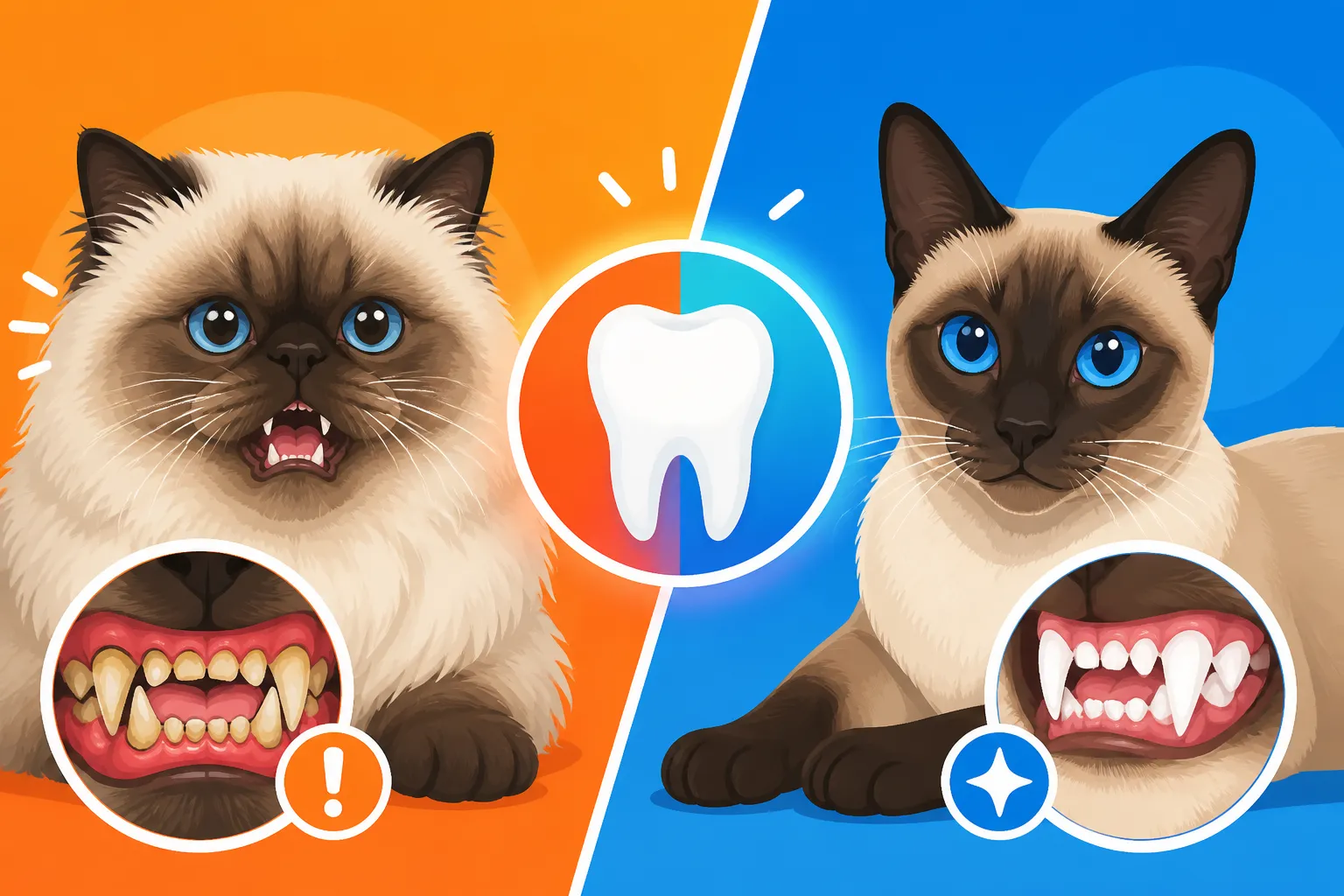
In stark contrast, let's consider the Siamese. The other half of the Himalayan's genetic makeup, the Siamese, boasts a much more traditional, elongated muzzle. If you compare a Siamese to a Himalayan side-on, you'll see a clear difference in their profiles. The Siamese has a long, elegant nose and a jawline that allows for a natural, even spacing of teeth.
This "dolichocephalic" (long-headed) skull structure means that their teeth typically align much better. There's ample space for each tooth to erupt properly and maintain its position without pushing against its neighbors. This inherent structural advantage means that Siamese cats are generally less prone to the severe overcrowding and malocclusion issues that plague Himalayans. While no cat is entirely immune to dental problems, the Siamese starts with a much more favorable anatomical setup, which often translates to a less intensive dental care regimen throughout their lives. This difference in fundamental anatomy is a primary driver behind why a Himalayan needs dentals earlier than a Siamese.
Understanding Brachycephalic Dental Challenges in Himalayans
The adorable flat face of a Himalayan comes with a set of specific dental challenges directly related to its brachycephalic skull structure. These aren't just cosmetic issues; they lead to real discomfort and health problems if not meticulously managed.
Crowded Teeth and Malocclusion
As we touched on, the Himalayan's shortened jaw is simply too small for all its teeth. This leads to severe crowding, where teeth are often rotated, overlapping, or even impacted (unable to erupt properly). This condition is known as malocclusion, meaning the upper and lower teeth don't align correctly when the mouth closes. Instead of meeting neatly, teeth might collide, scrape, or sit at awkward angles.
Imagine trying to brush your own teeth if they were constantly overlapping and twisting. It would be incredibly difficult to reach all the surfaces, right? The same goes for your Himalayan. These tight spaces become perfect hiding spots for food particles and bacteria. The cat's tongue and natural chewing action, which help to self-clean teeth in cats with proper alignment, are far less effective. You might notice that your Himalayan drops food onto its ruff because their bite isn't as efficient at grasping or chewing food properly. This isn't just messy; it's an indicator of how their crowded mouth impacts their ability to eat comfortably and cleanly.
Increased Risk of Periodontal Disease
The crowded nature of a Himalayan's mouth creates an environment highly conducive to the rapid development of periodontal disease. Periodontal disease starts innocently enough with plaque, a sticky film of bacteria, food particles, and saliva. In a cat with properly spaced teeth, some of this plaque might be naturally worn away or cleaned by chewing. But with crowded teeth, plaque builds up quickly in those tight, unreachable crevices.
If plaque isn't removed, it hardens into tartar (calculus) both above and below the gumline. Tartar is rough and irritating, leading to inflammation of the gums, a condition called gingivitis. You might notice your Himalayan's gums looking red or swollen, or perhaps a faint odor from their mouth. If gingivitis is left untreated, it progresses to periodontitis, which is much more serious. This involves the destruction of the tissues supporting the teeth, including the bone. The gums recede, pockets form where more bacteria can collect, and eventually, teeth can loosen and fall out. Because of the inherent crowding, the journey from healthy gums to advanced periodontal disease can be much faster and more aggressive in a Himalayan than in a Siamese, necessitating more frequent professional cleanings.
Resorptive Lesions and Hidden Pain
Beyond periodontal disease, Himalayans are also at a higher risk for another incredibly painful dental condition: feline odontoclastic resorptive lesions (FORLs), often just called resorptive lesions or neck lesions. These are essentially "cavities" that are not caused by decay but by the cat's own body breaking down its tooth structure. They typically appear at or below the gumline.
The exact cause isn't fully understood, but dental stress and inflammation from crowded mouths are thought to be contributing factors. These lesions are excruciatingly painful, akin to a severe toothache in humans. Yet, cats are masters at hiding pain, making it incredibly difficult for owners to spot. You might notice subtle changes like your cat favoring one side of its mouth when eating, chattering its teeth, drooling, or just generally being a bit more withdrawn. Sometimes, the only way to diagnose FORLs is through a thorough oral examination under anesthesia, including dental X-rays, which are essential when performing procedures to clear a Himalayan's eyes, kidneys, and teeth. These hidden sources of pain contribute significantly to the necessity of earlier and more frequent veterinary dentals for Himalayans to ensure their comfort and long-term health.
Daily Care and Early Intervention Strategies for Himalayans
Given the inherent dental challenges Himalayans face, a proactive and consistent approach to their oral hygiene is not just recommended, but absolutely essential. It's about much more than just fresh breath; it's about preventing pain and preserving their overall health.
The Importance of a Consistent Home Dental Routine
Let's be real, convincing a cat to let you brush its teeth isn't always a walk in the park. But for a Himalayan, it's a non-negotiable part of their care. Daily brushing is the single most effective way to remove plaque before it hardens into tartar. Start early, when they're kittens, to get them accustomed to the process. Use a soft-bristled, cat-specific toothbrush and enzymatic cat toothpaste (never human toothpaste!).
The trick is patience and positive reinforcement. Make it a routine, perhaps while they are relaxing on your lap. Focus on the outside surfaces of the teeth, especially the molars and canines, which are often the worst affected. Due to their shortened jaw, getting a brush head into a Himalayan's crowded mouth can be tricky, so small, finger-brush-style brushes might be easier. Even if you can only manage a minute or two, consistency is key. Every little bit helps. This regular attention to how often a Himalayan's crowded mouth needs cleaning can significantly slow the progression of dental disease.
Dietary Considerations for Dental Health
While brushing is paramount, diet can also play a supporting role in your Himalayan's dental health. There's a lot of debate about wet versus dry food for feline dental care. Some dry kibbles are specifically designed with larger, fibrous pieces that aim to scrub the teeth as the cat chews. Brands like Hill's Prescription Diet t/d or Royal Canin Dental are examples of such veterinary-approved dental diets. However, it's important to remember that most regular kibble offers minimal dental benefit, and due to their flat faces, some Himalayans might struggle to chew larger kibble pieces effectively.
Wet food, while often preferred by Himalayans because it's easier to eat with a crowded jaw, doesn't offer any mechanical cleaning. In fact, if wet food gets stuck in those tight tooth crevices, it can contribute to plaque buildup. The best approach is often a combination: feed high-quality wet food for hydration and nutritional balance, but consider offering specific dental treats or a portion of a veterinary dental kibble as part of their routine, ensuring it's a kibble a Himalayan's shortened jaw can lift. Always discuss dietary changes with your vet, especially if your cat has other health considerations.
Regular Veterinary Check-ups and Professional Cleanings
Even with the most diligent home care, Himalayans will inevitably need professional dental cleanings under anesthesia. Think of it like this: you brush your teeth every day, but you still go to the dentist for professional cleanings. The same principle applies here, but with even greater urgency for Himalayans. Your veterinarian can assess your cat's oral health during routine check-ups. They can spot early signs of gingivitis or other issues that might be missed at home.
For a comprehensive cleaning, anesthesia is necessary. This allows the vet to thoroughly examine every tooth, probe for gum pockets, clean below the gumline, and take full mouth dental X-rays to check for issues like resorptive lesions or bone loss that are invisible to the naked eye. While the thought of anesthesia can be worrying, modern veterinary anesthesia is very safe, especially when appropriate pre-anesthetic blood work is done. Early and regular professional cleanings, possibly every one to two years depending on your cat's individual needs, can prevent minor issues from becoming major, painful, and expensive problems. Investing in a good pet insurance plan, like one from Healthy Paws, early on can help manage the costs associated with these necessary procedures.
Recognizing Signs of Dental Trouble and When to Act
Himalayans are notoriously stoic, and cats, in general, are experts at hiding pain. This makes it challenging for owners to spot dental problems until they've progressed significantly. However, understanding the subtle cues and knowing when to seek veterinary help can make all the difference in your cat's comfort and long-term health.
Subtle Indicators of Pain or Discomfort
Your Himalayan isn't likely to cry out or limp when their teeth hurt. Instead, they'll exhibit more subtle behavioral changes that can easily be mistaken for pickiness or just "getting old." Here are some signs to watch for:
- Changes in Eating Habits: This is one of the most common indicators. Your cat might approach their food bowl, then hesitate or only take a few bites before walking away. They might chew on one side of their mouth, drop food from their mouth, or prefer softer foods over kibble.
- Bad Breath (Halitosis): While some cat breath isn't exactly fresh, a sudden or strong, foul odor is a major red flag for bacterial overgrowth, often indicating significant plaque, tartar, or infection.
- Paw at the Mouth or Face: You might see your Himalayan pawing at their mouth, rubbing their face against furniture more frequently, or even drooling.
- Irritability or Withdrawal: Cats in pain often become less social, grumpy, or may hide more. If your usually cuddly Himalayan suddenly wants less interaction, pain could be a factor.
- Bleeding Gums: While less common to see at home, if you notice tiny specks of blood on toys, food, or on your cat's bed, it's a clear sign of gum inflammation.
- Weight Loss: If dental pain makes eating consistently difficult, weight loss can follow, which is a serious concern for any cat.
Any of these signs warrant a prompt veterinary visit. Don't wait until it's severe; early intervention can save your cat a lot of suffering and prevent more extensive (and expensive) treatments later on.
The Progression of Periodontal Disease
It's vital to understand that dental disease is progressive. It doesn't get better on its own; it only gets worse. Here's a quick overview of how it typically unfolds:
- Gingivitis: This is the earliest stage, characterized by red, swollen gums (inflammation of the gingiva). It's caused by plaque buildup and is often reversible with professional cleaning and good home care.
- Early Periodontitis: Plaque and tartar extend below the gumline, causing the gum to start detaching from the tooth. Small pockets form, allowing more bacteria to thrive. This stage often involves some bone loss, which is irreversible.
- Moderate Periodontitis: Significant inflammation and gum recession are present, with deeper pockets and more substantial bone loss around the roots of the teeth. Teeth may start to become mobile.
- Advanced Periodontitis: Severe infection, extensive bone loss, and very deep pockets. Teeth are often very loose, painful, and require extraction. At this stage, there's a significant risk of systemic infection, where bacteria from the mouth can travel through the bloodstream to affect organs like the heart, kidneys, and liver.
For Himalayans, because of their crowded mouths, this progression can be accelerated. What might take years to develop in a Siamese could progress much faster in a Himalayan. This is why vigilance and early action are critical.
Proactive Monitoring with Vet Guidance
Establishing a strong partnership with your veterinarian for your Himalayan's dental health is paramount. Your vet can help you create a personalized dental care plan, advise on the best products for home use, and recommend the appropriate frequency for professional cleanings. Don't be shy about asking questions about their dental protocols, especially regarding anesthesia safety and the use of dental X-rays.
It’s also important to consider pet insurance, especially for a breed with predisposed health issues like Himalayans. Policies from providers like Healthy Paws can significantly offset the costs of diagnostic tests, professional cleanings, extractions, and ongoing care if dental disease becomes advanced. Knowing you have that financial support can help you make the best decisions for your cat without undue stress about the vet bill. Regular monitoring, both at home and with professional guidance, ensures that any potential issues are caught and addressed as early as possible.
Comparing Dental Needs: Himalayan vs. Siamese Lifespans
The difference in dental health between Himalayans and Siamese cats isn't just about how often they visit the dentist; it can genuinely impact their quality of life and even how many years they get to spend purring by your side.
Typical Dental Timelines for Each Breed
While every cat is an individual, and genetics and home care play huge roles, we can observe general trends in dental needs for these two breeds.
Himalayan Cats:
Due to their brachycephalic skull structure and the inevitable tooth crowding, many Himalayans begin to show signs of significant plaque and tartar buildup as early as 2-3 years of age. It's not uncommon for them to require their first professional dental cleaning between ages 3 and 5. After that, annual or biannual cleanings are often recommended to keep serious periodontal disease at bay. By the time they reach 7-10 years old, many Himalayans have had multiple professional cleanings, and some may have already undergone tooth extractions due to advanced disease or resorptive lesions. The early onset of dental problems means that diligent owners are usually on a first-name basis with their veterinary dental team. This proactive approach helps to mitigate some of the severe consequences of a Himalayan's crowded jaw resorbing its teeth.
Siamese Cats:
With their more naturally spaced teeth and elongated muzzles, Siamese cats typically enjoy better dental health for longer. While plaque and tartar will still accumulate, the process is often slower, and the impact of crowding is far less pronounced. Many Siamese may not require their first professional dental cleaning until they are 5-7 years old, and some might go even longer with excellent home care. The frequency of subsequent cleanings might also be less, perhaps every 2-3 years, depending on individual factors. They are generally less prone to severe overcrowding-related complications, though they can still develop gingivitis, periodontitis, and other dental issues like any other cat. The fact that their teeth have more space makes them easier for owners to clean, further extending the time between vet visits.
This doesn't mean Siamese cats are immune to dental problems, but their anatomical advantages often give them a significant head start in the dental health race.
Long-term Health Implications of Neglected Dental Care
Ignoring dental problems in any cat is never a good idea, but for Himalayans, the consequences can be particularly severe and far-reaching. What starts as "just bad breath" can escalate into systemic health issues that significantly shorten their potential lifespan.
When severe periodontal disease is left untreated, the mouth becomes a breeding ground for bacteria. These bacteria don't just stay in the mouth; they can enter the bloodstream through inflamed gums and travel throughout the body. Once in circulation, they can colonize vital organs, leading to secondary infections and exacerbating existing conditions. Common targets include:
- Heart: Bacteria can cause inflammation of the heart valves (endocarditis), a serious and potentially fatal condition.
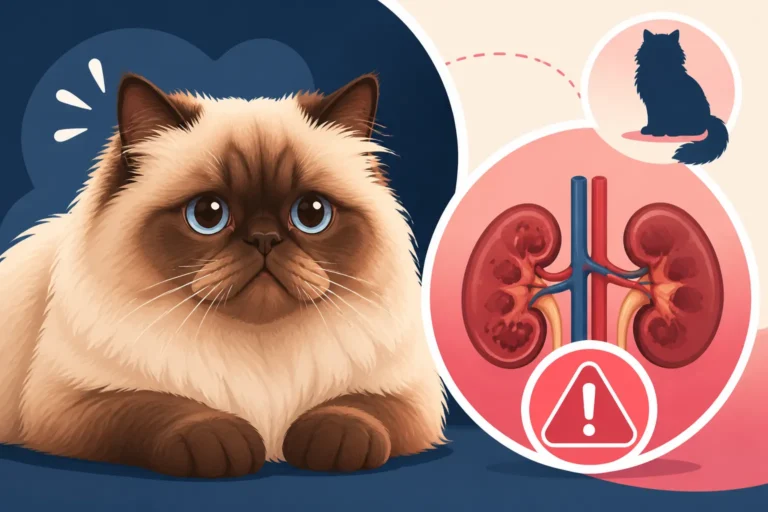
- Kidneys: Kidney disease is common in older cats, and chronic inflammation from dental infections can place additional stress on the kidneys, potentially accelerating kidney failure. This is especially concerning since many Himalayans inherit genetic predispositions to kidney issues, such as Polycystic Kidney Disease (PKD1 Came Down the Persian Side of a Himalayan). Neglecting dental health could compound these risks.
- Liver: The liver can also be affected by the constant influx of bacteria and toxins from a diseased mouth.
Beyond organ damage, chronic pain from dental disease can dramatically reduce a cat's quality of life. Imagine living with a constant toothache. It impacts eating, sleeping, and overall mood. A cat in chronic pain may stop grooming themselves, lose weight, and become withdrawn. While Himalayans are known for their generally good lifespans, typically living nine to fifteen years a Himalayan usually gets, neglecting their dental health can shave years off that potential. By prioritizing their oral care from an early age, we're not just ensuring they have a healthy smile; we're protecting their entire body and giving them the best chance at a long, comfortable, and happy life.
| Feature / Aspect | Himalayan Cat | Siamese Cat |
|---|---|---|
| Jaw/Muzzle Shape | Brachycephalic (short, flattened face) | Dolichocephalic (long, tapered muzzle) |
| Tooth Spacing | Often severely crowded, rotated, overlapping | Generally well-spaced, aligned |
| Malocclusion Risk | High | Low to moderate |
| Plaque/Tartar Buildup | Rapid due to crowded spaces and less self-cleaning | Slower, less severe due to better spacing |
| Periodontal Disease | High risk, faster progression, earlier onset | Moderate risk, slower progression |
| FORL Risk | Higher prevalence (Feline Odontoclastic Resorptive Lesions) | Lower prevalence |
| First Dental Age | Often 3-5 years | Often 5-7+ years |
| Dental Cleaning Frequency | Annually or biannually often recommended | Every 2-3 years or as needed |
| Anesthesia Risks | Higher due to brachycephalic airway concerns | Generally lower |
| Dietary Impact | May struggle with hard kibble, wet food preferred | Manages most food types easily |
| Home Care Ease | Challenging due to mouth structure, but crucial | Easier to access teeth for brushing |
| Systemic Health Impact (neglected) | Higher risk of early systemic complications (heart, kidney) | Lower risk of early systemic complications |
Disclaimer
The information provided in this article is for general informational purposes only and is not intended as a substitute for professional veterinary advice. Always consult with a qualified veterinarian for any health concerns or before making any decisions related to your pet's medical care.