Why a Himalayan Only Reaches Fifteen Indoors
It’s a common and understandable wish for every cat parent to want their beloved feline companion to live forever. When you bring a gorgeous Himalayan into your home, with their stunning coat and gentle demeanor, you imagine years of purrs and cuddles. However, many Himalayan owners find themselves wondering about the realistic lifespan of these beautiful cats, especially when they live exclusively indoors. This comprehensive guide will delve into the various factors that contribute to why a Himalayan cat, even with the best indoor care, typically reaches an average lifespan of nine to fifteen years, and what you can do to help them achieve the upper end of that range.
Understanding the Himalayan's Unique Genetic Blueprint
The Himalayan cat, a captivating blend of the Persian's luxurious coat and the Siamese's striking point coloration and vocal tendencies, inherits a complex genetic legacy. While this heritage gives them their distinct beauty, it also brings along certain predispositions that can influence their overall health and longevity, even in the most protected indoor environment.
Inherited Health Challenges from the Persian Line
One of the most significant influences on a Himalayan's lifespan comes from its Persian ancestry. The Persian side of the family tree has unfortunately passed down a susceptibility to certain genetic conditions that, without proper screening and management, can considerably shorten a cat's life.
-
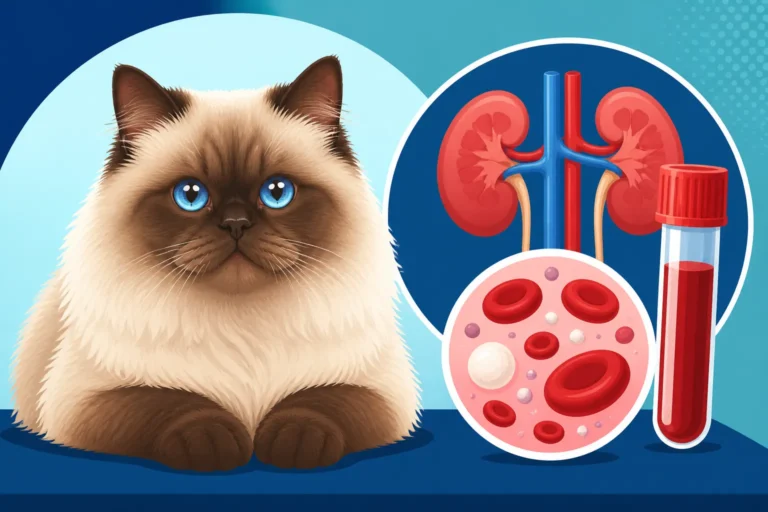
Polycystic Kidney Disease (PKD1): This is arguably the most well-known inherited condition affecting Himalayans. PKD1 is an autosomal dominant disorder, meaning a cat only needs to inherit one copy of the faulty gene from a parent to develop the disease. Over time, cysts grow on the kidneys, enlarging them and eventually leading to kidney failure. Many owners are heartbroken to find their seemingly healthy cat develop symptoms of kidney disease in middle age, often between 5 and 7 years old, though it can manifest earlier or later. Living with a Himalayan that inherited the Persian Kidney Gene requires diligent veterinary care and often a special diet. While genetic testing has made huge strides, allowing responsible breeders to eradicate PKD from their lines, many cats from untested lines still carry the gene. Early detection through DNA tests or ultrasound scans is crucial for managing the condition and extending a cat's comfort and lifespan, even if a cure isn't possible. You can learn more about how a Himalayan is swabbed for the Persian Kidney Gene to ensure your cat is clear.
-
Progressive Retinal Atrophy (PRA): Another genetic condition inherited from the Persian lineage is Progressive Retinal Atrophy. This disease causes the cells in the retina to degenerate over time, ultimately leading to blindness. While blindness itself isn't life-threatening, it can significantly impact a cat's quality of life and reveal other underlying genetic weaknesses. For a Himalayan, whose eyes are already more exposed due to their flattened face, maintaining eye health is paramount. While this usually doesn't directly shorten lifespan, it is a marker of genetic health that thoughtful breeders address. Understanding how retinal atrophy blinds a Himalayan by five can prepare owners for potential challenges.
Brachycephalic Airway Syndrome (BAS)
The very feature that many find so endearing about Himalayans – their distinctive flat face and short nose – is also the source of a complex set of respiratory challenges known as Brachycephalic Airway Syndrome. Even for an indoor cat, BAS can place significant stress on their system.
-
Breathing Difficulties and Overheating: A Himalayan's shortened nasal passages, elongated soft palate, and sometimes narrow nostrils mean they often struggle to breathe efficiently. You might notice your Himalayan snores louder than its Siamese ancestors, which can be charming but also a sign of airway obstruction. This difficulty in breathing makes them highly susceptible to overheating, even indoors. A comfortable room temperature for a human can be dangerously warm for a Himalayan, especially during playful moments or warm weather. When a Himalayan's open mouth breathing needs a vet, it’s a serious sign. Their inability to cool themselves effectively through panting means they overheat twice as fast as a Siamese, and this chronic strain on their respiratory and cardiovascular systems can contribute to a shorter overall lifespan.
-
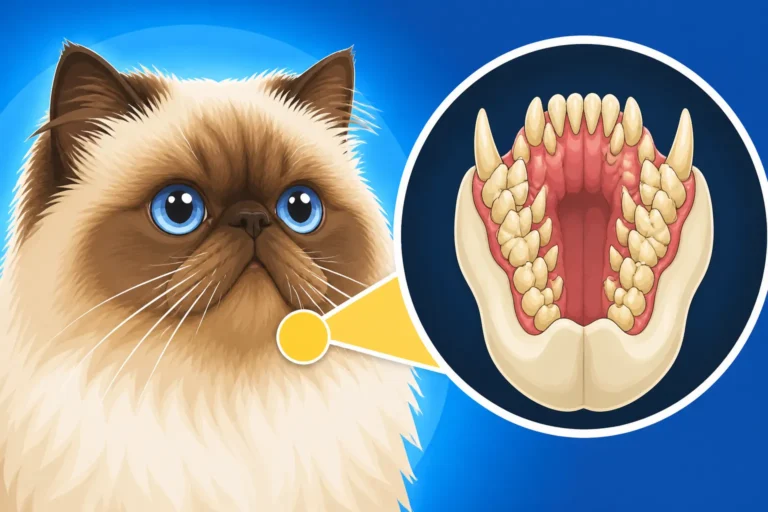
Dental and Eye Issues Related to Facial Structure: The flattened face also leads to a crowded jaw, often resulting in dental problems like tooth overcrowding, malocclusion, and earlier onset of periodontal disease. This means a Himalayan needs dentals earlier than a Siamese. Chronic dental issues can lead to pain, infection, and eventually systemic health problems if left untreated. Furthermore, their large, round, often prominent eyes are more exposed and prone to irritation, leading to tear staining and potential corneal ulcers if not properly cared for. While not directly life-limiting, these issues require consistent and often costly veterinary care, and if neglected, can impact overall well-being and longevity. The daily face routine every Himalayan needs is not just for beauty, but health.
Lifestyle Factors and Their Impact on Longevity
While genetics play a huge role, the way a Himalayan lives its life, even indoors, is incredibly influential on how long it thrives. An indoor lifestyle is generally safer, protecting them from outdoor hazards like traffic, predators, and infectious diseases. However, it also comes with its own set of considerations that require proactive management from dedicated owners.
Diet and Weight Management
One of the most significant challenges for an indoor Himalayan is managing their weight. These cats are known for their calm, sedentary nature.
-
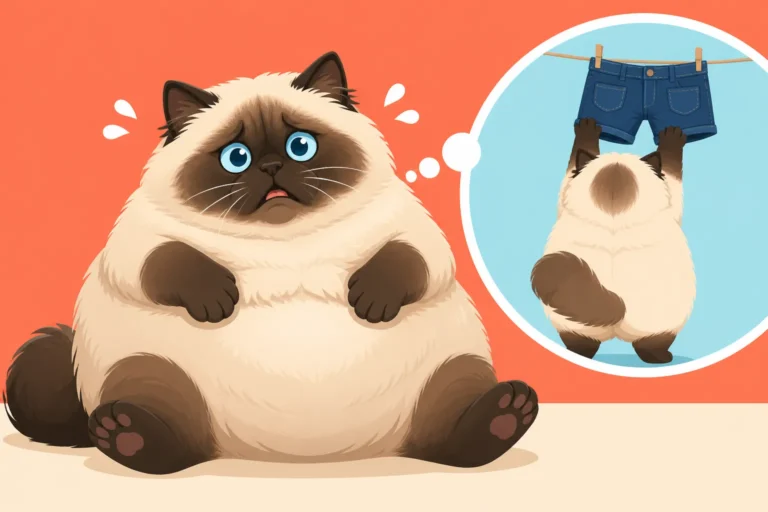
Low Activity Levels: A Himalayan is a lap cat that answers back, but they often prefer lounging in a cozy spot to vigorous exercise. They play longer than a Persian and less than a Siamese, and generally burn fewer calories than more active breeds. This low activity level, combined with a hearty appetite, means they are incredibly prone to becoming overweight or obese. Finding a Himalayan's ribs through a Persian coat can be tricky, but regular weight checks are vital.
-
Impact of Obesity: Obesity in cats, just like in humans, leads to a cascade of health problems including diabetes, arthritis, heart disease, and increased anesthetic risk during surgeries. An overweight Himalayan cannot reach its britches to groom properly, leading to matting and skin issues. These conditions, stemming from excess weight, can significantly reduce their lifespan. Feeding a Himalayan that cannot reach into a deep bowl correctly is also critical to prevent overeating or aspiration. It's a constant battle to ensure they get the right nutrition without overdoing it. Healthy Paws pet insurance often emphasizes preventative care, which includes maintaining a healthy weight to avoid costly future treatments related to obesity.
Grooming and Hygiene
A Himalayan's magnificent long, dense coat requires meticulous daily grooming. This isn't just about aesthetics; it's a vital part of their health regimen.
-
The Daily Grooming Battle: Their luxurious double coat mats faster than a Ragdoll's, especially in areas like their armpits, britches, and behind the ears. If a missed day costs a Himalayan a mat, then a week can lead to severe matting that pulls on their skin, causing pain, skin infections, and even restricting movement. A matted Himalayan becomes a medical case, often requiring sedation and shaving at the vet. This stress, combined with the underlying skin issues, can compromise their health. Combing the points an old Himalayan no longer reaches is particularly important as they age and become less flexible.
-
Face and Eye Care: The flattened face also means that their eyes tend to water more, leading to tear stains that can become crusty and irritate the skin. The nose fold, if present, can harbor moisture and become a breeding ground for yeast and bacterial infections, leading to fold dermatitis. The morning face routine every Himalayan needs is crucial to prevent these issues, which, if left unchecked, can lead to chronic discomfort and more serious infections that impact overall well-being.
Proactive Care for a Full Indoor Life
Knowing these predispositions and challenges isn't meant to deter, but to empower. With diligent and proactive care, Himalayan cats can indeed live a fulfilling life up to and even beyond fifteen years. It's all about understanding their specific needs and being prepared.
Regular Veterinary Care and Screenings
Consistent veterinary attention is the cornerstone of a long and healthy life for your indoor Himalayan.
-
Early Detection is Key: Annual wellness exams are crucial, especially as they approach middle age. Your vet can monitor their weight, assess their breathing, check their dental health, and perform routine bloodwork. After the age of eight, a Himalayan's yearly bloods should cover issues like kidney and thyroid function. Given their genetic heritage, asking your vet about testing for PKD and PRA is a non-negotiable step when acquiring a kitten or an adult cat with unknown history. An ultrasound still backs up a Himalayan's gene test for PKD. For those with a PKD-positive cat, early intervention with a renal diet and medications can significantly slow the progression of kidney disease, offering precious extra years.
-
Addressing Brachycephalic Issues Proactively: Your vet can also grade a Himalayan's nostrils and assess their overall airway health. In some cases, minor surgical procedures, like widening the nostrils or shortening an elongated soft palate, can dramatically improve their breathing and quality of life, reducing the chronic stress on their system. While these are not always necessary, discussing these options with your vet if your cat struggles with breathing is vital. Remember, a Himalayan is a harder anesthetic than a Siamese, so any surgery requires careful planning. This is where a robust pet insurance plan, such as one from Healthy Paws, can really make a difference, helping to cover the costs of these important diagnostics and treatments.
Environmental Enrichment and Climate Control
Even though they are indoor cats, their environment needs to be carefully tailored to their unique needs.
-
Keeping Them Cool and Comfortable: Due to their brachycephalic structure and dense coat, Himalayans are highly sensitive to heat. Your home needs to be kept comfortably cool, especially during warmer months. Providing cool resting spots, like tile floors or cooling mats, can make a huge difference. Avoid excessive play that leads to panting, and always ensure fresh, cool water is accessible. Why a Himalayan sleeps with its neck stretched out can be a sign they are trying to open their airway. The temperature a Himalayan starts to struggle at is often lower than you might expect for other breeds.
-
Low-Stress and Engaging Environment: While they are generally calm, a Himalayan still benefits from mental stimulation. Puzzle feeders, if they can physically use them with their flat face, and gentle wand toys can encourage activity. A comfortable, predictable routine is paramount for these cats. Why a Himalayan minds its routine more than its address means that consistency helps them feel secure and reduces stress, which positively impacts their overall health. They are often less inclined to use tall cat trees, so providing wide, stable platforms at lower heights is more suitable.
Table: Factors Influencing Himalayan Lifespan (Indoor Cats)
| Factor | Positive Impact on Lifespan | Negative Impact on Lifespan |
|---|---|---|
| Genetics/Breeding | PKD/PRA clear parents, reputable breeder | Unscreened parents, unknown genetic history, inherited diseases |
| Brachycephalic Care | Proactive airway management, climate control, weight control | Untreated BAS, overheating, obesity, chronic respiratory strain |
| Diet & Weight | Balanced nutrition, strict portion control, ideal weight | Overfeeding, obesity, related diseases (diabetes, arthritis) |
| Grooming | Daily combing, regular face/eye care, professional trims | Neglected coat (mats), skin infections, eye irritation |
| Veterinary Care | Annual exams, vaccinations, early disease detection, dental care | Missed appointments, delayed treatment, neglected dental health |
| Environment | Cool, calm home, safe enrichment, consistent routine | High heat, stressful changes, lack of mental stimulation |
The Age a Himalayan Usually Gets
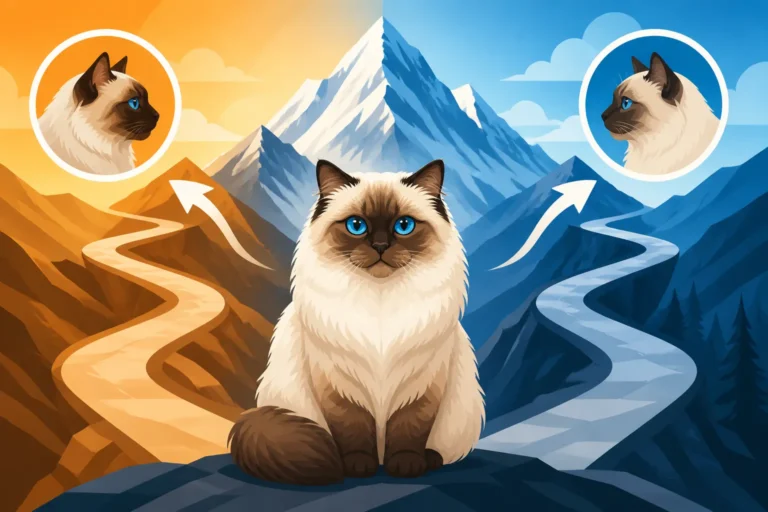
So, what is the realistic expectation? The nine to fifteen years a Himalayan usually gets is a broad range, and often, the upper end is achieved through a combination of excellent genetics from responsible breeding and meticulous care from devoted owners. A Himalayan from tested lines has a much better chance of reaching the older end of that spectrum because you’ve mitigated some of the biggest genetic risks. It’s also worth noting whether a Doll Face Himalayan outlives a Peke Face one, as the more extreme facial flattening can exacerbate breathing difficulties.
Ultimately, providing a Himalayan with a long, healthy life indoors means taking an active, informed role in their care. It’s about being aware of their unique needs, staying vigilant about their health, and being prepared to offer the dedicated attention their special beauty and temperament demand. While we can’t guarantee every cat will hit the fifteen-year mark, by understanding these factors and providing the best possible care, you significantly increase your cherished companion's chances of doing so.
Disclaimer
Please remember that the information provided in this article is for general educational purposes only and should not be considered a substitute for professional veterinary advice. Always consult with a qualified veterinarian for any health concerns or before making any decisions related to your pet's care.