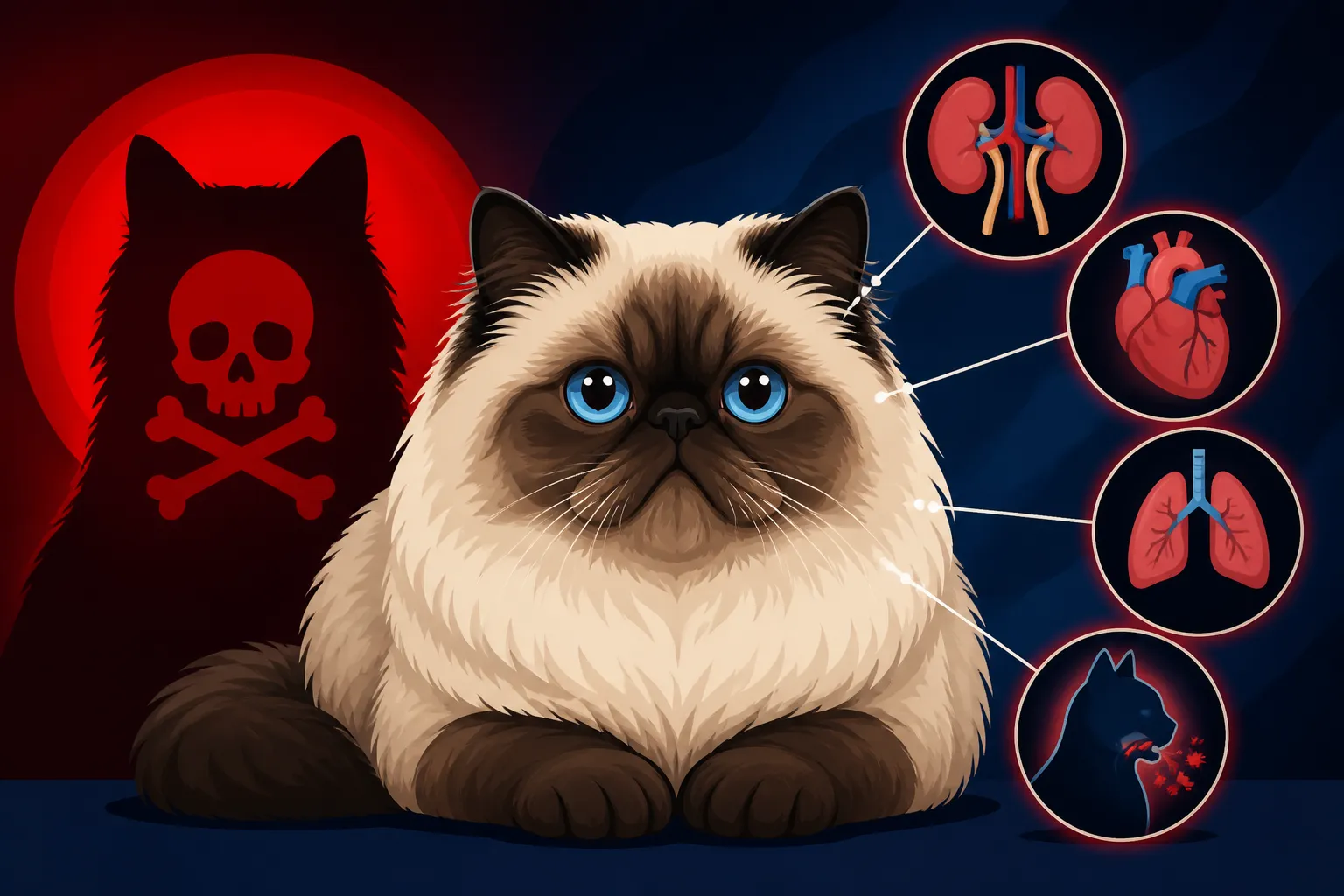
What Kills a Himalayan Whose Line Was Never Tested
It's a heartbreaking scenario many loving cat owners face: bringing home a fluffy, adorable Himalayan kitten, only to discover later that underlying health issues, inherited from an untested lineage, drastically shorten their time together. The joy of a new family member can turn into profound sorrow and endless vet visits, leaving you feeling helpless and wishing you had known more. This guide is here to shed light on the silent killers that often plague Himalayans from lines where genetic testing was neglected, helping you understand the risks and advocate for your feline friend's well-being.
The Hidden Dangers Lurking in Untested Himalayan Lines
When a Himalayan's lineage hasn't been properly screened, it's like buying a beautiful house without checking the foundation. Everything might look perfect on the surface, but there could be serious, life-threatening structural issues hidden beneath. These aren't just minor sniffles; we're talking about genetic predispositions that can lead to chronic suffering and a tragically shortened lifespan.
Polycystic Kidney Disease PKD
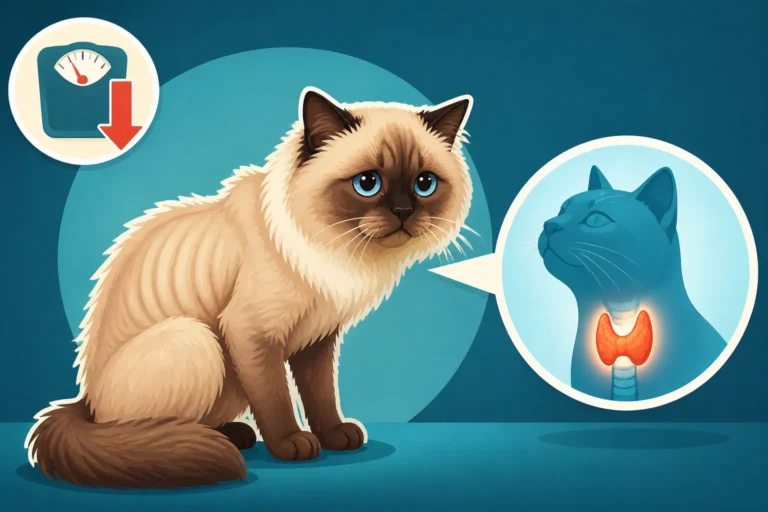
One of the most insidious threats to a Himalayan from an untested background is Polycystic Kidney Disease, or PKD. This cruel disease is inherited from their Persian side, and it's a silent killer. Imagine tiny, fluid-filled cysts forming in your cat's kidneys, growing larger and more numerous over time, slowly but relentlessly destroying kidney tissue. The worst part? Your beloved cat won't show any signs of discomfort or illness until the disease has progressed significantly, often when it's already too late for effective intervention.
By the time symptoms like increased thirst, weight loss, or vomiting appear, a substantial portion of the kidney function is already compromised. It's a devastating blow to discover your cat is in kidney failure, knowing that with proper genetic testing of the parents, this entirely preventable condition could have been avoided. The emotional and financial toll of managing end-stage kidney disease is immense, leaving owners wishing for a crystal ball that could have shown them what was coming.
Progressive Retinal Atrophy PRA
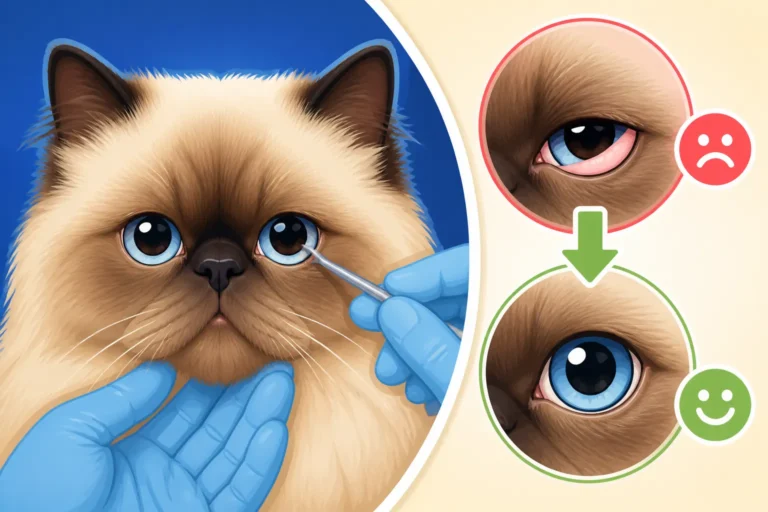
Another deeply upsetting condition that can plague Himalayans from untested lines is Progressive Retinal Atrophy (PRA). This is an inherited eye disease, also largely stemming from their Persian ancestry, that causes the cells in the retina to degenerate over time, ultimately leading to blindness. It's not a sudden event, but a slow, gradual loss of sight, often beginning in their younger years and progressing to complete blindness by the time they are five years old.
Witnessing your once playful and confident cat slowly lose its ability to navigate its world is truly heartbreaking. They might start bumping into furniture, hesitating before jumping, or becoming more withdrawn. While cats are incredibly adaptable, and a blind cat can still live a full life indoors, the fact that this, too, is a preventable genetic condition makes it even more tragic. Responsible breeders test for PRA to ensure their kittens never have to endure this fate, protecting both the cats and the unsuspecting families who welcome them into their homes.
Brachycephalic Airway Syndrome BAS
While not always a direct "killer" in the same way PKD or PRA can be, Brachycephalic Airway Syndrome (BAS) in Himalayans can severely compromise their quality of life and, in extreme cases, lead to life-threatening respiratory distress. Himalayans are a brachycephalic breed, meaning they have a shortened, flattened face. This adorable feature, which draws many people to the breed, comes with a host of potential breathing difficulties.
Think about trying to breathe through a perpetually stuffy nose, but even worse. Cats with BAS can suffer from narrowed nostrils, an elongated soft palate that obstructs the airway, or a hypoplastic (underdeveloped) trachea. These issues mean their everyday breathing is a struggle. They might snore loudly, pant excessively after minimal activity, or even experience open-mouthed breathing, which is a significant red flag in a cat. In situations of stress, heat, or even vigorous play, their already compromised airway can become critical, leading to overheating and oxygen deprivation. It’s a constant worry for owners, knowing their cat is always just a little bit closer to a respiratory crisis.
Why Genetic Testing Is a Lifesaver and What Happens Without It
The beauty of modern veterinary science is that we have the tools to identify these genetic predispositions. Responsible breeders utilize these tests to ensure they are producing healthy kittens, breaking the cycle of inherited diseases. When these tests are skipped, however, the consequences can be devastating, both for the individual cat and the unsuspecting owner.
The Perils of PKD Without a Clear Pedigree
Without genetic testing, a Himalayan kitten can inherit PKD from one or both parents, and you won't know until it's too late. The gene for PKD1 came down the Persian side of a Himalayan, and it's an autosomal dominant gene, meaning a cat only needs one copy of the faulty gene to develop the disease. This also means that if a parent carries the gene, there's a 50% chance each kitten will inherit it.
Imagine the joy of bringing home a tiny, fluffy bundle of energy, watching them grow into a loving companion. Then, perhaps around age five or six, you notice they're drinking more water, maybe not eating as much. A vet visit reveals enlarged kidneys or, tragically, a diagnosis of kidney failure. This is often How Young a Himalayan Can Go Into Kidney Failure, and it's a gut-wrenching moment. You're suddenly faced with managing a chronic, progressive disease with no cure, knowing that a simple cheek swab from the parents could have prevented all of it. This is why knowing which two certificates a Himalayan breeder owes you—proof of PKD and PRA testing—is absolutely non-negotiable. Without those papers, you're taking a massive, often tragic, gamble.
Unforeseen Blindness from PRA
The situation with PRA is similarly heartbreaking when testing is overlooked. Imagine your active, curious Himalayan slowly losing its ability to see the world around it. At first, it might be subtle – a missed toy, a moment of hesitation. But as the disease progresses, it becomes undeniable. How Retinal Atrophy Blinds a Himalayan by Five is a stark reality for cats from untested lines. Their night vision might go first, then their ability to perceive movement, until finally, they are completely blind.
This isn't just about bumping into things; it's about a fundamental change in their experience of the world. While cats are resilient, the inability to interact visually with their environment can lead to anxiety, changes in personality, and a diminished quality of life, especially if their home environment isn't carefully adapted. Knowing that a simple genetic test could have identified carrier parents and prevented this suffering makes the lack of testing a profound disservice to the animal.
Compounded Respiratory Issues
For Himalayans, breathing issues are often a lifelong challenge. Without careful breeding practices that prioritize health over extreme facial conformation, these problems can be severely compounded. A Himalayan with significant Brachycephalic Airway Syndrome issues might seem fine on a cool, quiet day, but imagine a sudden burst of playful energy, a trip to the vet, or even a warmer-than-usual afternoon. Their already compromised airway struggles to keep up, leading to rapid, shallow breathing, open-mouthed panting, and even a blue tinge to their gums, indicating a lack of oxygen.
This is precisely When a Himalayan's Open Mouth Breathing Needs a Vet, and it's an emergency. These cats are highly susceptible to heatstroke and respiratory collapse, making travel, stress, and even warm environments dangerous. While surgery can sometimes alleviate some of the symptoms, it's a major procedure with its own risks, and it can't completely undo the inherent anatomical challenges. Untested lines often perpetuate these severe breathing difficulties, leaving owners constantly monitoring their beloved pet for signs of distress.
Beyond Genetics: Other Preventable Health Risks
While genetic diseases are primary concerns for untested Himalayan lines, other health issues, often exacerbated by their unique anatomy and lifestyle, become far more problematic without proactive care and awareness.
Dental Disease and Jaw Structure
The adorable flat face of a Himalayan, while charming, often comes with a significant trade-off: a crowded mouth. Their shortened jaws simply don't have enough space for all 30 teeth, leading to misalignment, rotations, and teeth pushing into each other. This creates a perfect storm for dental problems. Food particles and bacteria get trapped in tight crevices, leading to plaque, tartar buildup, gingivitis, and eventually painful periodontal disease.
This isn't just bad breath; it's a gateway to systemic health problems. Untreated dental disease can lead to infections that spread to the heart, kidneys, and other vital organs. You might notice your cat dropping food, hesitating to eat hard kibble, or even drooling. This is Why a Himalayan Needs Dentals Earlier Than a Siamese, and it often involves expensive veterinary cleanings under anesthesia, and sometimes extractions. Without regular care and monitoring, a Himalayan from an untested line is almost guaranteed to suffer from severe dental pain and infection, impacting their ability to eat and their overall health.
Obesity and Its Cascading Effects
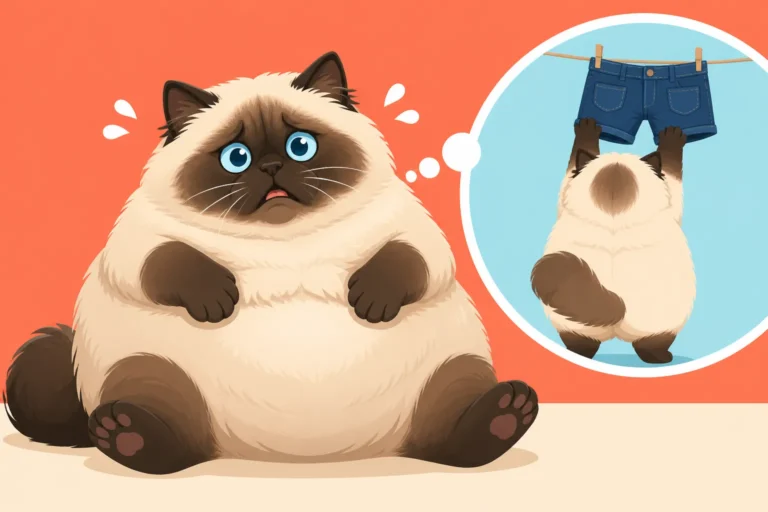
Himalayans are renowned for their calm, serene demeanor. They love their naps and often aren't the most active cats, preferring a warm lap or a sunny spot to rigorous play. Combine this sedentary lifestyle with their dense Persian coat, which can make it hard to gauge their true body condition, and you have a recipe for obesity. And for a Himalayan, being overweight is more than just carrying a few extra pounds; it can severely impact their health.
Extra weight puts added strain on their joints, which can lead to arthritis, even in cats that never jump much. More critically, it exacerbates their brachycephalic breathing issues. Imagine trying to breathe with a heavy chest and extra fat around your throat and abdomen. It makes every breath harder. An overweight Himalayan also struggles with grooming, especially reaching their lower back and britches, leading to mats and skin infections. This is Why a Heavy Himalayan Stops Grooming Its Points, creating a vicious cycle of poor grooming, matting, and discomfort. Managing a Himalayan's weight through appropriate diet and gentle play is crucial for their long-term health, and without this awareness, obesity can silently contribute to a host of health woes.
Unmanaged Coat Issues and Skin Infections
The majestic, flowing coat of a Himalayan is one of its most defining features, but it's also a high-maintenance affair. This luxurious double coat, inherited from its Persian ancestors, is prone to matting if not meticulously groomed daily. When grooming is neglected, whether due to owner oversight, the cat's inability to groom itself (perhaps due to obesity or arthritis), or simply not knowing the proper techniques, mats can form rapidly and become a severe health hazard.
Mats aren't just unsightly; they pull on the skin, causing pain and discomfort. They can restrict movement, trap moisture, and create a breeding ground for bacteria and parasites. Severe mats can cut off circulation, lead to skin infections, or even hide wounds or skin conditions underneath, making them difficult to detect until they become advanced. This is Why a Matted Himalayan Becomes a Medical Case, often requiring sedation and a full shave by a veterinarian. For a Himalayan whose line might already be predisposed to sensitive skin or other issues, unmanaged coat problems can lead to chronic skin conditions, discomfort, and a significant reduction in their quality of life.
Advocating for Your Himalayan's Future: What to Look For
Understanding the potential pitfalls of untested lines isn't meant to scare you, but to empower you. By being informed, you can make responsible choices that ensure your Himalayan lives the long, healthy, and happy life they deserve.
The Importance of Breeder Transparency
When seeking a Himalayan companion, the breeder is your first and most critical line of defense against preventable diseases. A reputable breeder will be transparent about their cats' health testing and eager to share the results. They won't just tell you their cats are "healthy;" they'll provide documentation. This includes proof of genetic testing for PKD and PRA for both parent cats. Don't be shy about asking for these certificates; it's a reflection of their commitment to the breed's well-being and a crucial step in understanding what testing a Himalayan for PKD and the eyes costs and what kind of investment a breeder makes.
A good breeder will also ask you plenty of questions about your home and lifestyle. They should be knowledgeable about the breed's specific needs, including their grooming requirements, dietary considerations for a flat-faced cat, and potential health issues. They should be honest about the challenges that can come with the breed and provide lifetime support. If a breeder is vague about health testing, seems to rush you, or discourages questions, consider it a significant red flag.
Regular Veterinary Care and Preventative Measures
Even with a Himalayan from impeccably tested lines, regular veterinary care is paramount. These beautiful cats have unique needs that require a proactive approach. Annual wellness exams, especially as they age, are crucial for catching any issues early. Your vet will pay close attention to their breathing, dental health, weight, and general condition.
For Himalayans, specific considerations include regular dental check-ups, monitoring for any signs of kidney issues (especially if you don't have full test results from their lineage), and eye exams. This is where having a robust pet insurance plan, perhaps from a provider like Healthy Paws, can be a true lifesaver. It allows you to make health decisions based on what's best for your cat, rather than being constrained by cost, especially if unexpected health challenges arise. Early detection and consistent preventative care are the cornerstones of a long, healthy life for your Himalayan.
Proactive Home Care and Environment
Beyond genetics and vet visits, your daily care routine and home environment play a massive role in your Himalayan's health. Their glorious coat needs daily combing to prevent mats. Their distinctive face requires daily wiping to manage tear stains and keep nose folds clean and dry. Consider how to cool a long coated Himalayan in summer, as they are very prone to overheating. This might involve air conditioning, cooling mats, or simply keeping them in the coolest part of the house.
Diet is another key factor. Choose high-quality food appropriate for their sedentary nature and unique jaw structure. Special consideration should be given to bowls that accommodate their flat face. Monitor their weight diligently, and engage them in gentle, short bursts of play to keep them active without over-exerting their respiratory system. Remember, a Himalayan's serene nature doesn't mean they don't need mental and physical enrichment; it just means it needs to be tailored to their specific needs. Even with the best preventative care, unexpected health issues can arise, making a reliable pet insurance policy from a company like Healthy Paws a wise investment to help manage potential costs.
Disclaimer
This article is for general informational purposes only and does not constitute professional advice. Laws, prices and regulations vary by location and change over time. Consult a qualified professional for guidance on your specific situation.