What a Himalayan With a Visible Nose Costs
It's no secret that bringing a Himalayan cat into your life is an incredible joy, but many prospective owners grapple with understanding the true financial commitment, especially when trying to choose a cat with a healthier, more traditional facial structure. You're likely wondering why the cost varies so much and what exactly you're paying for when a breeder advertises a "Himalayan with a visible nose." This guide is here to shed light on exactly what goes into the pricing of these precious felines, focusing on the highly sought-after "doll face" profile, and what that means for your wallet now and in the long run.
Understanding "Visible Nose" in Himalayan Cats and Its Impact on Cost
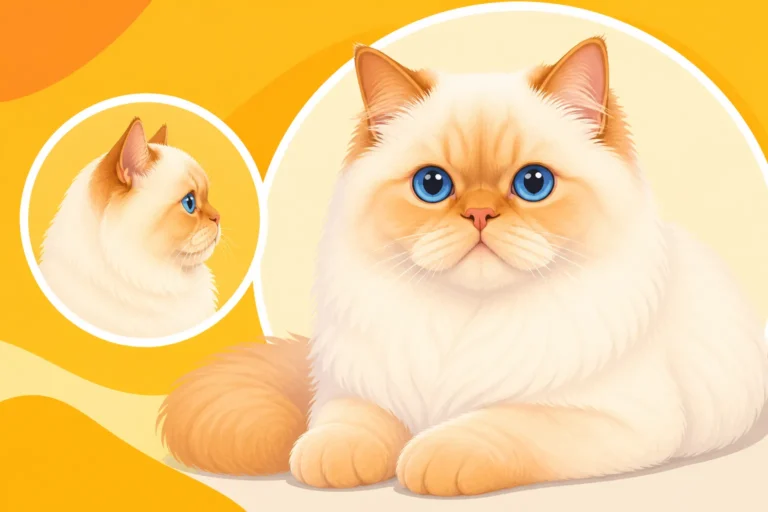
When we talk about a Himalayan cat with a "visible nose," what we're really getting at is the difference between what's commonly called a "doll face" Himalayan and the more extreme "peke face" variety. The traditional doll face has a sweet, open expression with a clearly defined nose that protrudes slightly, similar to what you'd see in earlier generations of Persians. The peke face, on the other hand, is characterized by an extremely flattened face, often with the nose set high between the eyes, making it less visible or even recessed. This isn't just an aesthetic preference; it carries significant implications for the cat's health and, consequently, its price tag.
The journey of the Himalayan, a stunning breed derived from crossing Persians with Siamese, has seen various trends in facial structure over the decades. Originally, the goal was to combine the Persian's luxurious coat and body type with the Siamese's striking point coloration and blue eyes. Early Himalayans largely displayed that charming doll face. However, as show standards evolved, especially within the Persian breed (into which Himalayans were eventually integrated by some registries), there was a shift towards the more extreme peke face profile, particularly in the show ring. This aesthetic, while favored by some judges, often came with a host of health challenges.
A Himalayan with a visible nose, or a doll face, generally means the cat has a more open airway. This is crucial because flat-faced cats, known as brachycephalic breeds, can suffer from Brachycephalic Obstructive Airway Syndrome (BOAS). Symptoms can range from noisy breathing and snoring to more severe issues like exercise intolerance and even heatstroke. A visible nose often indicates better nostril structure and a less crowded soft palate, contributing to easier breathing. Breeders who prioritize this visible nose are often aiming for healthier outcomes for their kittens, which requires careful selection of breeding stock. This diligence and commitment to health are inherently reflected in the price you pay, as the breeding journey is more involved and selective. You can learn more about this crucial distinction by exploring Doll Face or Peke Face Is the Himalayan Buyer's Real Decision.
The Health Advantages of a Doll Face Profile
The visible nose isn't just about appearance; it's a window into the cat's potential respiratory health. A doll face typically means wider nostrils and a less obstructed airway, allowing the cat to breathe more freely. This reduces the risk of common brachycephalic issues. Imagine trying to run a marathon while breathing through a tiny straw – that's often what a severely flat-faced cat experiences just going about its day. A cat with a visible nose avoids much of this struggle.
Beyond breathing, the structure of a doll face can also positively impact other areas. For example, less extreme facial folds may mean fewer issues with tear staining and skin fold dermatitis. While Himalayans are prone to tear staining due to their large, round eyes, a less extreme facial structure can sometimes mitigate the severity. A cat with less pronounced folds might also experience fewer eye irritations, as eyelashes are less likely to rub against the cornea. The comfort of a pet is paramount, and these subtle structural differences can make a world of difference to their daily quality of life and your vet bills.
Why a Visible Nose Is a Breeding Goal
For ethical breeders, producing Himalayans with a visible nose isn't just a happy accident; it's a deliberate breeding goal. It involves extensive research into pedigrees, careful selection of breeding cats that exhibit more moderate facial features, and often, health testing to ensure good genetics across the board. This isn't always easy, especially given the prevalence of flatter faces in many Persian and Himalayan lines. Breeders dedicated to the doll face type are essentially swimming against the tide of some show trends, prioritizing long-term health and well-being over transient fads.
This commitment often means a longer, more arduous breeding process. They might need to import lines with the desired traits, or work for generations to consistently produce kittens with visible noses and robust health. This kind of thoughtful, responsible breeding takes time, effort, and significant financial investment in genetic testing and veterinary care for the parent cats. All these factors contribute to the higher initial cost of a kitten from such a breeder. They are, in essence, selling you a cat that has a much better chance at a comfortable, healthy life. This is why Why a Doll Face Himalayan Commands a Premium is such an important read for prospective owners.
The Premium for a Healthier Profile: Why Breeders Charge More
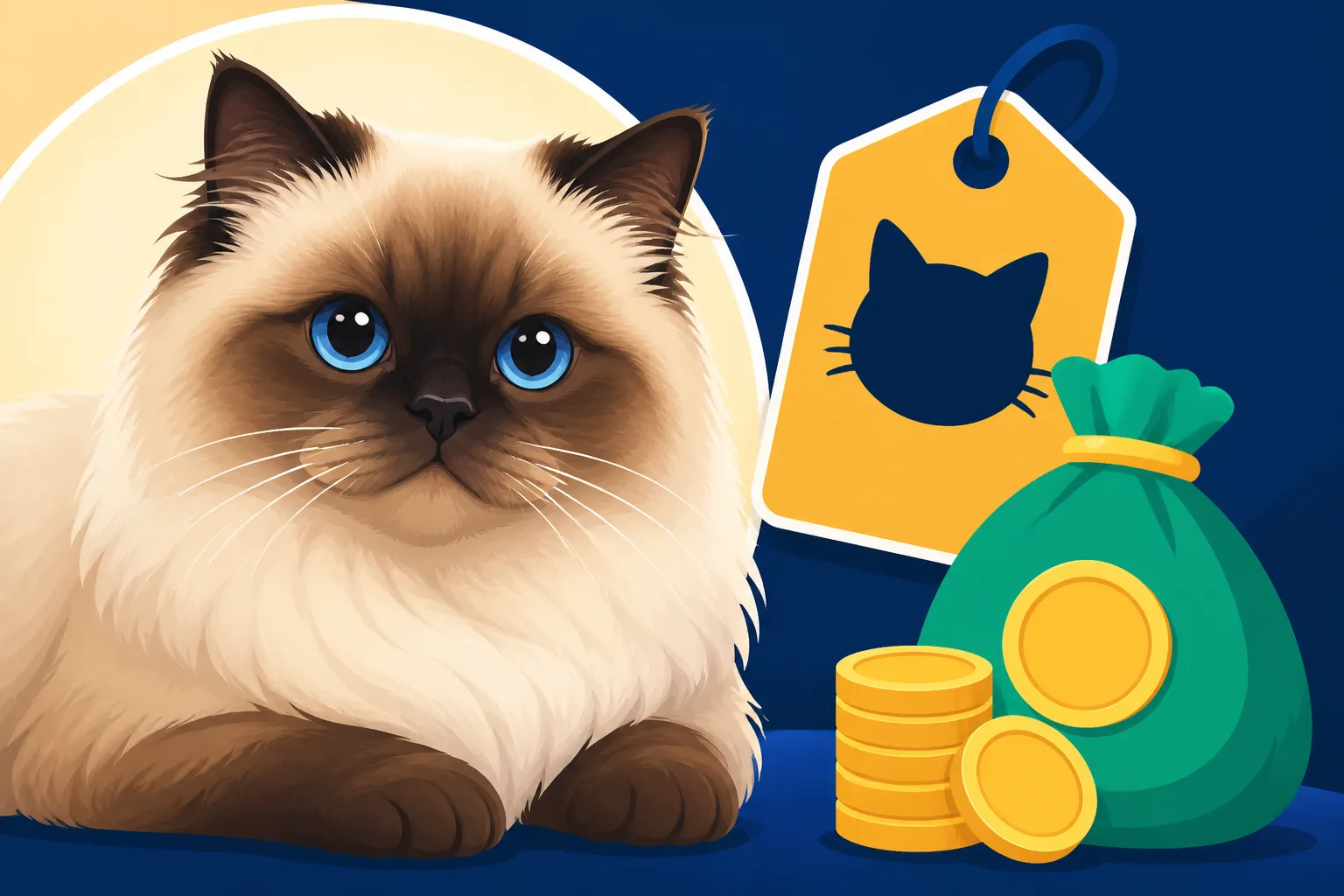
It's natural to balk a bit when you see a higher price tag, but when it comes to a Himalayan with a visible nose, that premium is often a direct reflection of the breeder's dedication to health, temperament, and adherence to a more traditional breed standard. These aren't simply "designer" cats; they are the result of conscious choices made to ensure a better quality of life for the animal. Think of it as investing in preventive care right from the start.
Breeders who focus on the doll face profile are actively working to preserve the original look and, more importantly, the associated health benefits of the Himalayan. They're often selecting cats with ideal bone structure, proper bite alignment, and open nostrils, reducing the likelihood of expensive and distressing health problems down the line. This type of breeding requires more than just pairing two beautiful cats; it involves understanding genetics, health clearances, and the subtle nuances of conformation that contribute to overall well-being.
Investment in Health Testing and Pedigree
A responsible breeder won't just tell you their cats are healthy; they'll show you the proof. This means extensive health testing for common breed-specific conditions. For Himalayans, this primarily includes Polycystic Kidney Disease (PKD) and Progressive Retinal Atrophy (PRA). While a visible nose doesn't directly prevent these genetic conditions, a breeder committed to overall health will test for everything. The cost of these tests – DNA swabs, ultrasound scans, and veterinary consultations – adds up. Each test ensures that the parents are clear of passing on these debilitating diseases, giving you peace of mind that your kitten has the best possible start. What Testing a Himalayan for PKD and the Eyes Costs helps illustrate this financial commitment.
Beyond genetic testing, reputable breeders invest in the general health of their breeding cats. Regular veterinary check-ups, high-quality nutrition, and optimal living conditions all contribute to healthy parents and, subsequently, healthy kittens. They'll likely also have strong pedigrees showing lines known for their robust health and desired physical traits. This meticulous attention to detail is part of the premium you pay, ensuring you receive a kitten that has been ethically and responsibly raised. You'll want to insist on Which Two Certificates a Himalayan Breeder Owes You to confirm these efforts.
The Time and Effort Behind Responsible Breeding
Breeding isn't a quick or easy endeavor for a truly dedicated individual. It's a 24/7 commitment, from the moment kittens are conceived to the day they go to their new homes. A visible nose Himalayan breeder invests countless hours in early socialization, proper nutrition, and meticulous care for each kitten. They monitor development, ensuring kittens are meeting milestones, and handle them regularly to ensure they are well-adjusted, confident, and loving companions.
The early weeks of a kitten's life are critical for their physical and emotional development. A breeder providing an enriched environment, with appropriate handling and exposure to various sights and sounds, is laying the groundwork for a well-adjusted adult cat. This hands-on approach, ensuring each kitten receives individual attention, high-quality food (brands like Chewy often carry premium kitten formulas that these breeders prioritize), and early veterinary care (including vaccinations and deworming), is a significant part of the cost. You're not just buying a cat; you're buying the product of a breeder's expertise, time, and genuine love for the breed.
Ongoing Care Costs: The Long-Term Investment in a Visible Nose Himalayan
While the initial purchase price for a visible nose Himalayan might be higher, the potential long-term savings on veterinary care can be substantial. A healthier facial structure generally means fewer breed-specific health complications, translating to fewer vet visits, less medication, and potentially avoiding costly surgeries down the road. This is where the initial investment truly pays off.
Consider the common issues faced by extremely flat-faced Himalayans: chronic respiratory problems, severe tear staining requiring constant cleaning and potential medication, and dental issues due to crowded jaws. Each of these conditions can lead to ongoing veterinary expenses, specialized care products, and significant time commitments for the owner. A doll face Himalayan, with its better breathing and often less crowded jaw, is less likely to incur these specific expenses.
Reduced Veterinary Expenses and Specialized Care
One of the biggest long-term cost benefits of a visible nose Himalayan is the potential reduction in veterinary bills related to brachycephalic issues. Cats with more open airways are less likely to need expensive surgeries to correct narrowed nostrils (nares) or an elongated soft palate. These procedures, while sometimes life-changing for severely affected cats, are not only costly but also involve anesthetic risks. A well-bred doll face Himalayan is often spared these interventions. This is a significant factor in its overall lifetime cost. For more on how vets assess breathing, check out How a Vet Grades a Himalayan's Nostrils and What a Well Built Himalayan's Breathing Sounds Like.
Moreover, ongoing issues like recurrent eye infections from inward-rolling eyelids (entropion) or chronic skin fold dermatitis in deep facial folds are less common in cats with a more open face. While daily face wiping might still be part of the routine for any Himalayan, it's often less intensive and less prone to leading to infections requiring veterinary intervention for a doll face. This means less money spent on medicated wipes, ointments, and vet visits for inflamed skin or infected eyes.
| Feature Type | Peke Face (Extreme) Cost Impact | Doll Face (Visible Nose) Cost Impact |
|---|---|---|
| Initial Purchase | Lower (often due to less selective breeding) | Higher (due to selective health breeding) |
| Respiratory Care | High (potential surgeries, medications for BOAS) | Low (fewer breathing complications) |
| Eye & Facial Care | Medium-High (chronic tear staining, skin fold issues, potential entropion surgery) | Medium-Low (routine cleaning, fewer infections) |
| Dental Care | Medium-High (crowded teeth, earlier extractions) | Medium (routine cleaning, less crowding) |
| Heat Tolerance | Low (prone to overheating, cooling aids) | Medium (better tolerance, still needs care) |
| Lifespan Impact | Potentially shorter, lower quality of life | Generally longer, higher quality of life |
| Insurance Premiums | Potentially higher for specific conditions | Potentially lower for specific conditions |
Daily Grooming and Care Differences
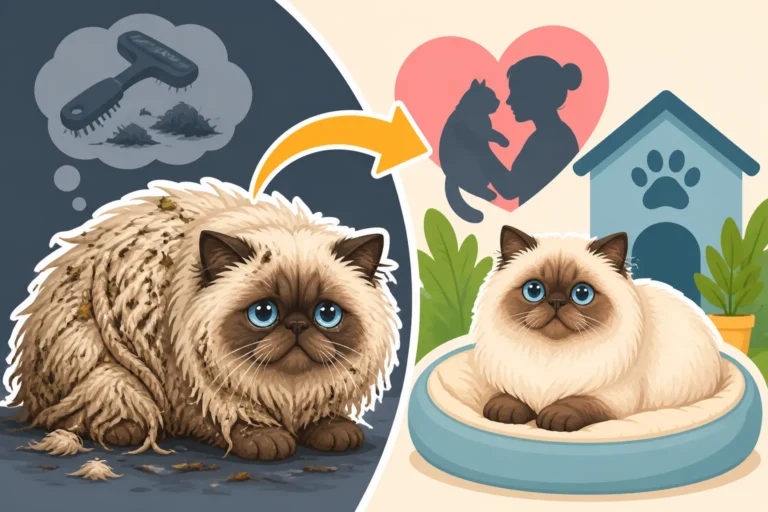
While all Himalayans require diligent grooming due to their luxurious, long coats, a visible nose can simplify aspects of their daily care. The face routine, for instance, might be less demanding. With less pronounced facial folds, there's less likelihood of moisture getting trapped, leading to bacterial or yeast infections. This can mean fewer specialized cleaning solutions and less frequent, intense wiping sessions. Regular routines are key, and tools purchased from places like Chewy can help, but the severity of needed care will vary.
Similarly, while dental care is important for all cats, Himalayans, in particular, can be prone to dental issues due to their shortened jaws. However, a doll face may have slightly more space in the mouth compared to an extreme peke face, potentially leading to fewer issues with severely crowded teeth and subsequent resorptive lesions. This might mean less frequent professional dental cleanings under anesthesia, which are significant expenses. However, even with a visible nose, a Himalayan's teeth still need regular attention, so understanding Why a Himalayan Needs Dentals Earlier Than a Siamese is still vital.
Lastly, consider pet insurance. While no insurance policy will cover pre-existing conditions, choosing a cat with fewer inherent breed-related health risks, like those associated with extreme brachycephaly, might influence your long-term insurance costs or the scope of coverage you need. Some providers, like Healthy Paws, allow you to tailor your coverage, and a healthier cat upfront might lead to fewer claims over their lifetime.
Finding a Reputable Breeder for a Visible Nose Himalayan
The quest for a Himalayan with a visible nose ultimately leads to the importance of finding a reputable breeder. This isn't just about getting a healthy kitten; it's about supporting ethical breeding practices that prioritize the animal's well-being over trendy aesthetics. A responsible breeder will be transparent about their breeding goals, health testing, and the care they provide.
Don't be afraid to ask questions – a good breeder welcomes them! Inquire about their breeding philosophy, specifically regarding facial structure and health. They should be able to articulate why they prefer the doll face and how they achieve it through careful selection. Ask to see the parents (or at least photos and health clearances), and observe the living conditions. A clean, well-maintained cattery where the cats appear healthy and socialized is a positive sign.
What to Look for in a Breeder
When speaking with breeders, pay close attention to how they discuss the cat's health and conformation. A reputable breeder will emphasize health over extreme features. They should be transparent about their screening processes for genetic diseases like PKD and PRA. They will also be knowledgeable about the Himalayan breed standard and how their breeding practices align with promoting healthy structures, including a visible nose and open airways. This often means they'll explain What a Doll Face Himalayan's Profile Measures in detail.
Beyond health, a good breeder will care deeply about temperament and socialization. Kittens should be playful, curious, and comfortable with human interaction. They should be raised in a home environment, not in isolated cages. Ask about their kitten care routine: when they start handling kittens, how they introduce them to different sounds and textures, and what their weaning and litter training practices are.
Asking the Right Questions and Viewing Kittens
When you connect with a potential breeder, be prepared with a list of questions. Here are a few to get you started:
- Can I see photos or videos of the parents, especially their profiles? This is crucial for assessing facial structure and ensuring the parents exhibit a visible nose. Remember Why to Ask a Himalayan Breeder for Photos in Profile.
- What health screenings do you perform on your breeding cats (e.g., PKD, PRA, heart scans)? Can I see the results?
- What is your philosophy on facial structure? Do you breed for doll face or peke face?
- What is the temperament of the parents? How are the kittens socialized?
- What age do you allow kittens to go to new homes? (Typically 12-16 weeks is ideal for proper socialization and development).
- What guarantees do you offer regarding health?
- What are the expectations for kitten care once they go home? A good breeder will want to ensure you're prepared for the commitment of a Himalayan, including their specific grooming needs.
Visiting the cattery, if possible, is invaluable. It allows you to see the cats in person, assess their environment, and observe their interactions. If an in-person visit isn't feasible, a video call is the next best thing. Pay attention to the cats' breathing – do they sound clear or raspy? Do they appear active and comfortable? This due diligence will help ensure you're getting a healthy, well-adjusted visible nose Himalayan, even if it means a higher initial cost. It’s about building a trusting relationship with someone who truly cares for the welfare of their animals and aiming for The Nine to Fifteen Years a Himalayan Usually Gets for your new companion.
Disclaimer
This article is for general informational purposes only and does not constitute professional advice. Laws, prices and regulations vary by location and change over time. Consult a qualified professional for guidance on your specific situation.