What an Old Himalayan Needs Once Its Coat Starts Matting
Watching our cherished Himalayan cats grow old is a bittersweet journey. Their dignified grace remains, but often, the physical demands of maintaining that magnificent, flowing coat become a true struggle. It’s heartbreaking to see them become less flexible, less energetic, and, consequently, start developing painful mats. These aren't signs of neglect; they're often the visible manifestation of age-related challenges. This guide is here to offer empathetic and practical solutions for managing your senior Himalayan's coat when matting begins, ensuring their comfort and well-being through their golden years.
The Inevitable Decline: Why Senior Himalayans Struggle with Grooming
It’s easy to feel frustrated when you notice your once-pristine Himalayan starting to look a bit disheveled, with those tell-tale clumps of fur appearing. But it's so important to remember that this isn't a sign of defiance or poor hygiene on their part. Instead, it's almost always a symptom of deeper, age-related changes that make their usual meticulous self-grooming difficult, if not impossible. Understanding these underlying reasons is the first step toward effective, compassionate care.
Physical Limitations and Aches
As our beloved Himalayans gracefully enter their senior years, their bodies often don't keep pace with the demands of their glorious, thick coats. Just like us, they can develop aches and pains that make everyday tasks challenging. Arthritis, for instance, is incredibly common in older cats and can affect their joints, making the act of twisting, turning, and reaching certain areas of their body incredibly painful. Imagine trying to groom your back or those hard-to-reach britches when every stretch or bend sends a twinge through your hips or spine. It quickly turns a routine self-care activity into an ordeal. This isn't laziness; it's a genuine physical limitation that needs our understanding and support. How Arthritis Shows in a Himalayan That Never Jumped
Beyond generalized arthritis, other physical discomforts can contribute. Dental pain, for example, can make them reluctant to spend time licking and chewing at their fur. Their mouths might be sore, or they might have missing teeth, which interferes with their natural grooming tools. Additionally, some senior cats experience reduced flexibility due to muscle stiffness or nerve issues, preventing them from getting into the contorted positions necessary to properly clean their dense double coat, especially in areas like their lower back, under their belly, or around their hind legs. The sheer effort required to navigate their own fur can become exhausting.
Cognitive Changes and Reduced Motivation
It's not just physical; sometimes, our senior Himalayans experience cognitive changes that can mimic dementia in humans. They might simply forget to groom as diligently, or their established grooming routine might break down. The meticulous self-care they once performed daily, almost ritualistically, becomes less of a priority in their minds, or they may simply not remember how to execute it as effectively as they once did. Their world can become smaller, their focus less sharp, and the instinct to keep their coat pristine can fade into the background.
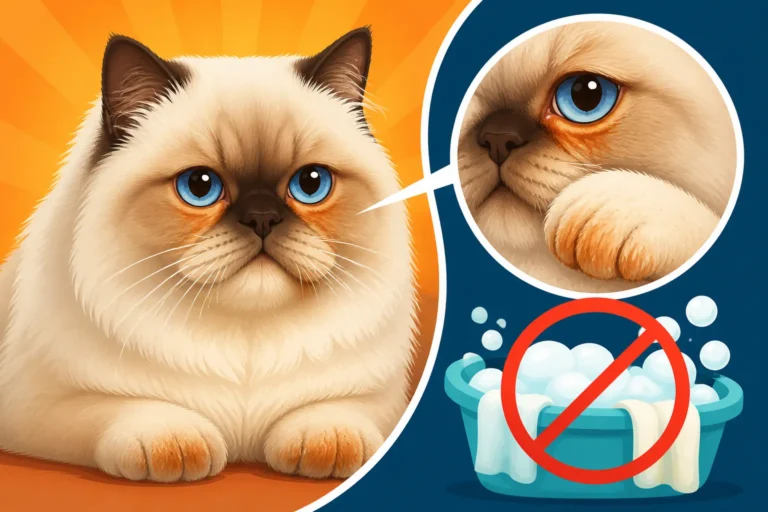
This cognitive shift can also manifest as a general apathy or reduced engagement with their environment. A cat that once spent hours meticulously tending to every strand of fur might now spend more time sleeping or simply observing. Why an Old Himalayan Stops Washing Its Own Face They might also be less responsive to the subtle cues that remind them to groom. It's a sad but real part of aging that we, as their caregivers, need to understand and compensate for. When their mental capacity for self-care wanes, our responsibility to step in and provide that care becomes paramount.
The Cascade of Problems: Risks of Neglected Matting
When an older Himalayan's coat begins to mat, it's far more than just a cosmetic issue. These seemingly innocent tangles can rapidly escalate into serious health concerns, causing immense discomfort and putting your cat at risk for various medical problems. It's a domino effect, where one small mat can lead to a host of other, more severe complications if not addressed promptly and properly.
Skin Irritations and Infections Hidden Beneath Mats
Mats aren't just unsightly; they're a serious health hazard for your Himalayan, acting like tightly woven cages around their skin. They relentlessly pull at the delicate skin underneath, causing constant irritation, redness, and even open sores where the skin can break. These hidden skin issues become perfect breeding grounds for bacteria and yeast, thriving in the warm, moist environment trapped beneath the dense fur, leading to painful and stubborn infections like pyoderma or dermatitis. Imagine having a constant, tight pull on your scalp that never lets up, and then add the discomfort of a skin infection beneath it – that's a glimpse into your cat's misery.
What's particularly insidious about matting in Himalayans is how effectively their thick, long fur can hide these problems. Owners might not discover a severe infection or raw skin until the mat is finally removed, by which point the issue is often advanced and painful. This is why addressing mats isn't just cosmetic; it's a vital part of preventative health care and early detection of potential medical issues. Regularly checking beneath the fur, even in seemingly clean areas, can help you catch these problems before they spiral out of control. Why a Matted Himalayan Becomes a Medical Case
Discomfort, Pain, and Restricted Movement
Beyond the immediate skin issues, mats cause immense chronic discomfort and outright pain for your senior Himalayan. As the mats grow and tighten, they restrict your cat's natural range of motion, making it difficult for them to walk, stretch, jump onto their favorite low sofa, or even lie down comfortably. A cat trapped in a tight fur "jacket" of mats will avoid stretching or playing, further contributing to stiffness and a sedentary lifestyle, which in turn can worsen existing conditions like arthritis. This creates a vicious cycle where reduced movement leads to more matting, and more matting leads to even less movement.
The constant pulling sensation can be excruciating, particularly when a cat tries to move or shift position. It fundamentally impacts their quality of life, turning once-joyful movements into painful struggles. They may become withdrawn, less interactive, and generally lethargic, all because of the persistent pain and restriction caused by their matted coat. Their beautiful long fur, once a point of pride, becomes a source of their daily suffering.
Proactive Grooming: Strategies for Senior Himalayan Coats
When it comes to managing the magnificent, yet demanding, coat of a senior Himalayan, a proactive approach is not just helpful, it's absolutely essential. Waiting until severe mats form often means a more difficult and painful experience for your cat. Instead, focus on consistent, gentle, and strategic grooming that caters to their changing needs and sensitivities.
Gentle Daily Care and Targeted Tools
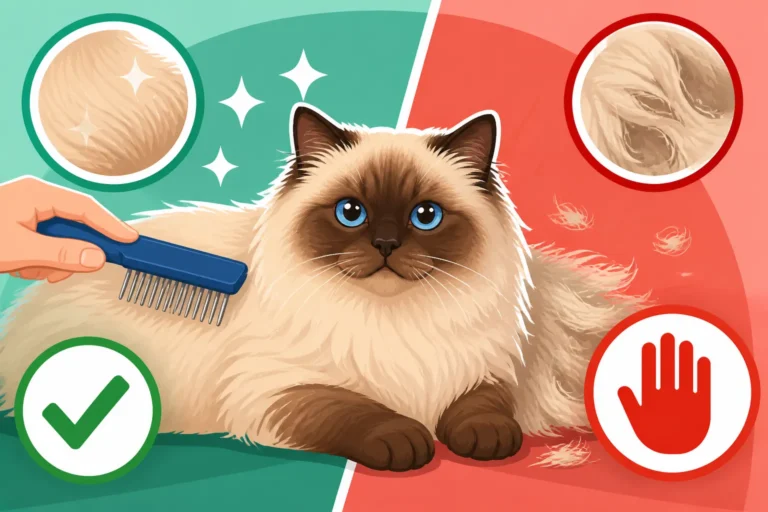
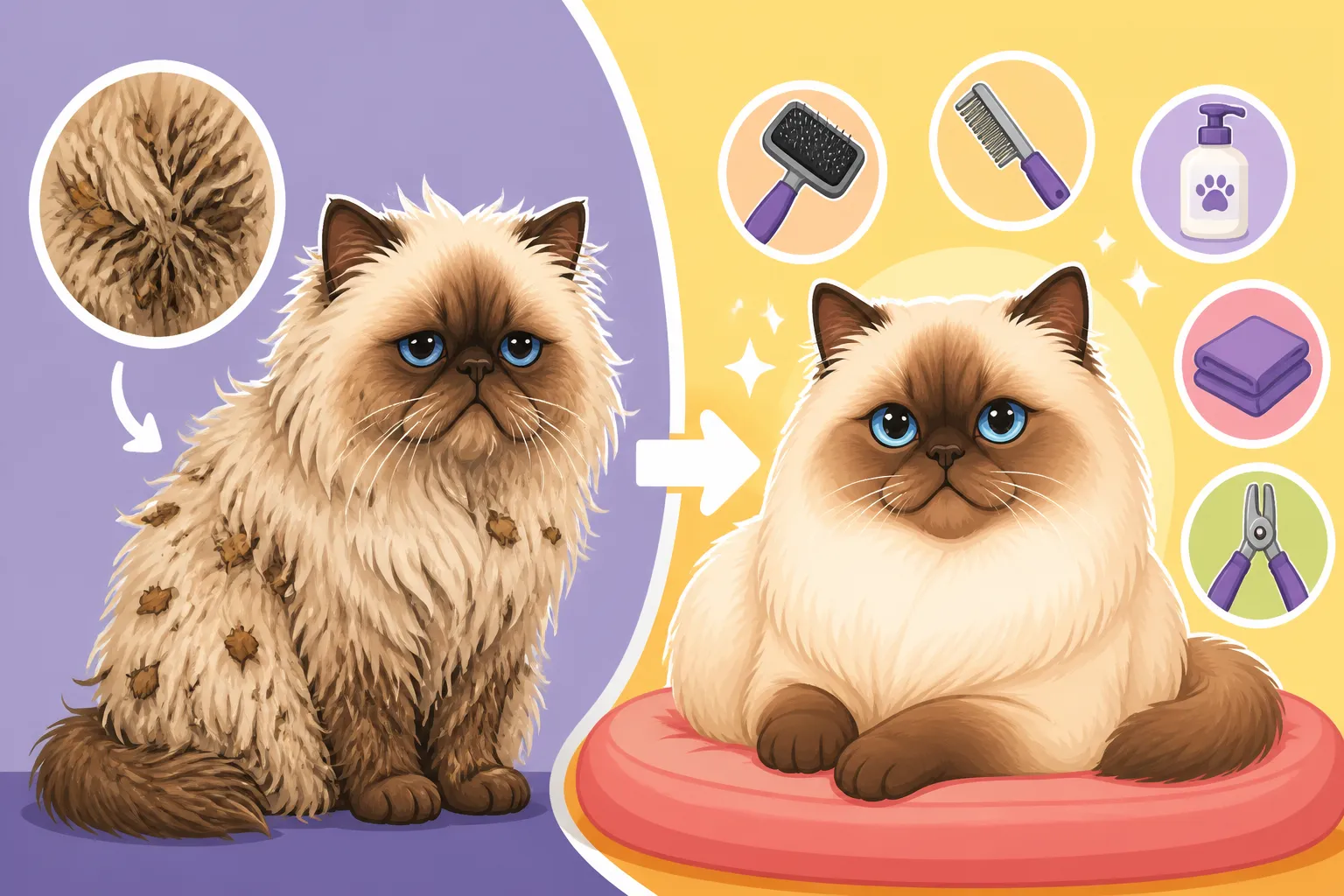
The cornerstone of managing an aging Himalayan's coat is consistency and using the right tools. Daily, gentle combing is far more effective and less stressful than trying to tackle large mats once a week. Focus your efforts on known problem areas first: the armpits, the britches (around their hindquarters), behind the ears, and around their collar area. These are the spots where friction and movement cause tangles to form most quickly. Invest in a good quality metal comb with both wide and fine teeth; the wider teeth are excellent for gently teasing out small knots, and the finer teeth can follow to smooth the coat and remove loose undercoat.
It's about short, frequent sessions, not marathon struggles that exhaust both you and your cat. A calm, comfortable environment, perhaps with soft praise and a few treats, can make all the difference. Get them used to the routine on a non-slip surface, like a bath mat on a low table, which is easier on your back and provides a secure footing for your cat. Remember, patience is key. If you hit a snag or a small tangle, stop pulling, gently work it out with your fingers, or switch to the wider end of the comb. The Daily Comb a Himalayan Cannot Skip For specific tools, you can find a wide range of suitable metal combs and de-matting tools at reputable online pet supply retailers like Chewy or Amazon.
When Professional Grooming Becomes Essential
Sometimes, despite our very best efforts, or if you've brought home a senior Himalayan whose coat is already severely matted, the situation can become too overwhelming or too painful to address at home. This is precisely when a professional groomer, or more often, your veterinarian, becomes your most valuable ally. These professionals possess the specialized expertise, the appropriate tools, and crucially, the understanding of feline behavior to address severe matting safely, humanely, and with minimal stress to your beloved cat. Don't ever feel guilty about needing professional help; it’s a responsible and compassionate choice for your cat's immediate well-being.
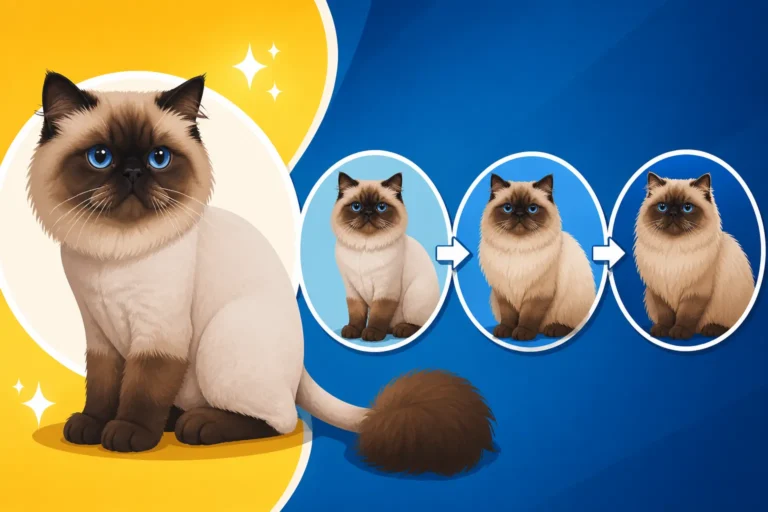
In many cases of severe matting, especially those close to the skin or covering large areas, the safest and kindest approach is a "lion cut." This involves carefully shaving the body down, leaving the magnificent ruff around the head and neck, and often the fur on the tail and sometimes the lower legs. This gives your cat immediate, incredible relief from the constant pulling and allows their skin to breathe and heal. While it might look dramatic initially, the fur will grow back, and your cat will be infinitely more comfortable in the interim. Your vet might even recommend sedation for this procedure, especially if the mats are painful or your cat is particularly anxious, keeping their comfort and safety paramount. Why a Himalayan Is a Harder Anesthetic Than a Siamese
Supporting Health: Diet, Mobility, and Vet Care
Managing matting in a senior Himalayan isn't solely about brushing; it's intricately linked to their overall health. Addressing underlying medical conditions, ensuring proper nutrition, and supporting their mobility can significantly improve their ability to self-groom and the quality of their coat. Think of it as a holistic approach to keeping them comfortable and healthy.
Regular Veterinary Check-ups and Pain Management
As Himalayans age, their health needs change dramatically, often requiring more frequent and thorough veterinary attention. Regular veterinary check-ups become even more critical, often recommended twice a year instead of just annually. These visits provide an opportunity to discuss any signs of pain, changes in mobility, unusual behaviors, or new lumps and bumps that might be hidden under that thick fur. Your vet can perform comprehensive physical exams, often including bloodwork, to catch potential issues early. What a Himalayan's Yearly Bloods Should Cover After Eight
They can help diagnose conditions like arthritis, dental disease, or even kidney issues, all of which can impact energy levels and hinder grooming habits. Pain management, whether through prescription medication, joint supplements, or even alternative therapies, can dramatically improve your senior cat's comfort, mobility, and consequently, their ability and willingness to groom themselves. Never underestimate the power of alleviating chronic pain in improving a senior cat's overall quality of life and self-care capacity.
Tailored Nutrition and Weight Management
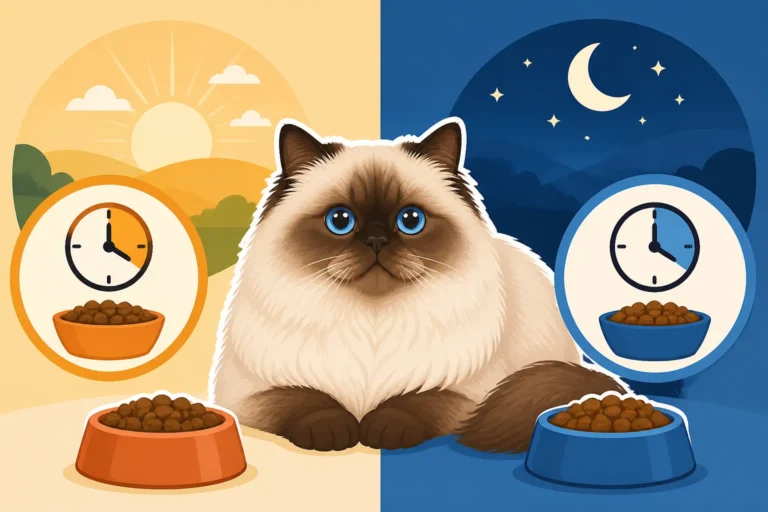
Diet plays a colossal role not only in overall health but specifically in coat quality and mobility. Senior Himalayans often have different nutritional requirements compared to their younger selves; they may need fewer calories to prevent weight gain due to reduced activity, but still require plenty of high-quality protein to maintain muscle mass. An overweight Himalayan will struggle even more to groom, especially around their hindquarters and tail, as their body shape physically impedes their reach. Why an Overweight Himalayan Cannot Reach Its Britches
Work closely with your veterinarian to find a senior-specific diet that supports joint health, kidney function, and helps maintain a healthy weight. Many reputable brands offer excellent senior cat food options designed to address these specific needs, and your vet can guide you towards the best choice for your individual cat. Consider using raised bowls, which can make eating more comfortable for cats with neck or joint pain, and always ensure fresh, clean water is readily available. Online retailers like Chewy and Amazon offer a wide selection of senior cat foods and supplements that can support their changing dietary needs.
Creating a Comfort-First Environment for Your Senior Himalayan
When your Himalayan reaches their golden years, their home environment needs to evolve with them. What once worked for a spry kitten or a robust adult might now present challenges for an older cat with reduced mobility or increased sensitivities. Creating a comfort-first environment is about removing obstacles and providing spaces that cater to their unique needs.
Accessible Grooming Stations and Designated Spaces
Think critically about where and how you groom your senior Himalayan. Instead of trying to manage them on your lap or the floor, a non-slip mat placed on a low, stable table or counter can make grooming less stressful for both of you. This elevated position can save your back from strain and provides your cat with a secure, non-slip surface where they feel stable. This stability is crucial for older cats who might be a bit wobbly on their feet.
Beyond grooming, ensure their favorite napping spots and resources are easily accessible. If they can no longer jump onto that high windowsill perch, consider providing ramps or pet steps to help them reach it safely. Make their world easy to navigate. A cozy, orthopaedic bed that cradles their aging joints, placed in a warm, quiet spot away from household hustle and bustle, becomes a vital sanctuary for an older cat. These small adjustments can significantly improve their daily comfort and reduce stress.
Environmental Adjustments and Stress Reduction
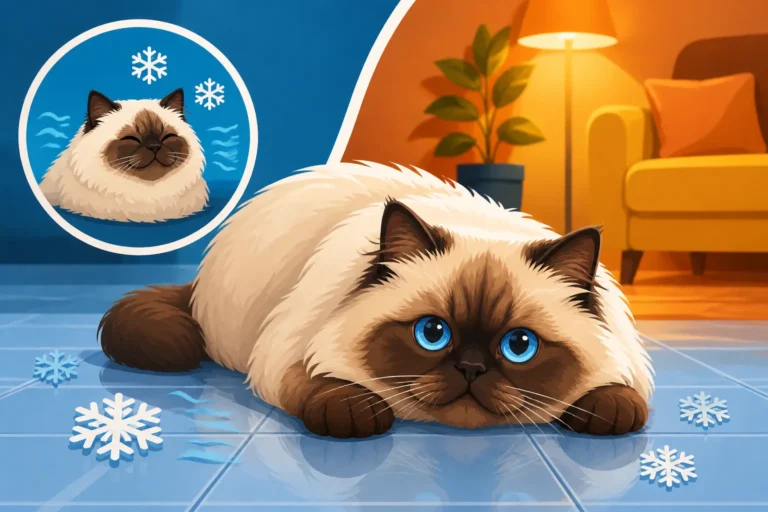
A comfortable environment extends beyond just physical accessibility; it encompasses their overall sensory experience. Older cats are often more sensitive to changes in temperature, sudden loud noises, and disruptions to their established routine. Keep their living environment calm, predictable, and consistent to minimize stress. For Himalayans, who can easily overheat due to their dense double coat and brachycephalic (flat-faced) features, ensuring they have access to cool spots is paramount, especially during warmer months. The Temperature a Himalayan Starts to Struggle At Conversely, make sure they aren't subjected to cold drafts that could exacerbate joint pain or make them feel chilled.
Minimize stressors as much as possible; this might mean providing a quiet room during social gatherings, maintaining consistent feeding and grooming schedules, and approaching them gently. A sense of security and stability is incredibly important for senior cats. Simple things like leaving a nightlight on or ensuring their litter box is easily reachable and low-sided can make a world of difference to their peace of mind and overall well-being.
Essential Grooming Tools for Senior Himalayans
Having the right tools is half the battle when it comes to keeping your senior Himalayan's coat mat-free and comfortable. Forget the flimsy brushes; you need quality instruments designed to work with dense, long fur gently but effectively.
| Tool Type | Best Use | Benefits for Senior Himalayans | Notes |
|---|---|---|---|
| Metal Comb | Daily detangling, checking for mats, removing loose fur | Gets deep into the dense undercoat, comes with fine and wide teeth options for different tasks. Essential for preventing small tangles from becoming major mats. | Always use gently, starting from the ends of the fur and working your way up to the skin. Pay extra attention to sensitive areas like armpits and britches. Available on Amazon. |
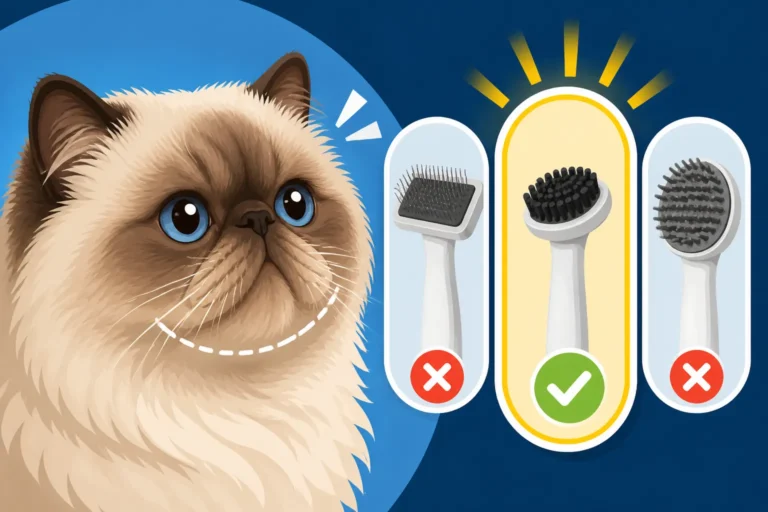
| Slicker Brush | Removing loose undercoat, distributing natural oils | Less pulling than a comb, good for overall coat health and stimulating circulation. | Choose one with flexible pins and soft, coated tips to avoid scratching sensitive skin. Use light, sweeping strokes. Great for general maintenance after combing. |
| Mat Splitter / Dematting Tool | Carefully breaking apart dense mats into smaller sections | Reduces painful pulling, allows for sectional mat removal, making severe mats more manageable. | Use with extreme caution and never pull. These tools have sharp blades, so be incredibly careful to avoid cutting the skin. Best for experienced owners or under veterinary guidance. |
| Blunt-Tip Scissors | Trimming small, surface mats; sanitary trims | Safer for careful trimming close to the skin, especially for small mats or for keeping britches and paw pads tidy. | Always use scissors with blunt ends and point them away from the skin. Lift the mat away from the skin before cutting. For deep, tight mats, professional help is safer. |
| Soft Bristle Brush | Finishing touch, massaging, stimulating circulation | Provides a gentle massage, helps distribute natural oils, and is excellent for bonding and desensitizing sensitive cats to grooming. | Less effective for active mat removal but wonderful for cats with very sensitive skin or those who dislike metal tools. Can be found at pet stores and online retailers like Chewy. |
| Pet Wipes (Hypoallergenic) | Quick clean-ups, freshening coat, wiping face | Convenient for spot cleaning areas your cat can't reach, or for removing debris. Gentle on skin and fur. | Choose unscented, hypoallergenic wipes to avoid skin irritation. Useful for cleaning paws or around the mouth after meals. |
Disclaimer
This article is for general informational purposes only and does not constitute professional advice. Laws, prices and regulations vary by location and change over time. Consult a qualified professional for guidance on your specific situation.