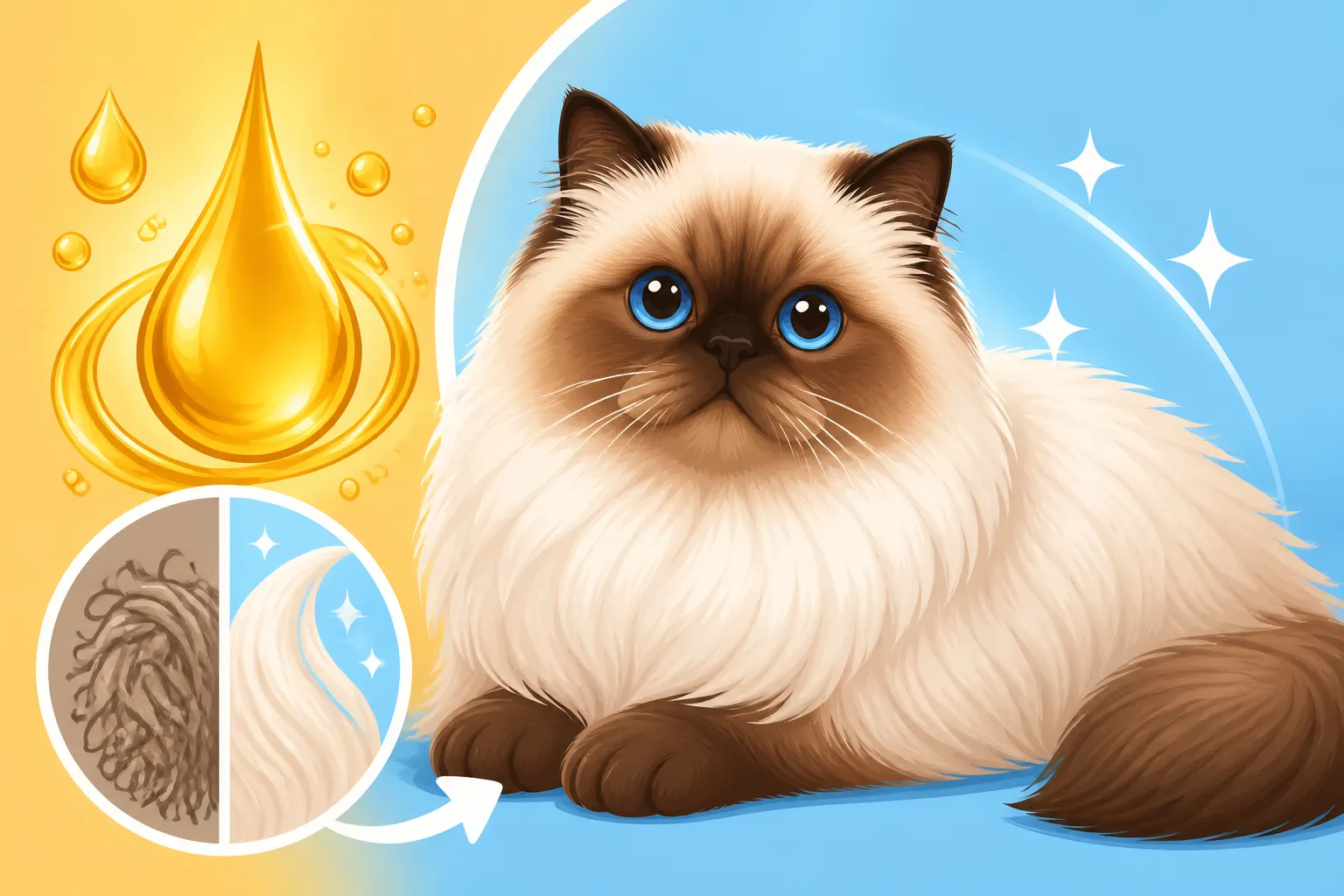
Why Omega Oils Keep a Himalayan’s Coat From Matting
If you're a Himalayan cat owner, you know the daily struggle of keeping that magnificent, flowing coat free of mats. It can feel like a losing battle, with new tangles appearing out of nowhere, especially in those tricky spots like behind the ears or under the legs. This guide dives deep into how integrating omega oils into your Himalayan's diet can be a game-changer, supporting their skin and coat health from the inside out to minimize matting and keep them looking their best.
The Himalayan Coat: A Majestic, Yet Demanding Challenge
There's no denying the sheer beauty of a Himalayan cat's coat. It's truly a sight to behold, luxurious and dense, giving them that iconic, plush appearance. But with that beauty comes significant responsibility and a unique set of challenges. Unlike some other long-haired breeds, the Himalayan's coat structure is particularly prone to matting, and understanding why is the first step in effective management.
The Double Coat Dilemma
The Himalayan, inheriting much of its coat structure from its Persian lineage, boasts a double coat. This isn't just one layer of fur; it's a magnificent combination of a longer, coarser outer guard coat and a remarkably soft, dense, cotton-like undercoat. The outer coat provides protection and gives the cat its overall shape and sheen, while the undercoat is primarily for insulation, keeping them warm in cooler temperatures.
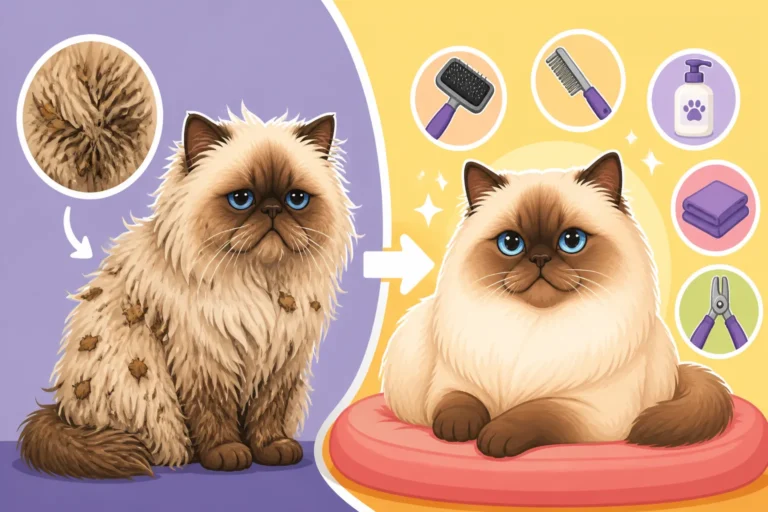
The trouble arises because this dense undercoat is incredibly fine and tends to shed constantly, especially during seasonal changes. When these shed undercoat hairs don't release cleanly, they get trapped within the longer guard hairs and quickly weave together, forming felt-like clumps. Imagine trying to brush out a ball of cotton wool that's been mixed with threads – that's essentially what a mat is. This is why daily grooming is non-negotiable for these cats; even a missed day can lead to a significant tangle. We often talk about How Long a Himalayan's Coat Actually Grows and it's this length combined with the density that causes so much work.
How Mats Form in Himalayan Fur
Mats don't just appear overnight; they typically start as small tangles that, if left unattended, become tighter and larger. The areas most susceptible are those with constant friction or where the fur is particularly fine and dense. Think about the armpits, behind the ears, around the britches, and the belly – these are prime matting zones. Every time your Himalayan moves, lies down, or even scratches, these small tangles get tighter and more intertwined.
Humidity, static electricity, and even certain types of litter can exacerbate the problem. A damp environment can make the fur clump more easily, while static can cause individual hairs to cling together, kickstarting a tangle. Once a mat forms, it pulls on the surrounding skin, which can be incredibly painful for your cat. In severe cases, mats can restrict blood flow, harbor parasites, or lead to skin infections due to lack of air circulation and trapped moisture. It's a distressing situation for both cat and owner, often necessitating professional grooming or even veterinary intervention, sometimes under sedation, to remove them safely. Understanding Why a Matted Himalayan Becomes a Medical Case truly highlights the urgency of prevention.
Understanding Omega Fatty Acids for Feline Health
Given the challenges of the Himalayan coat, finding ways to strengthen the fur from the root up and maintain optimal skin health is paramount. This is where omega fatty acids step in. Often heralded for human health, these essential fats play an equally crucial role in the well-being of our feline companions, particularly when it comes to skin and coat condition.
The Essential Omega-3s and Omega-6s
Omega fatty acids are types of polyunsaturated fats, and the two primary categories we focus on for feline health are Omega-3 and Omega-6. What makes them "essential" is that your cat's body cannot produce them on its own; they must be obtained through their diet.
- Omega-3 Fatty Acids: The most well-known Omega-3s are EPA (eicosapentaenoic acid) and DHA (docosahexaenoic acid), primarily found in cold-water fish and certain plant sources. These are celebrated for their powerful anti-inflammatory properties, which are beneficial for many bodily systems, including skin and joints. Alpha-linolenic acid (ALA) is another Omega-3 found in plant sources, but cats aren't very efficient at converting ALA into the more active EPA and DHA, so direct animal sources are generally preferred for optimal benefit.
- Omega-6 Fatty Acids: The main Omega-6 for cats is Linoleic Acid (LA), found in vegetable oils, poultry fat, and certain meats. While Omega-3s are often associated with anti-inflammatory effects, Omega-6s are crucial for maintaining a healthy skin barrier and supporting normal growth and reproduction. The key isn't to eliminate Omega-6s, but to ensure a proper balance with Omega-3s, as an imbalance can sometimes contribute to inflammatory conditions.
Both types are vital, but for coat health and inflammation, Omega-3s often get the spotlight. They work synergistically to support overall cellular function and integrity.
How Omegas Benefit Skin Barrier Function
Think of your cat's skin as its first line of defense against the outside world. It's a complex organ, and a healthy skin barrier is crucial for protecting against irritants, allergens, and moisture loss. This barrier is largely composed of lipids (fats), and omega fatty acids are key players in its construction and maintenance.
When a cat's diet is deficient in these essential fatty acids, the skin barrier can become compromised. You might notice dry, flaky skin, increased itching, or a dull, brittle coat. Omega-3s, particularly EPA, help to regulate the skin's inflammatory responses, reducing redness and irritation that can lead to excessive scratching and further coat damage. Meanwhile, Omega-6s contribute to the production of ceramides and other lipids that fortify the skin barrier, helping it retain moisture and stay supple. A well-hydrated, healthy skin barrier provides a strong foundation for healthy hair follicles, which is exactly what we want for a Himalayan. It's all about promoting a robust defense system from the inside.
How Omega Oils Directly Combat Matting
Now, let's get down to the brass tacks: how do these fantastic omega oils actually help prevent those dreaded mats in your Himalayan's glorious coat? It's not a magic bullet that negates the need for daily grooming, but it certainly makes that grooming easier and more effective by improving the quality of the fur itself.
Improving Hair Follicle Health
Mats are often a symptom of hair that is dry, brittle, or coarse, making it more prone to tangling and breakage. Omega fatty acids, especially EPA and DHA, work at the cellular level to nourish the hair follicles. Think of the follicle as the root of the hair; a healthy root produces a healthy strand of hair. When follicles are well-nourished, they produce hair that is stronger, more pliable, and has a natural sheen.
This improved elasticity means the individual hair strands are less likely to snap and break, which can often be the starting point for a mat. Stronger hair is also less prone to developing split ends or rough cuticles, which can catch on other hairs and create tangles. When your Himalayan's fur feels softer and silkier, it’s not just more pleasant to touch; it’s physically less likely to intertwine into a tight knot. You might notice their fur becomes easier to comb through, with fewer snags and less resistance, making those daily grooming sessions a much more pleasant experience for both of you. This internal strengthening complements external care, such as knowing Which Steel Comb a Himalayan's Coat Needs.
Reducing Dryness and Breakage
A common contributor to matting is dry, brittle fur. When the hair lacks moisture and natural oils, it loses its smoothness and becomes rougher in texture. This rough texture means individual hairs are more likely to snag and intertwine with each other, quickly forming mats. It’s like trying to comb dry, frizzy hair versus smooth, well-conditioned hair.
Omega oils address this by enhancing the natural oil production of the skin and hair shaft. These healthy fats help moisturize the skin from within, which in turn lubricates the hair as it grows. A well-hydrated hair strand has a smoother cuticle layer, allowing it to glide past other hairs more easily. This reduces the friction that leads to tangles and knots. Furthermore, the enhanced strength and flexibility of the hair (as discussed above) means it's less likely to break off, and broken hairs are notorious for contributing to mat formation because their uneven ends create perfect snagging points. By keeping the fur supple and resilient, omega oils significantly reduce the chances of matting, especially in high-friction areas.
The Anti-Inflammatory Edge
Beyond direct hair health, omega-3 fatty acids offer a crucial anti-inflammatory benefit that indirectly helps combat matting. Skin inflammation can be caused by various factors, including allergies, environmental irritants, or underlying health issues. When a cat's skin is inflamed, it often leads to excessive scratching, licking, or chewing at the affected areas.
This self-trauma is a major instigator of matting. Constant licking and scratching roughens the hair cuticle, causing strands to stick together. Saliva can also make the fur sticky and prone to clumping, and the physical action of the cat trying to relieve an itch can quickly turn a small tangle into a significant mat. By reducing inflammation, omega-3s can alleviate discomfort, lessening the urge for your Himalayan to constantly groom or scratch specific spots. A calmer, less itchy cat is a cat whose coat is subjected to less self-induced trauma, keeping the fur smoother and less likely to tangle. This preventative measure works hand-in-hand with their innate grooming habits to maintain a pristine coat.
Incorporating Omega Oils Into Your Himalayan's Diet
Okay, so we've established why omega oils are beneficial. Now, let's talk about the practical side of getting these vital nutrients into your Himalayan's system. It’s not just about tossing a random supplement into their bowl; quality, type, and consistency truly matter for the best results.
Types of Omega Supplements
When you venture into the world of omega supplements for cats, you'll find a few main types. Each has its pros and cons, and what works best for your Himalayan might depend on their palate and your preference for administration.
- Fish Oil: This is probably the most common and effective source of EPA and DHA for cats. Look for oils derived from small, cold-water fish like sardines, anchovies, or mackerel, as these tend to have lower levels of heavy metals compared to larger, longer-lived fish. Many come in liquid form with a pump or dropper, making it easy to add directly to food. You can find high-quality fish oil supplements on platforms like Chewy or Amazon.
- Krill Oil: Krill oil also provides EPA and DHA, but it's bound in a phospholipid form, which some believe makes it more bioavailable. It also contains astaxanthin, a powerful antioxidant. It tends to be a bit more expensive than traditional fish oil.
- Algae Oil: For those looking for a plant-based or vegetarian option, algae oil is an excellent source of DHA (and sometimes EPA). Since cats aren't efficient at converting ALA from flaxseed into EPA/DHA, algae oil is a better plant-derived choice to ensure they get these critical fatty acids.
- Fortified Cat Foods: Some premium cat food brands incorporate omega fatty acids into their recipes. While convenient, the amount can vary, and processing can sometimes reduce the efficacy of these delicate fats. If you're relying solely on food, ensure it's a high-quality option. Fresh-prepared meals often pay close attention to balanced nutrition, including omegas, but always check their specific formulations.
Always choose supplements specifically formulated for pets to ensure proper dosage and purity. Avoid human supplements unless directed by your vet, as concentrations can differ greatly.
Dosage and Administration Tips
Determining the correct dosage of omega oils is crucial. Too little, and you won't see the desired benefits; too much, and you could potentially cause digestive upset or other issues. It's always best to consult with your veterinarian before starting any new supplement, as they can recommend a dose tailored to your Himalayan's specific needs, weight, and overall health status.
Generally, liquid supplements are easiest for cats. You can simply squirt the recommended amount directly onto their wet food. Most cats enjoy the taste of fish oil, but if your Himalayan is finicky, start with a very small amount and gradually increase it over several days to allow them to adjust. Mixing it thoroughly into a small portion of their favorite wet food can also help disguise it. Some owners even put a small amount on their cat's paw for them to lick off, though this can get messy with a long-haired cat! Consistency is key, so try to administer it at the same meal each day. Remember, this isn't a quick fix; it takes time for the benefits to become evident as new, healthier hair grows in. Don't expect immediate results; improvements in coat quality often take several weeks to a few months.
Combining With Other Grooming Routines
While omega oils are a fantastic internal support system, they are not a replacement for diligent external grooming. Think of them as a powerful ally in your fight against mats. They make your job easier, but they don't do it for you.
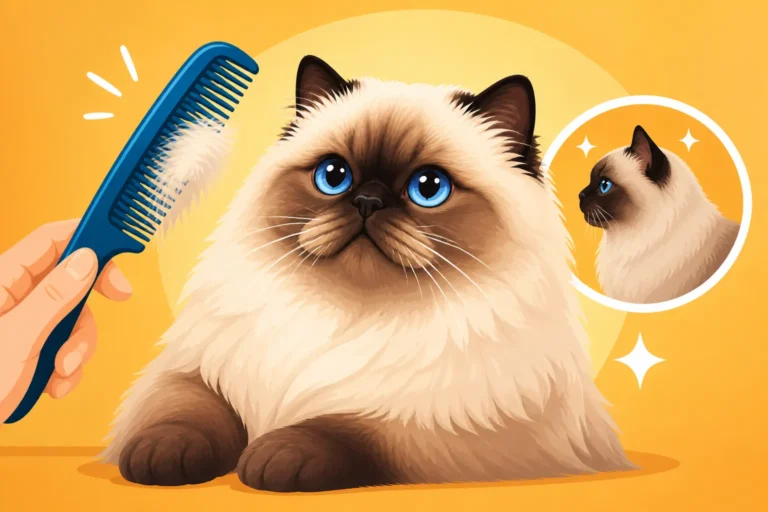
Your Himalayan still needs a daily combing session, meticulously working through that dense double coat to remove loose hairs and prevent tangles from tightening. A good quality steel comb is indispensable here. Focus on those problem areas like the armpits, britches, and behind the ears, where mats love to form. Incorporating What a Year of Himalayan Eye Wipes Costs and other routine facial cleaning is also vital, as tear stains and dampness around the face can also contribute to coat issues.
By nourishing your cat's coat from the inside with omega oils and consistently maintaining it with daily brushing, you create a comprehensive approach to mat prevention. The omega oils help the new fur that grows in to be stronger, softer, and more resilient, making your combing efforts more effective and reducing the overall time and frustration involved. This holistic approach ensures your Himalayan not only looks magnificent but feels comfortable and healthy in their own skin.
| Omega Oil Type | Primary Benefits | Common Sources | Considerations |
|---|---|---|---|
| Fish Oil | Rich in EPA & DHA, anti-inflammatory | Small, cold-water fish (sardines, anchovies) | Look for purity, lower mercury levels, palatable |
| Krill Oil | EPA & DHA in phospholipid form, astaxanthin | Antarctic krill | More expensive, potentially higher bioavailability |
| Algae Oil | Plant-based DHA (sometimes EPA) | Marine algae | Good for vegetarian/allergy concerns |
| Fortified Cat Food | Convenience, integrated into diet | Various, check ingredients | Amount can vary, processing may affect potency |
Disclaimer
This article is for general informational purposes only and does not constitute professional advice. Laws, prices and regulations vary by location and change over time. Consult a qualified professional for guidance on your specific situation.