What a Doll Face Himalayan’s Profile Measures
It's incredibly frustrating when you're trying to understand the nuances of your beloved Himalayan's features, especially with all the confusing terminology floating around. You hear "Doll Face" and "Peke Face," but what do these actually mean in terms of tangible, measurable characteristics? This guide is here to cut through the confusion and meticulously detail the specific measurements and anatomical markers that define a Doll Face Himalayan's profile, helping you appreciate their unique beauty and understand the health implications of their facial structure.
Understanding the Himalayan Face Types
When we talk about Himalayan cats, their faces are often the first thing people notice, and sometimes, the first source of confusion. The terms "Doll Face" and "Peke Face" are thrown around, and while they describe distinct appearances, understanding the precise differences can be a real head-scratcher. It's not just about aesthetics; these facial structures have significant implications for a cat's health and daily comfort.
The Doll Face Versus the Peke Face
For many years, especially in the show ring, there was a strong push towards an increasingly flattened facial structure in Persian-type cats, which includes Himalayans. This led to what's known as the "Peke Face," a look characterized by an extremely flat face, a recessed nose, and often, prominent eyes. It was a trend that, while striking in appearance, inadvertently introduced a host of health challenges.
The "Doll Face" Himalayan represents a return to a more traditional, classic Persian appearance, reminiscent of the breed's origins. It’s a profile where the nose is clearly visible and projects slightly, rather than being squashed flat between the eyes. When you look at a Doll Face cat from the side, you’ll see a gentle slope from the forehead to the tip of the nose, a far cry from the dramatic, almost concave profile of a Peke Face. Owners often choose the Doll Face for its more moderate appearance, and many feel it simply looks "kinder" and more aligned with historical portrayals of the breed. If you're weighing your options, understanding the differences is key, as we discuss in more detail when considering if a Doll Face or Peke Face is the Himalayan buyer's real decision.
Why Profile Matters for Health
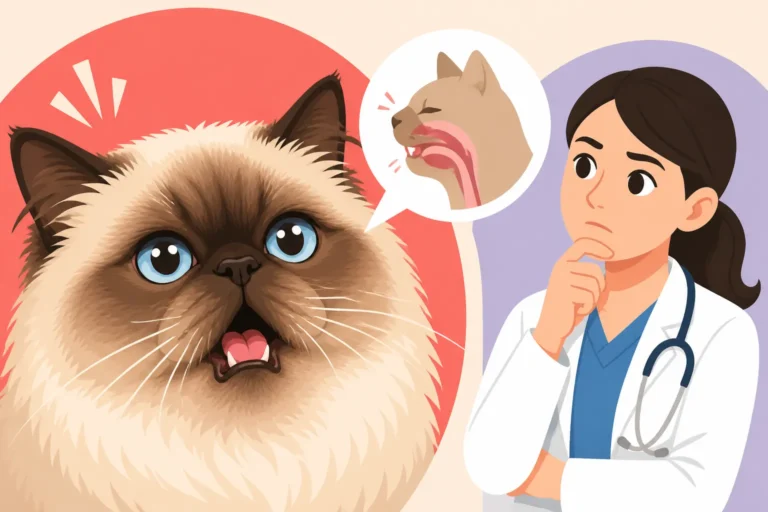
The shape of a cat's face isn't just cosmetic; it's intricately linked to their overall health and well-being. A severely flattened face, like that of a Peke Face, can lead to a condition known as brachycephalic airway syndrome, which can cause significant breathing difficulties. Imagine trying to breathe through a constantly pinched nose – that's often what these cats experience. Their nostrils can be stenotic (narrowed), their soft palates elongated, and their tracheas hypoplastic (underdeveloped), all contributing to labored breathing, especially during exertion or in warm weather.
A Doll Face profile, with its more moderate structure, generally mitigates many of these extreme issues. A visible, slightly protruding nose means better airflow, and a less compressed facial structure can lead to healthier tear ducts and a more natural alignment of the jaw and teeth. These seemingly small differences can lead to a vastly improved quality of life, reducing the need for costly veterinary interventions over their lifespan. Thinking ahead, many responsible pet parents consider pet insurance, and a provider like Healthy Paws can offer peace of mind when it comes to unexpected health concerns related to breed-specific traits.
Key Anatomical Features of a Doll Face Profile
When you're trying to discern a Doll Face Himalayan, it helps to know exactly what features to look for. It's not just a general impression; there are specific points of reference that differentiate this more traditional look from the extremely flat "Peke Face" variety. These features contribute not only to their distinct beauty but also, crucially, to their overall health.
The Importance of a Visible Nose
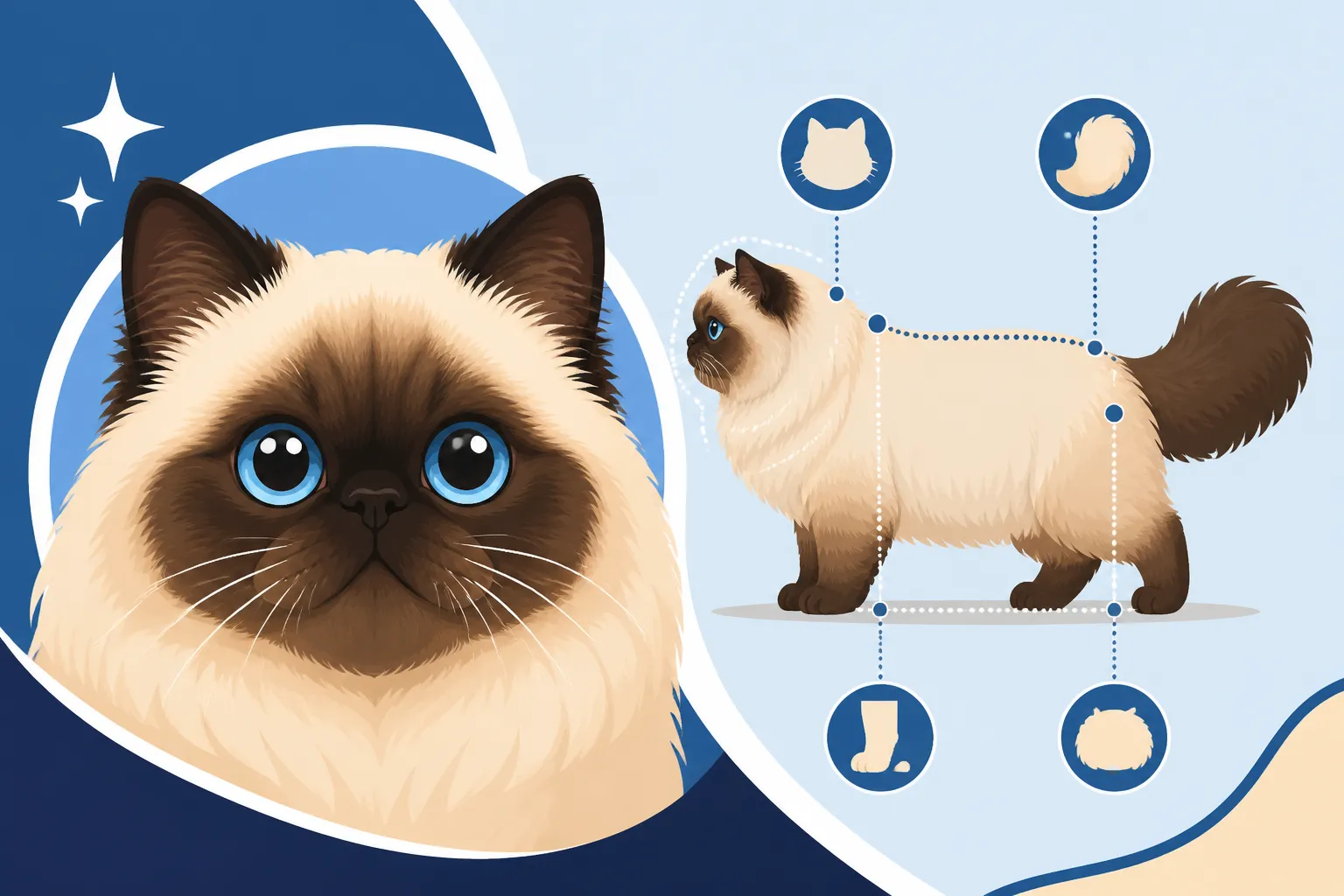
Perhaps the most defining characteristic of a Doll Face Himalayan is the presence of a clearly visible nose that projects slightly from the face. Unlike the Peke Face, where the nose leather is often recessed and almost level with the eyes, or even sits higher, a Doll Face will have a distinct, slightly extended nose. From a side profile, you should be able to see the tip of the nose leather extending beyond the plane of the eyes. This isn't a long nose by any means – it's still a relatively short-nosed breed compared to, say, a domestic shorthair – but it is present and functional.
This visible projection is critical because it directly impacts the cat's ability to breathe properly. With a more open nostril structure and less compression of the nasal passages, air can flow much more freely. In contrast, cats with severely flattened faces often struggle with stenotic nares, making every breath an effort. A well-placed, visible nose signifies a healthier airway, which translates to a happier, more active cat. This is often the first thing a vet will assess when looking at a Himalayan's breathing, and you can learn more about how a vet grades a Himalayan's nostrils in a dedicated guide.
Eye Placement and Shape
Himalayans are renowned for their captivating, deep blue eyes. In a Doll Face, these eyes are typically large, round, and set wide apart, giving them a sweet, open expression. Crucially, the Doll Face structure supports healthier eye function. The eyes should sit comfortably within the sockets, without excessive bulging or recession. The surrounding bone structure provides good protection, and the eyelids should sit snugly against the eyeball.
In contrast, Peke Face Himalayans often have very prominent, sometimes bulging, eyes due to the extreme flattening of the skull. This can expose the eyes to injury and make them more prone to conditions like entropion (where the eyelids roll inward, irritating the cornea) or excessive tearing that runs down the face. While all Himalayans can be prone to watery eyes because of their facial structure, a Doll Face's eyes are generally less problematic. The standard for the breed emphasizes these large, round, intensely blue eyes, and why a Himalayan's required blue eyes carry no penalty means these eyes are celebrated. A Doll Face typically exhibits what a Himalayan's blue eyes should look like, minimizing discomfort and constant need for cleaning.
The Gentle Slope of the Forehead and Nose Bridge
Another key feature of the Doll Face is the gentle slope or "break" where the forehead meets the nose. Instead of a sharp, abrupt indentation that characterizes the Peke Face, a Doll Face will show a smooth, gradual curve. This means the forehead gently recedes into the bridge of the nose, which then extends slightly outwards. It's a harmonious line that suggests better internal cranial and sinus development.
This gentle slope contributes significantly to the cat's respiratory health. A less compressed sinus cavity and a more open nasal passage reduce the likelihood of chronic sinus infections and breathing difficulties. It's about finding that sweet spot where the breed's distinctive appearance is maintained without compromising vital physiological functions. This moderation is what makes a Doll Face so appealing to those who prioritize health alongside beauty.
Specific Measurements That Define "Doll Face"
When you move beyond general descriptions, true understanding of a Doll Face profile comes down to specific, measurable characteristics. These aren't just arbitrary points; they reflect a balanced structure designed for health and comfort. Knowing these measurements can empower you to evaluate a kitten or adult cat accurately and understand what a reputable breeder aims for.
Measuring the Nose Leather Placement
One of the most telling indicators of a Doll Face profile is the placement of the nose leather. In a Doll Face Himalayan, the top of the nose leather should sit just below the lower eyelid margin. Imagine drawing a horizontal line across the bottom of your cat's eyes; the very top edge of their nose should align with or fall slightly beneath this line. This placement allows for a clear, open nostril structure and a more direct airway.
Conversely, in a Peke Face, the nose leather is often positioned above the lower eyelid, sometimes even reaching the level of the pupils. This high placement means the nose is severely recessed, leading to very compressed nasal passages and typically stenotic (narrowed) nostrils. This is a primary contributor to brachycephalic airway syndrome. When a breeder presents a kitten, observing this simple alignment can give you a clear indication of whether you're looking at a traditional Doll Face or a more extreme Peke Face.
The Length of the Muzzle
While Himalayans are not known for long muzzles like a Siamese, a Doll Face still possesses a discernible muzzle that extends slightly from the face. It's not entirely flat. You should be able to see a small amount of space between the nose and the chin, creating a modest but present muzzle. This length is crucial because it directly influences the spacing of their teeth and the health of their jaw.
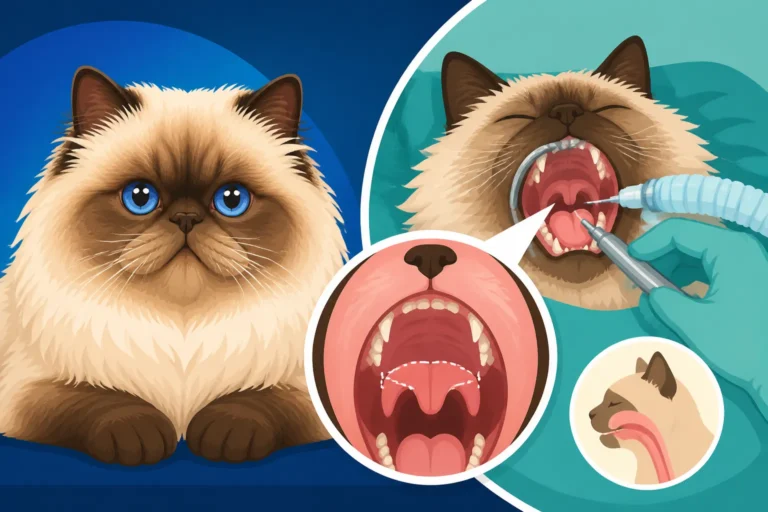
A slightly longer, albeit still short, muzzle in a Doll Face allows for better alignment of the teeth, reducing the severity of overcrowding that is rampant in extremely flat-faced cats. Severely shortened muzzles often result in malocclusions, where teeth don't meet properly, and significant crowding, leading to a higher incidence of dental disease and the need for earlier, more frequent dental care. We explore why a Himalayan needs dentals earlier than a Siamese in another post, and the Doll Face structure helps mitigate some of the extreme issues. A Doll Face will still have a compact jaw, but it's less extreme than the Peke Face, which often struggles with severely crowded teeth and even teeth resorption.
Depth of the "Stop"
The "stop" refers to the indentation or break in the skull where the forehead meets the bridge of the nose, right between the eyes. For a Doll Face Himalayan, this stop should be moderate and gentle, not a deep or abrupt indentation. Picture a smooth, gradual transition rather than a sharp, angular dip. It's present, but it doesn't create a "pushed-in" appearance.
This gentle stop is another indicator of a less extreme brachycephalic structure. A moderate stop corresponds to a skull that allows for better airflow and fewer internal compressions. In contrast, a Peke Face will have a very deep, abrupt stop, almost appearing as a concavity between the eyes. This extreme indentation is often associated with more severe respiratory issues, as it correlates with greater compression of the entire nasal cavity and an elongated soft palate. Responsible breeders understand the importance of this gentle curve for the cat's health, and it's a feature that good pet insurance, like Healthy Paws, would appreciate in terms of reducing potential claims for respiratory or eye issues later on.
Health Implications and Breeder Responsibilities
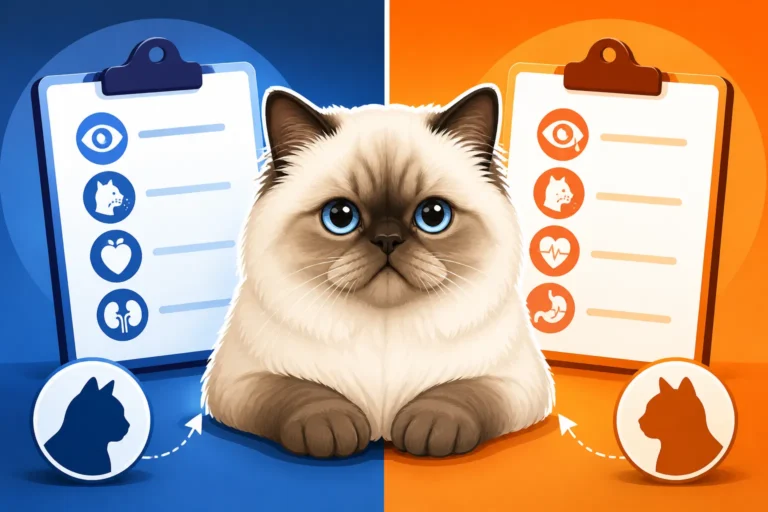
While the Doll Face profile is generally considered healthier than the extreme Peke Face, it's essential to understand that all Himalayans, by their very nature as a Persian variant, are still a brachycephalic breed. This means their shortened head shape can inherently carry certain predispositions, albeit often less severe in the Doll Face. Recognizing these potential issues and working with responsible breeders is paramount.
Brachycephalic Syndrome Considerations
Even a Doll Face Himalayan can exhibit mild signs of Brachycephalic Obstructive Airway Syndrome (BOAS). While they typically have more open nostrils and less severe soft palate elongation than their Peke Face counterparts, their nasal passages are still shorter than those of a non-brachycephalic cat. This can mean they might be more prone to snoring, snorting, and panting after vigorous play. They might also struggle more in heat, a common issue as why a Himalayan overheats twice as fast as a Siamese.
It's a spectrum, and within the "Doll Face" category, there can be variations. Some Doll Faces will have excellent, open airways, while others might still have subtly narrowed nostrils or a slightly longer soft palate that causes some degree of noise or effort during breathing. Owners need to be vigilant for any signs of respiratory distress, such as excessive panting, open-mouth breathing when not exercising heavily, or noisy breathing even at rest. Regular veterinary check-ups are vital to monitor these aspects.
Dental and Tear Duct Health
The more moderate muzzle length of a Doll Face Himalayan can significantly improve dental health compared to the Peke Face. With slightly more room in the jaw, teeth are less likely to be severely overcrowded, reducing the risk of plaque buildup, gum disease, and tooth resorption. However, "less severe" doesn't mean "problem-free." Himalayans still have a compact jaw, and many will experience some degree of dental crowding. Regular at-home dental care, along with professional veterinary cleanings, remains crucial. You can also look into how crowded a Himalayan's lower jaw gets to understand the nuances.
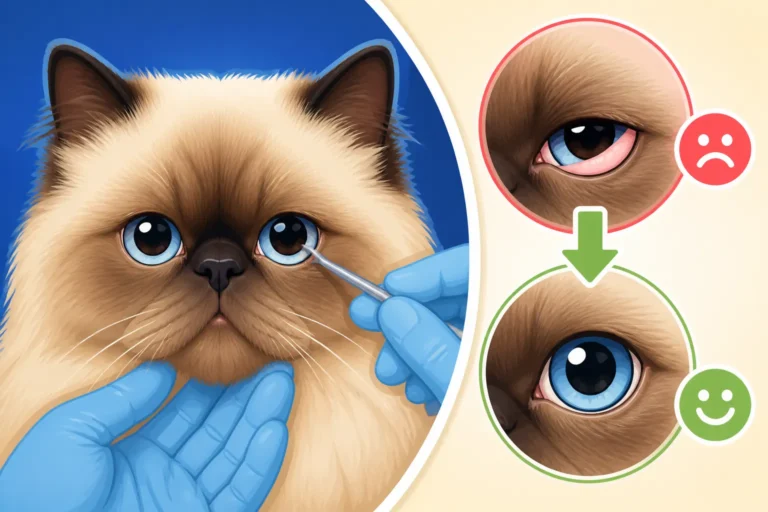
Similarly, the Doll Face structure tends to support better tear duct drainage. The tear ducts are less likely to be severely kinked or compressed, which can reduce the incidence of excessive tearing and tear staining. That said, all Himalayans can still have tear production that outstrips drainage, leading to those charming but often messy tear stains. Daily face wiping is a must to keep their fur clean and prevent skin irritation beneath the eyes, particularly for those with pale coats where why tear stains are worse on a cream bodied Himalayan is a daily reality.
What to Ask a Breeder
Choosing a reputable breeder is your first and most important step in ensuring you bring home a healthy Doll Face Himalayan. A good breeder will be transparent about the health considerations of their lines and dedicated to breeding cats with sound structure. Don't be shy about asking questions!
Specifically, ask to see photos of the parents' profiles and, if possible, observe the kittens' profiles in person. Inquire about any history of respiratory issues, dental problems, or eye conditions in their breeding cats. A responsible breeder will be able to articulate the measurements and characteristics of their cats' faces and discuss their efforts to produce healthy, well-structured animals. They should also provide health guarantees that cover inherited conditions. They will welcome discussions about long-term care, even mentioning that securing pet insurance from a reputable company like Healthy Paws is a wise investment for your kitten's future.
Living with a Doll Face Himalayan: Practical Care
Bringing a Doll Face Himalayan into your home means embracing their unique needs, particularly when it comes to grooming and feeding. While their more moderate facial structure can alleviate some of the extreme challenges associated with the Peke Face, they still require specific care routines to keep them healthy and comfortable.
Grooming the Doll Face
Despite having a less extreme face, a Doll Face Himalayan's eyes and nose area still demand daily attention. Their beautiful, round eyes can still water, and if those tears aren't regularly wiped away, they can lead to unsightly tear stains and even skin irritation. A soft, damp cloth or specialized pet wipes should be used every morning to gently clean the area around their eyes and the folds near their nose. Make sure to dry the area thoroughly to prevent dampness, which can harbor bacteria and lead to skin issues. Why a Himalayan's eyes water all day is a question many owners ponder, and consistent cleaning is the answer.
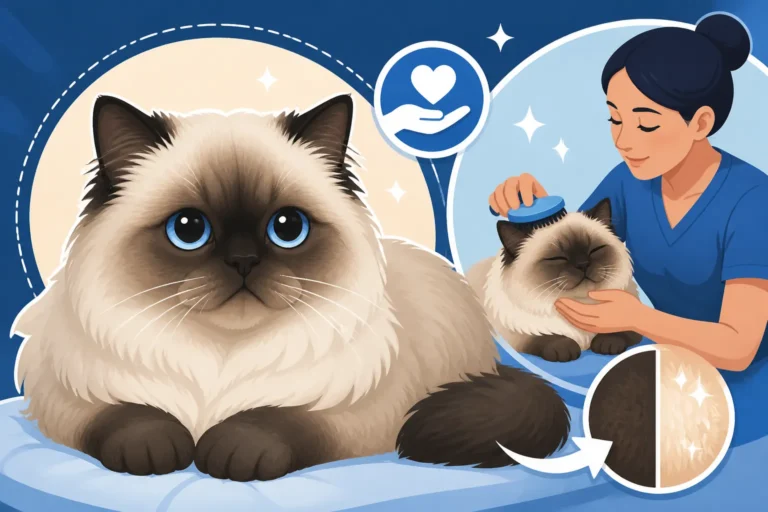
Their luxurious long coat is another major grooming commitment. Daily combing with a good quality steel comb is essential to prevent mats and tangles, especially around their ruff, armpits, and britches. Skipping even a day can result in difficult-to-remove mats that might require professional grooming or even sedation for removal. A careful owner understands that this daily ritual isn't just about appearance; it's about preventing painful skin conditions and ensuring their cat's comfort.
Feeding for Facial Structure
The short, broad muzzle of a Himalayan, even a Doll Face, means that traditional round or deep cat bowls can be problematic. They might struggle to reach food at the bottom of a deep bowl, or their sensitive whiskers might constantly brush against the sides, causing "whisker fatigue." This can lead to messy eating habits, with food ending up on the floor, or worse, reduced food intake.
The ideal feeding solution for a Doll Face Himalayan is a wide, shallow bowl, or even a raised flat dish. These designs allow them to access their food comfortably without bending their whiskers or pushing their faces too deep into the dish. Some cats might even find it easier to eat wet food from a raised platform or by scooping food with their paw. If you're observing your cat struggle, it might be time to investigate alternative feeding dishes, as discussed in detail in our guide on feeding a Himalayan that cannot reach into a deep bowl. Proper bowls can make a world of difference for their comfort and digestion.
Environmental Considerations
While a Doll Face Himalayan has a better airway than a Peke Face, they are still a brachycephalic breed and are more susceptible to overheating than cats with longer muzzles. Their dense, double coat, combined with a less efficient panting mechanism (due to the shortened airway), means they struggle to regulate their body temperature in warm environments.
Keeping your home comfortably cool, especially during warmer months, is vital. Providing cool resting spots, like tile floors or cooling mats, can make a big difference. Avoid strenuous play during the hottest parts of the day, and never, ever leave a Himalayan in a hot car, even for a few minutes. Their well-being depends on a controlled environment. Understanding how to cool a long coated Himalayan in summer can significantly improve their quality of life and prevent heatstroke. For unexpected emergencies, having a comprehensive pet insurance plan from a provider like Healthy Paws can be a real lifeline.
Doll Face vs. Peke Face Himalayan Profile Comparison
To help clarify the differences between these two common Himalayan facial types, here's a comparison of their key characteristics:
| Feature | Doll Face Himalayan | Peke Face Himalayan |
|---|---|---|
| Nose Placement | Top of nose leather sits slightly below or at the lower eyelid margin, clearly visible and projecting. | Top of nose leather is recessed, often level with or above the center of the eyes, almost invisible in profile. |
| Muzzle Length | Short but discernible muzzle, with some space between the nose and chin. | Extremely short, almost non-existent muzzle, creating a very flat, pushed-in appearance. |
| Stop Depth | Gentle, moderate indentation where forehead meets nose. | Very deep, abrupt indentation, creating a sharp angle or concavity. |
| Eye Prominence | Large, round, wide-set blue eyes that sit comfortably within sockets. | Often prominent, sometimes bulging eyes due to extreme flattening of the skull. |
| Nostrils | Generally more open and less prone to severe narrowing. | Often severely stenotic (narrowed), significantly impeding airflow. |
| Breathing | Typically breathes more freely, though may still snore or snort softly. | Prone to labored breathing, loud snoring, and higher risk of brachycephalic airway syndrome. |
| Dental Health | Less severe dental crowding, but still requires regular care. | High incidence of severe dental crowding, malocclusions, and early tooth loss. |
| Tear Ducts | Less prone to severe kinking, reducing excessive tearing. | More prone to blocked or kinked tear ducts, leading to significant tear staining. |
Disclaimer
The information provided in this guide is for general educational purposes only and should not be considered a substitute for professional veterinary advice. Always consult with a qualified veterinarian for any health concerns or before making any decisions related to your pet's care.