How Long a Himalayan Lives Once Its Kidneys Fail
Receiving the devastating news that your beloved Himalayan cat is facing kidney failure is truly heartbreaking and brings with it a flood of questions and anxieties. The primary concern for most dedicated pet parents is, naturally, "How much time do we have left?" This comprehensive guide is here to walk you through the realities of kidney failure in Himalayans, discuss the factors influencing their remaining lifespan, and explain the supportive care options available to help you make informed decisions during this incredibly difficult journey.
Understanding Kidney Disease in Himalayans
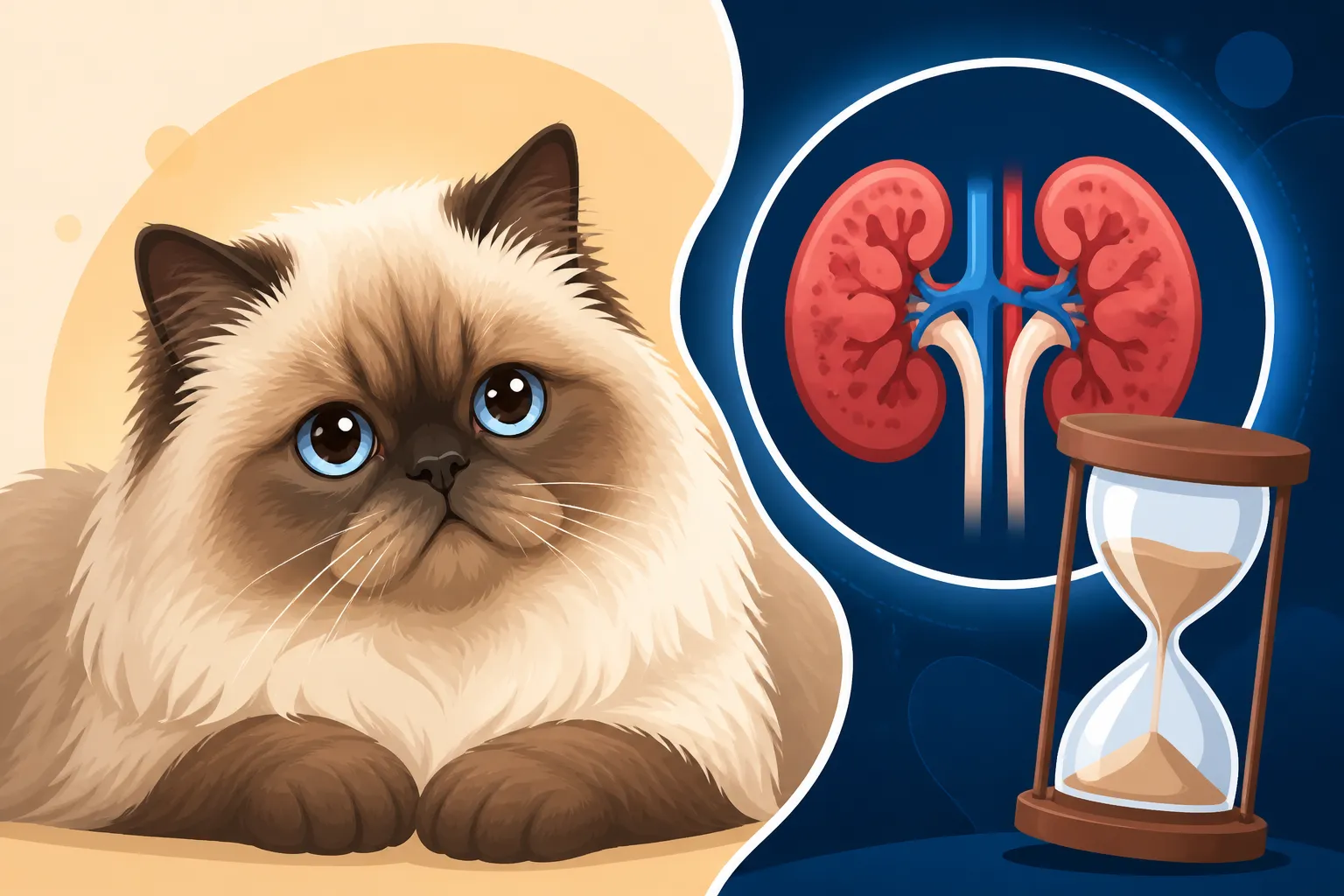
Kidney disease, specifically Polycystic Kidney Disease (PKD), is a concern for Himalayan cats, largely inherited from their Persian lineage. This condition causes fluid-filled cysts to form in the kidneys, progressively enlarging over time and ultimately impairing kidney function. It's a silent threat often advancing without obvious symptoms until a significant portion of kidney function is already lost. When these tiny, vital organs can no longer efficiently filter waste products from the blood, it leads to a build-up of toxins, which manifests as kidney failure. This isn't just about aging; sometimes, even younger cats can develop issues, though it often progresses with age. You might be interested in reading more about How Young a Himalayan Can Go Into Kidney Failure.
Initial diagnosis often comes after a vet notices signs like increased thirst and urination, changes in appetite, or lethargy during routine check-ups. Blood tests looking at creatinine and BUN (Blood Urea Nitrogen) levels, along with urine specific gravity, are key indicators. Early detection is crucial, as it allows for intervention to slow progression, though it won't cure the disease. The stage of kidney disease at diagnosis plays a significant role in determining how long a Himalayan lives once its kidneys fail. Early-stage kidney disease (CKD Stages 1-2) can be managed for years, while late-stage (CKD Stages 3-4) signifies more immediate concerns.
Factors Influencing Lifespan After Kidney Failure
It's impossible to give a precise number of days, weeks, or months once kidney failure is diagnosed, as every cat is unique, and many variables come into play. However, understanding these factors can help you gauge the prognosis for your own furry family member. The goal is always to maximize comfort and quality of life for as long as possible.
Severity of Kidney Damage and Underlying Cause
The extent of kidney damage at the time of diagnosis is paramount. If your Himalayan is diagnosed with early-stage chronic kidney disease (CKD), where there's still a good amount of functional kidney tissue left, the prognosis is much better. With diligent management, cats in these stages can live for several more years. However, if the diagnosis comes when your cat is already in advanced kidney failure (Stage 3 or 4), where waste products have significantly accumulated and clinical signs are severe, the remaining lifespan is typically shorter, often measured in months, or in very acute cases, even weeks. It's often a difficult realization that by the time you notice Why Extra Thirst in a Himalayan Points at Its Persian Half, the disease may already be quite advanced.
The underlying cause of kidney failure also matters. While PKD is common in Himalayans, other causes like infections, toxins, or acute kidney injury can sometimes be more treatable, potentially leading to a better recovery or slower progression if caught early. PKD, being progressive and genetic, means the damage accumulates over time, making long-term management critical. An annual vet check-up, especially for Himalayans over the age of five, should include checking kidney values. You can learn more about How a Himalayan's Kidney Numbers Are Tracked From Five.
Age, General Health, and Co-existing Conditions
A younger Himalayan diagnosed with early-stage kidney disease generally has a better outlook than an older cat with the same level of kidney damage. Younger cats often have more physiological reserves to cope with the stress of illness. However, age is just one piece of the puzzle. Your Himalayan's overall health, including its body condition, immune system strength, and the presence of any other health issues, significantly impacts its ability to fight kidney disease. For instance, a Himalayan with concurrent heart disease or diabetes will likely have a more complex and potentially shorter prognosis compared to a cat whose kidneys are the sole concern.
Co-existing conditions can complicate treatment plans. Some medications for other ailments might need adjustment to be kidney-safe, and the overall stress on the body can accelerate kidney decline. This is why a holistic approach to your Himalayan's health, considering all its systems, is so important. Regular monitoring of its general health, alongside kidney values, allows your vet to create the most effective, personalized care plan. Understanding How Kidney Failure Arrives in a Himalayan Past Twelve can prepare you for age-related changes.
Owner Commitment and Quality of Care
The dedication of the pet owner to adhere to the prescribed treatment plan is a monumental factor in extending a Himalayan's life with kidney disease. This isn't just about financial commitment, though that is certainly a reality many pet parents face; it's also about the time, patience, and emotional energy required for daily medications, dietary changes, and regular vet visits.
A consistent routine of kidney-friendly diets, fluid therapy (if recommended), medication to manage symptoms like nausea or high blood pressure, and close monitoring can make a profound difference. Skipping doses or being inconsistent with diet can quickly lead to a decline. The more consistent and proactive you are with the care plan, the better the chances of maintaining your Himalayan's quality of life and potentially extending its comfortable lifespan. This commitment is often supported by comprehensive pet insurance plans from providers like Healthy Paws, which can alleviate the financial strain of ongoing treatments, allowing you to focus on care.
Management and Supportive Care Strategies
While kidney disease isn't curable, it is highly manageable. The goal of supportive care is to slow the progression of the disease, manage symptoms, and maintain the best possible quality of life for your Himalayan. This often involves a multi-pronged approach tailored to your cat's specific needs and the stage of its disease.
Dietary Management
One of the cornerstones of kidney disease management is a specialized renal diet. These diets are carefully formulated to be lower in protein, phosphorus, and sodium, while being supplemented with B vitamins and omega-3 fatty acids. The reduced protein helps lessen the workload on the kidneys by producing fewer waste products. Lower phosphorus is critical because failing kidneys struggle to excrete it, and high phosphorus levels can worsen kidney disease and lead to other health issues. Sodium restriction helps manage blood pressure, which is often elevated in kidney patients.
Transitioning your Himalayan to a new diet can be challenging, as cats can be notoriously finicky eaters. Patience and gradual introduction are key. Mixing small amounts of the new food with their old food and slowly increasing the proportion over several days or weeks is often effective. If your cat refuses to eat the prescription diet, your vet may recommend appetite stimulants or other strategies. It’s imperative they eat something to prevent hepatic lipidosis. You can read more on Which Renal Diet a Cyst Positive Himalayan Ends Up On. Many pet insurance plans, like those offered by Healthy Paws, recognize the importance of these specialized diets and may offer coverage for veterinary-prescribed foods.
Fluid Therapy
Many Himalayans with kidney failure benefit significantly from subcutaneous fluid therapy, meaning fluids administered under the skin at home. Failing kidneys can't conserve water effectively, leading to chronic dehydration. This dehydration exacerbates the accumulation of toxins, making your cat feel worse. Administering fluids provides much-needed hydration, helps flush out toxins, and can dramatically improve your cat's energy levels and appetite.
Your vet will demonstrate how to give fluids and advise on the appropriate type and amount. While it might seem daunting at first, most pet owners quickly become proficient, and many cats tolerate it surprisingly well. It's a powerful tool in managing symptoms and can genuinely extend a comfortable life. Deciding Whether Home Fluids Extend a Himalayan's Life is a conversation to have with your vet, but for many, it's a game-changer. Consistency here is vital; regular fluid administration can help keep your cat feeling much better for longer.
Medications and Symptom Management
Beyond diet and fluids, various medications are used to manage the specific symptoms of kidney failure. These can include:
- Phosphate binders: Given with meals to prevent the absorption of dietary phosphorus.
- Anti-nausea medications: To combat the nausea and vomiting that often accompany toxin build-up, encouraging appetite.
- Appetite stimulants: To help boost a flagging appetite.
- Blood pressure medications: Many cats with CKD develop high blood pressure, which can further damage the kidneys, eyes, and heart. Medications like amlodipine are often prescribed.
- Potassium supplements: Some cats may lose too much potassium through increased urination.
- Anemia management: If anemia develops, your vet might discuss options like darbepoetin.
Each medication targets a specific issue, and your vet will tailor a regimen based on your cat's individual symptoms and blood work. It's important to administer all medications as prescribed, even if your cat seems to be feeling better. Remember that Himalayans are known for Why a Himalayan Hides Illness Behind an Expressionless Face, so staying vigilant for subtle changes is key. Proactive management of these symptoms can significantly improve your Himalayan's quality of life, allowing them to enjoy their remaining time with greater comfort. For questions about medication costs, a provider like Healthy Paws can be a valuable resource.
Prognosis and Quality of Life Considerations
When dealing with a progressive disease like kidney failure, the conversation inevitably turns to prognosis and, perhaps most importantly, quality of life. While we wish our beloved companions could live forever, our role as pet parents is to ensure their comfort and dignity, especially in their final chapters.
General Lifespan Expectations
For Himalayans diagnosed with early-stage (Stage 1 or 2) chronic kidney disease, with proper management, they can often live for several years (e.g., 2-4+ years) relatively comfortably. The progression is slow, and interventions focus on delaying decline.
However, once a Himalayan is diagnosed with advanced kidney failure (Stage 3 or 4), where blood tests show significant kidney function loss and clinical signs are pronounced, the prognosis shifts considerably. In these advanced stages, the remaining lifespan is typically measured in months. Some cats might do well for 6-12 months with intensive care, while others might only have a few weeks or a couple of months, particularly if they are very old or have other severe health issues. It's a hard truth, but an important one to face when making decisions.
Here's a simplified overview:
| Stage of CKD | Typical Lifespan Post-Diagnosis (with supportive care) | Key Management Focus |
|---|---|---|
| Stage 1 | Potentially several years (3-5+) | Monitoring, early dietary tweaks |
| Stage 2 | 2-4 years | Renal diet, hydration, symptom management |
| Stage 3 | 6-18 months | Intensive renal diet, fluid therapy, medications |
| Stage 4 | Weeks to a few months | Aggressive symptom control, maximizing comfort |
This table provides general guidelines; individual results can vary greatly based on all the factors discussed earlier.
Monitoring Quality of Life
Beyond just extending life, our ultimate goal is to preserve a good quality of life. This means regular, honest assessments of your Himalayan's comfort, happiness, and ability to engage in activities they once enjoyed. Key indicators of good quality of life include:
- Appetite: Is your cat eating enough? Enjoying meals?
- Hydration: Are they adequately hydrated, either naturally or with fluids?
- Energy Levels: Do they still have periods of alertness, curiosity, or gentle play?
- Comfort: Are they pain-free? Free from severe nausea or vomiting?
- Grooming: Are they still able to groom themselves, or do they allow you to help? (Though remember, Why a Heavy Himalayan Stops Grooming Its Points can be due to weight, not just illness.)
- Interaction: Do they still seek out your companionship or show affection?
Keeping a daily journal of these observations can be incredibly helpful for both you and your vet in tracking trends and making informed decisions about ongoing care. There will come a time when, despite all efforts, the bad days start to outweigh the good. This is when incredibly difficult but necessary conversations about palliative care and euthanasia need to happen. It's a loving, final act of compassion to prevent prolonged suffering. Having discussed these possibilities with your vet, you can consider how best to manage your pet's final weeks, whether that involves maximizing comfort at home or considering hospice care. Remember that a good pet insurance plan from a company like Healthy Paws can help cover the costs of these crucial end-of-life care decisions.
Navigating the Emotional Journey
Living with a Himalayan cat diagnosed with kidney failure is an emotional rollercoaster. You'll likely experience grief, frustration, hope, and despair at different times. It's okay to feel all of these emotions. Your cat relies on you for comfort and care, and you are doing your absolute best for them.
Lean on your veterinary team for support and guidance. They can help you understand the disease, manage expectations, and interpret your cat's signals. Many clinics also have resources for grief support. Take comfort in the knowledge that you are providing love and care during a challenging time, making every day count for your precious Himalayan.
Disclaimer
The information provided in this article is for general educational purposes only and should not be considered a substitute for professional veterinary advice. Always consult with a qualified veterinarian for any health concerns or before making any decisions about your pet's medical care.