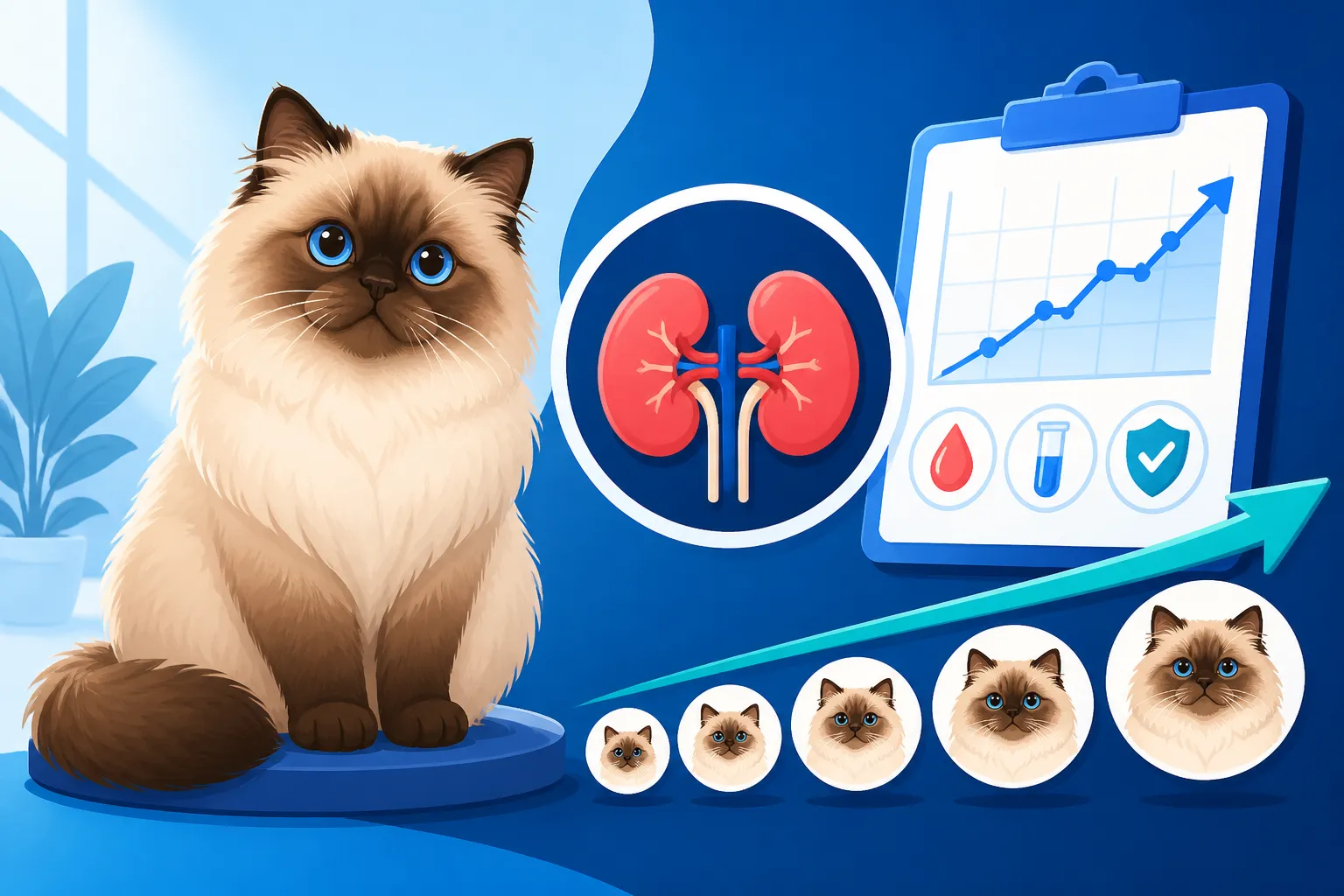
How a Himalayan’s Kidney Numbers Are Tracked From Five
It's a moment many Himalayan cat parents dread – that seemingly subtle shift in energy, a slight increase in thirst, or just a vague sense that something isn't quite right as our beloved companions cross the threshold into middle age. Tracking a Himalayan's kidney health from around five years old isn't just a recommendation; it's a proactive measure that can make a profound difference in their longevity and quality of life. This guide is here to walk you through why early monitoring is critical, what to look for, and how to work with your vet to keep those beautiful Himmy kidneys purring along as long as possible.
The Unique Kidney Vulnerability in Himalayans
You’ve welcomed a Himalayan into your home, drawn by their stunning looks and sweet temperament. But part of loving these magnificent felines means understanding the genetic hand they were dealt, especially when it comes to kidney health. It’s a reality many of us face, and it can feel overwhelming when you first learn about it.
The Persian Legacy: PKD1 and Genetic Predisposition
Let's be real: our Himalayans are essentially Persians in colorpoint coats. This means they carry much of the same genetic baggage, and unfortunately, Polycystic Kidney Disease (PKD) is high on that list. This isn't something breeders did wrong; it's a historical genetic trait that snuck into the breed long before modern genetic testing was available. When we talk about PKD, we're talking about a condition where fluid-filled sacs, or cysts, gradually form and grow within the kidneys, slowly but surely displacing healthy kidney tissue. It's an inherited condition, usually dominant, meaning a cat only needs one copy of the faulty gene to develop the disease.
The frustrating part about PKD is its insidious nature. It doesn't usually announce itself with flashing lights or immediate, dramatic symptoms. Instead, these cysts start small, often present from birth, and enlarge over years. Your seemingly healthy, playful five-year-old cat could have kidneys silently losing function. This is why understanding that PKD1 Came Down the Persian Side of a Himalayan is so crucial; it primes us to be vigilant. Knowing your cat's lineage and whether their parents were screened for PKD is the first step, but even if they were, ongoing monitoring is still paramount, as other kidney issues can also arise.
Why Age Five Becomes a Critical Benchmark
For many Himalayans, the mid-life mark around age five is when those subtle, yet significant, changes in kidney function might start to become detectable. The cysts associated with PKD can continue to grow, gradually diminishing the kidney's ability to filter waste effectively. While a young cat might compensate remarkably well, by five, the accumulated damage can push them closer to a stage where their kidneys can no longer keep up. This isn't a hard and fast rule – some cats show signs earlier, others later – but it's a common age for vets to recommend more focused attention on kidney values.
It's heartbreaking to think about, but the kidneys are incredibly resilient. They have a huge reserve capacity, meaning a cat can lose a significant portion of kidney function (sometimes up to 75%!) before you see any outward signs like increased thirst, weight loss, or changes in appetite. This compensatory mechanism, while a marvel of biology, also makes early detection challenging for owners relying solely on visible symptoms. An ultrasound can often reveal these changes long before blood work does, showing How Early Cysts Show on a Himalayan's Kidney Scan. This makes age five a perfect time to establish a baseline of kidney health, allowing your vet to track even minor deviations as your Himmy ages.
Key Diagnostic Tools for Tracking Kidney Health
Proactive care for your Himalayan's kidneys isn't about guessing; it's about getting the right information. Thankfully, modern veterinary medicine offers several excellent tools to help us stay on top of their kidney health, moving beyond just waiting for symptoms to appear.
Regular Veterinary Check-ups and Blood Work
You know those annual vet visits? They're more than just vaccinations and a quick pat on the head; they are absolutely vital, especially for a breed like the Himalayan. From age five onwards, routine blood work becomes your best friend in tracking kidney function. Your vet will typically look at several key markers:
- Blood Urea Nitrogen (BUN): This is a waste product from protein metabolism. Elevated BUN can indicate reduced kidney function, but it can also be affected by dehydration or diet, so it's not a standalone indicator.
- Creatinine: Another waste product from muscle metabolism, creatinine is usually a more reliable indicator of kidney function. As kidneys fail, creatinine levels in the blood rise.
- Symmetric Dimethylarginine (SDMA): This is the superstar of early kidney detection! SDMA levels rise earlier than BUN and creatinine, sometimes indicating kidney disease when only 25% of kidney function has been lost. This means your vet can catch issues much sooner, potentially giving you more time to intervene.
Knowing Which Blood Values a Himalayan's Kidney History Demands means you're empowered to ask the right questions and ensure your vet is running the most comprehensive panel possible. Don't hesitate to discuss these specific tests with your veterinarian, especially the SDMA, to ensure it’s included in your cat's annual senior panel.
The Role of Urinalysis and Specific Gravity
Blood tests give us one piece of the puzzle, but urine tests are equally important, often revealing different aspects of kidney function that blood work alone might miss. A full urinalysis involves examining several properties of your cat's urine:
- Urine Specific Gravity (USG): This measures how concentrated your cat's urine is. Healthy kidneys produce concentrated urine, so a low USG (dilute urine) can be an early sign that the kidneys are losing their ability to concentrate waste, even if BUN and creatinine are still within normal ranges. It’s a critical early warning sign.
- Protein-to-Creatinine Ratio (UPC): High levels of protein in the urine can indicate damage to the kidney's filtering units, known as glomeruli. This ratio helps your vet assess the severity of protein loss and kidney damage.
- Presence of glucose, ketones, blood, or crystals: These findings can point to other health issues, including diabetes, urinary tract infections, or bladder stones, which can also impact kidney health or mimic kidney disease symptoms.
Collecting a fresh urine sample can be a bit of an art form, especially with a fastidious Himalayan. Sometimes, your vet might need to perform a cystocentesis, which is a sterile collection directly from the bladder, to get the purest sample for analysis. Discussing the collection method with your vet ensures the most accurate results for your beloved Himmy.
Ultrasound: Visualizing Kidney Changes
While blood and urine tests are fantastic for measuring function, an ultrasound allows your vet to actually see the kidneys. This non-invasive imaging technique is invaluable, particularly for diagnosing and tracking PKD. During an ultrasound, your vet can:
- Identify cysts: The ultrasound waves bounce off the fluid-filled sacs, making them visible. Even tiny cysts, too small to impact blood work yet, can be detected.
- Assess kidney size and shape: Diseased kidneys might be enlarged, shrunken, or have an irregular shape.
- Evaluate internal architecture: The internal structure, or parenchyma, of the kidney can reveal other types of damage or disease not necessarily related to PKD.
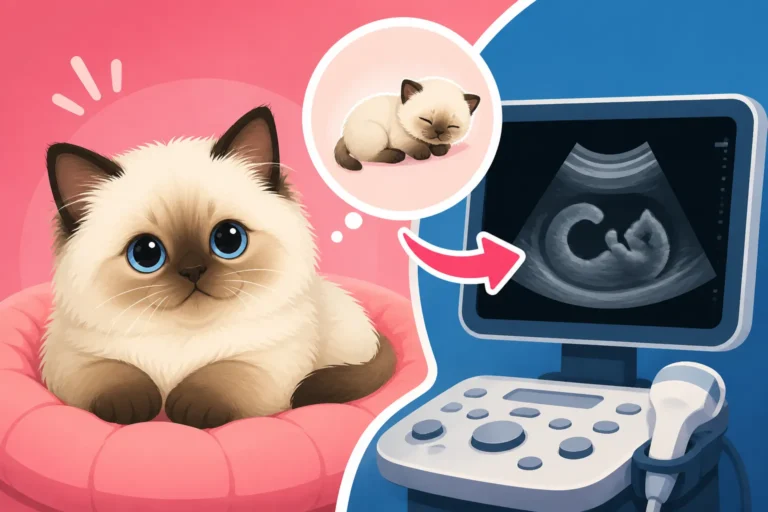
For a Himalayan, an ultrasound isn't just a diagnostic tool; it's a monitoring tool. It allows your vet to track How Kidney Cysts Grow on a Himalayan's Scan over time, giving a visual progression of the disease. This is particularly helpful in managing expectations and making informed decisions about care. If your Himalayan has a known PKD history in their lines, or if early blood or urine tests raise a red flag, an ultrasound can provide definitive answers and a baseline for future comparisons.
| Kidney Marker | What It Measures | Significance for Himalayans (from age 5) | Early Warning? |
|---|---|---|---|
| BUN | Blood Urea Nitrogen (protein waste) | Can be elevated with kidney issues, but also dehydration/diet. Less specific. | Moderate |
| Creatinine | Waste product from muscle metabolism | More specific to kidney function; rises as function declines. | Moderate |
| SDMA | Symmetric Dimethylarginine (amino acid byproduct) | Highly sensitive. Rises with as little as 25% kidney function loss. Crucial for early detection. | High |
| Urine Specific Gravity | Urine concentration ability | Low (dilute) specific gravity indicates kidneys losing concentrating ability. | High |
| Protein/Creatinine Ratio (UPC) | Protein leakage in urine | Elevated levels point to kidney damage and protein loss. | High |
Understanding and Interpreting Kidney Test Results
Getting test results back can be a nerve-wracking experience, especially when it comes to something as vital as kidney health. It's not just about seeing numbers; it's about understanding what those numbers mean for your specific Himalayan, considering their age, breed, and individual history.
Decoding Blood Values: What the Numbers Tell You
When your vet goes over the blood work, they’ll explain the standard reference ranges. It's easy to breathe a sigh of relief if all the numbers fall "within normal," but for a proactive approach to kidney health, especially from age five, we need to dig a little deeper.
For instance, while a creatinine level might technically be within the "normal" range, if it's consistently creeping up over a few years – say, from 0.8 to 1.3 – that's a trend worth noting, even if 1.3 is still considered acceptable. This subtle upward trajectory can indicate a slow decline in function. SDMA is particularly powerful here because it flags issues much earlier. If your Himalayan's SDMA starts to climb, even marginally, it's a clear signal to investigate further, perhaps with an ultrasound or by increasing hydration, long before BUN and creatinine show significant changes.
It's important to remember that a single blood test is just a snapshot. Factors like dehydration on the day of the test or even what your cat ate can slightly influence results. This is why repeated testing and looking at trends are so much more valuable than one isolated reading. Catching these early shifts can literally add years to your cat's life by allowing for timely interventions. Understanding these nuances can prevent you from facing the heartbreaking reality of How Young a Himalayan Can Go Into Kidney Failure due to unchecked progression.
Monitoring Trends Over Time, Not Just Single Readings
This is perhaps the most critical aspect of managing kidney health in Himalayans: establishing a consistent record. Imagine if your vet only looked at a single snapshot of your cat's health each year. They'd miss the story unfolding over time. That slight increase in creatinine or SDMA that's "within normal" might be dismissed if viewed in isolation, but if you look at a chart over three or four years, a clear upward trend becomes obvious.
This is why sticking with the same veterinary clinic, or at least ensuring all records are shared consistently, is incredibly beneficial. They can create a baseline of what's "normal" for your cat. A stable SDMA of 12 for years that suddenly jumps to 18, even if still technically in an acceptable range for some labs, is a warning sign that demands attention. These subtle shifts are where you and your vet can make the biggest impact. Don't be shy about asking for copies of your cat's lab results each year, so you can track them yourself too. Knowledge is power, and when it comes to your Himmy's health, having that historical data is invaluable. Knowing How Often a Tested Himalayan Still Needs Checking emphasizes this ongoing commitment.
Proactive Steps Based on Early Indicators
So, what happens if your vet spots those early indicators – a slightly elevated SDMA, diluted urine specific gravity, or a slow upward creep in creatinine? This isn't a death sentence; it's an opportunity. Early intervention can significantly slow the progression of kidney disease and improve your Himalayan’s quality of life.
The first and often most impactful step is dietary modification. Special renal diets, available by prescription, are formulated with lower, high-quality protein, controlled phosphorus, and often higher omega-3 fatty acids. These diets are designed to reduce the workload on the kidneys and minimize the buildup of waste products. Another key intervention is increasing hydration. This could involve switching to wet food, adding water to their meals, using multiple water bowls around the house, or even a pet water fountain to encourage more drinking. Sometimes, your vet might recommend specific supplements or medications to manage blood pressure or phosphorus levels, if those are becoming concerns.
These proactive steps can really make a difference. It’s also wise to consider pet insurance from providers like Healthy Paws, particularly for breeds with known predispositions like Himalayans. While pre-existing conditions won't be covered, having a policy in place before any kidney issues become overtly clinical can help with the ongoing costs of prescription diets, specialized diagnostics, and potential long-term medications, giving you peace of mind and allowing you to focus on your cat's care without added financial stress.
Lifestyle Adjustments and Supportive Care for Kidney Health
Once kidney changes are identified, even subtle ones, managing your Himalayan’s daily life becomes a partnership between you, your vet, and your cat. It's about providing supportive care that minimizes stress on their kidneys and keeps them comfortable and happy.
Dietary Management and Hydration Strategies
Diet is one of the most powerful tools in managing kidney disease. If your vet diagnoses early kidney issues, a prescription renal diet will almost certainly be recommended. These diets, like those from Royal Canin, Hill's Prescription Diet, or Purina Pro Plan Veterinary Diets, are specifically formulated to support kidney function. They typically have:
- Reduced, High-Quality Protein: Less protein means less waste for the kidneys to filter. The protein that is included is highly digestible to meet their nutritional needs without excess.
- Controlled Phosphorus: High phosphorus levels can worsen kidney disease. Renal diets carefully manage this.
- Increased Omega-3 Fatty Acids: These have anti-inflammatory properties that can benefit kidney health.
- Increased B Vitamins: Cats with kidney disease often lose B vitamins in their urine.
Transitioning to a new diet can be tricky, especially for a picky Himmy. Go slow, mixing a small amount of the new food with the old, gradually increasing the proportion over several weeks. Patience is key! And when it comes to hydration, wet food is a game-changer. It naturally provides more moisture than kibble, which is critical for flushing waste and preventing dehydration. Additionally, consider offering filtered water, using wide, shallow bowls to accommodate their flat faces, and placing multiple water sources around the house. Water fountains can be particularly enticing for some cats, as the movement often encourages them to drink more. Knowing Which Renal Diet a Cyst Positive Himalayan Ends Up On will be a crucial conversation with your vet.
Regular Monitoring at Home
Your role in monitoring your Himalayan’s kidney health is just as important as the vet visits. You're with them every day and are often the first to notice subtle changes. Keep an eye on:
- Water Intake: Is your cat drinking more than usual? Increased thirst (polydipsia) is a classic sign of kidney issues, as their kidneys struggle to concentrate urine. Why Extra Thirst in a Himalayan Points at Its Persian Half is directly related to their genetic predisposition.
- Urination Frequency/Volume: Are they visiting the litter box more often? Are the urine clumps larger or smaller than usual? Changes in urination can indicate problems.
- Appetite and Weight: Any decrease in appetite or unexplained weight loss should be noted. Kidney disease can cause nausea, leading to reduced food intake.
- Energy Levels and Behavior: A general lethargy or reduced interest in play can be subtle signs of feeling unwell.
- Coat Condition: A dull, unkempt coat can sometimes accompany chronic illness.
Keeping a simple log of these observations can be incredibly helpful for your vet. Don’t dismiss small changes; they often add up to a significant picture over time.
The Importance of a Good Relationship with Your Vet
Living with a Himalayan who has kidney concerns means you're embarking on a journey that requires open communication and trust with your veterinary team. They are your most valuable resource, providing guidance, interpreting results, and adjusting treatment plans as needed.
Don’t be afraid to ask questions, no matter how small they seem. Understand the prognosis, discuss all available treatment options, and create a long-term management plan that feels right for you and your cat. This relationship is also where the emotional support comes in. Managing a chronic illness in a beloved pet can be challenging, and having a compassionate vet who understands your concerns makes all the difference. For some pet parents, investing in pet insurance, like a comprehensive plan from Healthy Paws, can alleviate the stress of frequent vet visits, specialized tests, and ongoing medication costs, allowing you to focus purely on your Himalayan's well-being without financial anxieties clouding your decisions. They truly are an integral part of your Himalayan's extended care team.
Disclaimer
The information provided in this article is for general educational purposes only and is not intended to be a substitute for professional veterinary advice, diagnosis, or treatment. Always seek the advice of your veterinarian or other qualified animal health provider with any questions you may have regarding a medical condition or the health and welfare of your pet.