How Soon a Himalayan Starts Panting During Play
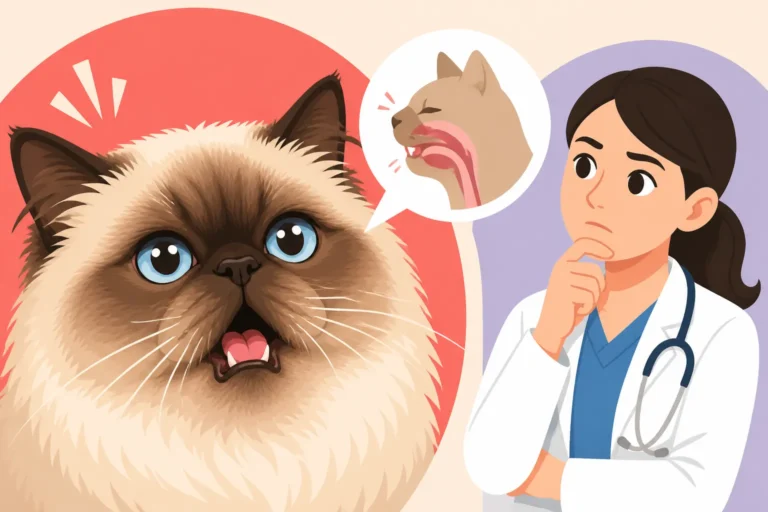
You’ve just settled in for a nice play session with your gorgeous Himalayan, waving a favorite wand toy, and within just a few minutes, you notice them panting. It’s a common sight for Himalayan parents, and it can certainly be alarming to see your beloved furball huffing and puffing so quickly. This deep dive will explore why Himalayans start panting during play much sooner than other breeds, what signs are normal, and when it’s time to call the vet.
Understanding the Himalayan's Unique Airway Challenges
The truth is, our beautiful Himalayans, with their stunning long coats and captivating blue eyes, come with a built-in challenge: their unique facial structure. It’s what gives them that adorable, flat-faced look, but it also means their airways aren't as straightforward as those of a longer-nosed cat. This anatomical reality is the primary reason why they might start panting sooner than you'd expect.
The Brachycephalic Reality
"Brachycephalic" is a fancy word veterinarians use to describe breeds with shortened heads, noses, and airways. Think pugs, bulldogs, and, of course, our beloved Himalayans. This genetic trait, primarily inherited from their Persian lineage, means their skull bones are shorter, compressing the entire respiratory system. For a Himalayan, this often translates to several specific issues:
First, their nostrils can be narrowed, sometimes severely, making it harder to pull in enough air with each breath. Imagine trying to breathe deeply through a pinched nose – that's what some of our Himmies experience. Second, the soft palate at the back of their mouth can be elongated. This extra tissue can hang down into the throat, partially blocking the entrance to the windpipe, especially when they're excited or trying to breathe hard during play. Thirdly, their trachea (windpipe) might be narrower than average, further restricting airflow. All these factors combined mean that even mild exertion requires more effort from a Himalayan's respiratory system, leading to panting as their body tries to compensate and cool down. This is also why a Himalayan snores louder than its Siamese ancestors.
Persian Legacy, Siamese Activity
Himalayans are a glorious blend of the calm, dignified Persian and the more active, vocal Siamese. While they inherited the Persian's signature luxurious coat and cobby body type, they also retained a significant portion of the Siamese's playful spirit and curiosity. This combination creates a bit of a physiological paradox. You have a cat that might have the energy and desire to chase a toy or engage in a vigorous play session, but their Persian-inherited brachycephalic structure simply isn't designed for sustained, high-intensity activity.
A Siamese can run laps around the house for ages without breaking a sweat, thanks to its streamlined body and open airways. A Himalayan, however, will likely find its play cut short because its body rapidly signals it needs to slow down and cool off. They want to play, they genuinely do, and you'll see them stalking and pouncing with enthusiasm, but their physical limits kick in much faster. It's not a lack of desire; it's a limitation of their build. This unique blend of energy and physical constraint means we, as their human companions, need to be extra mindful of their cues and manage their playtime expectations.
Heat Sensitivity and the Thick Coat
Beyond their brachycephalic airway, Himalayans are also blessed (or, in warmer climates, burdened) with a dense, long, double coat, a direct inheritance from their Persian side. While absolutely stunning, this thick fur acts like a built-in sweater, trapping heat close to their body. Cats don't sweat like humans; they primarily cool themselves through panting and radiating heat from their paw pads. When a Himalayan starts to exert itself during play, its body temperature rises rapidly. The combination of an already compromised airway and an insulating coat means they struggle immensely to dissipate this excess heat.
This is why a Himalayan overheats twice as fast as a Siamese. A few minutes of chasing a laser pointer might be enough to push them into panting, not just because they're out of breath, but because they're quickly getting too warm. Their body instinctively tries to draw in more air to increase evaporation from their mouth and respiratory tract, which is the panting mechanism. This sensitivity to heat means that even on a moderately warm day, or if your home is a bit on the toasty side, your Himalayan will start panting much sooner than a short-haired or less heavily coated breed. You'll often find them seeking out the coolest spots in the house – tile floors, under furniture, or even trying to lie in front of an air vent – even when they're not playing, simply to manage their body temperature.
What "Soon" Really Means: Normal vs. Concerning Panting
So, we know Himalayans pant sooner, but what's the line between "normal for a Himmy" and "uh oh, something's wrong"? It's a question many owners grapple with, and understanding the subtle differences is key to keeping your furry friend healthy and happy.
The Baseline for Himalayan Play
For a Himalayan, "soon" usually means within 5-10 minutes of active play, sometimes even less if the play is particularly vigorous or the ambient temperature is higher. This might seem incredibly short compared to other cats, who could chase toys for half an hour without showing any signs of heavy breathing. But for a Himalayan, this quick onset of panting is their body's way of saying, "Okay, I'm working hard, and I need to cool down."
Normal panting in a Himalayan usually looks like relatively shallow, rapid breaths, with their mouth slightly open and their tongue just barely visible. It should subside fairly quickly once they stop playing and settle down, typically within a few minutes. Their breathing should become calm and quiet again, and they shouldn't appear distressed or anxious. If your cat stops playing, walks away to a cool spot, and within 2-3 minutes is breathing normally again, that's generally within the expected range for their breed. Think of it as their natural "cool-down" mechanism kicking in early due to their physical limitations. It's a signal to you, the owner, that the play session should probably wrap up or shift to a more sedate activity. Remember, when a Himalayan starts panting during play, it's not a sign of poor fitness in the way it might be for a human; it's a physiological response to their unique construction.
Red Flags: When Panting Becomes a Worry
While some panting is normal, there are definite red flags that indicate a problem far beyond typical exertion. These are the signs that warrant immediate attention from your veterinarian.
Here's a breakdown of concerning panting symptoms:
| Symptom | Normal Panting (Himalayan) | Concerning Panting (Seek Vet Care) |
|---|---|---|
| Onset | Within 5-10 minutes of vigorous play, or sooner in warm conditions. | Starts almost immediately with minimal exertion, or even at rest. |
| Duration | Subsides within 2-3 minutes of stopping play. | Persists for more than 5 minutes after stopping activity, or continues at rest. |
| Sound | Rapid, shallow breaths; may have a slight wheeze or snort. | Loud, raspy, labored breathing; severe wheezing, gasping, choking sounds. You might hear sounds that indicate a Himalayan's open mouth breathing needs a vet. |
| Effort | Mouth slightly open, tongue barely visible. | Wide open mouth, head and neck stretched out, nostrils flared, abdominal effort to breathe. |
| Gum/Tongue Color | Normal pink. | Pale, blue, or grayish tint (cyanosis) – Emergency! |
| Behavior | Moves to a cool spot, settles down calmly. | Appears distressed, anxious, restless, unwilling to lie down, collapsing or stumbling. |
| Other Signs | None. | Excessive drooling, vomiting, coughing, foaming at the mouth, disorientation, loss of consciousness. |
If you observe any of the "Concerning Panting" signs, especially blue gums, your cat needs to see a vet immediately. These can indicate a severe respiratory crisis or heatstroke, which are life-threatening emergencies for brachycephalic cats. Don't wait to see if it improves; every minute counts.
Environmental Factors That Accelerate Panting
It's not just about how much your Himalayan plays; the environment they're playing in makes a huge difference to how quickly they start panting and how distressed they become.
Temperature and Humidity: This is perhaps the most critical factor. Himalayans struggle in warm, humid conditions. Even a slight increase in ambient temperature, say from 70°F (21°C) to 75°F (24°C), can dramatically reduce their tolerance for activity. High humidity is even worse because it makes it harder for them to cool down through evaporative cooling (panting). The air is already saturated with moisture, so their panting becomes less effective at shedding heat. On a hot, sticky day, your Himalayan might start panting just from walking across the room, let alone playing. This is why the temperature a Himalayan starts to struggle at is often lower than you'd think for other cats.
Activity Intensity and Duration: While this seems obvious, it's worth reiterating. Short, low-intensity play sessions are far better than long, vigorous ones. Chasing a laser pointer or a feather wand for a minute or two, followed by a break, is ideal. Continuous running or jumping will quickly push them into panting territory. Avoid games that require sustained bursts of energy.
Stress and Excitement: Even without physical exertion, high levels of stress or excitement can increase a Himalayan's breathing rate and core body temperature. A trip to the vet, the arrival of new guests, or even just anticipation of a meal can sometimes lead to mild panting. While not as dangerous as exertion-induced panting, it highlights their general sensitivity to factors that elevate their heart rate and body temp.
Managing these environmental factors is crucial to ensuring your Himalayan can enjoy their playful moments without risking their health.
Managing Playtime and Preventing Overheating
Since we know our Himalayans are prone to panting quickly and overheating, the responsibility falls on us to manage their environment and playtime strategically. It's all about proactive care to ensure they can still enjoy being cats without putting themselves at risk.
Strategies for Safe Play Sessions
The key to keeping your Himalayan happy and healthy during playtime is to understand and respect their physical limits. Forget the idea of long, intense play sessions; for a Himmy, it's all about quality over quantity, and gentle fun.
Firstly, keep play sessions short and frequent. Instead of one 15-minute session, aim for three 5-minute sessions spread throughout the day. This allows them to engage their hunting instincts without pushing their respiratory system too hard. Watch for the first signs of panting – a slightly open mouth, shallow breaths – and that's your cue to end the active play. Let them cool down completely before offering another round.
Secondly, prioritize low-intensity activities. Think puzzle feeders that engage their minds rather than their bodies, or a feather wand toy that they can stalk and pounce on a few times before resting. A laser pointer can be great, but ensure you always end with a tangible toy they can "catch" to prevent frustration, and again, keep the chasing short. Avoid games that involve sustained running, jumping to high places, or frantic, continuous movement. Many Himalayans prefer to watch a toy rather than chase it too much.
Thirdly, incorporate rest breaks. Even within a short session, encourage pauses. Let them catch their breath, maybe offer a gentle stroke, and then resume if they seem ready. If they walk away from the toy, respect that; they know their limits best. For a Himalayan, play is often about the interaction and the thrill of the chase, not necessarily the aerobic workout. The Himalayan plays longer than a Persian and less than a Siamese – finding that sweet spot is essential.
Creating a Cool Environment
A cool home environment isn't just a luxury for a Himalayan; it's a necessity. Their thick coats and compromised airways make them particularly susceptible to overheating, which can quickly turn dangerous.
Start by ensuring your home temperature is consistently comfortable. For many Himalayans, this means keeping the thermostat lower than you might for yourself, especially in warmer months. Aim for temperatures in the low to mid-70s Fahrenheit (around 22-24°C). Air conditioning is a huge advantage, if not a requirement, for many Himalayan owners. If you don't have AC, consider using fans to circulate air, but remember that fans primarily cool by increasing evaporation from the skin, which isn't as effective for a cat with a full coat.
Provide multiple cool resting spots. Tile floors, marble surfaces, or even specific cooling mats designed for pets can be invaluable. You might find your Himalayan lying on the coldest tile in the house. Ensure these spots are easily accessible and located away from direct sunlight. Drawing curtains or blinds during the hottest part of the day can also help keep rooms cooler.
Consider grooming as a temperature management tool. Regular, thorough combing to remove loose undercoat can help improve air circulation against their skin. While a full shave is rarely recommended for their coat type (it can grow back darker and affect insulation), a "lion cut" might be considered in extreme cases or with vet guidance, though it changes their appearance significantly. Remember, How to cool a long coated Himalayan in summer can be a lifesaver.
When to Seek Veterinary Advice
Knowing when to call the vet is paramount for a Himalayan owner. It's easy to dismiss early signs of breathing difficulty as "just how they are," but doing so can be dangerous.
If you notice any of the "concerning panting" signs from our table above, particularly persistent panting at rest, loud or gasping breaths, or any change in gum color (blue or pale), do not hesitate. Call your vet immediately. This isn't something that can wait until the next business day. Even if it's after hours, utilize an emergency veterinary clinic. Describe your cat's symptoms clearly and let them know you suspect a brachycephalic-related breathing issue or heatstroke.
Your vet will likely perform a thorough physical exam, paying close attention to their respiratory system. They might listen to their lungs and heart, check their oxygen saturation, and observe their breathing patterns. In some cases, X-rays might be recommended to assess their airway, or blood tests to check for underlying issues. For long-term management of conditions like Brachycephalic Obstructive Airway Syndrome (BOAS), your vet might discuss options like imaging to fully understand the anatomical obstructions.
These vet visits, especially emergency ones or those involving diagnostics, can be costly. This is where pet insurance, like a policy from Healthy Paws, can be an absolute lifesaver. Having that financial support can help you make critical health decisions for your Himalayan without the added stress of crushing vet bills. Investing in a good pet insurance plan early, before any pre-existing conditions arise, can provide immense peace of mind.
Long-Term Health and Brachycephalic Syndrome
Understanding the immediate concerns of panting during play is crucial, but it's equally important to consider the long-term health implications of the Himalayan's brachycephalic anatomy. This isn't just about managing occasional panting; it's about recognizing and potentially addressing a lifelong condition.
Recognizing Brachycephalic Obstructive Airway Syndrome (BOAS)
Brachycephalic Obstructive Airway Syndrome, or BOAS, is a collective term for the anatomical abnormalities that cause breathing problems in flat-faced breeds. It’s not just one issue, but a combination of several factors that impede airflow. For Himalayans, these can include:
- Stenotic Nares: Severely narrowed nostrils that restrict the amount of air that can enter the nasal passages. This is one of the easiest to spot and sometimes surgically correct. You'll observe your cat often breathing through its mouth, even when not exerting itself significantly.
- Elongated Soft Palate: As mentioned before, the soft tissue at the roof of the mouth extends too far back, partially blocking the larynx (voice box) and trachea (windpipe). When a cat pants, this tissue can get sucked into the airway, causing snorting, gagging, or choking sounds.
- Hypoplastic Trachea: A windpipe that is narrower than normal for the cat's size. This is a structural issue that cannot be surgically corrected but can severely impact breathing capacity.
- Everted Laryngeal Saccules: Small pouches within the larynx that can be pulled inward (everted) during strenuous breathing, further blocking the airway.
Symptoms of BOAS are often more apparent during exercise, excitement, or in hot weather, but they can also manifest at rest. Beyond the panting, listen for persistent loud breathing, snorting, snoring (especially loud, persistent snoring), gagging, coughing, or even regurgitation of food. Some Himalayans with severe BOAS might even collapse or lose consciousness during exertion. If you're seeing any of these signs, it's vital to discuss them with your vet. Early diagnosis and intervention can significantly improve your cat's quality of life.
Proactive Care and Veterinary Interventions
Taking a proactive approach to your Himalayan's respiratory health is the best way to ensure they live a comfortable life. This starts with regular vet check-ups. During these visits, your vet can assess your cat's breathing, listen for abnormal sounds, and evaluate the severity of any brachycephalic features.
For Himalayans with more pronounced breathing difficulties, surgical interventions might be an option. The most common procedures include:
- Stenotic Nares Correction: This involves surgically widening the nostrils to improve airflow. It's often a relatively straightforward procedure that can make a noticeable difference in a cat's ability to breathe.
- Soft Palate Resection: This surgery shortens the elongated soft palate, removing the excess tissue that's obstructing the airway. It's a more involved procedure but can significantly alleviate breathing problems.
- Everted Laryngeal Saccule Removal: If these saccules are obstructing the airway, they can be surgically removed.
These surgeries aim to improve airflow and reduce the effort required for breathing, thereby enhancing your cat's overall comfort and preventing secondary complications down the line. It's crucial to have a detailed discussion with your veterinarian about the risks, benefits, and expected outcomes of any surgical intervention. They may refer you to a veterinary specialist for these procedures.
Of course, these surgeries, while often necessary for improving quality of life, come with a significant cost. This is another area where a comprehensive pet insurance plan, such as those offered by Healthy Paws, can be invaluable. Knowing that major surgeries and ongoing care for conditions like BOAS might be covered can allow you to make the best decisions for your cat's health without financial worry.
The Role of Weight Management
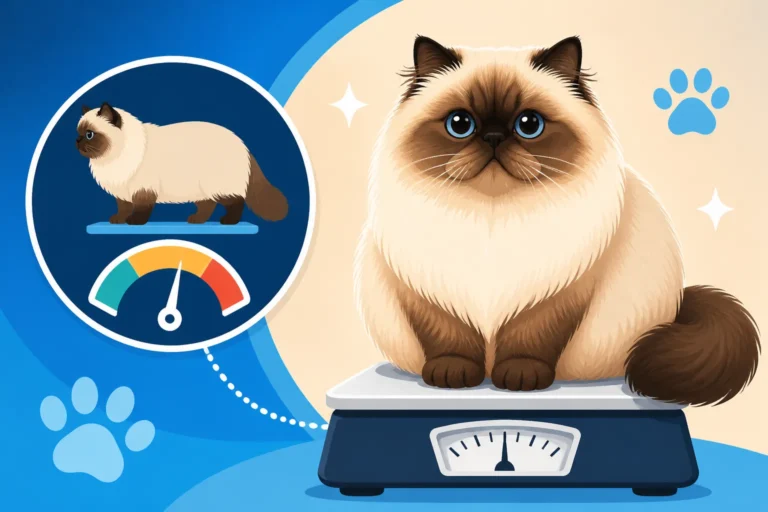
It might not seem directly related to breathing, but managing your Himalayan's weight is incredibly important for their respiratory health. Carrying extra pounds puts additional strain on every system in their body, and their already compromised respiratory system is no exception.
Excess fat in the neck and chest area can further constrict airways, making it even harder for a brachycephalic cat to breathe. Imagine trying to breathe deeply with a tight scarf around your neck – that's what being overweight can feel like for a Himalayan. Overweight cats also tend to have a harder time regulating their body temperature, exacerbating their heat sensitivity and making them pant even sooner and more intensely. This makes them significantly more prone to heatstroke during even mild activity.
Work closely with your vet to determine your Himalayan's ideal weight and create a suitable diet and exercise plan. This might involve carefully measured portions of a high-quality, vet-recommended cat food, and encouraging gentle, short bursts of play in a cool environment. Sometimes, simply bringing them down to a healthy weight can drastically improve their breathing and overall energy levels. A healthy weight can extend the nine to fifteen years a Himalayan usually gets, giving you more cherished time with your beloved companion.
Disclaimer
Please note that this article is intended for informational purposes only and is not a substitute for professional veterinary advice. If you have concerns about your Himalayan's health, particularly regarding breathing difficulties or panting, please consult with a qualified veterinarian immediately.