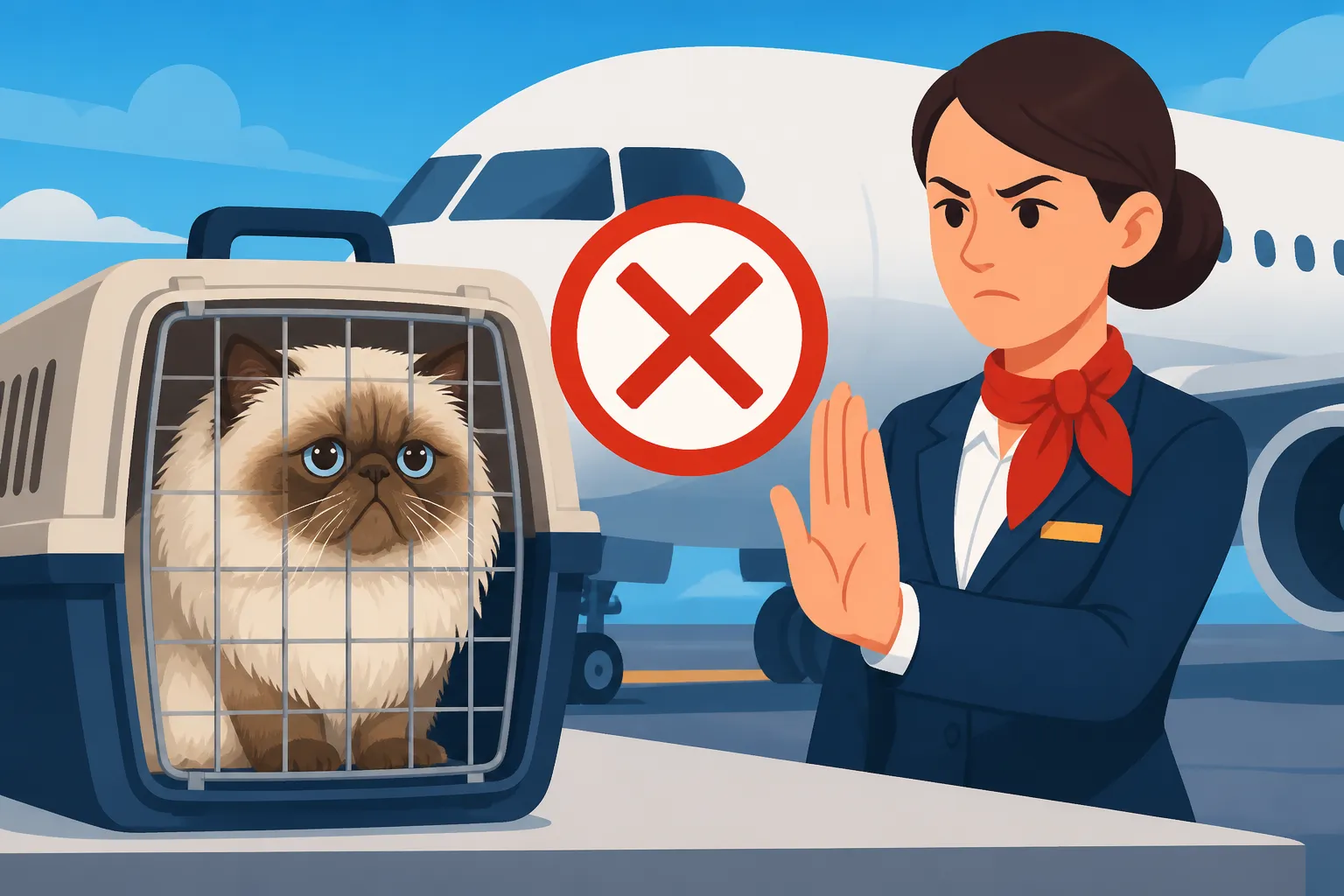
Why Airlines Refuse a Flat Faced Himalayan
It's a heartbreaking reality for many Himalayan cat parents: you want to take your cherished companion with you on a trip, perhaps to a new home or on a much-needed vacation, only to be met with outright refusal from airlines. This isn't just an inconvenience; it feels like a personal slight against your beloved pet. The truth is, these strict rules, particularly concerning flat-faced breeds like our beautiful Himalayans, are in place for critical safety reasons. This guide will meticulously break down why airlines implement these policies, what inherent risks your Himalayan faces during air travel, and what safer alternatives exist for their well-being.
Understanding the Unique Challenges of Flat-Faced Breeds in Air Travel
Bringing a Himalayan into your life means embracing their distinct features, from their luxurious coat to their endearing, flattened faces. While these traits are part of their charm, they also come with a specific set of physiological challenges, especially when it comes to environments like an airplane cabin or, even more dangerously, a cargo hold. Airlines aren't being arbitrary when they refuse these breeds; they're responding to a known, serious risk.
The Brachycephalic Airway Syndrome (BAS)
The primary reason behind these airline restrictions lies in a condition known as Brachycephalic Airway Syndrome (BAS). "Brachycephalic" simply means "short-headed," and it refers to the unique facial structure of breeds like Himalayans, Persians, Bulldogs, Pugs, and Boston Terriers. While their flat faces give them that adorable, squished-in look we love, it also means their internal respiratory anatomy is, unfortunately, compromised.
Imagine trying to breathe through a constantly pinched nose and a swollen throat, even when you're completely relaxed. That's a bit what it's like for a Himalayan. Their airways are often compressed in multiple places:
- Stenotic Nares: These are nostrils that are significantly narrower than they should be, making it harder to draw in enough air. It's like breathing through tiny straws.
- Elongated Soft Palate: The soft tissue at the back of their mouth is often too long and dangles into their airway, partially blocking it, especially when they're excited, stressed, or trying to pant. This can lead to that distinctive snoring sound many Himalayans make, and it's a key reason why a Himalayan snores louder than its Siamese ancestors.
- Hypoplastic Trachea: Their windpipe might be narrower than normal, reducing the overall volume of air that can pass through.
- Everted Laryngeal Saccules: These are small sacs in the larynx (voice box) that can turn outwards and block the airway even further when a cat struggles to breathe.
These anatomical quirks make breathing a constant effort. When a Himalayan is exposed to stress, excitement, heat, or changes in air pressure – all common during air travel – their already compromised airways can swell, making breathing even more difficult. This quickly escalates to respiratory distress, where they might struggle to take in enough oxygen, leading to panic, overheating, and potentially, collapse. It's a terrifying prospect for any pet parent.
Heat Stress and Temperature Regulation Difficulties
Beyond the direct breathing challenges, Himalayans, due to their brachycephalic structure and dense coat, are incredibly susceptible to heat stress and have a hard time regulating their body temperature. This is another major red flag for airlines. Cats primarily cool themselves by panting, which allows moisture to evaporate from their tongues and respiratory tracts, carrying heat away. However, for a flat-faced cat, this process is far less efficient.
With their restricted airways, the airflow required for effective evaporative cooling is significantly reduced. They simply cannot pant as effectively as a cat with a longer snout. This means that even a slight increase in ambient temperature, or a moderate amount of stress, can quickly cause their body temperature to skyrocket to dangerous levels. You might notice how soon a Himalayan starts panting during play, which is a clear indicator of their limited capacity to cool down.
Consider the environment of an airport and an airplane:
- Tarmac Delays: When an aircraft is sitting on the tarmac, especially in warmer weather, the cargo hold can become incredibly hot, very quickly. Even brief exposure to high temperatures can be fatal for a brachycephalic cat.
- Cabin Temperature Fluctuations: While the cabin is climate-controlled, sudden changes in temperature or localized warm spots can still pose a risk to sensitive Himalayans.
- Stress-Induced Heat: The sheer anxiety of travel – unfamiliar sights, sounds, smells, and being confined in a carrier – naturally raises a cat's body temperature, compounding their struggle to cool down.
Because of these combined factors, a Himalayan overheats twice as fast as a Siamese, and this rapid escalation of body temperature can lead to heatstroke, organ damage, and even death, often before anyone can intervene. This is why airlines, understanding these grave risks, have taken drastic measures to protect these vulnerable breeds.
Airline Policies and Regulations Regarding Brachycephalic Breeds
It's natural to feel frustrated when an airline says no to your furry family member. However, these policies aren't about being exclusionary; they're a direct response to a tragic history of incidents where flat-faced pets have suffered severe distress or even died during air travel. Airlines have faced significant public backlash and legal challenges over these incidents, leading to widespread changes in their pet transportation rules.
Common Airline Restrictions and Embargoes
Most major airlines worldwide have implemented strict embargoes or outright bans on brachycephalic breeds, especially for travel in the cargo hold. This isn't just for a few airlines; it's a common industry-wide policy. For example:
- Delta Airlines generally does not accept snub-nosed breeds as checked baggage.
- United Airlines has a broad embargo on certain snub-nosed dog and cat breeds, including Himalayans, for travel in the cargo hold.
- American Airlines also has restrictions, often refusing brachycephalic pets in cargo during certain months or entirely.
- Many international carriers, like British Airways or Lufthansa, have similar, if not more stringent, rules.
These embargoes are often seasonal, typically stricter during warmer months when the risk of heatstroke is highest, but many are year-round bans for cargo travel. Even for in-cabin travel, where a small pet carrier fits under the seat, airlines may still advise against it or have specific requirements, given the potential for stress-induced breathing difficulties even at stable cabin temperatures. While you might be able to find an airline that technically allows in-cabin travel for a Himalayan, you have to weigh the inherent risks against the desire to travel. The core reasoning is simple: the welfare of the animal is paramount, and the risk of a fatal incident is unacceptably high.
The Role of Animal Welfare Organizations and Industry Guidelines
These airline policies aren't just arbitrary decisions made in a boardroom. They are heavily influenced by, and often mandated by, international animal welfare organizations and industry bodies dedicated to safe animal transport. The most influential of these is the International Air Transport Association (IATA), which publishes the Live Animals Regulations (LAR). This comprehensive guide sets the global standard for transporting live animals by air.
IATA's LAR explicitly addresses the risks associated with brachycephalic breeds, recommending specific considerations and often advising against their transport due to their vulnerability. These guidelines are developed with input from veterinarians, animal handlers, and industry experts, all focused on minimizing stress and ensuring the health of animals during transit. Airlines, to maintain their safety certifications and avoid liability, adhere closely to these regulations.
Furthermore, increasing public awareness and advocacy from animal welfare groups like the ASPCA and Humane Society have put pressure on airlines to prioritize animal safety over profit. Past incidents, widely reported in the media, have highlighted the severe dangers of transporting these breeds, leading to calls for stricter rules and ultimately, the widespread embargoes we see today. It's a sad but true fact that these bans are often a result of lessons learned through tragedy, aimed at preventing future suffering.
The Risks of Flying a Flat-Faced Himalayan
Even if you managed to find an airline that might, by some exception, allow your Himalayan to fly, understanding the inherent dangers involved is crucial. These aren't minor discomforts; they are life-threatening risks that no loving pet owner would willingly impose upon their companion. The unique physiology of a Himalayan makes them fundamentally unsuited for the rigors of air travel.
Increased Risk of Respiratory Distress and Collapse
Imagine your Himalayan's already constricted airway. Now, add several layers of environmental and physiological stressors that come with flying. The cocktail is potent and perilous:
- Altitude and Cabin Pressure Changes: While airplane cabins are pressurized, they are not at sea-level pressure. The slight reduction in oxygen and changes in air pressure can be enough to trigger respiratory difficulty in a cat with BAS. Their lungs and airways, already working harder than average, struggle to cope with even subtle shifts.
- Confined Space of the Carrier: Being locked in a carrier, even a spacious one, for hours on end, can cause immense anxiety. This stress leads to increased heart rate and respiration, which, for a Himalayan, means their already compromised airways become even more strained. They might pant more, further irritating and swelling the soft tissues in their throat.
- Anxiety and Excitement: The constant noise, vibrations, new smells, and unfamiliar surroundings of an airport and airplane are incredibly overwhelming for a cat. This anxiety elevates their stress hormones, leading to physiological responses that can worsen their breathing. A cat that normally has quiet breathing may suddenly be gasping or showing signs of when a Himalayan's open mouth breathing needs a vet.
- Temperature Fluctuations: As discussed earlier, even minor temperature increases can be catastrophic. If the ventilation in the cargo hold is insufficient, or if there's an unexpected delay on a warm tarmac, the consequences can be dire.
A cat experiencing severe respiratory distress can quickly go into a crisis. Oxygen deprivation affects all major organs, including the brain and heart. They may become disoriented, struggle to remain conscious, and ultimately, collapse. Rescue efforts mid-flight are often impossible, making prevention the only real strategy.
Exacerbated Health Conditions
Beyond acute respiratory distress, the stress and environmental challenges of air travel can significantly worsen any pre-existing or underlying health conditions in your Himalayan. Many of these conditions are common to the breed, making the risk even higher.
For example, Himalayans, like their Persian ancestors, can be prone to certain cardiac issues, though perhaps not as frequently as other breeds. However, any existing heart murmur or undiagnosed heart condition can be severely exacerbated by the stress and physical demands of air travel. The increased heart rate and blood pressure from anxiety, combined with potential oxygen deprivation, can trigger cardiac events that might not otherwise occur. This is why a thorough vet check-up is always recommended before any travel, and it's also why having pet insurance, such as from Healthy Paws, is so important to cover unexpected emergencies. Even if your cat seems perfectly healthy, an underlying issue can be pushed to its limit by the unique stress of flying.
Moreover, the overall stress response can suppress their immune system, making them more susceptible to illnesses during and after travel. The disruption to their routine, the unfamiliar environment, and the physical toll of breathing difficulties can all contribute to a general decline in their well-being. An older Himalayan, or one with a history of any respiratory issues or even just a mild predisposition, is at an even greater risk. Many Himalayans, especially older ones, sleep with their neck stretched out, indicating a subconscious effort to keep their airway open – imagine trying to do that in a small carrier for hours. Even with the best intentions and preparations, the inherent risks associated with their physiology make air travel a gamble with your cat's life.
Alternative Travel Options and Responsible Pet Ownership
Given the significant and undeniable risks associated with air travel for flat-faced Himalayans, responsible pet ownership demands that we explore safer alternatives. While it might mean sacrificing some convenience, prioritizing your cat's health and safety is always the best course of action. There are viable options that can ensure your beloved companion arrives at their destination safely and with minimal stress.
Road Travel as a Safer Alternative
For most domestic journeys, and even cross-border trips where driving is feasible, road travel is by far the safest and most recommended option for your Himalayan. When you drive, you are in complete control of the environment, which drastically reduces the risks associated with temperature and stress.
Here’s why road travel is superior and how to make it comfortable:
- Controlled Climate: You can maintain a comfortable, consistent temperature in your car, ensuring your Himalayan doesn't overheat. Unlike a cargo hold, you can immediately adjust the air conditioning if needed. How to cool a long coated Himalayan in summer also applies to car travel, ensuring they remain comfortable.
- Regular Breaks: You can stop as often as necessary for potty breaks (though many cats don't use the litter box in a moving car, offering the chance is good), fresh water, and a bit of stretching if your cat tolerates a harness. These breaks also help reduce overall stress.
- Familiarity and Comfort: You can fill their carrier with familiar blankets, toys, and even an item of your clothing that carries your scent. This helps create a sense of security in the unfamiliar environment of the car.
- Secure Carrier: Ensure your Himalayan is in a well-ventilated, secure carrier that is properly secured in the car. This prevents injury in case of sudden stops and provides a safe den-like space. Consider a carrier that offers ample air circulation, such as one that gives a Himalayan enough air.
- Hydration: Offer water during breaks. Some cats may benefit from small amounts of wet food or a lickable treat to stay hydrated.
- Minimize Motion Sickness: Start with shorter car trips to get your Himalayan accustomed to the motion. Your vet might be able to prescribe anti-nausea medication if needed for longer journeys.
Road tripping with your Himalayan can even be an enjoyable experience, allowing you to bond and explore new places together at their pace. It offers a level of control and peace of mind that air travel simply cannot.
Considering Professional Pet Transport Services
If driving isn't an option due to extreme distances, international travel, or personal circumstances, a professional, reputable pet transport service specializing in ground transport or private charter might be a viable, albeit more expensive, alternative. These services are designed to prioritize animal welfare and safety, offering solutions that traditional airlines cannot.
When researching such services, look for:
- Ground Transport Specialists: Many companies offer climate-controlled, customized vans or trucks for long-distance pet transport. These vehicles are staffed by experienced animal handlers who understand the specific needs of brachycephalic breeds, monitor them closely, and provide regular comfort stops.
- Private Charter/Specialized Air Freight: For very high-value pets or extreme distances, some specialized services arrange private jet charters or utilize cargo services specifically designed for live animals, with dedicated temperature and pressure controls, and trained attendants. These are significantly more expensive but offer the highest level of care during air transit, vastly different from standard airline cargo.
- Veterinary Oversight: Ensure the service has veterinary consultation or partnerships. They should require up-to-date health certificates and be prepared for any medical contingencies. This proactive approach is essential when dealing with a breed like the Himalayan, where rapid health changes can occur.
- Reputation and Reviews: Always check for client testimonials, industry affiliations, and proper licensing. Ask for references and don't hesitate to ask detailed questions about their procedures for brachycephalic breeds. A good service will be transparent and eager to put your mind at ease.
- Door-to-Door Service: Many professional transporters offer door-to-door pick-up and drop-off, further reducing stress for your cat by minimizing transfers and unfamiliar environments.
While these services represent a significant investment, they are designed to mitigate the risks that make standard airline travel so dangerous for Himalayans. When it comes to the life and well-being of your cherished companion, investing in a safe and comfortable journey is always worth it. For their safety, a Himalayan should not fly in cargo, and these specialized services often understand and cater to that critical need. Keeping a Himalayan calm when it panics is vital, and these services are equipped to handle such situations.
Ultimately, the decision to travel with your Himalayan is yours, but understanding the significant risks associated with air travel for this particular breed, and exploring safer alternatives, is a fundamental aspect of being a responsible and loving pet parent.
| Travel Method | Himalayan Suitability | Pros | Cons | Key Considerations |
|---|---|---|---|---|
| Airline Cargo | Extremely Poor / Banned | Fastest for long distances (if allowed) | High risk of heatstroke, respiratory distress, death | Most airlines ban, high stress, no direct oversight |
| Airline In-Cabin | Poor / Restricted | Cat is with owner, climate controlled cabin | Still stressful, limited space, some airlines ban | Check airline rules meticulously, vet consultation |
| Personal Car Travel | Excellent | Full control over environment, stops, comfort | Slower for long distances, requires owner driving | Secure carrier, climate control, regular breaks |
| Professional Ground Transport | Excellent | Expert handling, climate-controlled, door-to-door | Expensive, slower than flying | Research reputable services, check credentials |
| Private Jet / Specialty Air Freight | Good (if supervised) | Best air safety, personalized care | Extremely expensive | Highly specialized, only for specific situations |
Disclaimer
Please remember that this article provides general information and guidance. Always consult with your veterinarian for personalized advice regarding your Himalayan cat's health and specific travel plans. Airline policies are subject to change, so always verify current regulations directly with your chosen airline well in advance of any travel.