How Many Teeth a Himalayan Has Lost by Ten
It’s a heart-wrenching reality for many Himalayan cat owners: you cherish your beautiful furball, meticulously caring for their gorgeous coat and unique face, only to find yourself facing significant dental challenges as they age. The frustration of dealing with persistent bad breath, painful extractions, and the worry over how many teeth your beloved cat might lose by the time they reach their golden years is very real. This guide is here to shed light on why Himalayans are so prone to dental problems, what you can expect in terms of tooth loss by age ten, and how you can proactively manage their oral health to ensure they stay as comfortable and happy as possible.
The Unique Dental Challenges of a Himalayan's Jaw
Let's be honest, those adorable, flat faces that make Himalayans so distinctive are also, unfortunately, the root cause of many of their health quirks, especially when it comes to their teeth. It's not just a cosmetic feature; it's a fundamental change to their skull structure that impacts everything inside their mouth.
Understanding the Brachycephalic Jaw
The term "brachycephalic" simply means "short-headed," and it perfectly describes the Himalayan's flattened face and shortened muzzle. While it gives them that sweet, doll-like or peke-face appearance, it creates a real estate problem for their teeth. Cats, including Himalayans, are supposed to have 30 adult teeth, each with its designated spot. But in a Himalayan's shortened jaw, there just isn't enough space for all those teeth to sit comfortably in proper alignment.
Imagine trying to fit a full set of adult human teeth into a child's jaw – it just wouldn't work. That's essentially what happens with many Himalayans. Their teeth are normal-sized, but their jaw is significantly reduced. This leads to severe crowding, rotation, and malocclusion (improper bite). Instead of neatly aligning, teeth often overlap, twist, or push into each other. This isn't just an aesthetic issue; it has profound implications for their dental health from a very young age.
The Impact of Crowding on Dental Health
The consequences of this dental crowding are extensive and often begin silently. When teeth are crammed together, they create tiny crevices and shielded areas that are incredibly difficult for a cat's tongue or any natural chewing action to clean. Food particles, bacteria, and saliva combine to form plaque, which then hardens into tartar. This happens much faster and more aggressively in a crowded mouth.
Once tartar forms, it acts like a rough, porous surface, accumulating even more bacteria. This bacteria then starts to irritate the gums, leading to gingivitis – inflammation and redness of the gums. If left untreated, gingivitis progresses to periodontal disease, a much more serious condition where the inflammation spreads beneath the gum line, attacking the supporting structures of the teeth, including the bone. The sheer difficulty of cleaning these crowded teeth means that many Himalayans are fighting an uphill battle against plaque and tartar from day one, setting them up for early and advanced dental disease.
The Progression of Dental Loss by Age Ten
Dental disease in Himalayans isn't a sudden event; it's a gradual, often insidious process that can lead to significant tooth loss by the time they are ten years old. Owners often don't realize the severity until symptoms become overt, like persistent bad breath or difficulty eating.
Early Signs and Gradual Deterioration
For many Himalayans, the first subtle signs of dental trouble can appear surprisingly early, sometimes even before their first birthday. You might notice a faint yellowing on their canine teeth, or a slight redness along the gum line. This is typically the onset of gingivitis, fueled by the rapid buildup of plaque and tartar in those already cramped spaces. As they move into their mid-adulthood, say between three and six years old, this problem often accelerates. The tartar becomes thicker, sometimes forming dark brown crusts, and the gingivitis can progress to more serious periodontal disease.
It's a silent disease because cats are masters at hiding pain. They might continue to eat, albeit perhaps a bit more slowly or favoring one side of their mouth, without showing obvious signs of discomfort. However, beneath the surface, the bacterial infection is slowly eroding the ligaments and bone supporting their teeth. Molars and premolars, being at the back and often most crowded, are frequently the first to suffer severe bone loss and become loose. By the time a Himalayan reaches around seven or eight years old, if consistent dental care hasn't been a priority, they are likely already dealing with advanced periodontal disease and possibly several teeth that are either compromised or already lost.
Why Extraction Becomes Necessary
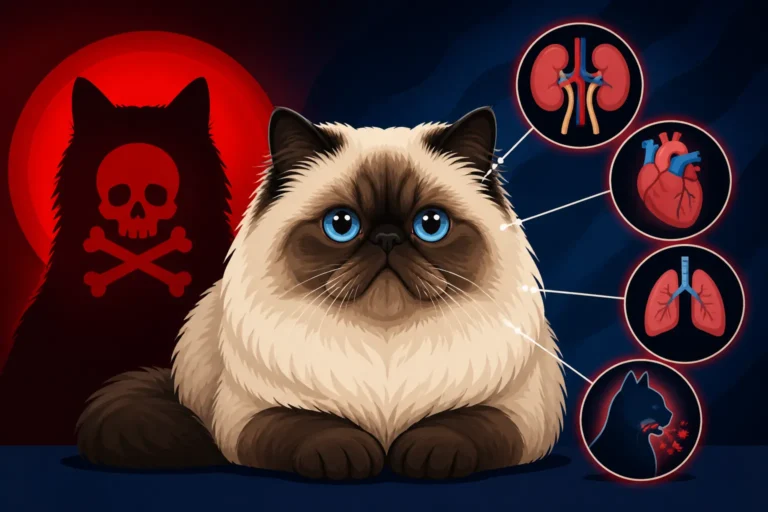
When periodontal disease takes hold, simply cleaning the teeth is no longer enough. The infection can create deep pockets around the tooth roots, leading to bone loss, painful abscesses, and even damage to the jawbone itself. At this stage, the tooth is often loose, infected, and causing chronic pain. Leaving it in can lead to more widespread infection, affecting other teeth and potentially even distant organs if bacteria enter the bloodstream. This is when veterinary intervention, often in the form of tooth extraction, becomes absolutely essential.
Extractions are performed under general anesthesia, and they're not minor procedures. They involve careful surgical removal of the diseased tooth and sometimes smoothing the bone or stitching the gum tissue. It's a necessary step to alleviate pain and prevent further health complications. Many Himalayan owners find themselves scheduling dental procedures every few years, and each time, it’s not uncommon for several teeth to be extracted due to the advanced nature of the disease. This is where having a good pet insurance plan, like one from a provider such as Healthy Paws, can really make a difference, helping to manage the costs associated with these recurring and often extensive dental treatments. Ignoring these issues isn't an option if you want to ensure your cat lives a comfortable, pain-free life, which is why regular vet check-ups are so important to catch these issues before they become dire.
Estimating Tooth Loss by Age Ten
It's tough to give a precise number because every cat is an individual, but for a Himalayan who hasn't had consistent, proactive dental care throughout their life, losing multiple teeth by age ten is, unfortunately, quite common.
The "Normal" Range vs. Individual Variation
Cats have a total of 30 adult teeth: 12 incisors, 4 canines, 10 premolars, and 4 molars. By age ten, a Himalayan with typical dental care (meaning perhaps annual check-ups but not necessarily regular anesthetic dentals or diligent home care) could easily have lost anywhere from 2 to 8 or even more teeth. It's not unusual to see several molars and premolars already extracted, as these are often the most crowded and difficult to clean. In more severe cases, some incisors might also be gone, and occasionally even a canine could be affected if the periodontal disease is widespread and aggressive.
Factors like genetics (even within the Himalayan breed, some lines might have more severe jaw conformation than others), diet, and the diligence of previous owners (if adopted) all play a significant role. A Himalayan who has had regular professional dental cleanings and diligent home care might still have most, if not all, of their teeth by age ten, though this requires dedicated effort. Conversely, one with minimal care could be missing a quarter or even a third of their teeth by this age.
To illustrate, here's a general idea of what a Himalayan's dental health might look like over time without intensive preventive measures:
| Age (Years) | Typical Dental Status (Without Proactive Care) | Potential Tooth Loss (Estimate) |
|---|---|---|
| 1-3 | Mild gingivitis, early plaque/tartar buildup. | 0 (but problems starting) |
| 3-6 | Moderate gingivitis, significant tartar, some early periodontal disease. | 0-2 (extractions may begin) |
| 6-9 | Moderate to severe periodontal disease, possibly root resorption, active infections. | 2-5 (molars/premolars common) |
| 10+ | Advanced periodontal disease, loose teeth, multiple extractions. | 2-8+ (often includes incisors) |
Factors Accelerating Tooth Loss
While the brachycephalic jaw is the primary predisposing factor, several other elements can significantly accelerate tooth loss in Himalayans. One of the biggest culprits is diet. A diet primarily consisting of soft, wet food, while often necessary for their flat faces and can be perfectly balanced, doesn't offer any abrasive action to help scrub away plaque. Even dry kibble, contrary to popular belief, often does very little to clean teeth in cats; most kibble is simply swallowed whole or with minimal crunching.
Lack of consistent home care is another huge factor. Without daily brushing, or at least regular wiping with dental pads, plaque and tartar build up unchecked. Many owners struggle to get a toothbrush into their cat's mouth, especially with a crowded jaw, but even small efforts can make a difference. As discussed in How Often a Himalayan's Crowded Mouth Needs Cleaning, consistency is key.
Genetic predisposition beyond jaw structure also plays a role. Some individual Himalayans might simply have a genetic tendency for weaker enamel or a more aggressive immune response to plaque bacteria, leading to faster progression of periodontal disease. Finally, infrequent veterinary check-ups and delayed professional cleanings are critical. If dental problems aren't identified and addressed early by a veterinarian, they inevitably worsen, leading to more extensive disease and the need for more extractions. This is why regular screenings, even if they don't involve a full dental procedure every year, are so vital for early detection.
Proactive Care to Mitigate Tooth Loss
While some tooth loss might feel inevitable with a Himalayan, there's a lot you can do to slow down the progression of dental disease and keep your furry friend's mouth as healthy as possible for as long as possible. It's all about consistent, dedicated care.
The Importance of Regular Veterinary Dentals
There's no sugarcoating it: professional veterinary dental cleanings are the gold standard for maintaining your Himalayan's oral health. These aren't just a quick scrape; they're comprehensive procedures performed under general anesthesia. Why anesthesia? Because it allows the vet to do a thorough job, cleaning not just above the gum line, but also below it, where most of the damaging bacteria lurk. Anesthesia also allows for full mouth X-rays, which are absolutely crucial because up to 60% of dental disease is hidden beneath the gum line and not visible to the naked eye. This can reveal painful conditions like root resorption or abscesses that would otherwise go unnoticed until they become excruciating.
Your vet will assess the health of each tooth, perform scaling to remove plaque and tartar, polish the teeth to smooth the enamel and make it harder for new plaque to adhere, and address any extractions that are necessary. For a Himalayan, these dentals often need to start earlier and occur more frequently than for other breeds. While an annual dental might be sufficient for some cats, a Himalayan with a particularly crowded mouth might benefit from cleanings every 12-18 months. As we detailed in Why a Himalayan Needs Dentals Earlier Than a Siamese, their unique facial structure makes them more susceptible, necessitating this proactive approach. Don't wait until you notice severe bad breath or difficulty eating; by then, the disease is often advanced. Regular preventative cleanings are truly an investment in your cat's comfort and long-term health.
Effective Home Dental Care Routines
While professional cleanings are non-negotiable, what you do at home every day between those vet visits is just as, if not more, important. Think of it like this: you brush your teeth daily, but you still go to the dentist for professional cleanings. The same principle applies to your Himalayan!
The most effective home care is daily tooth brushing. Yes, it sounds daunting, but with patience and positive reinforcement, many Himalayans can learn to tolerate it. Start slowly, using a finger brush or a soft cat-specific toothbrush and enzymatic cat toothpaste (never human toothpaste!). Focus on the outside surfaces of the teeth, especially where the gum meets the tooth, as this is where plaque accumulates most. Even a few seconds of brushing each day can make a world of difference.
If brushing isn't feasible, don't despair. There are other options:
- Dental Wipes: These can be wrapped around your finger to gently wipe away plaque from the tooth surfaces.
- Dental Gels/Water Additives: Some products can be applied directly to the gums or added to your cat's drinking water to help reduce bacteria and plaque. Look for products with the Veterinary Oral Health Council (VOHC) seal of acceptance, as these have been proven effective.
- Dental Chews/Treats: While not a substitute for brushing, certain dental treats designed to scrape plaque can offer some benefit. Again, check for the VOHC seal. Remember that a flat-faced Himalayan might struggle with certain shapes or sizes of dental chews, so choose carefully to ensure they can actually use them effectively.
Consistency is the secret weapon here. Even if you can't manage a full brush every day, doing something consistently will significantly impact their oral health and potentially reduce the number of teeth they lose by age ten.
Living with a Himalayan Who Has Lost Teeth
Even with the best care, some Himalayans will inevitably lose teeth due to their unique anatomy. This isn't a failure on your part, but rather a reality of the breed. The good news is that cats are incredibly adaptable, and with a few adjustments, they can continue to live full, happy lives.
Adjusting Diet and Eating Habits
Once a Himalayan has had several teeth extracted, especially molars and premolars that are crucial for grinding food, their ability to chew hard kibble can be significantly impacted. It's essential to adjust their diet to prevent discomfort, ensure they're getting enough nutrition, and avoid unnecessary pain.
The most common adjustment is switching to wet food. Wet food is much easier for a cat with fewer teeth to manage, as it requires minimal chewing. If your cat prefers kibble, you can try softening it with warm water or broth before serving. Let it sit for 10-15 minutes until it's mushy. You might also need to experiment with different kibble sizes and shapes if they still have some teeth left, opting for smaller pieces that are easier to swallow.
Beyond the food itself, consider bowl design. A shallow, wide bowl is generally best for flat-faced cats, as it prevents their whiskers from bending uncomfortably and allows them to access their food without pressing their face into deep corners. Some elevated bowls can also help, as they reduce the need for your cat to bend down as much. As discussed in How a Flat Faced Himalayan Eats After Extractions, observing how your cat eats can give you valuable clues about their comfort level and whether further adjustments are needed. Watch for dropping food, struggling to pick it up, or signs of pain while eating.
Ongoing Monitoring and Comfort
Losing teeth can be a painful process, and even after extractions, ongoing monitoring is crucial. Your goal is to ensure your Himalayan remains comfortable and free from chronic pain. Regular check-ups with your vet will continue to be important. They can assess the health of the remaining teeth and gums, check for any new issues, and ensure the extraction sites have healed properly.
Beyond vet visits, you, as their dedicated owner, are your cat's best advocate. Pay close attention to any subtle changes in their behavior:
- Changes in eating habits: Are they eating less, taking longer to eat, or favoring one side of their mouth?
- Reluctance to groom: Oral pain can make grooming difficult, especially around their face and paws.
- Pawing at their mouth or rubbing their face: These can be signs of discomfort.
- Bad breath: While a common sign of dental disease, new or worsening bad breath after extractions could indicate a problem with a remaining tooth or a healing issue.
- Drooling: Excessive drooling can be a sign of oral pain or infection.
Remember that cats are stoic creatures, and any overt sign of pain usually means they've been suffering for a while. If you notice any of these signs, don't hesitate to contact your vet. Providing a comfortable environment, a soft bed, and lots of gentle affection will also go a long way in supporting your tooth-challenged Himalayan as they age gracefully.
Disclaimer
Please remember that this article is intended for informational purposes only and should not be considered a substitute for professional veterinary advice. Always consult with a qualified veterinarian regarding your Himalayan cat's specific health concerns and treatment options.