How a Flat Faced Himalayan Eats After Extractions
It’s truly heartbreaking to see your beloved Himalayan, with their sweet, expressive face, in discomfort after a dental extraction. That worry about how they'll manage to eat with a tender mouth and a naturally flattened face is completely understandable and a common source of stress for many owners. This comprehensive guide is here to walk you through the practical, empathetic, and sometimes creative ways you can help your flat-faced Himalayan navigate meal times post-surgery, ensuring they get the nutrition they need for a swift and comfortable recovery.
Understanding the Unique Challenges of Post-Extraction Eating for Himalayans
The reality is, a flat-faced Himalayan already faces some unique anatomical challenges when it comes to eating, even before any dental work. Their brachycephalic (flat) facial structure, coupled with a typically crowded mouth, often means they've had to adapt their eating style throughout their lives. When you add the pain and swelling from dental extractions, these challenges can become significantly more pronounced and distressing for both you and your feline friend.
The Impact of Their Brachycephalic Structure
Imagine trying to scoop food with a very short spoon and a wide, flat face. That’s a bit like what a Himalayan experiences. Their short muzzle and often recessed lower jaw mean that picking up kibble or even some wet foods can be a messy and frustrating endeavor. After extractions, especially if multiple teeth were removed, the sensitivity in their mouth makes any direct contact with food painful. They might shy away from food bowls altogether, not because they aren't hungry, but because the effort and discomfort are too much. This is exacerbated if the extractions were in areas critical for grasping or tearing food, such as the canines or incisors, which are often victims of their crowded jaws. For a deeper dive into their oral anatomy, you might find "What a Persian Jaw Does to a Himalayan's Bite" to be enlightening.
Post-Operative Pain and Swelling
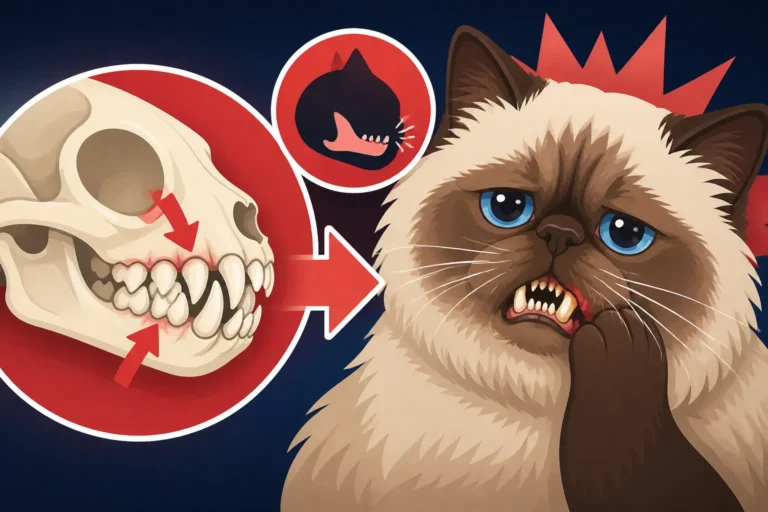
No matter how skilled your vet is, dental extractions are a surgical procedure, and post-operative pain and swelling are unavoidable. Your vet will prescribe pain medication, which is absolutely crucial, but even with medication, your cat will likely still experience some tenderness. This discomfort makes chewing, or even just manipulating food in the mouth, incredibly difficult. Swelling can also temporarily restrict jaw movement, making it harder to open their mouth wide enough or to use their tongue effectively to move food. It’s a delicate balance of providing enough nutrition without causing further pain, and it requires patience and a gentle touch. Your vet will likely want to monitor their progress, especially if your cat has other health considerations, as discussed in "Why a Himalayan Is a Harder Anesthetic Than a Siamese."
The Effect of Anesthesia on Appetite
Another factor to consider is the lingering effect of anesthesia. It's common for cats to feel a bit nauseous, groggy, or simply not themselves for the first 24-48 hours after surgery. This can lead to a reduced appetite, regardless of mouth pain. While it's important not to force them to eat, we also need to ensure they start taking in calories and fluids as soon as safely possible to aid their recovery. Dehydration can be a real concern, so offering easily consumable, moisture-rich foods is key.
Modifying Food and Feeding Techniques for Recovery
Once your Himalayan is home, the focus shifts to making eating as easy and pain-free as possible. This means adjusting the type of food you offer and experimenting with different feeding methods. Remember, every cat is an individual, so what works for one might not work for another. Be prepared to try a few different approaches.
Choosing the Right Food Consistency
The absolute cornerstone of post-extraction feeding is soft food. Forget kibble for a while; it's simply too hard and can irritate healing gums or get stuck in extraction sites. Your goal is to provide nutrient-dense food that requires minimal to no chewing.
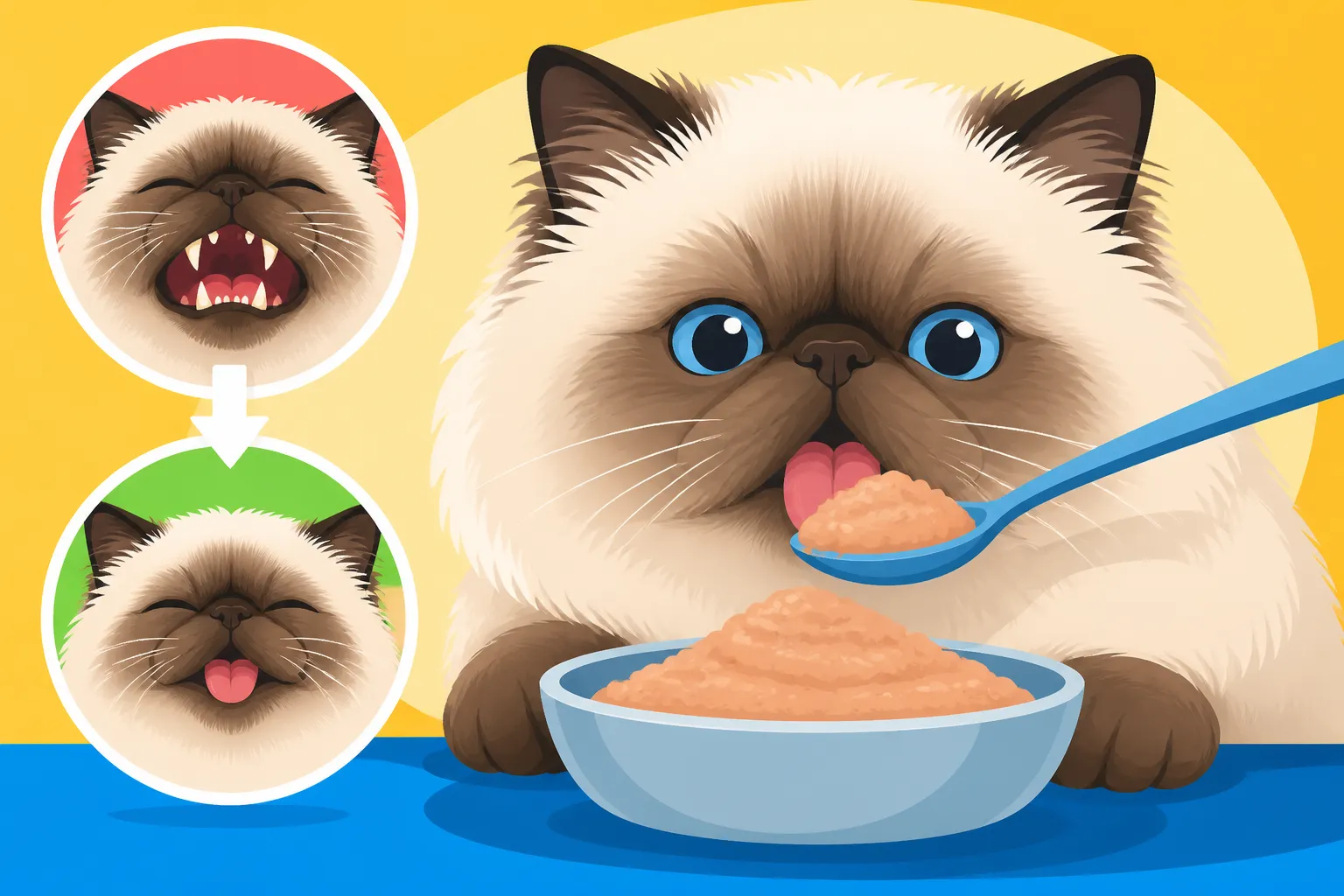
- Pâté-Style Wet Food: This is often the easiest for Himalayans to manage. Its smooth, uniform texture slides down easily. Look for high-quality, complete, and balanced pâté formulas.
- Puréed Food: If pâté is still too chunky, you can blend wet food with a little warm water, low-sodium chicken broth, or a veterinarian-approved rehydration fluid until it's a smooth, drinkable consistency. This is particularly helpful in the immediate post-op period when their mouth is most sensitive.
- Soaked Kibble: After a few days, if your vet gives the okay and your cat seems to be recovering well, you might try soaking their regular kibble in warm water or broth until it's completely soft and mushy. This maintains familiarity if they're particularly attached to their kibble, but ensures it's easy to swallow.
- Baby Food: Plain, meat-based baby food (without onion or garlic powder) can be a temporary, palatable option for very reluctant eaters. It's not nutritionally complete for long-term use, but it can kickstart their appetite.
Consider warming wet food slightly to body temperature. The aroma can be more enticing, and the slightly warmer temperature can be soothing on a sensitive mouth. Just be sure to test it first to avoid burning their delicate tissues.
Adjusting Feeding Methods and Bowls
Beyond the food itself, how you present it makes a world of difference. Your Himalayan’s flat face already dictates specific bowl needs, and after surgery, this becomes even more critical. If you're wondering, "Which Bowl Shape a Flat Faced Himalayan Can Use," you're on the right track – it's a vital consideration.
- Shallow, Wide Bowls: These are always best for flat-faced cats. They prevent whisker fatigue and allow your Himalayan to reach the food without pushing their entire face into a deep, narrow dish. After extractions, this design also reduces the chance of their healing gums bumping against the bowl's edges. Stainless steel or ceramic are generally preferred as they are easy to clean and don't harbor bacteria.
- Elevated Bowls: Some Himalayans find eating from an elevated bowl more comfortable, as it reduces the need to bend their neck and can aid in digestion. This might be particularly helpful if they're experiencing any neck stiffness from being under anesthesia. You can use a dedicated elevated feeder or simply place their shallow bowl on a sturdy, non-slip mat or a small, stable platform.
- Hand-Feeding: This can be a lifesaver, especially in the first day or two. Offer small dabs of soft food from your finger or a spoon. Many cats appreciate the gentle, personal attention, and it allows you to control the portion size and pace. Be incredibly gentle, never forcing food. Just let them lick it off your finger.
- Syringe Feeding (as a last resort): If your cat absolutely refuses to eat and your vet advises it, you might need to syringe-feed a very thin, puréed diet. This should only be done under veterinary guidance, as there's a risk of aspiration if done improperly. It’s a stressful procedure for both cat and owner, so aim for self-feeding first.
Here's a quick comparison of feeding methods post-extraction:
| Feeding Method | Pros | Cons | Best For |
|---|---|---|---|
| Shallow Bowl | Reduces whisker fatigue; easy access for flat faces. | May still require some bending if not elevated. | General use once initial pain subsides; good for wet food. |
| Elevated Bowl | Less neck strain; potentially aids digestion. | Cat might still struggle with scooping if too low or if food is not soft enough. | Cats with neck stiffness or those who prefer a raised position. |
| Hand-Feeding | Highly controlled portions; personal touch; encouraging for reluctant eaters. | Time-consuming; cat may become reliant; not suitable if cat is aggressive or in severe pain. | Immediate post-op, reluctant eaters, administering small amounts. |
| Syringe Feeding | Ensures calorie intake when all else fails. | High risk of aspiration; stressful for cat and owner; vet supervision required. | Emergency situations where cat refuses all other food. |
| Lick Mat/Plate | Encourages licking, slow feeding; less mess for some cats. | Not suitable for very liquidy foods; cat might still struggle if mouth is very sensitive. | Cats transitioning from purées, or those who enjoy licking. |
Creating a Comfortable and Safe Eating Environment
Beyond what and how you feed them, the environment in which your Himalayan eats can significantly impact their willingness to consume food after dental extractions. A peaceful, stress-free zone is paramount for recovery.
Quiet and Uninterrupted Meal Times
Cats, especially those recovering from surgery, need peace and quiet. Set up a designated eating spot in a low-traffic area of your home, away from other pets, loud noises, or busy foot traffic. This allows your Himalayan to focus on the challenging task of eating without feeling threatened or rushed. Consistency is also key; try to offer food at regular times, as this can reduce anxiety and establish a routine. A happy cat is a cat more likely to eat. If your Himalayan is particularly sensitive to changes, you might notice them hiding, as explored in "What a Himalayan Does When It Is Unsettled."
Easy Access to Food and Water
Ensure their food and water bowls are easily accessible without any obstacles. If they have a favorite resting spot, place the food and water nearby. Remember, they’re recovering, and mobility might be slightly impaired, or they simply won’t have the energy to trek across the house for a meal. Fresh water should always be available, in a wide, shallow bowl, to help with hydration and to rinse their mouth after eating. Remember that "Why a Himalayan Soaks Its Ruff Drinking" highlights their unique drinking style, making wide bowls essential.
Monitoring Eating Habits and Recovery
Closely observe your Himalayan during and after meal times. Are they showing signs of pain while eating? Are they struggling to swallow? Is food falling out of their mouth? Any of these could indicate lingering discomfort or the need for further adjustments. Also, keep an eye on their overall demeanor, energy levels, and bathroom habits. A reduction in appetite for more than 24 hours post-surgery, or any signs of continued pain, warrant a call to your veterinarian. They might need an adjustment to their pain medication or a follow-up check. It’s important to note that regular check-ups, especially as they age, are critical for managing their health. For example, "What a Himalayan's Yearly Bloods Should Cover After Eight" gives insight into the ongoing care required.
Long-Term Dietary Adjustments and Ongoing Care
While the immediate post-extraction period is about recovery, it’s also an opportunity to re-evaluate their long-term dental health strategy. Dental disease is incredibly common in Himalayans due to their crowded jaws, as highlighted in "How Crowded a Himalayan's Lower Jaw Gets." Extractions might solve an immediate problem, but preventative care remains crucial.
Continued Dental Hygiene
Even with fewer teeth, ongoing dental hygiene is vital for the remaining teeth. Brushing your cat's teeth daily, if they tolerate it, is the gold standard. Use a soft, cat-specific toothbrush and enzymatic toothpaste. If brushing isn't feasible, dental rinses, water additives, and dental treats approved by the Veterinary Oral Health Council (VOHC) can help reduce plaque and tartar buildup. Regular veterinary dental check-ups, often yearly, will continue to be important to monitor their oral health and catch any new issues early. For more on this, check out "How Often a Himalayan's Crowded Mouth Needs Cleaning."
Regular Veterinary Check-ups
Your veterinarian is your most important partner in your Himalayan's health journey. Regular check-ups allow them to monitor your cat's overall health, including their oral cavity, and address any concerns before they become major problems. They can assess how well your cat is coping with their new dental landscape and offer further advice on diet and care. These visits are also important for discussing any ongoing health concerns, such as "Why a Himalayan's Kidneys Are Checked Before Sedation," which is crucial before any anesthetic procedure.
It's also worth thinking about how you'll manage potential future dental or other health issues. Comprehensive pet insurance can be a real lifeline for managing the often significant costs associated with specialized veterinary care, especially for breeds with known predispositions like Himalayans. Reputable providers like Healthy Paws offer various plans that can help alleviate the financial burden of unexpected surgeries, treatments, or even routine dental cleanings if they are covered under your specific policy. This way, you can focus on your cat's health without the added stress of exorbitant bills.
Adjusting to a "New Normal"
In many cases, a Himalayan who has had extractions will ultimately feel much better than before, as they are no longer living with chronic pain. You might even see an improvement in their energy levels and overall demeanor once they've fully recovered. They might adapt to a soft food diet permanently, or they might eventually be able to handle small, specially designed kibble. The key is to observe, adapt, and provide consistent, loving care. Your Himalayan might still be prone to certain issues, and understanding things like "The Nine to Fifteen Years a Himalayan Usually Gets" can help you prepare for their journey through life.
Ultimately, helping your flat-faced Himalayan eat after dental extractions is a commitment, but it’s one that yields immense rewards in their comfort and well-being. With patience, the right food, and a supportive environment, your furry friend will be back to enjoying their meals in no time.
Disclaimer
The information provided in this article is for general informational purposes only and is not a substitute for professional veterinary advice. Always consult with a qualified veterinarian regarding your pet's health, diet, and any medical conditions.