Whether the Persian Half Brought a Himalayan Diabetes Risk
It’s a natural worry for any cat parent, especially those of us who adore our Himalayans: how much of their health picture is inherited from their Persian ancestors? We all know that purebred cats can come with their own unique set of predispositions, and when it comes to a serious condition like diabetes, understanding the lineage can feel overwhelming. This guide will delve into whether the Persian side of your beloved Himalayan truly increases their risk for diabetes, exploring the genetic landscape and, more importantly, the lifestyle factors you can control to keep your fluffy friend healthy and happy.
Unpacking the Persian Lineage and Diabetes Risk in Himalayans
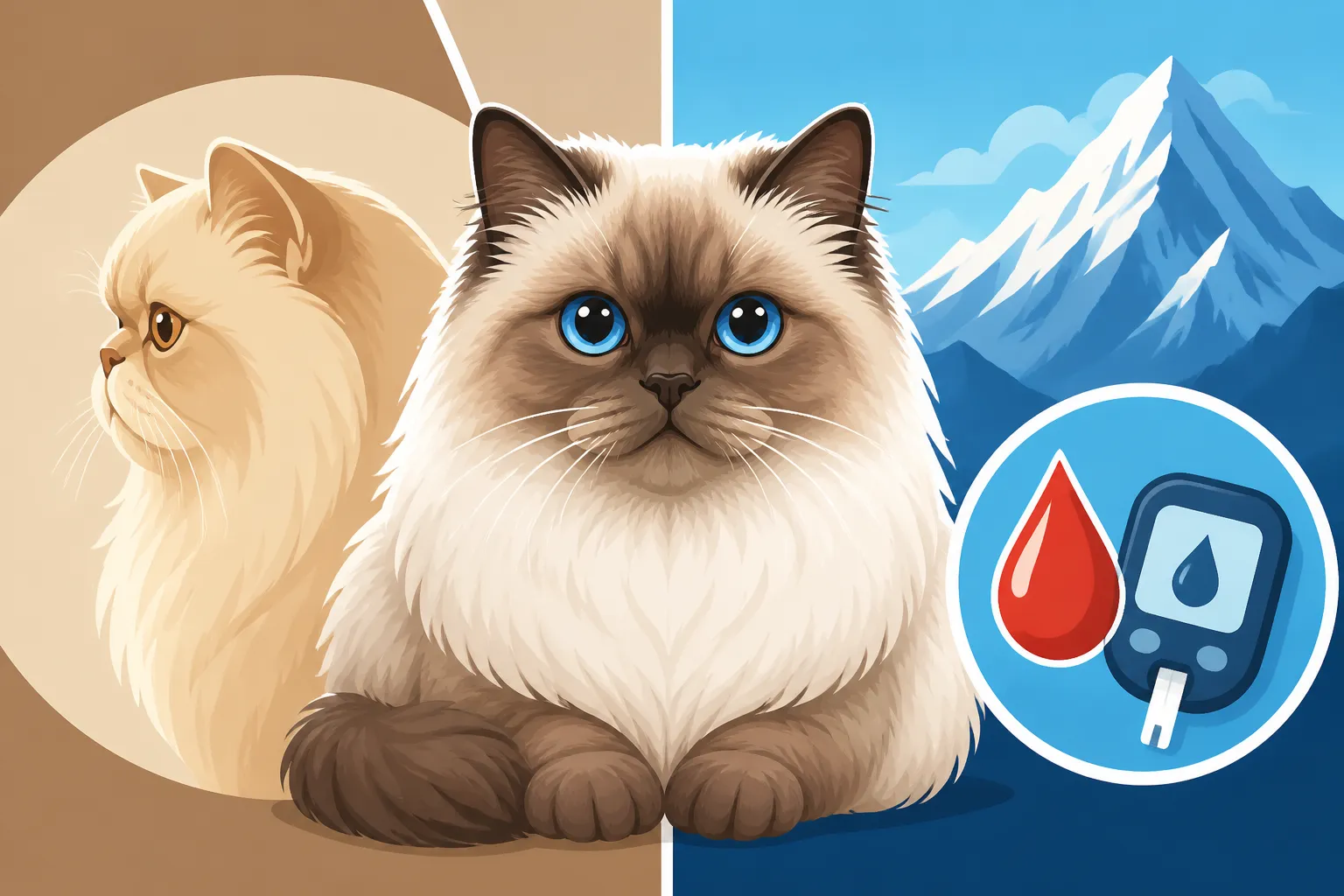
When we look at the beautiful Himalayan, we're essentially admiring a Persian cat with stunning Siamese point coloration. This means that a significant portion of their genetic makeup, including any predispositions to certain health conditions, comes directly from their Persian heritage. The question of diabetes, however, is a bit more nuanced than a simple yes or no.
Genetic Predisposition from Persian Ancestry
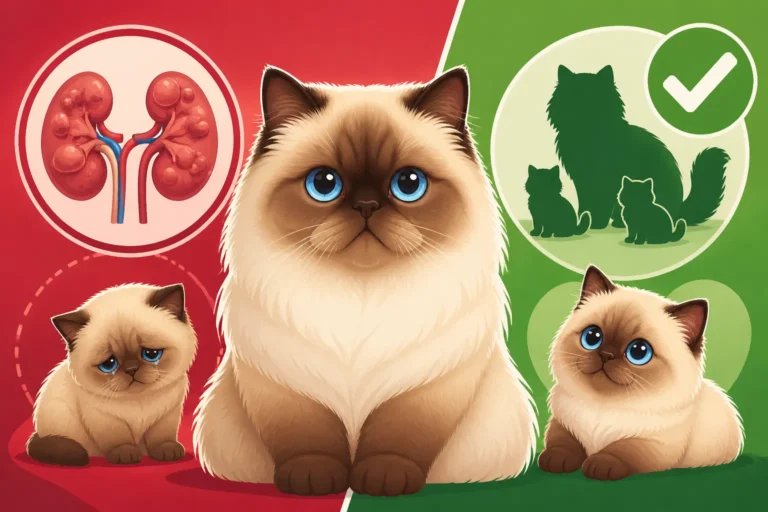
While Persian cats do have some known health challenges, such as Polycystic Kidney Disease (PKD1 Came Down the Persian Side of a Himalayan) and certain dental issues (How a Shortened Jaw Crowds a Himalayan's Teeth), the link to a direct, strong genetic predisposition for diabetes mellitus specifically from the Persian side is not as clear-cut as it is for some other conditions in the breed. Diabetes in cats is often classified as Type II, similar to humans, where the body either doesn't produce enough insulin or doesn't use it effectively.
Some research indicates that certain purebred cat populations might have a higher incidence of diabetes compared to mixed breeds, and some studies might list Persians among breeds with a slightly elevated risk. However, it's crucial to understand that "elevated risk" doesn't mean "guaranteed diagnosis." The genetic component for feline diabetes is complex, and while a breed background can contribute, it's rarely the sole factor. Think of it more as a piece of the puzzle, rather than the entire picture. Your Himalayan inherits its gorgeous long coat and sweet, placid temperament from its Persian lineage, but a direct genetic "diabetes gene" from this side is not a primary driver of the disease, or at least not one that is universally agreed upon in veterinary science as a strong, direct link compared to other known hereditary conditions.
Beyond Genetics: Other Contributing Factors
This is where the conversation really shifts for our Himalayans. While genetics might play a minor background role, lifestyle and environmental factors are far more impactful when it comes to a Himalayan's risk for developing diabetes. Their body type, temperament, and diet habits are significant contributors.
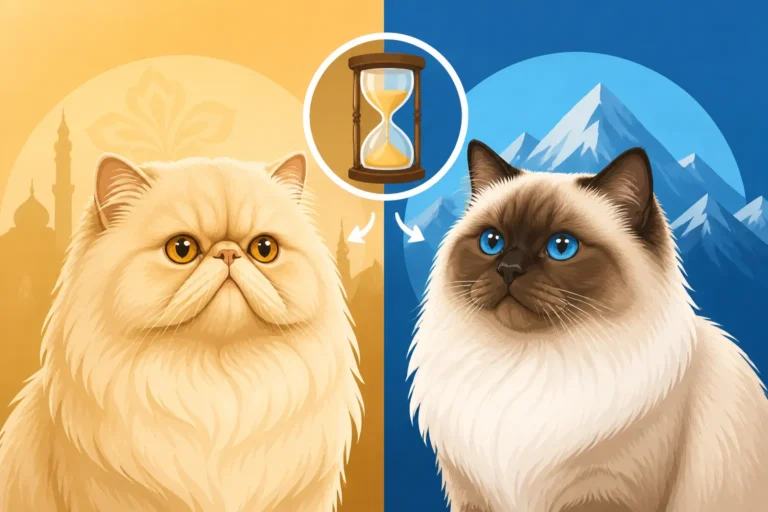
- Obesity: This is, without a doubt, the single biggest risk factor for feline diabetes. Himalayans, with their naturally Cobby body type, can easily become overweight if their diet isn't carefully managed. They are often less active than their Siamese ancestors (Why a Himalayan Plays Longer Than a Persian and Less Than a Siamese) and tend to be quite sedentary. An overweight cat's body struggles to respond to insulin, leading to insulin resistance and eventually, diabetes. It’s important to monitor What a Himalayan's Cobby Frame Should Weigh and to ensure they maintain a healthy physique.
- Diet: The type and quality of food your Himalayan eats play a crucial role. Diets high in carbohydrates, particularly dry kibble, can put a strain on a cat's pancreas over time. Cats are obligate carnivores, meaning their bodies are designed to process protein and fat, not large amounts of carbohydrates.
- Inactivity: Himalayans are known for their calm, lap-loving nature. They prefer lounging on a favorite chair to scaling tall cat trees. This reduced activity level means they burn fewer calories. If those calories aren't adjusted, weight gain becomes almost inevitable. You might notice How Few Calories a Himalayan Burns Sitting in One Chair, which makes portion control even more critical.
- Age: As cats get older, their risk for various health issues, including diabetes, naturally increases. An old Himalayan losing weight might need its thyroid read, but also their glucose levels checked.
- Other Health Conditions: Certain medical conditions, like pancreatitis or hyperthyroidism, can also increase a cat's risk for diabetes. Long-term use of certain medications, particularly steroids, can also be a trigger.
In essence, while you might worry about invisible genes from the Persian side, the more tangible and controllable factors like your Himalayan's weight and diet are usually the primary drivers when diabetes enters the picture.
Recognizing the Subtle Signs of Diabetes in Your Himalayan
Our beautiful Himalayans are masters of disguise when it comes to illness. Their placid nature can sometimes make it difficult to spot subtle changes in their health. Knowing what to look for and acting quickly can make a world of difference in managing feline diabetes effectively.
Common Symptoms and How They Manifest
Diabetes often presents with a few key signs that, once you know what to watch for, can become quite noticeable. These symptoms arise because the body isn't getting enough energy from glucose, despite there being plenty of sugar in the bloodstream.
- Increased Thirst (Polydipsia): This is one of the most classic signs. You might find yourself refilling their water bowl more often, or notice them lingering at the water faucet. The body tries to flush out excess sugar through the kidneys, which leads to dehydration and an increased need for water. If you notice Why Extra Thirst in a Himalayan Points at Its Persian Half, it's a good reason to investigate further, though it could point to kidney issues as well.
- Increased Urination (Polyuria): Hand-in-hand with increased thirst, your Himalayan will be urinating more frequently and in larger volumes. This is a direct result of the kidneys working overtime to excrete the excess sugar. You might find the litter box needing to be scooped more often, or notice larger clumps if you use clumping litter.
- Weight Loss Despite a Good Appetite: This can be particularly confusing and alarming for owners. Your cat is eating normally, or sometimes even more, but still losing weight. This happens because, without proper insulin function, the body can't convert glucose into energy, so it starts breaking down fat and muscle for fuel instead.
- Changes in Coat Quality: The magnificent long coat of a Himalayan can suffer. You might notice it becoming dull, greasy, or matted, especially if your cat is also feeling unwell and stopping grooming its points due to lethargy or discomfort. This is often an indirect sign of overall poor health.
- Lethargy and Weakness: Your normally calm Himalayan might become even more subdued. They might sleep more, play less, and generally seem less engaged. They might not even bother to get up from the sofa for their favorite wand toy.
It’s important to pay close attention to these signals. Keep a mental note, or even a diary, of any changes you observe.
The Importance of Early Detection
Detecting diabetes early is absolutely critical for the best possible outcome. Untreated diabetes can lead to severe and life-threatening complications, including diabetic ketoacidosis (DKA), which is a medical emergency. Early intervention means better control over blood sugar levels, reducing the risk of these complications, and potentially even achieving diabetic remission in some cases, where the cat no longer needs insulin.
If you suspect your Himalayan might be showing signs of diabetes, don't wait. A visit to your veterinarian is paramount. They will likely perform a physical exam and recommend blood tests, including a blood glucose curve and fructosamine levels, and urinalysis to confirm a diagnosis. Regular veterinary check-ups, especially as your Himalayan ages, are indispensable. For example, knowing What a Himalayan's Yearly Bloods Should Cover After Eight can help catch issues like diabetes or kidney problems early. Investing in a good pet insurance plan like Healthy Paws can really ease the financial burden of managing chronic conditions like diabetes, ensuring you can always afford the necessary diagnostics and treatments without hesitation.
Managing Diabetes and Supporting Your Himalayan's Health
Receiving a diabetes diagnosis for your beloved Himalayan can be daunting, but it’s not a death sentence. With diligent care and a strong partnership with your veterinarian, many diabetic Himalayans live long, fulfilling lives. Managing the condition primarily revolves around diet, insulin, and consistent monitoring.
Dietary Interventions and Weight Management
Diet is perhaps the most powerful tool in managing feline diabetes. The goal is to stabilize blood sugar levels by reducing carbohydrate intake and promoting a healthy weight.
- High-Protein, Low-Carbohydrate Diet: This is often the cornerstone of diabetic cat management. Wet food is generally preferred over dry kibble because it's typically lower in carbohydrates and higher in protein and moisture content. This type of diet mimics what a cat would naturally eat in the wild. Your vet will recommend specific prescription diets formulated for diabetic cats, or guide you on suitable over-the-counter options.
- Portion Control: Given that Himalayans are prone to weight gain, precise portion control is non-negotiable. Free-feeding, where food is left out all day, is usually discouraged for diabetic cats. Instead, measured meals at fixed times help regulate blood sugar in conjunction with insulin injections. It's especially crucial for a breed where Why a Himalayan Puts On Weight Sitting Still is a real concern.
- Specialized Bowls: For flat-faced breeds like Himalayans, the right feeding bowl can make a big difference. They often struggle to eat from deep, narrow bowls. Consider which bowl shape a flat-faced Himalayan can use to make eating less stressful and messy, preventing food from ending up on their chin and ruff. Wide, shallow dishes are usually best.
Insulin Therapy and Monitoring
For most diabetic cats, insulin injections are a necessary part of the daily routine. It might sound intimidating at first, but with practice, it becomes second nature.
- Insulin Injections: Your vet will prescribe a specific type of insulin and teach you how to administer it using tiny needles. Consistency is key – injections are typically given once or twice a day, usually after meals. Missing doses or giving incorrect amounts can have serious consequences.
- Home Blood Glucose Monitoring: Many owners learn to monitor their cat’s blood glucose levels at home using a small glucometer. This involves getting a tiny drop of blood, often from the ear flap, which is much less stressful for the cat than frequent vet visits for blood draws. This data is invaluable for your vet to adjust insulin doses and assess how well the diabetes is being controlled. It’s a bit of a learning curve, but services like Healthy Paws can help cover the costs of these necessary medical supplies and ongoing care.
- Monitoring Symptoms: Beyond numbers, continue to observe your Himalayan for changes in thirst, urination, appetite, and energy levels. These are vital indicators of how well the diabetes is controlled.
The Role of Routine Veterinary Care
Managing diabetes is an ongoing process that requires close collaboration with your veterinarian.
- Frequent Check-ups: Initially, your Himalayan will need frequent vet visits for blood glucose curves and adjustments to their insulin dose. As the condition stabilizes, these visits may become less frequent, but regular check-ups will still be essential to monitor their overall health and ensure the diabetes remains well-controlled.
- Bloodwork and Urinalysis: Beyond glucose, your vet will regularly check other blood values and perform urinalysis to monitor kidney function, detect urinary tract infections (which are more common in diabetic cats), and ensure there are no other underlying health issues.
- Addressing Complications: Even with good management, complications can arise. Being proactive and having a strong veterinary support system is crucial. Pet insurance, such as Healthy Paws, can be incredibly beneficial here, covering a portion of unexpected vet bills for complications or ongoing treatments, giving you peace of mind.
Proactive Steps for a Healthy Himalayan
While we can't completely eliminate all genetic risks, there's so much we can do to protect our Himalayans from developing diabetes and ensure they live long, comfortable lives. It's all about creating an environment that supports their unique needs and encourages overall wellness.
Lifestyle Adjustments for Prevention
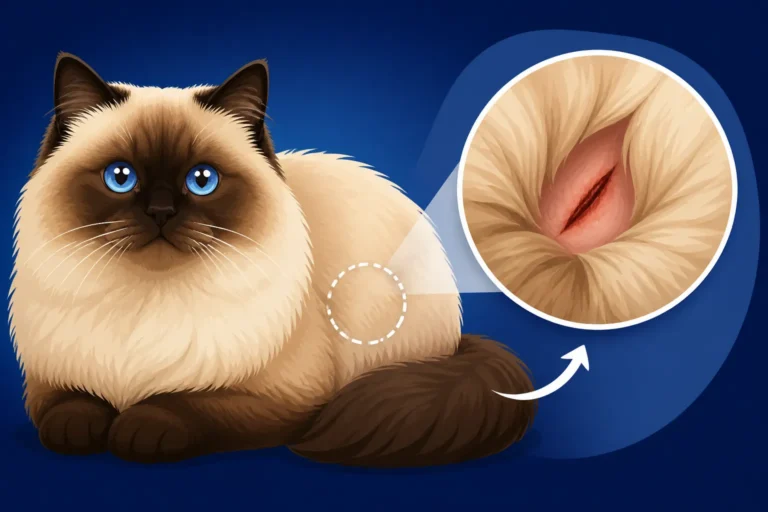
Himalayans might be laid-back, but that doesn't mean they don't need mental and physical stimulation. Their cobby build and beautiful, thick coat (Why a Himalayan's Coat Hides a Wound for Days) mean they're not built for high-intensity activity, but consistent, gentle play is vital.
- Encouraging Play: Even a few short play sessions throughout the day can make a big difference. Use wand toys, laser pointers (with a treat at the end to "catch" the dot!), or puzzle feeders that don't require them to stick their flat faces too far in. Just be mindful of how soon a Himalayan starts panting during play, as their brachycephalic (flat) faces make them prone to overheating.
- Weight Management: This cannot be stressed enough. Keeping your Himalayan at a healthy weight is the single most effective preventive measure against diabetes. Weigh them regularly and adjust their food intake accordingly. It's often difficult to feel a Himalayan's ribs through a Persian coat, so regular weight checks are key. If you notice Why a Heavy Himalayan Stops Grooming Its Points, it could be a sign they're carrying too much weight.
- Mental Stimulation: While they might not be chasing mice, engaging their minds can help burn a few extra calories and keep them happy. Interactive toys, new scents, or even just regular cuddles can contribute to their well-being.
Choosing the Right Diet
As obligate carnivores, cats thrive on diets rich in animal protein and low in carbohydrates. This is especially true for Himalayans, who are prone to a more sedentary lifestyle.
- High-Quality Wet Food: Prioritize wet food as the primary component of their diet. Look for options with meat as the first ingredient and minimal fillers or grains. This helps maintain stable blood sugar levels and supports kidney health.
- Avoid Excessive Treats: Treats are lovely for bonding, but they can quickly add up in calories and carbohydrates. Opt for freeze-dried meat treats in moderation.
- Consider Food Bowls: The shape of the bowl actually matters for a flat-faced cat. Wide, shallow bowls prevent whisker fatigue and allow them to eat more comfortably, reducing mess and ensuring they consume their full meal.
Understanding Your Cat's Unique Needs
Every cat is an individual, and while breed predispositions give us a general idea, your specific Himalayan will have its own quirks and needs. Observe them closely and tailor your care accordingly.
- Regular Vet Check-ups: Don't skip annual wellness exams. These appointments allow your vet to catch potential issues early, perform necessary blood tests (like What a Himalayan's Yearly Bloods Should Cover After Eight), and offer personalized advice on diet and lifestyle. Remember, pet insurance from providers like Healthy Paws can make these essential check-ups and any follow-up care much more manageable financially.
- Hydration: Ensure constant access to fresh, clean water. Some Himalayans prefer fountains, while others like wide, shallow bowls. Good hydration is crucial for overall health and kidney function, which can be a concern for Himalayans due to their Persian heritage.
- Grooming: A regular grooming routine (The Daily Comb a Himalayan Cannot Skip) isn't just about aesthetics; it's also a chance to examine your cat's body for any lumps, bumps, or changes in skin or coat that could indicate an underlying health issue. It's also an important ritual that builds trust and helps you stay attuned to their physical state.
By understanding the subtle nuances of their Persian background and focusing on controllable factors like diet and exercise, you can significantly reduce your Himalayan's diabetes risk and set them up for a long, joyous life as your cherished companion.
| Symptom | What it Looks Like in Your Himalayan | Why it Happens (Simplified) | Action Required |
|---|---|---|---|
| Increased Thirst | Frequently at water bowl, finishes water faster. | Body trying to flush out excess sugar. | Vet visit ASAP for diagnosis. |
| Increased Urination | More frequent litter box use, larger clumps. | Kidneys working overtime to excrete glucose. | Vet visit ASAP for diagnosis. |
| Weight Loss (with appetite) | Eating normally or more, but getting thinner. | Body breaking down fat/muscle for energy. | Vet visit ASAP for diagnosis. |
| Changes in Coat | Dull, greasy, matted fur, especially on back. | Poor overall health impacting coat quality. | Mention to vet, could be diabetes or other issue. |
| Lethargy/Weakness | More sleeping, less playing, less responsive. | Lack of energy from inability to use glucose. | Vet visit ASAP for diagnosis. |
| Increased Appetite | Begging for food more often, always hungry. | Body thinks it's starving despite eating. | Vet visit ASAP for diagnosis. |
Disclaimer
The information provided in this article is for general informational purposes only and does not constitute veterinary advice. Always consult with a qualified veterinarian for any health concerns or before making any decisions related to your pet's health and treatment.