Why a Cheap Himalayan Was Never Kidney Tested
Oh, the allure of that adorable, fluffy Himalayan kitten! It’s easy to get swept away by those big blue eyes and that sweet little face. But sometimes, when you stumble upon a price that seems almost too good to be true, a little voice in the back of your head should be whispering a warning. That bargain price tag on a Himalayan kitten often comes with a hidden cost, and more often than not, it points directly to a lack of crucial health testing, especially for Polycystic Kidney Disease (PKD). This guide is here to shed light on why a cheap Himalayan might actually cost you a fortune in heartache and vet bills down the line, and what every prospective owner really needs to know.
The Illusion of a "Bargain" Himalayan Kitten
We've all been there, scrolling through online ads or hearing about a litter of kittens from a friend of a friend. The photos are irresistible, the promise of a purebred Himalayan is exciting, and then you see the price. It's significantly lower than what you've seen from registered breeders, and suddenly, that dream cat feels within reach.
The Allure of a Lower Price Tag
It's completely understandable to be tempted by a cheaper price. Let's be honest, getting a purebred cat can be a significant upfront investment, and who doesn't love to save a buck? You might think, "Well, I don't plan to show the cat, so why do I need fancy papers?" or "Maybe this person just loves cats and isn't trying to make a huge profit." These thoughts are natural, and breeders know it. They capitalize on that desire for affordability. Perhaps they tell you the parents are "purebred but not registered" or "just pets, not for showing." These phrases are common code for skipping essential steps in responsible breeding, and the most dangerous omission is often health testing. You might even feel like you're "rescuing" a kitten by giving it a home, but inadvertently, you could be supporting practices that lead to more suffering down the line.
Red Flags: What "No Papers" Really Means
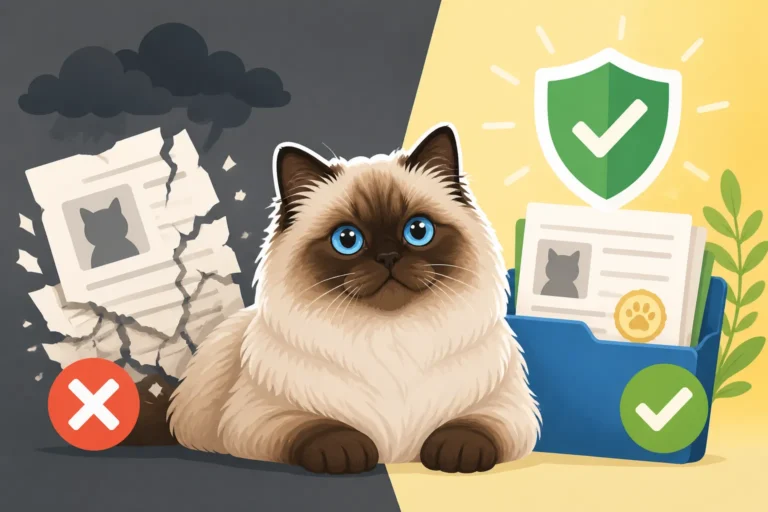
When a seller tells you a Himalayan kitten comes with "no papers" or "pet-only papers," it's not just about foregoing the glitz and glamour of cat shows. It's usually a massive red flag pointing to a complete lack of verifiable health history and genetic screening. Reputable breeders invest heavily in their lines – genetic testing, proper nutrition, clean facilities, early veterinary care for the kittens, and rigorous selection of breeding cats. This all costs money, which is reflected in their prices.
When a kitten is sold cheaply with no papers, it almost always means the breeder has skipped these vital steps. They haven't spent the money on genetic tests for the parent cats, which means they have no idea if those parents are silently passing on devastating hereditary diseases. "No papers" isn't just about a piece of paper; it’s about a missing foundation of ethical breeding practices that protect the health and longevity of your future family member. This lack of transparency should make any buyer pause and consider the potential consequences for both the kitten and their wallet.
Polycystic Kidney Disease (PKD): A Himalayan's Silent Threat
One of the most insidious and heartbreaking conditions that Himalayans, due to their Persian lineage, are prone to is Polycystic Kidney Disease, or PKD. It's a genetic ticking time bomb that can devastate a cat's health and lead to significant emotional and financial strain for owners.
What is PKD and Why It Matters for Himalayans
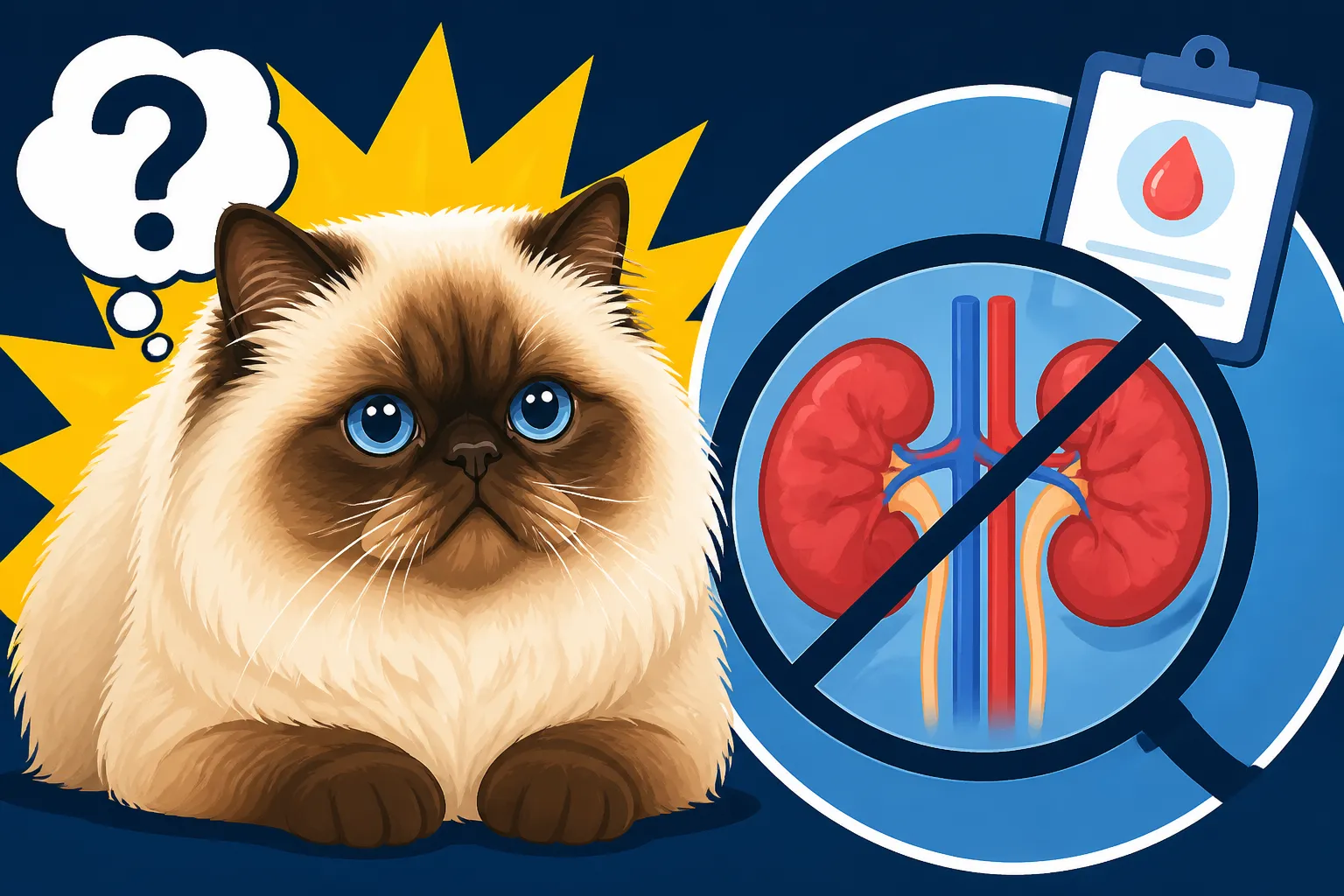
PKD is an inherited disorder that causes fluid-filled cysts to form in the kidneys. These cysts are present from birth, starting small and gradually growing larger over time, eventually crowding out healthy kidney tissue and leading to kidney failure. It's a progressive disease, meaning it gets worse with age, though the rate of progression can vary. The heartbreaking reality is that many cats won't show symptoms until the disease has advanced significantly, often around five to seven years of age, though it can manifest earlier or later. At this point, the damage is often irreversible.
For Himalayans, PKD is particularly relevant because it’s a dominant genetic trait inherited from their Persian side. This means that a kitten only needs to inherit one copy of the faulty gene from either parent to develop the disease. This is why understanding Why PKD Needs Only One Copy in a Himalayan is so crucial; even if one parent is clear, if the other carries the gene, kittens are at risk. The disease causes chronic pain, nausea, weight loss, increased thirst, and ultimately, kidney failure. It's a painful condition that no loving cat owner wants their companion to suffer through.
The Critical Role of Genetic Testing
The truly tragic aspect of PKD is that it's entirely preventable through responsible breeding. There is a simple, non-invasive DNA test available that can definitively identify if a cat carries the PKD gene. This test, usually done with a quick cheek swab, allows breeders to screen their breeding animals and ensure that they are not perpetuating this devastating disease. If a parent cat tests positive, they should absolutely not be used for breeding.
Reputable breeders will not only test their adult cats but will happily provide proof of these tests. They understand that What Testing a Himalayan for PKD and the Eyes Costs upfront is a small price to pay compared to the suffering of a kitten and the financial burden on its future family. Early screening means preventing affected kittens from being born, slowly but surely eradicating PKD from responsible lines. This is the cornerstone of ethical breeding and a fundamental right for any kitten buyer: to know their new family member has the best possible start in life, free from preventable genetic diseases.
The Long-Term Financial Burden of Untested Cats
While that cheap Himalayan might seem like a win at first glance, the true cost often becomes apparent years down the line, when the kitten has grown into an adult, and the hidden genetic issues begin to surface. These costs aren't just monetary; they're emotional too.
Unexpected Vet Bills: A Harsh Reality
Let's talk about the cold, hard cash. Diagnosing PKD once symptoms appear can be an expensive process. It starts with veterinary visits, blood work to check kidney function (creatinine, BUN, phosphorus levels), and urinalysis. The definitive diagnosis often requires an ultrasound of the kidneys to visualize the cysts and assess their size and number. Understanding How Early Cysts Show on a Himalayan's Kidney Scan is important for diagnosis, but by the time a cat is showing symptoms, the cysts are often quite large.
Once diagnosed, managing PKD involves ongoing veterinary care, which can include regular blood tests, specialized prescription diets, medications to manage symptoms like nausea and high blood pressure, and potentially even subcutaneous fluids administered at home as kidney function declines. These treatments are not one-time expenses; they are continuous for the remainder of the cat's life. A single vet visit can run into hundreds, and specialized diets, while invaluable, are significantly more expensive than standard cat food. Over the course of months or years, these bills can easily accumulate to thousands of dollars, far outweighing any initial savings on the purchase price of the kitten. This is where pet insurance, like a policy from Healthy Paws, can be a true lifesaver, helping to offset the staggering costs of managing a chronic illness. It's a safety net that many owners wish they had invested in earlier.
Specialized Care and Quality of Life Implications
Beyond the sheer financial strain, living with a PKD-positive Himalayan means a significant commitment to specialized care and, unfortunately, often witnessing a decline in your beloved cat's quality of life. As the disease progresses, your cat might experience periods of lethargy, loss of appetite, increased thirst and urination, and general malaise. You'll become intimately familiar with their kidney numbers and learn how to manage their diet meticulously. For example, a low-phosphorus, kidney-friendly diet will become essential. Retailers with home delivery can make sourcing these specialized foods much easier.
The emotional toll on an owner is immense. Watching your cat suffer, knowing there's no cure, and simply managing symptoms as best you can, is heartbreaking. It can mean frequent trips to the vet, administering medication, and making difficult decisions about palliative care. For more on this, you might find solace in reading about Living With a Himalayan That Inherited the Persian Kidney Gene. The initial dream of a playful, long-lived companion can be overshadowed by the constant worry and the eventual reality of a shortened lifespan and chronic illness. This is the true, hidden cost of a "cheap" kitten from an untested line.
| Feature / Consideration | "Bargain" Himalayan (Untested) | Responsible Breeder Himalayan (Tested) |
|---|---|---|
| Initial Purchase Price | Lower (e.g., $500-$1000) | Higher (e.g., $1500-$3000+) |
| PKD Testing of Parents | Unlikely or undocumented | Guaranteed, documented, negative results |
| Pedigree/Papers | "No papers" or "pet-only" | Full pedigree, registration papers |
| Health Guarantee | Minimal or non-existent | Comprehensive, often covering genetic issues |
| Lifetime Vet Costs | Potentially very high for PKD/other genetic issues | Generally lower for preventable genetic issues |
| Specialized Diet Needs | Likely for PKD management | Less likely for genetic conditions, only if other issues arise |
| Emotional Toll | High, due to managing chronic illness | Lower, greater peace of mind about genetic health |
| Longevity | Potentially shortened by PKD | Full, healthy lifespan more probable |
| Breeder Support | Often non-existent after sale | Ongoing support and advice |
The Ethical Imperative of Responsible Breeding
Responsible breeding isn't just a fancy term; it's a commitment to the health, welfare, and future of an entire breed. It’s about more than just mating two cats; it's about making informed decisions based on genetics, health screening, and temperament.
What a Reputable Breeder Provides
A reputable Himalayan breeder is transparent and proactive. They are passionate about the breed and dedicated to producing healthy, well-socialized kittens. This means they will conduct all recommended health screenings for their breeding cats, including genetic tests for PKD and often ophthalmic exams for progressive retinal atrophy (PRA), another inherited condition. They will have documented proof of these tests, and they will be eager to share them with you. Don't be shy about asking to see certificates and even contacting their veterinarian for verification. This kind of transparency is a hallmark of an ethical breeder. You should understand How to Read a Himalayan's PKD Certificate thoroughly.
Furthermore, a good breeder will provide a comprehensive contract that outlines health guarantees, spay/neuter agreements for pet kittens, and their responsibilities to you as the buyer. They will socialize their kittens, provide initial vaccinations and deworming, and ensure the kittens are at an appropriate age (usually 12-16 weeks) before going to their new homes. They will also be a lifelong resource, offering advice and support long after you take your kitten home. This level of care and commitment is what you're paying for with a higher initial price, and it's invaluable.
Why the Investment in a Tested Kitten Pays Off
While the upfront cost of a Himalayan kitten from a reputable, health-tested breeder might seem significant, it truly is an investment in peace of mind and the long-term health of your companion. You're not just buying a cat; you're buying decades of responsible breeding practices designed to minimize the risk of devastating genetic diseases. You're buying the assurance that your kitten has the best possible chance at a long, healthy, and happy life, free from the suffering and chronic care associated with conditions like PKD.
Consider it a down payment on a healthier future. The few hundred or even thousand dollars extra you spend initially can save you thousands upon thousands in vet bills, specialized diets, and the emotional anguish of watching your cat decline from a preventable disease. This investment allows you to focus on loving and enjoying your Himalayan, rather than constantly worrying about its health. Ultimately, it contributes to the overall health and integrity of the breed, ensuring that future generations of Himalayans are healthier and more robust. This is also why understanding How Many Years a Himalayan From Tested Lines Lives is reassuring – you're paying for longevity and quality of life.
Empowering Yourself as a Prospective Himalayan Owner
Choosing a new kitten is a huge decision, filled with excitement and anticipation. But it’s also a time for careful due diligence. You have the power to protect yourself and your future pet from preventable heartbreak by asking the right questions and knowing what to look for.
Essential Questions to Ask Any Breeder
When you're speaking with a potential breeder, don't be afraid to ask direct, pointed questions. A reputable breeder will welcome them and be happy to provide answers and documentation.
Here’s a checklist of non-negotiable questions:
- "Can I see the health test results for both parent cats, specifically for PKD (Polycystic Kidney Disease)?" Insist on seeing official veterinary documentation or certificates from a recognized laboratory. Don't accept vague assurances.
- "What other genetic tests or health screenings do you perform on your breeding cats (e.g., PRA, HCM)?" Even if these aren't as prevalent as PKD, a thorough breeder will test for a range of potential issues.
- "Can I see the kitten's pedigree, and is it registered with a recognized cat association (like CFA or TICA)?" This confirms lineage and generally indicates a breeder who adheres to breed standards and ethical practices.
- "What is your health guarantee, and is it in writing?" A solid health guarantee should cover genetic defects for a reasonable period, often a year or more.
- "Can I visit your cattery and meet the parent cats?" Observing the living conditions and the temperament of the parents is incredibly insightful. Be wary of breeders who only offer "curbside pickup" or insist on meeting in public places.
- "At what age do you send kittens home, and what veterinary care have they received?" Kittens should be at least 12 weeks old, fully weaned, litter-trained, and have had their first vaccinations and deworming.
- "What is your policy if a kitten develops a genetic health issue later on?" A good breeder will stand by their animals and offer solutions, whether it's a refund or another kitten.
If a breeder hesitates, becomes defensive, or cannot provide satisfactory answers and documentation, walk away. It's truly not worth the risk. For more guidance on difficult situations, consider What to Do If a Himalayan Breeder Hides Test Results.
Verifying Health Claims and Pedigree
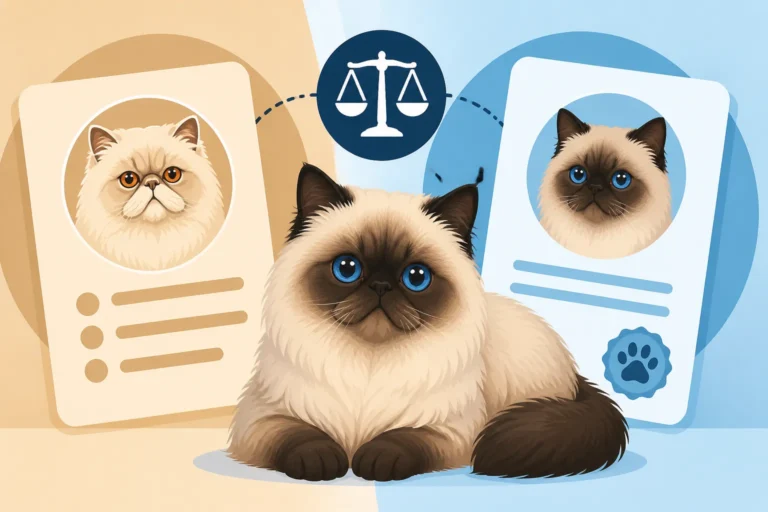
It's not enough just to ask; you need to verify. When a breeder shows you a PKD certificate, take a moment to look at it closely. Does it have the official lab logo? Does it clearly state the registered names of the parent cats (matching their pedigree)? Is the date current? You can often cross-reference the registered names with the cat association's online database to confirm registration and sometimes even health clearances if they are publicly recorded. Understanding Why the Persian Kidney Test Belongs on Himalayan Papers highlights the importance of this documentation.
Don't be afraid to ask for the contact information of their veterinarian, with the breeder's permission, to confirm routine care and health screenings. This might seem like a lot of work, but remember, you are potentially committing to 15 or more years with this animal, and the health foundation laid by the breeder is paramount. An ounce of prevention (and verification) is worth a pound of cure. Taking these steps is the best way to ensure that your new Himalayan companion will be a source of joy, not a continuous stream of unexpected vet visits and heartache.
Disclaimer
This article is for general informational purposes only and does not constitute professional advice. Laws, prices and regulations vary by location and change over time. Consult a qualified professional for guidance on your specific situation.