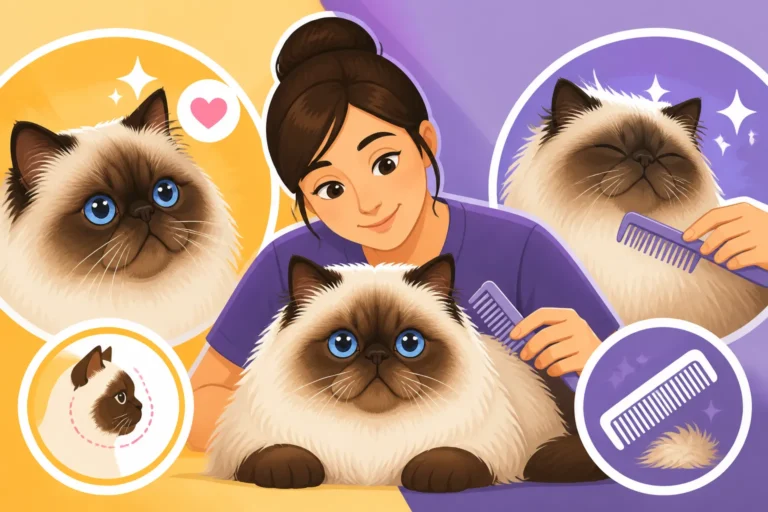
Why a Himalayan Breeder Asks How Much Time You Have
It’s a moment many aspiring cat parents experience: you’re chatting with a Himalayan breeder, completely smitten by the photos of their fluffy, blue-eyed kittens, and then they ask, "How much time do you have for a cat every day?" It often catches people off guard because while we tend to focus on the financial investment of a purebred cat, the daily commitment of a Himalayan often goes underestimated. This guide will delve into the specific reasons why that question is so crucial, breaking down the daily, weekly, and even yearly time commitments these gorgeous felines require to thrive.
The Daily Grooming Ritual a Himalayan Demands
Let's be real: that luxurious, flowing coat of a Himalayan isn't just for show. It's a full-time job, not just for the cat, but for you! Many prospective owners envision a quick brush here and there, but a Himalayan's coat, inherited from its Persian lineage, is dense, long, and has a copious undercoat. This combination is a magnet for tangles and mats if not attended to meticulously.
Imagine this scenario: you've had a long day at work, you're tired, and all you want to do is relax. But your Himalayan is patiently, or perhaps not so patiently, waiting for their daily comb-out. Skipping even one day can lead to the beginnings of mats, especially in those sensitive areas like behind the ears, under the armpits, and in the "britches" around their hind legs. These aren't just cosmetic issues; mats can pull on the skin, causing pain, irritation, and even skin infections if left unchecked. A good, sturdy steel comb is your best friend here, working through the layers down to the skin. It's a commitment that typically adds 15-30 minutes to your daily routine, depending on the cat's individual coat density and cooperation level. You'll soon discover The Daily Comb a Himalayan Cannot Skip is not a suggestion, but a necessity. The breeder isn't trying to scare you; they're trying to ensure their kitten finds a home where its fundamental needs will be met.
The Essential Daily Face and Eye Care
Beyond the magnificent coat, a Himalayan's distinctive flat face, or "Peke face," presents another set of daily care requirements. While incredibly endearing, this facial structure often leads to tear staining and can make them more prone to certain eye and respiratory issues. Those big, round, expressive blue eyes tend to water, leaving streaks down their lighter-colored fur. On a cream-bodied Himalayan, these stains can be particularly noticeable and, if left, can turn a rusty reddish-brown color due to porphyrins in the tears and bacterial growth.
This means a gentle, daily facial wipe is non-negotiable. You'll need soft, lint-free pads or cotton balls, and often a vet-approved saline solution or specific tear stain remover formulated for sensitive eyes. It’s not just about aesthetics; keeping the area clean prevents irritation and potential skin infections in the delicate folds around their nose and eyes. The Morning Face Routine Every Himalayan Needs is vital. It’s an intimate moment of care, bonding you with your cat while preventing discomfort. This routine alone can take another 5-10 minutes each day. The breeder wants to know if you're prepared to integrate this consistent, gentle cleaning into your life, ensuring your Himalayan remains comfortable and healthy, not just pretty.
Proactive Health Monitoring and Veterinary Commitments
While Himalayans are generally robust cats, their unique conformation can predispose them to certain health considerations, making attentive monitoring a significant part of your time commitment. Beyond the daily grooming and face wipes, you'll spend time simply observing your cat, learning their normal behaviors, and noticing any subtle changes that might indicate a problem. Their flattened faces, while adorable, can mean they snore louder than other cats, and you'll need to know When a Himalayan's Open Mouth Breathing Needs a Vet.
Dental health is another area that requires extra vigilance. Due to their shortened jaws, Himalayans often have crowded teeth, which makes them more prone to dental disease. Regular tooth brushing, if your cat tolerates it, is ideal, but at a minimum, you’ll need to schedule regular veterinary check-ups for professional cleanings. This isn't just a yearly vet visit; it might involve more frequent dentals or discussions with your vet about preventative care. Many owners find value in pet insurance providers like Healthy Paws, knowing that the potential for these breed-specific health needs is covered, easing the financial burden and allowing them to focus on providing the necessary care without hesitation. Regular monitoring for weight gain is also crucial, as their cobby build and often sedentary lifestyle can quickly lead to obesity, which exacerbates breathing issues and joint problems. How a Himalayan Is Swabbed for the Persian Kidney Gene is another test you'll need to be aware of, as Polycystic Kidney Disease (PKD) is a concern passed down from their Persian ancestry. While responsible breeders test for this, ongoing care requires awareness.
| Aspect of Care | Daily Time Commitment (Estimate) | Weekly Time Commitment (Estimate) | Annual Commitments |
|---|---|---|---|
| Grooming (Combing) | 15-30 minutes | 1.75 – 3.5 hours | Occasional professional groomer visits (e.g., lion cut in summer), bathing as needed. |
| Face & Eye Cleaning | 5-10 minutes | 35 – 70 minutes | Monitoring for infections, vet checks for tear duct blockages. |
| Feeding & Water | 5 minutes (active feeding) | 35 minutes | Shopping for specialized food, monitoring intake/appetite. |
| Litter Box scooping | 5 minutes | 35 minutes | Full litter box changes, supply runs. |
| Play & Companionship | 15-30 minutes (active play) | 1.75 – 3.5 hours | Observing behavior for changes, managing environmental enrichment. |
| Health Monitoring | Ongoing observation | Spot checks (claws, ears) | Annual vet exams, vaccinations, potential dental cleanings, genetic test follow-ups. |
| Total Daily (Approx.) | 45-80 minutes | 5.25 – 9.3 hours | Significant time for vet visits, grooming appointments, supply runs. |
The Need for Consistent Companionship and Engagement
Himalayans, despite their calm and regal demeanor, are not aloof cats. They are renowned for their affectionate nature and desire for companionship. While they might not be scaling bookshelves or tearing through the house like a Siamese, they absolutely thrive on interaction with their people. They are often described as "lap cats" and will seek out warmth and proximity, often following their favorite person from room to room. The Himalayan Is a Lap Cat That Answers Back describes their loving nature perfectly.
This means dedicating time for petting, gentle play, and simply being present with them. They love a good snuggle on the sofa or a quiet session with a wand toy that encourages batting rather than high-speed chases. A breeder asking about your time isn't just thinking about grooming; they're considering the emotional well-being of the cat. A Himalayan left alone for long stretches without human interaction can become withdrawn or even anxious, despite their seemingly placid nature. They might not tear up the house, but they might stop eating as well, or become prone to stress-related issues. They notice when their routine breaks, and they appreciate predictability and consistent attention. Providing a comfortable environment, with low cat trees (since The Height a Himalayan Decides Is Not Worth It), cozy beds, and perhaps a curated selection of food, shows you've considered their unique needs for comfort and accessibility.
Preparing for the Unexpected and the Long Term
The question of "how much time" also touches on your preparedness for the unexpected. What if your Himalayan suddenly seems off? Its thick coat can hide wounds or skin issues for days, and its stoic Persian nature might mean it hides illness, so you'll need to be diligent in checking them over daily. Why a Himalayan's Coat Hides a Wound for Days is a real concern. What if a tear duct gets blocked and requires daily medication for a week? Or an eye infection needs frequent drops? These situations demand not just financial resources but a significant investment of your time and patience.
Furthermore, Himalayans are a long-lived breed, often gracing our homes for 12 to 15 years, and sometimes even longer. The Nine to Fifteen Years a Himalayan Usually Gets is a beautiful commitment, but it’s a long commitment. As they age, their needs might change. An older Himalayan might struggle to groom itself as effectively, meaning you'll need to dedicate even more time to prevent mats. Their eyesight might dim, requiring you to make adjustments around the house and provide more vocal reassurance. Their dental issues might become more pronounced, leading to more frequent vet visits. The breeder wants to ensure that you are ready for this full lifecycle commitment, understanding that the time you invest will fluctuate but always remain substantial. It’s about ensuring these magnificent creatures receive the dedicated care they deserve throughout their entire lives, from playful kittenhood to their golden years.
Disclaimer
This article is for general informational purposes only and does not constitute professional advice. Laws, prices and regulations vary by location and change over time. Consult a qualified professional for guidance on your specific situation.