What a Retired Himalayan Queen Costs From a Cattery
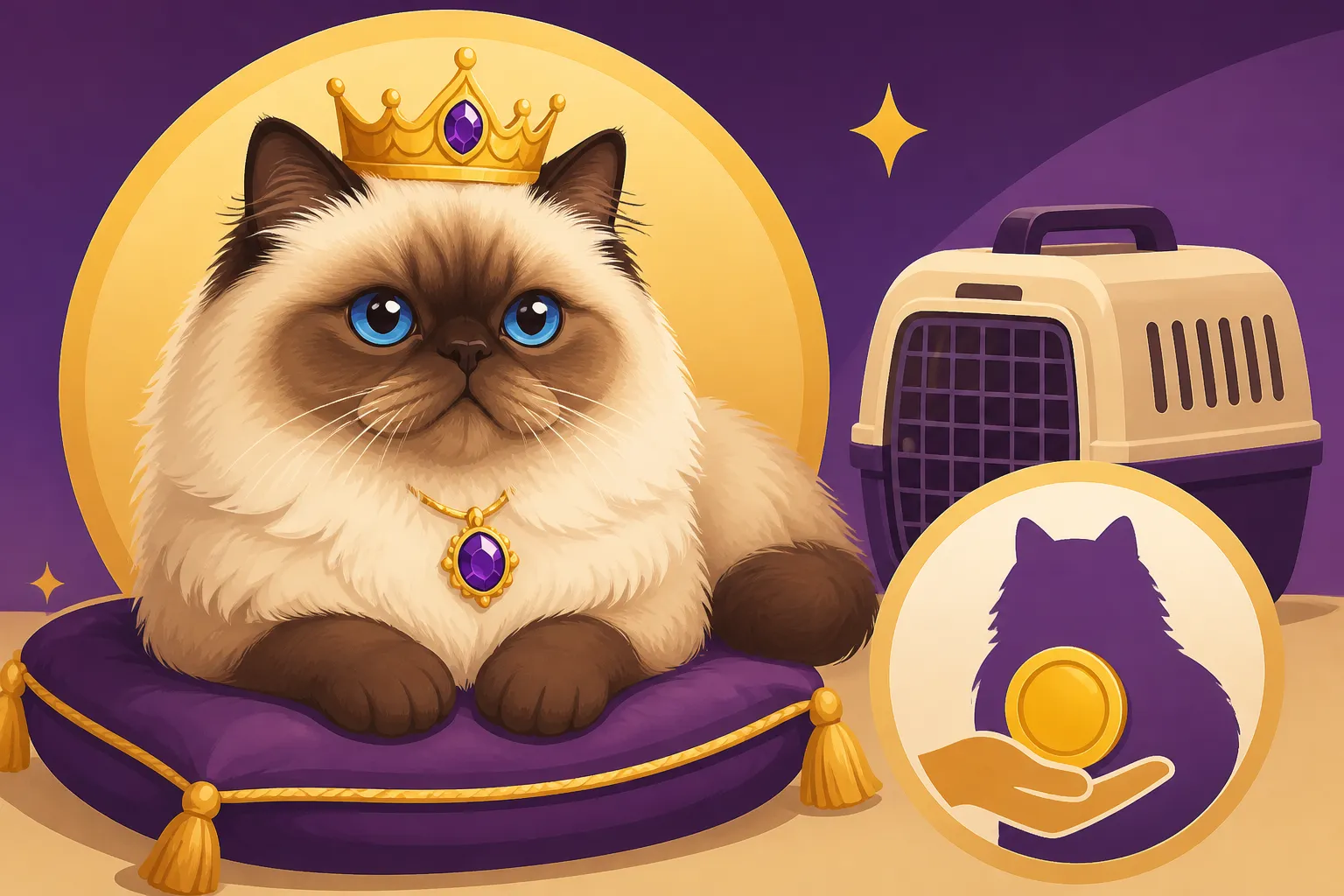
The idea of bringing home a sweet, seasoned Himalayan queen, retired from her breeding days, often sparks joy and a gentle curiosity about what that truly entails. Many people envision a graceful, calm companion who has outgrown the boisterous kitten phase, and they're absolutely right about the temperament. However, a common misconception is that a retired queen from a reputable cattery might come at a minimal cost, perhaps just a rehoming fee, simply because she's no longer breeding. The reality is a little more nuanced, and understanding the true value and ongoing expenses involved is key to making sure both you and your new feline friend thrive. This guide will walk you through the unique financial and lifestyle considerations of adopting a retired Himalayan queen from a cattery, ensuring you're fully prepared for this wonderful addition to your family.
The Initial Price Tag of a Retired Queen
It's natural to assume that an older cat, no longer contributing to a breeding program, would be significantly less expensive than a prized show kitten. While the initial purchase price might indeed be lower than a top-tier kitten, it’s rarely a negligible sum, and there are very good reasons for this.
Why "Retired" Doesn't Always Mean "Free"
A breeder's decision to retire a queen isn't about discarding an animal; it's a careful choice made for her welfare and to maintain the quality of their lines. Before a Himalayan queen ever reaches retirement, her breeder has invested a tremendous amount of time, effort, and money into her. This isn't just her initial purchase price as a kitten, but years of meticulous care. Think about all the specialized food, regular veterinary check-ups, necessary vaccinations, and preventative care she's received. She's been groomed daily, often shown to championship titles, and has had extensive health screenings to ensure she's free from hereditary conditions. For instance, any reputable breeder will have tested for Polycystic Kidney Disease (PKD), which is vital for the breed. How a Himalayan Is Swabbed for the Persian Kidney Gene is a crucial part of ensuring a healthy lineage.
These cats often have a known, well-documented pedigree, sometimes including champion titles. The breeder has also incurred significant costs for any litters she may have had, from stud fees to kitten care. When a cattery offers a retired queen, they are effectively offering a cat with a known history, proven health, and a thoroughly developed personality – not a project cat that needs extensive rehabilitation. This long-term investment is naturally reflected in her rehoming fee.
Factors Influencing the Purchase Price
Several elements play into how a cattery prices a retired Himalayan queen. It's not a one-size-fits-all situation, and breeders will consider different aspects based on their specific program and the individual cat.
Firstly, her lineage and show career can still carry weight. Even if she's no longer competing, a queen from a champion bloodline, or one who herself achieved Grand Champion status, represents a certain level of quality and genetic excellence. This heritage is something you're benefiting from. Secondly, her age matters. A queen retired at four or five years old, still relatively young and spry, might command a higher price than one retired at eight or nine. The breeder expects her to have many more healthy years ahead, offering a longer companionship.
Her overall health status is also paramount. A queen who has consistently tested clear for genetic diseases, has a pristine dental history, and no chronic conditions will naturally be valued differently than one who might have an ongoing, though manageable, health concern. Breeders are often transparent about these things, providing all her veterinary records and genetic test results. Finally, her temperament is a huge factor. A calm, affectionate, well-socialized queen who loves laps and gets along with other pets is incredibly valuable. You're getting a cat whose personality is already fully formed and proven. This means less guesswork for you as a new owner, which is a huge benefit for families seeking a predictable, loving companion.
What's Included and What Isn't
When you bring home a retired Himalayan queen from a reputable cattery, you can expect a comprehensive package of documentation and care items. Typically, she will already be spayed, which is a significant cost you won't have to bear. She will be up-to-date on all her vaccinations, worming, and flea treatments. You'll receive her full health records, including genetic testing results (like the all-important PKD test) and proof of her microchip registration. Many breeders will also send her home with a small starter pack of her current food, a few familiar toys, and perhaps a blanket that smells like her old home to ease her transition.
What isn't included, and this is crucial, are the ongoing costs of her care. While her initial health has been thoroughly vetted, she will still require annual veterinary check-ups, future vaccinations, dental cleanings, and any age-related care that may arise down the line. Her diet, grooming supplies, and any special comforts she needs will also be your responsibility. This transition marks the point where her lifelong care becomes your joyful commitment.
Ongoing Health and Grooming Costs
Bringing home a retired queen means welcoming an adult cat, and with that comes a different set of ongoing responsibilities and potential expenses compared to a kitten. It's about maintaining her established health and managing the unique needs of her magnificent breed.
Managing Health Needs as She Ages
Even the healthiest retired Himalayan queen is, by definition, an adult cat, and as she matures, certain age-related health considerations become more prominent. While a reputable breeder provides a solid foundation with excellent care and health testing, cats don't come with lifetime guarantees. Dental health is a common concern in many cat breeds, and Himalayans, with their charmingly shortened jaws, can be particularly prone to dental issues. Regular dental check-ups and cleanings, potentially under anesthesia, might be necessary. Arthritis can also become a factor as she moves into her senior years, even for a cat as sedate as a Himalayan, which may require joint supplements or pain management.
Kidney function is another area to monitor carefully, especially given the Persian heritage. Which Blood Values a Himalayan's Kidney History Demands will be part of her routine senior blood panels, allowing your vet to track her kidney health over time. While modern genetic testing has drastically reduced the incidence of hereditary PKD, older cats can still experience kidney decline. This might mean prescription diets or other supportive care later in life. Having pet insurance, such as a plan from Healthy Paws, can be an absolute lifesaver for managing unexpected vet bills or ongoing conditions as your queen ages gracefully. It provides peace of mind that you can offer the best care without financial strain.
The Realities of Her Glorious Coat
Ah, the Himalayan coat – a true marvel, but also a significant commitment! Your retired queen will still have that breathtaking, long, dense double coat, a legacy from her Persian ancestors. This isn't a "wash and wear" kind of coat; it demands daily attention. What Daily Combing Costs a Himalayan Owner in Time is not just about a few minutes; it's a dedicated ritual to prevent painful mats from forming. As a cat ages, she might become less flexible, making it harder for her to groom herself effectively, particularly around her britches, underarms, and lower back. This means you might need to step up your grooming game, or even consider professional help.
You'll need quality grooming tools: a good steel comb with both wide and fine teeth, a slicker brush, and perhaps a dematting tool. These are initial investments, but they last. If mats do become an issue, a trip to a professional groomer for a "lion cut" might be necessary, often under sedation if the mats are severe. This is not just for aesthetics; severe mats can pull on the skin, cause discomfort, hide skin infections, and generally make life miserable for your cat. Many owners find it convenient to order their regular grooming supplies, like specialized shampoos or even a new comb, from online retailers like Chewy, ensuring they always have what they need on hand. And don't forget the face – a Himalayan's flat face often requires daily wiping to prevent tear stains and skin irritation.
Specialized Dietary Needs
Your retired queen's diet is another area where costs can vary. A cat transitioning from a breeding program to a calmer, retirement lifestyle may need her caloric intake adjusted to prevent weight gain, especially since Himalayans are naturally quite sedentary. How Few Calories a Himalayan Burns Sitting in One Chair compared to a more active breed is surprisingly low. She might also benefit from specific senior formulas designed for aging cats, which often include ingredients to support joint health, kidney function, and cognitive sharpness.
Beyond age-specific diets, her unique facial structure dictates certain feeding requirements. A flat-faced cat can struggle with deep bowls or certain kibble shapes. You might find you need to invest in wider, shallower bowls, or even specialized slow feeders to make eating more comfortable for her. Which Bowl Shape a Flat Faced Himalayan Can Use can make a huge difference in her comfort and cleanliness at mealtime. Many owners find success with high-quality wet food or even fresh, human-grade food options. While these can be more expensive than conventional kibble, they are often easier for a flat-faced cat to eat and can provide superior hydration and nutrition, especially important for kidney health. Discussing her dietary needs with your vet and breeder will help you create a meal plan that keeps her healthy and happy for years to come.
The Intangible Value and Considerations
While the financial aspects are important, the true cost of a retired Himalayan queen is often outweighed by the intangible benefits she brings into your home. This isn't just about money; it's about the unique companionship and joy she offers.
The Gift of a Proven Temperament
One of the most significant advantages of adopting a retired queen is that you're not bringing home an unknown entity. Unlike a kitten, whose personality is still developing, an adult cat's temperament is well-established. Your breeder can tell you exactly what kind of cat she is: is she a demanding talker or a quiet observer? Does she enjoy laps and cuddles, or is she more content to observe from a nearby chair? The Himalayan Is a Lap Cat That Answers Back is a wonderfully accurate description for many of these affectionate, yet opinionated, felines.
This means you can choose a cat whose personality genuinely matches your lifestyle. You'll know if she's good with children (if any), other pets, or if she prefers a quiet, single-person household. There's less guesswork, fewer surprises, and often a much smoother integration into your home. She's typically already litter-trained, well-socialized, and past the "kitten destruction" phase, which can be a huge relief for many busy households.
Adapting to Her New Home
Even with a proven temperament, any cat moving to a new environment needs time to adjust. Your retired queen has likely spent her entire life in a cattery setting, which, while loving and stable, is different from a typical home. She needs patience, understanding, and a consistent routine to feel secure. Initially, she might be shy or reserved, finding a quiet corner to observe her new surroundings. This is completely normal.
Creating a safe, quiet space for her – perhaps a spare room or a large crate with her bed, food, water, and litter box – can help her acclimate. Gradually introduce her to other parts of the house and family members. Himalayans thrive on routine, so consistent meal times, grooming sessions, and quiet interaction will help her settle in. Why a Himalayan Notices When One Chair Moves illustrates just how attuned these cats are to their environment and routine, so any changes, even subtle ones, can take a bit of adjustment.
The Emotional Reward
Ultimately, adopting a retired Himalayan queen is a deeply rewarding experience. You are providing a loving, peaceful retirement home for a cat who has spent years contributing to a breed she loves. These cats have given their best, and now they deserve to be cherished for their own sake, as beloved companions.
The bond you form with an older cat is often profound. They seem to understand and appreciate the comfort and security you offer. They bring a quiet elegance and steady presence to your home. While a kitten offers boundless energy and adorable antics, a retired queen offers wisdom, calm, and an immediate sense of established companionship. This isn't just a transaction; it's an adoption of a family member, and the emotional return on that investment is priceless.
The Investment Table: Retired Queen vs. Kitten
To give you a clearer picture, here’s a quick overview contrasting the typical costs and considerations for a retired Himalayan queen versus a new kitten. Keep in mind that specific figures vary wildly, so this table focuses on the shape of the costs.
| Feature | Retired Himalayan Queen (from Cattery) | Himalayan Kitten (from Cattery) |
|---|---|---|
| Initial Purchase | Moderate to High (Reflects breeder investment, known health/temperament, spay) | High (Reflects breeding lines, potential show quality, demand for kittens) |
| Spay/Neuter | Usually already done by breeder (Included in purchase price) | Required by new owner around 6 months (Additional cost) |
| Initial Vet Visit | Standard check-up, review records. May need senior-specific blood work earlier. | Wellness check, first vaccines (if not done by breeder), deworming. |
| Health Records | Comprehensive, lifelong history available, including genetic testing (PKD, etc.). Known health baseline. | Parents' health records provided. Kitten's early records, but genetic predisposition for some issues only shows later. |
| Temperament | Fully developed, known personality. Less guesswork, easier integration into suitable home. | Developing personality. Will become clearer as they mature. |
| Grooming Needs | High maintenance, daily combing. Might need professional help if less flexible. | High maintenance, daily combing. Need to establish routine early. What a Himalayan Kitten Has Had Done Before Its Points Set prepares them. |
| Dietary Needs | May require senior formulas, specialized bowls for flat face. Portion control crucial to prevent weight gain. | Growth formulas, potentially higher caloric intake. Introduce varied textures early. |
| Training | Fully litter-trained, generally well-behaved. Less prone to destructive kitten behaviors. | Needs consistent litter training and socialization. Learning boundaries. |
| Lifespan Expectation | Mid to senior years remaining (e.g., 5-10+ years depending on age at adoption). | Full lifespan expected (e.g., 10-15+ years). The Nine to Fifteen Years a Himalayan Usually Gets is a good guide. |
| Emotional Bond | Deep, grateful bond; satisfaction of providing a loving retirement. | Joy of watching them grow; developing bond from a young age. |
| Pet Insurance | Highly recommended for age-related conditions. Consider plans like Healthy Paws. | Recommended for unexpected accidents/illnesses in formative years. |
As you can see, the initial outlay for a retired queen might sometimes be comparable, or even less, than a young kitten, but the type of ongoing care shifts. You trade the "unknowns" of kittenhood for the "knowns" of an adult cat, often with specific, manageable needs.
In closing, adopting a retired Himalayan queen is a truly special opportunity to welcome a seasoned, loving companion into your life. While the initial costs reflect the substantial investment a reputable cattery makes in their breeding program, and ongoing care requires commitment to her specific needs (like grooming and potential age-related health management), the rewards are immense. You're not just buying a cat; you're adopting a distinguished, gentle soul with a known history and a proven heart. Engage openly with breeders, ask about her health history and personality, and prepare to provide a calm, loving home for her golden years. It's a journey filled with purrs, quiet companionship, and the undeniable charm of a truly magnificent cat.
Disclaimer
This article is for general informational purposes only and does not constitute professional advice. Laws, prices and regulations vary by location and change over time. Consult a qualified professional for guidance on your specific situation.