Why a Himalayan’s Coat Cannot Survive Outdoors
A Himalayan cat coat collects outdoor debris and mats quickly, causing skin infections, pain, and dangerous medical emergencies.

A Himalayan cat coat collects outdoor debris and mats quickly, causing skin infections, pain, and dangerous medical emergencies.
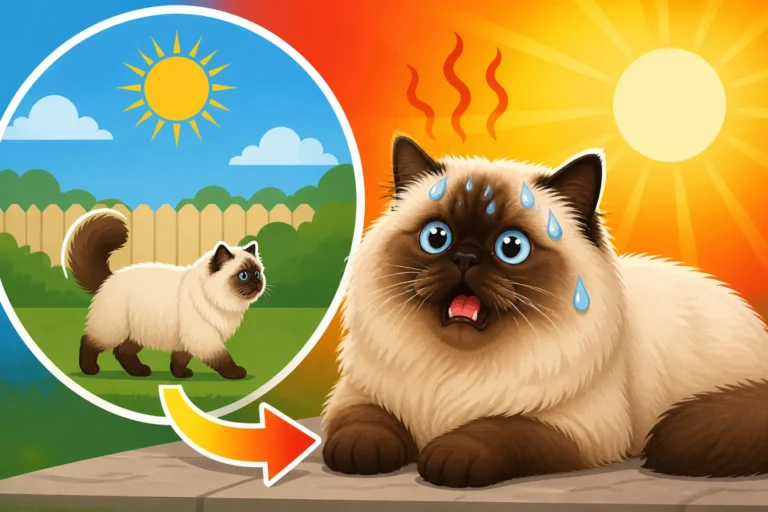
Himalayan cat overheating risks and causes, including dense double coats and flattened facial structures that trap body heat.
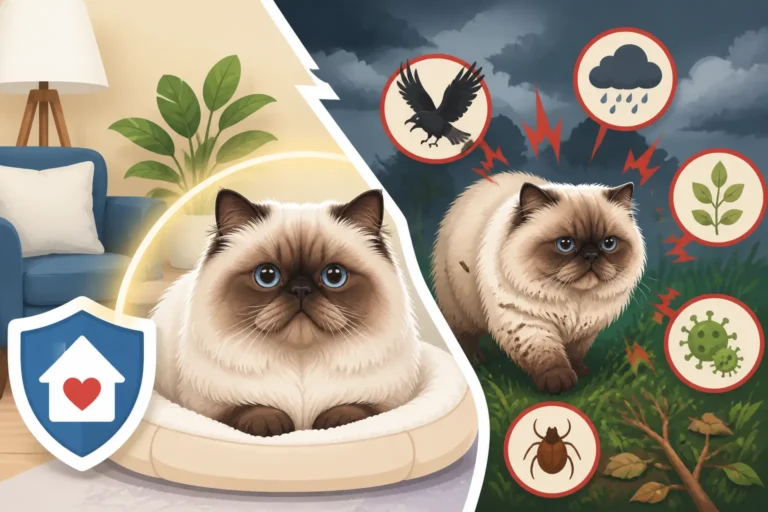
Outdoor hazards and coat damage from sunlight and mud explain why a Himalayan cat requires strict indoor living for safety.
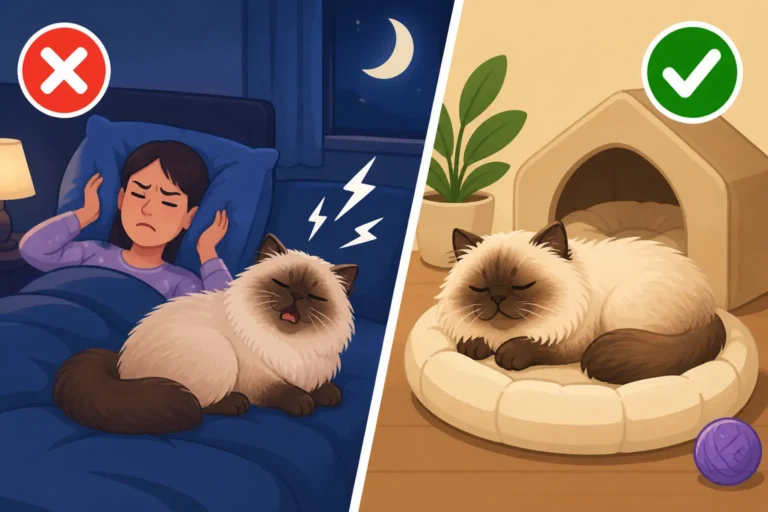
Himalayan cat snoring caused by flat facial anatomy, restricted airways, and long soft palates, plus tips to manage bedroom sleep disruptions.

Himalayan cats sleep on owner chests to absorb body heat, find a soft padded nest, and feel the reassurance of steady heartbeats.

Himalayan cat routines captured on pet cameras reveal low activity levels, limited territory mapping, and extended napping.

Transforming one room into a safe sanctuary helps your lonely Himalayan cat stay comfortable, calm, and secure during the day.

Himalayan cat compatibility with working lifestyles, explaining their intelligent temperament, routines, and daily care requirements.
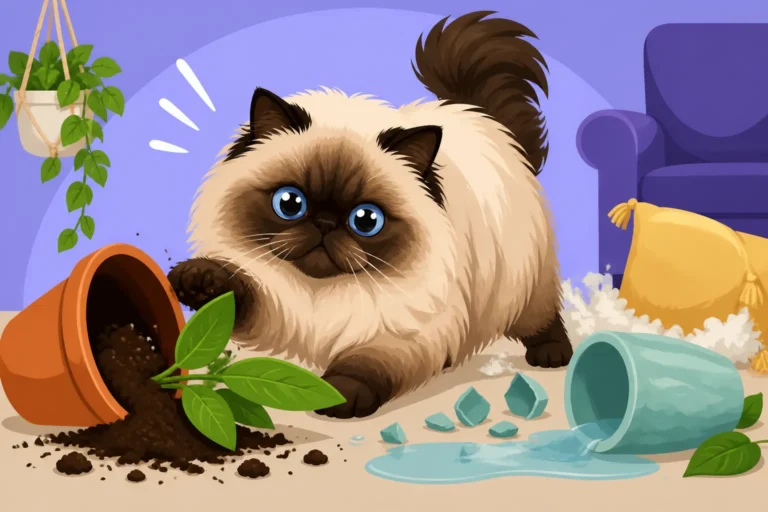
Himalayan cat boredom reveals itself through subtle behavioral clues that help owners prevent inconvenient habits in calm pets.
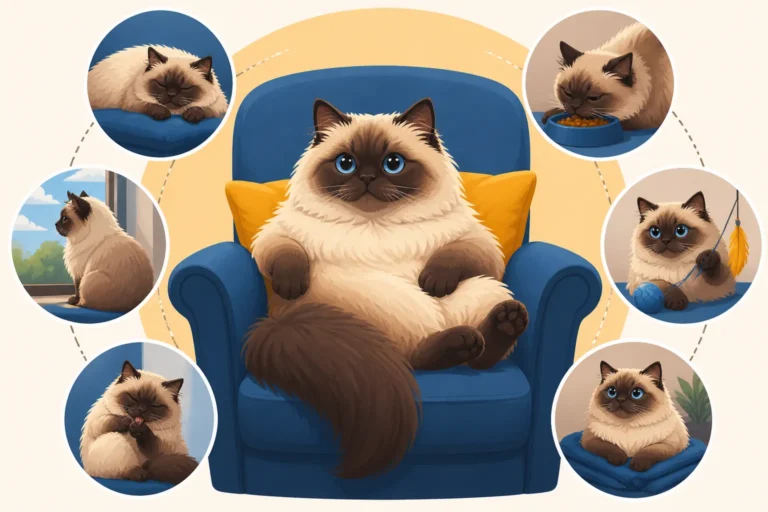
Himalayan cat genetics and a heavy cobby frame explain why this sedentary breed spends all day resting on one favorite chair.