Why a Tortie Point Himalayan Is Always Female
Tortie point Himalayan cats are exclusively female because the orange coat color gene is located only on the X chromosome.
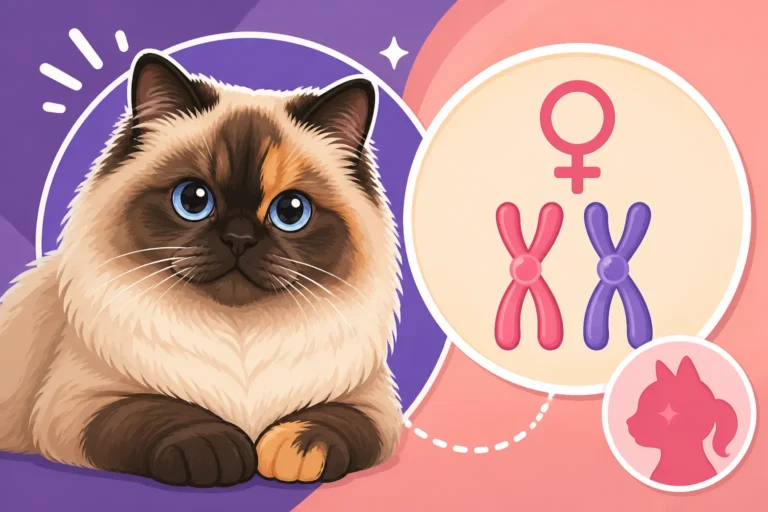
Tortie point Himalayan cats are exclusively female because the orange coat color gene is located only on the X chromosome.
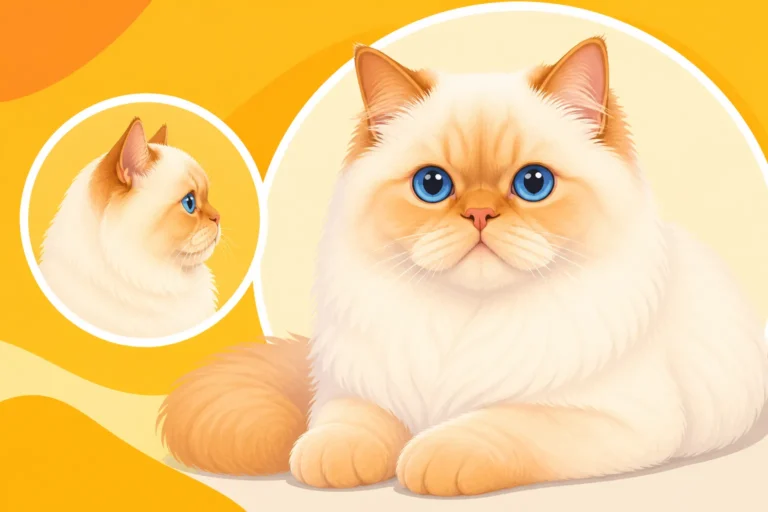
Flame Point Himalayan physical traits, featuring coppery orange points, a creamy white body, and rosy nose leather.
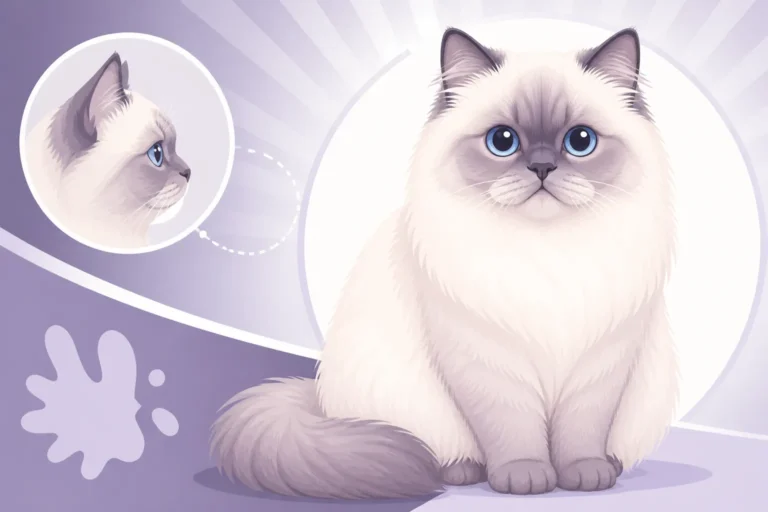
The temperature-sensitive tyrosinase gene and recessive genes explain why lilac point Himalayan cats display the palest coat.
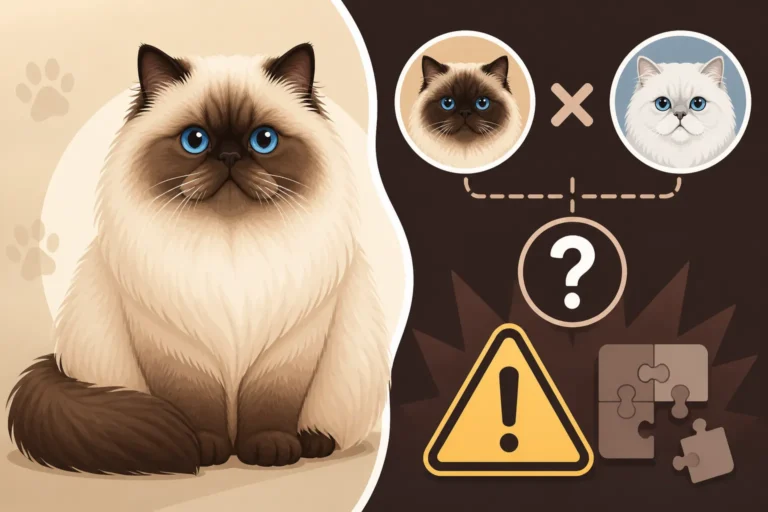
Chocolate Point Himalayan breeding requires combining recessive chocolate and pointed genes, creating complex genetic hurdles.
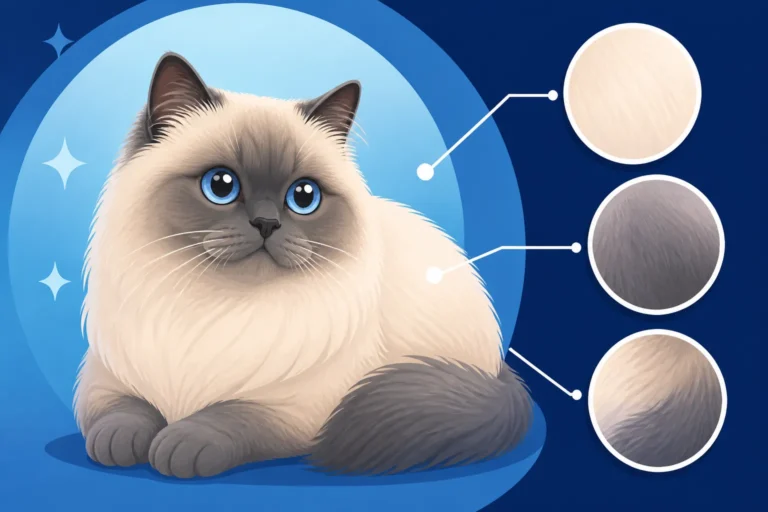
Blue Point Himalayan cat coats reveal health, diet, and temperature effects through color contrast and dense double coat textures.
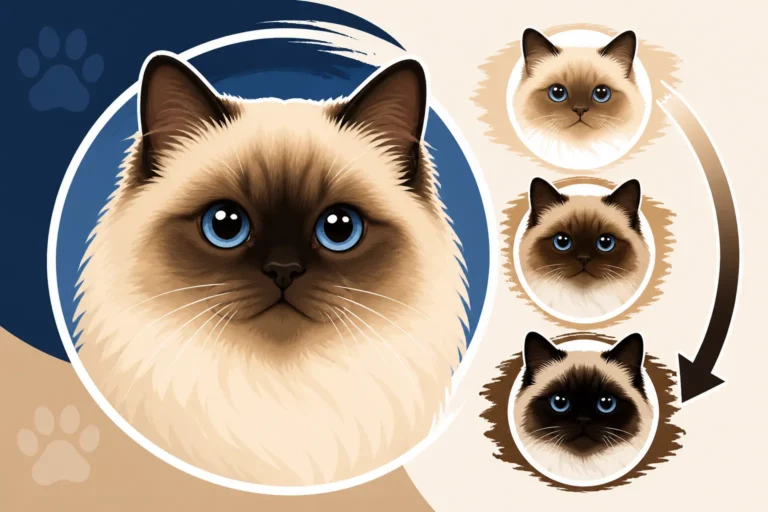
Seal Point Himalayan mask darkness and coat color depth depend on genetics and temperature-sensitive tyrosinase enzyme activity.

Himalayan cat facial structure changes, driven by 1930s origins and 1984 Persian breed standards, explain flatter show faces.

Doll Face Himalayan recognition by major cat registries explains why this informal term never appears on official pedigrees.

Doll Face Himalayan breeders charge higher prices because modern show ring standards shifted toward flatter Peke Face cats.

Himalayan cat ownership costs, including initial purchase prices and lifetime veterinary expenses for extreme flattened profiles.