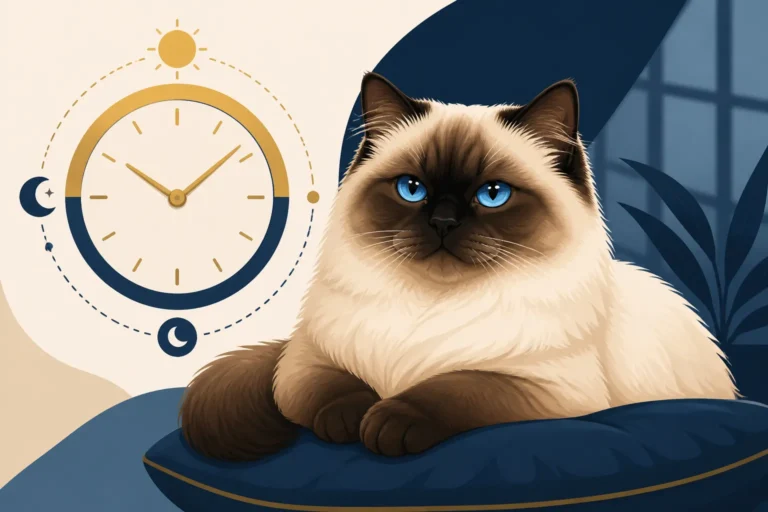
Whether a Himalayan Wants a Second Cat
Many Himalayan cat owners find themselves wondering if their serene, often quiet companion might secretly be longing for a feline friend. While Himalayans are known for their calm demeanor and love of routine, the question of adding a second cat isn't always straightforward. This guide will explore the unique social needs of the Himalayan, help you identify signs that your cat might benefit from a companion, and walk you through the careful considerations and steps to introduce a new friend successfully.
Understanding Your Himalayan's Social Nature
Himalayan cats are a fascinating blend of their parent breeds, the Persian and the Siamese, and their social temperament reflects this unique lineage. They possess a certain quiet dignity, often preferring predictable environments and gentle interactions. Understanding this foundation is key to knowing whether a second cat might truly enrich their life or cause undue stress.
The Persian Influence: Independent and Calm
From their Persian ancestry, Himalayans inherit a profound sense of calm and a preference for independent leisure. These are cats who are perfectly content to observe the world from a favorite armchair or a sunny spot on the floor. They aren't typically the type to race around in boisterous games for hours on end, though they do enjoy their play sessions. This Persian side means they often appreciate personal space and aren't usually described as overly needy or constantly seeking attention. They might enjoy a good lap sit or a gentle petting session, but they're just as happy to nap nearby. This inherent independence can make some owners wonder if a second cat would even be noticed, let alone welcomed. They thrive on routine and a peaceful home, and any disruption can throw them off balance.
The Siamese Spark: Talkative and Playful
On the other hand, the Siamese influence brings a delightful spark of personality to the Himalayan. While not as vocally demanding as a purebred Siamese, Himalayans definitely possess a voice and aren't afraid to use it when they want something, even if it's just a soft trill to ask for attention or food. This vocal quality hints at a more interactive side than their Persian cousins. You might notice your Himalayan engaging in short, bursts of play, chasing a wand toy for a few minutes before gracefully retiring for a nap. They might follow you from room to room, Why a Himalayan Follows One Person Around the House, not necessarily seeking constant physical contact, but enjoying your presence. This playful, observant nature suggests that while they aren't constantly on the go, they do have an underlying need for mental stimulation and interaction, which sometimes, in the right circumstances, another calm feline can provide.
Their Ideal Social Environment: Quiet and Predictable
Given this blend of independence and subtle sociability, the ideal social environment for a Himalayan is generally one that is quiet, predictable, and provides clear boundaries. They thrive when their routine is maintained, their resources (food, water, litter boxes) are consistent, and sudden loud noises or chaotic energy are kept to a minimum. A Himalayan isn't usually the life of the party; they're more the dignified host who ensures everyone is comfortable but doesn't necessarily join every conversation. For many Himalayans, their human companions fulfill their social needs perfectly well. They develop deep bonds with their chosen people and might not naturally seek out feline companionship in the same way a more gregarious breed might. The key is to introduce any change slowly and thoughtfully, respecting their need for stability and personal space.
Clues Your Himalayan Might Benefit From a Companion
Even the most contented Himalayan might show subtle signs that they could benefit from a feline friend. It’s all about observation and understanding your cat’s baseline behavior. If you notice persistent changes in their habits or temperament, especially after a significant shift in your household routine, it might be time to consider if a companion could help.
Behavioral Changes: Destructive or Withdrawn
One of the most telling signs that your Himalayan is feeling under-stimulated or lonely is a shift in their usual behavior. While they are generally quiet cats, an unhappy Himalayan might become destructive, scratching furniture more than usual, or chewing on things they shouldn't. This isn't out of malice, but often a way to release pent-up energy or stress. Conversely, some Himalayans might become unusually withdrawn, spending even more time hiding or sleeping, even during times they were typically awake and interactive. They might seem less interested in their usual toys or less responsive to your calls. If your once-curious cat now seems listless, or your well-behaved cat is suddenly acting out, it could be a cry for more engagement or companionship.
Increased Vocalization or Silence: Out of Character
Remember that interesting Siamese spark in their voice? While The Himalayan Kept the Siamese Voice and Lost the Volume, a sudden increase in vocalization could be a sign of distress or boredom. They might start chirping more frequently, letting out soft meows at odd times, or even a low, plaintive moan when you leave the room. This isn't the happy "hello" meow, but rather a seeking-attention or expressing-unhappiness sound. On the flip side, if your Himalayan, who usually offers a gentle greeting, suddenly becomes entirely silent, it might also indicate a problem. An abrupt change from their typical vocal patterns—whether it's becoming louder or completely quiet—warrants attention. It means something in their world has shifted, and they're trying to communicate it.
Changes in Eating or Grooming Habits: Stress Indicators
Cats are creatures of habit, and disruptions to essential routines like eating and grooming can be major indicators of stress or emotional upset. A lonely or bored Himalayan might suddenly lose interest in their food, or conversely, start overeating as a coping mechanism. Watch for changes in how they approach their bowl – are they hesitant, or are they gulping food down uncharacteristically fast? Similarly, grooming is a vital activity for Himalayans, keeping their luxurious coats in order. If you notice them over-grooming to the point of bald patches, or neglecting their grooming entirely, leading to mats and a dull coat, it’s a red flag. These physical manifestations often point to an underlying emotional issue. A clean, well-groomed coat and a healthy appetite are usually signs of a happy, well-adjusted Himalayan. If these aspects of their daily life are off, it's worth investigating.
Key Considerations Before Bringing Home a Second Cat
Deciding to add another cat to your household is a big step, especially when you have a Himalayan whose nature thrives on stability. It’s not a decision to be made lightly, and there are several critical factors to consider beyond just your Himalayan’s potential loneliness.
Your Home Environment: Space and Resources
One of the most practical yet overlooked aspects is your actual living space. Cats, especially Himalayans with their desire for personal territory, need adequate room to feel secure. This isn't just about floor space; it's about vertical space, hiding spots, and dedicated areas. Do you have enough room for multiple feeding stations, distinct water bowls (perhaps even a fountain, which some Himalayans adore, like those you can find on Amazon), and at least one litter box per cat, plus one extra? That "n+1" rule for litter boxes is crucial for maintaining feline harmony and preventing stress-related inappropriate elimination. Each cat should have its own quiet retreat, whether it's a cat tree, a cozy bed, or even just a designated cushion in a quiet corner. Without ample resources and personal space, even the most well-intentioned introduction can lead to tension and conflict, rather than companionship.
Financial Commitments: Double the Cost and More
Let's be realistic: two cats mean double the expense, and sometimes more. Think about food, litter, veterinary care, and grooming supplies. A Himalayan already requires specific grooming tools and potentially specialized food for their flat face and unique dental needs. Adding another cat means these costs will at least double. Routine check-ups, vaccinations, parasite prevention, and unexpected emergency visits will all come with a higher price tag. Consider pet insurance – while it can be a lifesaver, it's another monthly premium to factor in. Don't forget toys, beds, and other enrichment items; while you might be able to share some, having duplicates ensures fairness and reduces potential conflict. It's important to sit down and realistically budget for the long-term commitment of two cats. A common reason for pets ending up in shelters is owners underestimating the financial burden.
Your Himalayan's Health Status: Stress Implications
Before introducing a new cat, give careful thought to your current Himalayan's health. Is your cat generally robust, or do they have any underlying health issues that could be exacerbated by stress? Himalayans, due to their Persian heritage, can be prone to certain health concerns like Polycystic Kidney Disease (PKD) or respiratory issues due to their brachycephalic (flat) faces. Stress can weaken the immune system, trigger flare-ups of existing conditions, or even cause new behavioral problems like inappropriate urination. If your Himalayan is particularly anxious, elderly, or has a chronic condition, the added stress of a new animal might do more harm than good. It's always a good idea to discuss your plans with your veterinarian, who knows your cat's medical history best. They can offer advice on managing potential stress and ensure your Himalayan is in the best possible shape for such a big life change.
The Art of Introducing a New Feline Friend
Introducing a new cat to your existing Himalayan is a delicate process that requires patience, a gentle hand, and a commitment to go at their pace, not yours. Rushing things is the number one cause of failed introductions. Remember, the goal is harmony, not just tolerance.
The Scent Swap Method: A Gentle Start
The first step in any successful cat introduction is scent exchange. Cats rely heavily on their sense of smell to understand their world, and unfamiliar scents can be alarming. Before they even see each other, allow them to get used to each other's smell. Keep the new cat in a separate "safe room" initially – a guest bathroom or spare bedroom works well. Ensure this room has everything the new cat needs: food, water, litter box, and a comfy bed.
After a day or two, gently rub a small cloth or sock on your new cat's cheeks and head, then place it near your Himalayan's food dish or favorite sleeping spot. Do the same with your Himalayan's scent for the new cat. Observe their reactions: a sniff and indifference is good; hissing, growling, or puffed tails mean you need to slow down. Repeat this several times a day, gradually moving the scented items closer to their living areas. This helps them associate the new scent with positive experiences (like eating) and reduces the shock when they eventually see each other. This stage can take several days to a week, or even longer.
Controlled Visual Introductions: Safe Viewing
Once both cats seem calm with each other's scent, you can move to controlled visual introductions. The key here is to allow them to see each other without direct contact, usually through a baby gate or a glass door. Feed them on opposite sides of the barrier, gradually moving their bowls closer over several days, provided they remain calm. This creates a positive association with the sight of the other cat.
During these visual sessions, keep them brief and positive. Supervise closely. If there's any sign of aggression (hissing, growling, swatting, flattened ears), immediately separate them and go back a step. You can also use playtime as a positive distraction during these sessions. Use wand toys, like those you can find on Amazon, to engage both cats on either side of the barrier, helping them burn off nervous energy and associate the other cat with fun. Remember, for a Himalayan, How a Himalayan Behaves in a Vet Waiting Room can tell you a lot about their stress levels, so observe their body language closely.
Supervised Play and Feeding: Positive Associations
Only when both cats are consistently calm during visual introductions should you allow supervised, short periods of direct interaction. Choose a neutral territory, open the barrier, and immediately engage them in play with interactive toys. Keep the first few sessions very short – just a few minutes – and end on a positive note before any tension arises. Always ensure there are escape routes and hiding spots for both cats.
Feeding them together, with bowls placed a comfortable distance apart, also builds positive associations. Over time, you can gradually move the bowls closer, as long as there's no competition or aggression. It’s crucial to always supervise these initial interactions closely. Never leave them alone together until you are absolutely certain they are comfortable and safe with one another. This entire process can take weeks or even months. Patience is not just a virtue here; it's a necessity for creating a peaceful multi-cat home. How Long a Himalayan Takes to Accept a Change is usually quite a while, so don't rush the process.
Choosing the Right Companion for Your Himalayan
Not just any cat will make a good companion for a Himalayan. Given their unique temperament and specific needs, thoughtful selection of a new feline friend is paramount to ensuring a harmonious household.
Temperament Matching: Calm, Not Overly Boisterous
When looking for a companion, the number one consideration should be temperament. Your Himalayan generally thrives in a calm, predictable environment. Therefore, a new cat who is equally serene, laid-back, and not overly demanding of attention is likely to be the best match. Avoid high-energy, very dominant, or overly playful breeds that might constantly try to engage your Himalayan in rough-and-tumble games. A cat that respects personal space and has a gentle disposition will be far more compatible.
Think about Which Cats Move Slowly Enough for a Himalayan. Breeds known for their placid nature, such as another Persian, a Ragdoll, or even a quiet domestic longhair, could be good candidates. If you're considering a rescue cat, spend time observing their behavior in a shelter environment. Ask staff about their personality traits: Are they shy or outgoing? Do they get along with other cats? Are they prone to anxiety or aggression? A calm, observant cat is far more likely to integrate successfully than a boisterous one who might overwhelm your Himalayan.
Age Compatibility: Kitten Versus Adult
The age of the potential new cat also plays a significant role.
- Kitten: A kitten might seem like a good idea because they are small and seemingly less threatening. However, a young kitten is often bursting with energy, constantly wanting to play, and lacks established social etiquette. This relentless energy could overwhelm an older, more sedate Himalayan, leading to stress and irritation rather than companionship. If you choose a kitten, ensure it's old enough (at least 12-16 weeks) to have learned proper cat social skills from its mother and littermates.
- Adult Cat: An adult cat, particularly one with a known calm history, can often be a better choice. Their personality is already developed, so you know exactly what you're getting. An older cat, perhaps 2-5 years old, who has outgrown the frenetic kitten stage but is still playful, can often adapt well. Ideally, look for a cat that has successfully lived with other cats before. An adult cat's energy levels are more likely to align with a Himalayan's preference for calm coexistence.
Breed Considerations: Other Quiet, Non-Confrontational Breeds
While temperament is key, considering specific breeds can also be helpful. As mentioned, another Persian or a Ragdoll often share the gentle, easygoing nature that complements a Himalayan. British Shorthairs can also be quite calm and stoic.
The important thing is to avoid breeds known for being extremely vocal, highly active, or particularly territorial, such as some Siamese or Abyssinian lines, unless you are very familiar with that specific cat's individual personality and are confident it's an outlier for its breed. Remember, the goal is to enhance your Himalayan's life, not to introduce a source of constant irritation or competition. A successful pairing often means choosing a cat that can either match your Himalayan's quiet energy or at least respect its need for peace and personal space.
Nurturing Harmony in a Multi-Cat Household
Once you've successfully introduced a second cat to your Himalayan, the work isn't over. Maintaining peace and ensuring both cats thrive in a multi-cat household requires ongoing attention to their needs and an understanding of feline dynamics.
Dedicated Resources: Bowls, Litter Boxes, Resting Spots
This is perhaps the most crucial element for long-term harmony. Cats are not always keen on sharing, especially when it comes to essential resources.
- Food and Water Bowls: Each cat should have its own set of food and water bowls. Ideally, place them in separate areas, out of sight of each other if possible, to prevent competition or guarding behavior. For a flat-faced Himalayan, wide, shallow bowls are essential to prevent whisker fatigue and allow them to eat comfortably. You can find excellent ceramic or stainless steel options on Amazon that cater to brachycephalic breeds.
- Litter Boxes: Adhere strictly to the "n+1" rule: one litter box per cat, plus one extra. These should be spread throughout the house, not all in one room, giving each cat options and privacy. Clean them daily without fail. A dirty litter box is a huge source of stress and can lead to inappropriate elimination. What a Himalayan Costs a Year Once the Face Is Counted definitely includes these ongoing litter expenses.
- Resting and Hiding Spots: Just like humans, cats need their own private spaces. Ensure each cat has multiple high-up resting spots (cat trees, shelves) and low-down hiding spots (tunnels, carriers, cozy beds). This allows them to retreat and feel secure when they need alone time, which is particularly important for a Himalayan. Having multiple options reduces competition and gives them a sense of control over their environment.
Maintaining Routines: Predictability is Key
Himalayans thrive on routine; they are creatures of habit. Maintaining a consistent daily schedule for feeding, playtime, and even grooming will go a long way in reducing anxiety in a multi-cat home. Cats feel most secure when they know what to expect.
Feed them at the same times each day. Engage in playtime sessions, even short ones, with each cat individually if needed, ensuring they both get dedicated attention and exercise. This individual interaction can be especially important for your Himalayan, who might prefer one-on-one time. Regular grooming sessions for your Himalayan (who needs a daily comb!) should also be a consistent part of the routine. When their world is predictable, cats are less likely to feel stressed or competitive. Why a Himalayan Minds Its Routine More Than Its Address is a perfect example of their deep need for stability.
Ongoing Monitoring: Spotting Issues Early
Even after a successful introduction, the dynamics of a multi-cat household can shift. It's vital to remain observant and address any potential issues as soon as they arise. Look for subtle signs of stress or aggression:
- Body Language: Are ears flattened? Tails tucked or twitching aggressively? Is one cat blocking the other from resources?
- Hiding or Avoidance: Is one cat constantly hiding or avoiding areas where the other cat is present?
- Changes in Appetite or Litter Box Habits: These are often the first physical signs of stress.
- Vocalizations: Increased hissing, growling, or yowling, or conversely, unusual silence, can indicate trouble.
If you spot problems, don't ignore them. You might need to temporarily re-separate the cats and go back to an earlier stage of introduction, or consult with a feline behaviorist. Sometimes, even adding a new cat tree or an additional litter box can make a difference. The goal is a peaceful coexistence where both your Himalayan and their new friend can live happily and securely together. A well-managed multi-cat home can indeed be a source of great joy and companionship for all involved.
Disclaimer
This article is for general informational purposes only and does not constitute professional advice. Laws, prices and regulations vary by location and change over time. Consult a qualified professional for guidance on your specific situation.