Who Worked on the Himalayan in Canada
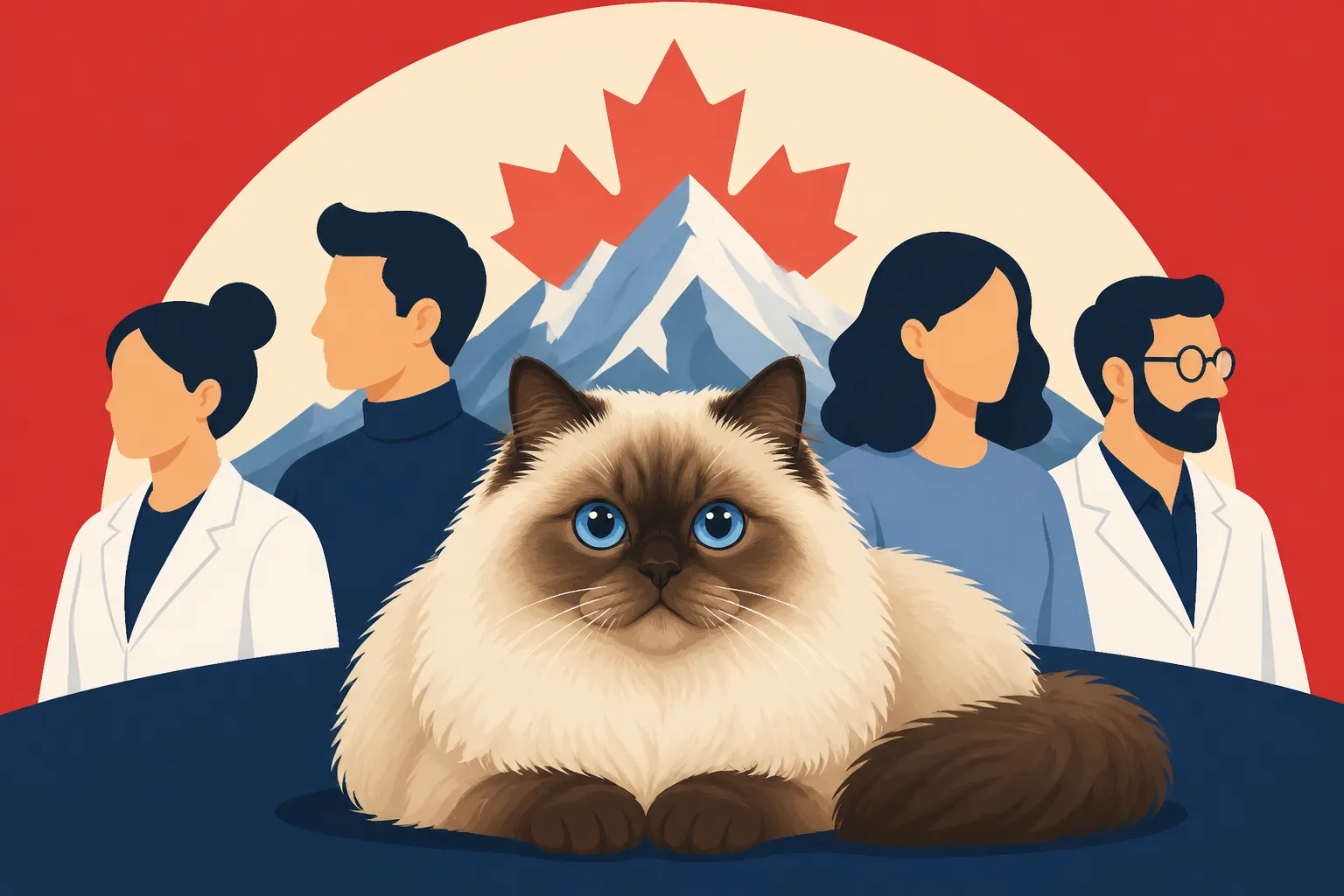
It’s easy to get lost in the well-documented histories of the Himalayan cat’s development in the United States and the United Kingdom, often forgetting that dedicated enthusiasts in other countries were simultaneously working hard to establish and refine this captivating breed. Many people wonder if Canada had a significant role in the Himalayan's journey, and indeed it did, with pioneering individuals leaving an indelible mark on its lineage and recognition. This guide will delve into the contributions of Canadian breeders and how their passion shaped the Himalayan cat we know and love today.
The Early Canadian Pioneers of the Himalayan Breed
The Himalayan cat, with its striking Siamese points on a plush Persian body, was a marvel when it first began to emerge. While the foundational crosses happened primarily in the US and UK in the 1930s and 1940s, the dream of establishing a stable, recognized breed spread quickly. Canadian breeders, fueled by the same fascination, soon joined the efforts, importing early stock and embarking on their own meticulous breeding programs. They faced the unique challenges of a nascent breed: ensuring genetic health, solidifying desired physical traits, and advocating for its acceptance within national cat fancy organizations.
Ben Borrett and His All Points Cattery
When we talk about the pioneering spirit of Himalayan breeding in Canada, one name consistently rises to the top: Ben Borrett. Operating under the evocative cattery name "All Points," Borrett was not just a breeder; he was a true visionary and a foundational pillar of the breed in Canada. He dedicated himself to refining the Himalayan, focusing on both type and temperament, at a time when consistency was still a significant challenge.
Borrett understood that the success of the Himalayan lay in carefully balancing the elegant body type and luxurious coat of the Persian with the distinctive color points and intelligent personality of the Siamese. He imported some of the earliest stock, meticulously planned matings, and kept fastidious records. His goal was to produce Himalayans that not only met the emerging standards but also showcased exceptional health and gentle dispositions. This dedication helped establish strong, healthy lines that would become integral to the Canadian Himalayan population and beyond. When Canada Produced Its First Himalayan is a testament to these early efforts, often spearheaded by individuals like Borrett who saw the potential in this emerging hybrid.
Establishing Core Lines and Traits in Canada
Beyond individual contributions, the collective effort of early Canadian breeders was crucial in establishing the genetic foundation for the Himalayan. They worked tirelessly to ensure the desired traits—the round head, short cobby body, and plush coat from the Persian side, combined with the vivid blue eyes and distinctive color points from the Siamese—were consistently passed down. This involved a deep understanding of genetics and a commitment to selective breeding to eliminate undesirable traits and reinforce the best qualities.
One of the biggest hurdles was managing the complexities of the Persian longhair gene alongside the Siamese colorpoint gene. Breeders had to ensure cats carried two copies of the colorpoint gene to express the points, while also maintaining the opulent Persian coat and body structure. This painstaking process meant carefully choosing breeding pairs, often tracking multiple generations of pedigrees. They were essentially building the breed from the ground up in Canada, ensuring that when potential owners sought a Himalayan, they could expect a cat that truly embodied the breed's unique blend. This period was vital in determining How Many Point Colors the Himalayan Division Recognizes and solidifying the standards for each.
Canadian Influence on Himalayan Breed Standards and Recognition
The journey of any new breed isn't just about breeding beautiful cats; it's also about getting them formally recognized and accepted by the major cat registries. Canadian Himalayan breeders played a vital role in this process, advocating for the breed and ensuring that Canadian standards aligned with, or sometimes influenced, the broader North American and international understanding of what a Himalayan should be.
The Pursuit of Consistency and Type
Canadian breeders, much like their counterparts in the US and UK, faced the ongoing challenge of achieving consistency in type. The Himalayan, being a hybrid, often presented a wide range of looks in early generations. Some cats leaned too heavily into the Siamese side, lacking the robust Persian bone structure, while others had the Persian body but lacked the vivid point coloration or the intense blue eyes. The pursuit of "type" was paramount—the ideal balance that would define the Himalayan as a distinct and beautiful breed.
Canadian catteries, including All Points, focused on breeding for the characteristic "Doll Face" or "Traditional" profile, which maintained a slightly longer nose than the later "Peke Face" or "Extreme" Persian styles. While the breed's face later evolved, early Canadian efforts largely centered on a more moderate expression. They also paid close attention to coat quality, ensuring the double coat was dense, soft, and flowing, requiring significant daily grooming, something new owners often underestimate. Even today, responsible breeders emphasize the importance of What Daily Combing Costs a Himalayan Owner in Time, reflecting the enduring commitment to coat health that began with these pioneers.
Achieving Registry Acceptance in Canada
Gaining official recognition from Canadian cat registries was a crucial step for the Himalayan. This process involved presenting sufficient numbers of well-typed cats over several generations to demonstrate consistency and establish a viable breeding population. Canadian breeders worked with organizations like the Canadian Cat Association (CCA) to ensure the breed's unique characteristics were understood and appreciated. This wasn't always a straightforward path, as different registries had varying perspectives on how to classify the Himalayan. Some saw it as a distinct breed, while others, like the American Cat Fanciers Association (CFA) later did, merged it into the Persian division.
The advocacy of Canadian breeders was instrumental in securing the Himalayan's place within the Canadian cat fancy. Their detailed records, their consistent show entries, and their unwavering commitment helped demonstrate that the Himalayan was a stable, reproducible breed worthy of its own category or, at the very least, a recognized division within existing breeds. Understanding Whether a Himalayan Was Ever a Separate CFA Breed sheds light on the broader, often complicated, journey of the Himalayan towards universal recognition.
| Breeder/Cattery | Key Contributions to Canadian Himalayan Breeding | Notable Focus |
|---|---|---|
| Ben Borrett (All Points) | Established foundational lines, promoted consistent type and temperament, meticulous record-keeping. | Balancing Persian/Siamese traits, genetic health, breed advocacy. |
| Early Canadian Enthusiasts | Collaborated on breeding programs, refined color points, championed breed recognition. | Consistency in coat, eye color, body type, securing registry acceptance. |
| Modern Canadian Breeders | Continue to preserve and enhance lines, focus on health testing and ethical breeding practices. | Polycystic Kidney Disease (PKD) testing, genetic diversity, responsible pet ownership. |
The Enduring Legacy of Canadian Himalayan Enthusiasts
The work of early Canadian Himalayan breeders didn't just end with initial recognition; it created a lasting legacy that continues to influence the breed both within Canada and across North America. Their efforts helped solidify the Himalayan's reputation as a cherished companion cat, and their commitment to health and type laid the groundwork for future generations of breeders.
Influencing North American Himalayan Lines
The strong, healthy lines developed by Canadian breeders quickly became valuable assets in the broader North American Himalayan gene pool. Cats from Canadian catteries were often sought after by breeders in the United States and elsewhere, contributing to the genetic diversity and robustness of the breed. This cross-border exchange of breeding stock was vital for maintaining vigor and improving specific traits, preventing genetic bottlenecks that can occur in smaller, isolated populations.
Through careful selection and dedicated breeding programs, Canadian Himalayans helped reinforce the breed's distinctive qualities, from the intensity of their blue eyes to the luxuriousness of their coats. They contributed significantly to the understanding of Why a Himalayan Is a Persian With the Point Gene, and how to best manage the genetic expression of its unique characteristics. Their impact meant that many Himalayans across the continent today carry a piece of that Canadian legacy in their pedigrees, a testament to the quality and foresight of those early breeders.
Modern-Day Reflections and Continued Dedication
Today, Canadian Himalayan breeders continue the tradition of excellence established by their predecessors. While the focus has expanded to include advanced genetic testing for hereditary conditions like Polycystic Kidney Disease (PKD1) and Progressive Retinal Atrophy (PRA), the core dedication to health, temperament, and type remains. Modern breeders in Canada prioritize responsible practices, ensuring that kittens go to loving homes and that the breed's unique needs are understood by new owners.
These dedicated individuals often spend countless hours educating prospective owners about everything from the specific grooming requirements—a challenge for that long, dense coat—to the unique personality traits that make Himalayans such wonderful companions. They emphasize the importance of specialized diets that cater to their unique facial structure, often guiding owners to consider specific bowl designs or food textures. You can find many of these specialized products, from flat-faced bowls to gentle grooming combs, from pet supply retailers like Chewy. The historical context of Canadian breeding also helps us understand How Canada Contributed to the Himalayan in a broader sense, moving beyond just initial crosses to continuous improvement.
The care needed for a Himalayan is significant, particularly with their glorious coats and those famous flat faces. Finding the right tools for grooming, ensuring suitable food bowls, and selecting appropriate toys are all aspects that current Canadian breeders discuss extensively with new owners. They might even recommend checking out a vast array of pet supplies on a site like Chewy, where you can find everything from high-quality kibble formulated for Persians (which Himalayans are often considered) to supplements for coat health. It's a far cry from the limited options available to those early pioneers, who truly had to innovate and make do with what they could find.
Moreover, the Canadian cat fancy continues to celebrate the Himalayan, hosting shows and events where breeders can showcase their finest examples and share knowledge. These gatherings reinforce the community and shared passion that has always been at the heart of the breed's development in Canada. Prospective owners now have easier access to information and supplies, from specific kibble shapes that accommodate a flat face to enrichment toys, often available from retailers like Chewy. This helps bridge the gap between the breed's historical roots and the practical realities of caring for a Himalayan in the modern world. What Nobody Tells You Before Buying a Himalayan often covers these care realities, and Canadian breeders are at the forefront of preparing new families. The work done by Ben Borrett and others truly paved the way for the breed's current standing, demonstrating the commitment and vision required to shape a beloved cat breed.
Disclaimer
This article is for general informational purposes only and does not constitute professional advice. Laws, prices and regulations vary by location and change over time. Consult a qualified professional for guidance on your specific situation.