When Canada Produced Its First Himalayan
It can be incredibly confusing trying to piece together the history of a beloved breed like the Himalayan, especially when different countries had their own pioneers and slightly different timelines. If you've ever found yourself wondering about the specific contributions North American breeders made, this guide is here to untangle the threads of the Himalayan's Canadian story, helping you understand when and how this charming cat found its footing north of the border.
The Global Tapestry of Himalayan Development
Before we dive specifically into Canada's role, it’s helpful to understand that the Himalayan cat wasn't just born in one place; it was a collaborative, almost simultaneous effort across different continents, driven by a shared vision: to combine the majestic beauty of the Persian with the striking colorpoint pattern and piercing blue eyes of the Siamese. This wasn't a quick fix, either. It involved careful, often painstaking, selective breeding over many generations.
The initial experiments, as many enthusiasts know, largely began with geneticists in the United States, famously at Harvard University in the 1930s. The Himalayan Was Made at Harvard in the 1930s tells a fascinating tale of these early scientific endeavors, laying the groundwork for what would become one of the most popular cat breeds. These early crosses between Persians and Siamese aimed to prove a genetic theory about the inheritance of the colorpoint gene. However, while these academic efforts established the genetic principles, the journey from scientific curiosity to a recognized show breed required dedicated breeders to refine the look, temperament, and health of these cats. Across the Atlantic, British breeders were also hard at work, contributing their own lines and pushing for recognition. Understanding this parallel development helps to appreciate the distinct paths different countries took.
Ben Borrett and Canada's Pioneering Efforts
When we talk about the early days of the Himalayan cat in Canada, one name stands out prominently: Ben Borrett. While the Americans and British were making significant strides, Borrett, a dedicated and visionary breeder, was instrumental in establishing and popularizing the Himalayan within Canada. His work, alongside other Canadian enthusiasts, wasn't just about bringing existing lines over; it was about contributing to the breed's genetic diversity and ensuring its healthy development on Canadian soil.
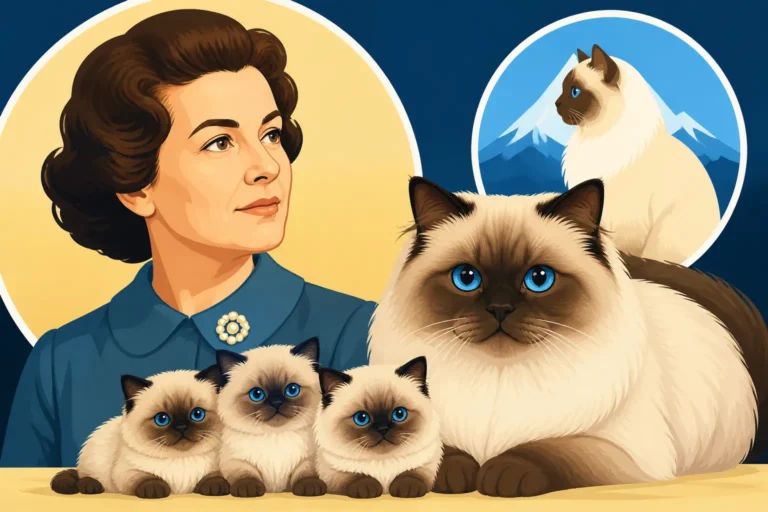
Borrett began his dedicated breeding program in the mid-1950s, a crucial period where the breed was gaining momentum in the United States thanks to breeders like Marguerita Goforth. He focused on refining the distinct characteristics of the Himalayan, particularly the stunning contrast between the dark points and the paler body, coupled with the desired Persian body type and head structure. His efforts were meticulous, carefully selecting breeding pairs to enhance desirable traits and minimize genetic issues, much like any responsible breeder focuses on today. His dedication helped ensure that the Canadian lines were robust and contributed positively to the breed's overall health and aesthetic. His cattery produced many excellent examples of the breed, helping to cement the Himalayan's place in the hearts of Canadian cat lovers. If you're looking for quality supplies for your Canadian Himalayan, resources like Chewy offer a wide range of products tailored for long-haired breeds, often carrying items that cater to specific needs identified by pioneers like Borrett who valued breed-specific care.
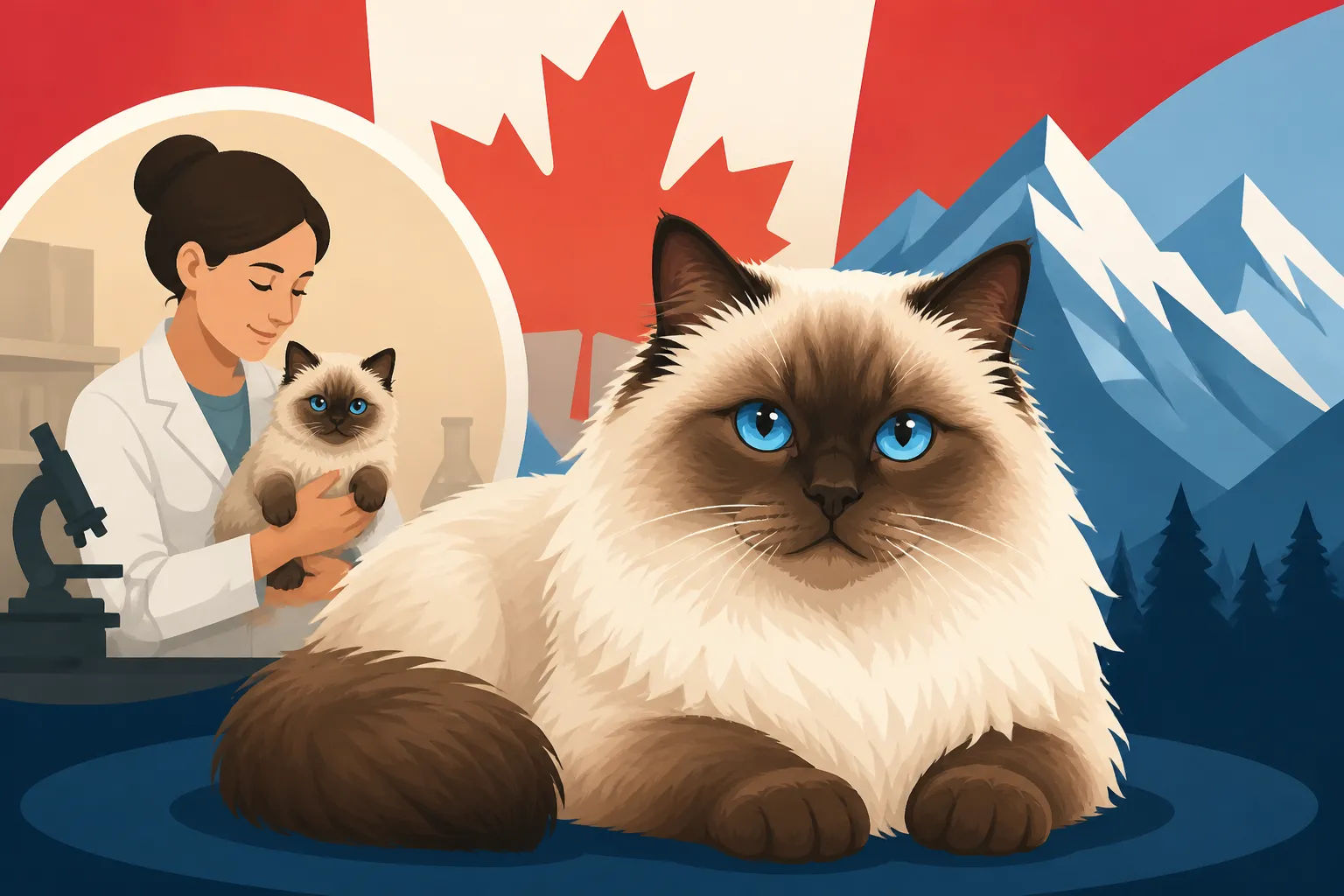
It was through the tireless work of breeders like Ben Borrett that Canada officially recognized its first Himalayan cats for championship status around 1957 to 1958. This timeline aligns closely with the breed's recognition in the United States by the Cat Fanciers' Association (CFA), which first accepted the Himalayan for championship status in 1957. The synchronous recognition across North America highlights the shared progress and collaborative spirit, even if informally, among breeders striving for the same goal. Borrett's commitment went beyond just breeding; he was also a strong advocate for the breed within Canadian cat associations, playing a key role in their acceptance and the development of local standards. You can learn more about his pivotal involvement in Ben Borrett and the Canadian Himalayan and How Canada Contributed to the Himalayan.
The Canadian Himalayan's Impact and Legacy
The contributions of Canadian breeders like Ben Borrett had a lasting impact on the Himalayan breed, not just within Canada but also internationally. By establishing strong, healthy bloodlines, they helped to broaden the genetic pool, which is vital for any breed's long-term viability. This wasn't merely about creating more Himalayans; it was about ensuring the quality and integrity of the breed as it grew in popularity.
Shaping Breed Standards and Health Considerations
Canadian breeders, working with their American and British counterparts, played a role in refining what the ideal Himalayan should embody. Their breeding choices influenced the development of the breed standard, which describes the physical attributes and temperament that breeders strive for. This standard outlines everything from coat length and texture to eye color, body type, and the distinctive facial features that define the breed. Over time, as breeding programs evolved, so too did the discussions around health. Early breeders, while focusing on appearance, also had to contend with inherited conditions, something modern breeders are much more equipped to handle with genetic testing. Understanding the breed's health history, like where PKD1 Came Down the Persian Side of a Himalayan, is crucial for current responsible breeding practices.
The Himalayan in North American Cat Registries
The journey of the Himalayan through various cat registries in North America has been complex, and Canada's experience mirrored much of what happened in the United States. Initially, the Himalayan was often recognized as a distinct breed. However, in 1984, the Cat Fanciers' Association (CFA), one of the largest cat registries globally, made a significant decision to integrate the Himalayan into the Persian breed as a colorpoint division. This meant that while the cats were still Himalayans in appearance, on paper they were registered as Persians. Why CFA Made the Himalayan a Persian Division in 1984 delves into the reasons behind this move and its implications for breeders and enthusiasts.
However, not all registries followed suit. The International Cat Association (TICA), for example, continues to register the Himalayan as a separate breed, preserving its unique identity within their system. This divergence created a dual identity for the Himalayan in North America, with breeders navigating different rules depending on the association they chose to register with. For Canadian breeders, this meant understanding the nuances of both approaches and deciding which path best served their breeding goals and the future of their lines. The legacy of these early Canadian efforts continues today, influencing how the breed is understood and maintained across various point colors and types. Whether you're considering a new cat bed or a specialized grooming comb, remembering this rich history helps appreciate the dedicated effort that went into creating these beautiful companions. Many specialized cat care items, even specific types of grooming tools required for their long coats, can be found readily available from retailers like Chewy, helping owners provide the best care for their unique Himis.
To illustrate the timeline of key developments, here's a brief overview:
| Year Range | Key Development in Himalayan Breed | Primary Region(s) of Influence | Key Individuals/Groups |
|---|---|---|---|
| Early 1930s | Initial scientific crosses between Persians and Siamese | USA (Harvard University) | Dr. Clyde Keeler, Virginia Cobb |
| Mid-1940s | Continued selective breeding efforts, establishing breed characteristics | USA | Various dedicated breeders |
| Early 1950s | Intensified breeding programs, aiming for breed recognition | USA, UK, Canada | Marguerita Goforth (USA), Brian Sterling-Webb (UK) |
| 1955 | First recognition in the UK (as Colorpoint Persian) | United Kingdom | Brian Sterling-Webb |
| 1957 | CFA grants Championship status to the Himalayan | USA | Marguerita Goforth and other US breeders |
| 1957-1958 | First recognition and championship status in Canada | Canada | Ben Borrett and Canadian breeders |
| 1984 | CFA integrates Himalayan into Persian breed division | USA (impacts Canada as well) | CFA Board of Directors |
| Present Day | Continued breeding by various registries (e.g., TICA as separate breed) | Global | Dedicated breeders worldwide |
This table highlights just how critical the period of the mid-to-late 1950s was for the Himalayan, marking its acceptance as a distinct, or at least divisionally recognized, breed across North America. The ongoing legacy of these early efforts can be seen in the vibrant community of Himalayan owners and breeders today, many of whom still rely on pet supply giants like Chewy for everything from high-quality food to specialized grooming brushes, ensuring their cats continue to thrive. What Your Himalayan's Certificate Actually Says might shed more light on how these historical decisions affect modern paperwork.
Beyond the Initial Recognition: Maturing the Breed in Canada
The official recognition in the late 1950s was a milestone, but it was far from the end of the story for Himalayans in Canada. The real work of maturing the breed, solidifying its characteristics, and ensuring its health and welfare continued for decades. This involved careful record-keeping, sharing of knowledge, and a commitment to responsible breeding practices that aimed to produce cats that were not only beautiful but also healthy and well-adjusted companions.
The Role of Canadian Cat Fanciers' Associations
Canadian cat fanciers' associations played a crucial role in supporting these efforts. They provided platforms for breeders to showcase their cats, learn from each other, and collectively work towards the betterment of the breed. Through shows, educational seminars, and the enforcement of ethical breeding guidelines, these organizations helped to maintain standards and encourage responsible ownership. This communal effort ensures that the unique traits of the Himalayan, such as its distinctive coloring and placid temperament, are preserved for future generations. For example, understanding The Age a Himalayan's Points Stop Changing is important for breeders and owners alike to appreciate the full development of their cats.
Enduring Appeal and Modern Care
Today, the Himalayan cat remains a beloved breed in Canada, cherished for its affectionate nature and stunning appearance. Modern owners continue the legacy of care, paying close attention to their cats' specific needs. This includes daily grooming to maintain their luxurious long coats, a task that has been a hallmark of Himalayan ownership since the very beginning. What Daily Combing Costs a Himalayan Owner in Time might give you a reality check on the commitment required! Additionally, understanding potential health concerns, such as Why a Himalayan Needs Dentals Earlier Than a Siamese due to their unique jaw structure, is vital.
The dedication shown by early Canadian pioneers like Ben Borrett has resulted in a thriving breed with a loyal following. Whether you're looking for specialized food dishes that accommodate their flat faces or grooming supplies that tackle their double coats, modern retailers cater to these very specific needs, making it easier than ever to care for these regal felines. Looking back at the historical development, it's clear that the passion and foresight of breeders in Canada were indispensable in shaping the Himalayan cat into the cherished companion it is today. They laid the groundwork for a breed that continues to bring joy to countless households, and that's a legacy worth celebrating.
Disclaimer
This article is for general informational purposes only and does not constitute professional advice. Laws, prices and regulations vary by location and change over time. Consult a qualified professional for guidance on your specific situation.