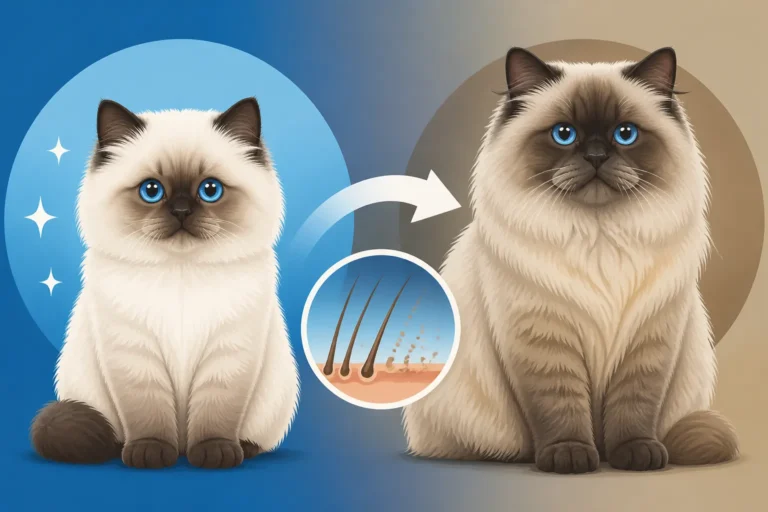
Why a Cobby Himalayan Gains on a Portion Another Cat Burns
It’s a frustrating scenario many Himalayan cat parents know all too well: you feed your beautiful, fluffy companion what seems like a perfectly reasonable portion, perhaps even less than what your previous, more active feline thrived on, and yet… the pounds creep on. This isn't your imagination, nor is it a sign you're doing something wrong with your loveable lap cat; it's often a direct result of their unique physiology and lifestyle. This guide will explore the specific reasons your cobby Himalayan seems to gain weight so easily and offer practical insights into managing their caloric intake to keep them healthy and happy.
The Himalayan's Unique Physiology: Built for Relaxation, Not Marathon Running
Unlike some of their more athletic feline cousins, Himalayans are not bred for speed or agility. Their entire physical makeup leans towards a more sedentary, indoor existence, and understanding this is the first step in decoding their metabolic quirks. You might think all cats are essentially the same, but a Himalayan's body is a masterclass in energy conservation.
The Cobby Body Type and Its Metabolic Implications
The term "cobby" is used in the cat fancy to describe a particular body type: short, thick, and well-muscled, with a deep chest and broad shoulders. Think of a compact, powerful little loaf, not a sleek, lean machine. This body structure, while undeniably adorable, doesn't lend itself to high-energy acrobatics. Their short, sturdy legs mean they're not naturally inclined to scaling cat trees or leaping across rooms with the same gusto as, say, a Siamese or an Abyssinian. They are built for lounging, for being a comfortable lap companion, and that means their bodies simply don't burn as many calories just existing.
When you look at What a Himalayan's Cobby Frame Should Weigh, it's clear they carry more bulk than many other breeds. This isn't necessarily fat, but muscle and bone built for substance rather than agility. A larger, more muscular body technically requires more energy to maintain, but if that body isn't using that muscle, the caloric needs drop significantly. Their metabolism, the rate at which their body converts food into energy, is often geared lower than cats with leaner, more active builds. This means that a standard portion size, developed for an average cat, can be far too generous for a Himalayan.
Activity Levels: More Lap Cat Than Leaping Hunter
Let's be honest, most Himalayans aren't going to be fetching toys like a Labrador or tearing through the house at 3 AM like a kitten on rocket fuel. They are famously calm and placid, often described as "furnishings" due to their preference for remaining stationary on a favorite sofa or sunny spot. This isn't a fault; it's part of their charm! But it absolutely impacts their energy expenditure. A typical day for a Himalayan might involve several naps, a bit of slow stretching, a short stroll to the food bowl, and then back to the prime napping spot. What a Himalayan Does All Day in One Chair pretty accurately sums it up for many of these wonderful cats.
While a burst of playful energy is certainly possible, it's often short-lived. Their flattened faces, a hallmark of the breed, can also contribute to their lower activity levels. Breeds with brachycephalic (flat) faces, like Himalayans, can struggle with respiratory efficiency. This means they can overheat more easily and find sustained periods of vigorous play uncomfortable, leading them to self-limit their activity. Even five minutes of intense play can leave them panting, prompting them to seek a cool, quiet spot to recover. This inherent tendency to conserve energy means they require fewer calories to maintain their weight.
The Impact of Their Persian Heritage
The Himalayan cat, at its core, is a Persian cat with colorpoint markings derived from Siamese genetics. This means they largely inherit the Persian's sturdy build, long flowing coat, and relaxed demeanor. Persians are not known for being high-energy athletes, and their Himalayan descendants carry on that tradition. Their thick, luxurious double coat, while beautiful, also contributes to a desire for cooler, more sedentary environments, as intense activity can quickly lead to overheating. This inclination for coolness further reduces their drive to engage in vigorous exercise.
Consider that a Persian, even a non-colorpoint one, often requires careful consideration of their diet due to their somewhat lower energy needs compared to many other breeds. The Himalayan simply inherits this trait. The combination of their cobby build, a naturally calm temperament, and the respiratory considerations associated with their facial structure all converge to create a cat that, by design, just doesn't burn through calories at the same rate as a more active feline. It's not about them being lazy; it's about how their beautiful bodies are structured to function.
The Role of Diet: Understanding Caloric Needs and Macronutrients
Given their inherent predisposition to a more sedentary lifestyle, the diet you provide your Himalayan becomes paramount. What might be an appropriate portion for a high-strung, energetic tabby could easily lead to unwelcome weight gain for your calm, cuddly Himmie. It’s all about finding that delicate balance tailored to their specific needs.
Calorie Requirements: Less is Often More for Himalayans
This is where the rubber meets the road. Because Himalayans burn fewer calories throughout their day, they simply need fewer calories coming in. Many commercial cat foods, especially those marketed as "all life stages" or for "active cats," are formulated with a higher caloric density than your Himalayan truly needs. You might be carefully measuring out a cup of kibble, thinking you're doing well, but that cup could contain far more energy than your cat can possibly expend.
It’s not just about the volume of food, but the energy packed into each bite. A lean, athletic cat might burn How Many Calories an Adult Himalayan Burns a Day just by zipping around and playing, but your Himalayan, content on their favorite cushion, might only burn a fraction of that. When calorie intake consistently exceeds caloric expenditure, the body does what it’s designed to do: it stores the excess energy as fat. This is why you need to approach feeding your Himalayan with a "less is often more" mentality and always check the calorie content on your chosen food's label. Don't just follow the bag's recommendations blindly; those are usually broad guidelines.
Protein, Fat, and Carbs: Striking the Right Balance
When choosing food for your Himalayan, focusing on the right macronutrient balance is crucial. Cats are obligate carnivores, meaning their bodies are designed to thrive on a diet rich in animal-based protein. Protein helps maintain lean muscle mass, which is important even for a less active cat, and it's also more satiating than carbohydrates, helping your cat feel full. Fats are also essential for energy and healthy skin and coat, but they are calorie-dense, so moderation is key. Carbohydrates, while not inherently bad, often act as fillers in many dry kibbles and can contribute to weight gain if overfed, especially for a cat with lower energy needs.
Look for high-quality wet food or fresh food options that prioritize animal protein and healthy fats, with minimal, digestible carbohydrates. Fresh cat food can be precisely portioned and typically has a transparent ingredient list, making it easier to control exactly what your cat is consuming. When browsing options on Chewy or Amazon, compare the “guaranteed analysis” on different foods. Aim for foods where meat is the first ingredient, and protein content is high. Wet food also has the added benefit of providing more moisture, which is beneficial for overall feline health, especially kidney function.
The Temptation of Treats and Table Scraps
We all love to spoil our beloved pets, and a little treat here and there seems harmless, right? The problem is, those little treats add up, especially for a cat with already conservative caloric needs. A single treat, which might seem negligible to you, can represent a significant percentage of your Himalayan's daily calorie allowance. And table scraps? Even a tiny morsel of cheese or a piece of cooked meat can pack a surprising caloric punch, not to mention potentially introducing ingredients that aren't ideal for a cat's digestive system.
It's easy to forget how calorie-dense human foods can be. Before you offer that tiny bite, think about your Himalayan's body size and metabolic rate. Is it truly worth the extra calories? If you must give treats, choose low-calorie, species-appropriate options, and factor them into your cat's daily food allowance. Better yet, consider non-food-based rewards like extra petting, a favorite toy, or a short play session. It might sound strict, but managing these seemingly small additions is a huge part of preventing and reversing weight gain in Himalayans.
Environmental Factors and Lifestyle Habits
Beyond their inherent physiology and what goes into their bowl, the world your Himalayan lives in plays a significant role in their weight management. From their indoor-only status to the very dishes they eat from, these environmental factors can subtly contribute to or prevent weight gain.
Indoor Living and Limited Exercise Opportunities
Most Himalayans are, and absolutely should be, indoor-only cats. Their long, luxurious coats are simply not suited for the rigors of an outdoor life, prone to matting and picking up debris, and their calm demeanor makes them less street-smart than other breeds. However, this indoor existence, while safe, means their opportunities for exercise are naturally limited. They aren't chasing prey, climbing trees, or roaming vast territories. Their world is often contained within the four walls of your home.
This isn't to say indoor cats can't be active, but it requires intentional effort from their human companions. Without a concerted effort to engage them, a Himalayan can easily fall into a routine of eating, napping, and more napping. While they might not be scaling tall cat trees, providing Why a Cobby Himalayan Needs Wide Platforms, Not Tall Ones can encourage a bit of vertical exploration. Even gentle, interactive play with a wand toy can provide valuable exercise, but remember to keep sessions short to avoid overheating. The responsibility for their physical activity largely rests on us, as their environment naturally encourages a lower energy output.
Bowl Design and Eating Habits for a Flat Face
You might not think much about the shape of your cat's food bowl, but for a flat-faced breed like the Himalayan, it can make a world of difference to how they eat and, surprisingly, how much they consume. Their brachycephalic facial structure means they can struggle to get food out of deep or narrow bowls. Have you ever noticed your Himalayan pushing food around with their nose or paw, or even Why a Himalayan Drops Food Onto Its Ruff? This isn't just quirky behavior; it's often a sign of a bowl that's difficult for them to access comfortably.
When a cat struggles to eat, they might take longer, or worse, make a mess. But what often happens is that they learn to eat more quickly or in a less controlled manner to avoid the discomfort. A stressed eating experience can lead to overeating, as they might feel like they need to "get it all now" before it becomes too difficult. Look for wide, shallow bowls or elevated dishes that bring the food up to a more comfortable height. Which Bowl Shape a Flat Faced Himalayan Can Use is a good starting point for finding the right fit. You can find excellent options on Amazon or specialty pet retailers that cater to flat-faced breeds, which can minimize mealtime frustration and promote healthier eating habits.
Stress, Boredom, and Emotional Eating
Just like humans, cats can sometimes turn to food for comfort or out of sheer boredom. A Himalayan, with its calm and affectionate nature, can be quite sensitive to changes in routine or household stress. A new pet, a house move, or even a sudden change in your schedule can disrupt their sense of security. When unsettled, some cats may reduce their food intake, but others might do the opposite, seeking solace in their meals.
Similarly, a lack of mental and physical stimulation can lead to boredom. While Himalayans aren't high-energy, they still need enrichment. If their days consist solely of eating and sleeping with no interactive play, puzzle toys, or even just interesting things to watch out a window, they might start to associate mealtime as the most exciting part of their day. This can lead to them constantly seeking food, even when not truly hungry. Providing enrichment, whether it's a new toy or a window perch overlooking a bird feeder, can help divert their attention from the food bowl and engage their minds in more positive ways.
Recognizing and Addressing Weight Gain Early
It's so easy for weight gain to sneak up on us, especially with a long-haired, cobby cat like a Himalayan. Their luxurious double coat can be incredibly deceptive, hiding those extra pounds until they become a significant health concern. However, learning to spot the subtle signs early is crucial for their long-term well-being.
How to Spot the Signs of an Overweight Himalayan
Because of that magnificent coat, simply looking at your Himalayan might not give you the full picture. You need to get hands-on. One of the most telling indicators is being able to How to Find a Himalayan's Ribs Through a Persian Coat. When you gently run your hands along their sides, you should be able to feel their ribs with minimal padding, much like feeling the back of your hand. If you have to press firmly to feel them, or can't feel them at all, your cat is likely overweight.
Another key area is the waist. From above, your Himalayan should have a subtle hourglass shape, or at least a distinct tuck-in behind their ribs. If they look like a continuous, solid cylinder from head to tail, or if their belly sags, especially when standing, it's a sign of excess weight. Checking Finding a Himalayan's Waist Under a Persian Ruff can be tricky with all that fur, but feeling for it is more reliable than just looking. You might also notice changes in their behavior: decreased activity, difficulty grooming themselves (especially their hindquarters), or a general reluctance to jump even onto low surfaces. They might snore louder or seem to pant more readily after minimal exertion.
| Body Condition Score | Appearance (Visual) | Palpation (Feel) | Implication |
|---|---|---|---|
| 1 (Emaciated) | Ribs, spine, pelvic bones prominent | No fat, bones easily felt, no muscle mass | Critically underweight, urgent vet intervention |
| 2 (Thin) | Ribs easily visible, minimal fat | Ribs easily felt, slight fat covering | Underweight, needs caloric increase |
| 3 (Ideal) | Well-proportioned, visible waist | Ribs easily felt with slight fat cover, abdominal tuck | Healthy weight, maintain current diet/activity |
| 4 (Overweight) | Waist less apparent, rounded body, slight fat pad | Ribs difficult to feel, moderate fat cover, no tuck | Overweight, requires diet/activity adjustment |
| 5 (Obese) | Obvious fat deposits, no waist, distended abdomen | Ribs very difficult to feel, heavy fat cover | Obese, significant health risk, vet consultation |
Partnering with Your Vet for a Healthy Weight Plan
If you suspect your Himalayan is carrying too many pounds, the very best first step is to schedule a visit with your veterinarian. They can accurately assess your cat's current weight and body condition score, taking into account their unique breed characteristics. Your vet can also rule out any underlying medical conditions that might contribute to weight gain, such as thyroid issues or other metabolic disorders, although these are less common in cats than in dogs.
Your vet is your best ally in creating a safe and effective weight loss plan. They can help you determine the ideal target weight for your specific cat, calculate appropriate daily caloric intake based on their age, activity level, and health status, and recommend a specific type of food if necessary. They might even suggest a prescription weight-management diet designed to help cats feel full while consuming fewer calories. Remember, quick weight loss can be dangerous for cats, so a gradual, medically supervised approach is always the safest. Regular check-ups, perhaps How Often a Tested Himalayan Still Needs Checking, will allow your vet to monitor progress and make adjustments as needed.
Gradual Changes for Sustainable Weight Loss
Once you have a plan with your vet, implement changes slowly. Drastic dietary shifts can upset your cat's digestive system, and a sudden, severe reduction in calories can be unhealthy, particularly if they are significantly overweight. Instead, reduce their current food portion by a small amount each week (e.g., 5-10%) until you reach the vet-recommended caloric intake. Use a kitchen scale to measure food accurately; guesswork with measuring cups is often surprisingly inaccurate.
Introduce new types of food gradually, mixing a small amount with their old food and increasing the proportion over several days. For activity, start with short, gentle play sessions and slowly increase their duration and intensity as your cat builds stamina. Even five minutes of focused interactive play, several times a day, can make a difference. Consistency is key. Every little bit of effort, day in and day out, contributes to their overall health. Remember, this isn't a race; it's a journey towards a healthier, happier life for your cherished Himalayan.
Long-Term Management: Keeping Your Himalayan Trim and Healthy
Achieving a healthy weight for your Himalayan is a huge accomplishment, but the journey doesn't end there. Maintaining that ideal weight requires ongoing commitment, vigilance, and an understanding that their needs might change as they age or their lifestyle shifts.
Tailoring Diet and Exercise to Your Cat's Age and Health
A kitten's caloric needs are vastly different from an adult's, and an elderly Himalayan will have different requirements again. As your Himalayan matures, their metabolism naturally slows further, and their activity levels may decrease even more. This means their dietary needs will need to be re-evaluated periodically. An older cat might benefit from a senior formula food that supports joint health and kidney function while still being calorie-controlled.
If your cat develops a health condition, such as kidney issues or diabetes, their diet will need to be specifically tailored to manage that condition, often in conjunction with weight management. Your vet is the best resource for these adjustments. For exercise, an older Himalayan might not chase a wand toy with the same enthusiasm they once did, but What an Old Himalayan Will Still Get Up For might surprise you. Gentle engagement with puzzle feeders, short bursts of feather play, or even just stretching and walking around the house are still important for muscle tone and overall well-being. The key is to be adaptable and responsive to your cat's evolving needs throughout their lifespan.
The Importance of Consistent Monitoring
Maintaining a healthy weight is an ongoing process of observation and adjustment. This means regular weight checks at home. Investing in a small pet scale, easily found on Amazon, can make this task simple and accurate. Weigh your Himalayan weekly or bi-weekly and keep a record. This helps you catch any creeping weight gain before it becomes a major problem. You should also continue to perform the physical body condition checks, feeling their ribs and waist, as visual assessment under all that fur remains challenging.
Pay attention to their eating habits. Are they finishing their meals, or are they leaving food behind? Are they begging for food more frequently? These can all be subtle indicators that their caloric intake might need a slight tweak. It's a dance between their energy output and their food intake, and sometimes, even minor seasonal changes (like increased napping in winter) can necessitate a slight adjustment to their portion size.
Enrichment Beyond Food: Engaging Their Minds and Bodies
For many pets, food becomes a primary source of comfort and stimulation. While we want our Himalayans to enjoy their meals, it's vital to provide other forms of enrichment to keep them mentally and physically engaged without relying solely on treats. This can be particularly important for a breed that isn't naturally inclined towards high activity.
Consider interactive toys that dispense a small amount of kibble as your cat plays, or puzzle feeders that require them to use their brains to get their meal. These can slow down eating and provide mental stimulation. Rotating toys to keep things fresh, providing a window perch for bird watching, or even just regular petting and grooming sessions count as enrichment. Remember, a happy cat is not necessarily a constantly fed cat. A stimulated cat is less likely to be a bored cat seeking solace in the food bowl, fostering a healthier relationship with food and a more vibrant life overall.
Disclaimer
This article is for general informational purposes only and does not constitute professional advice. Laws, prices and regulations vary by location and change over time. Consult a qualified professional for guidance on your specific situation.