Why a Himalayan’s Coat Changes Color After Surgery
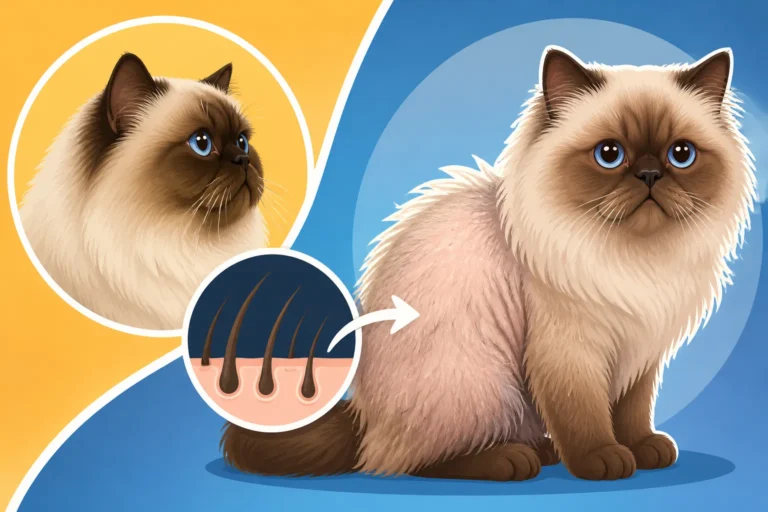
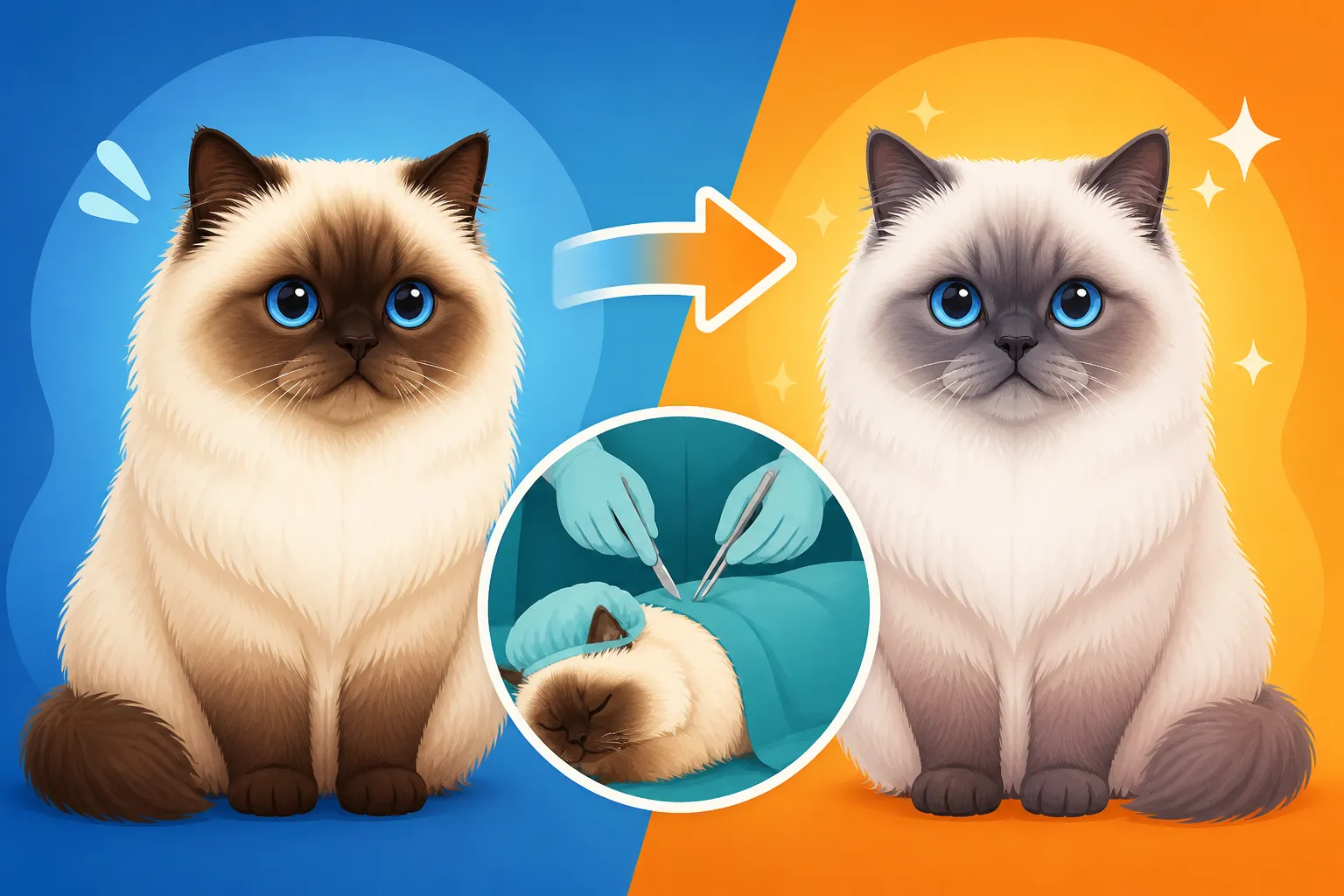
It can be quite startling, can't it? You bring your precious Himalayan home from the vet after a necessary surgery, and after all the worry and recovery, you notice something odd. That neatly shaved patch of fur, where the vet did their work, starts to grow back, but it's not the beautiful, pale body color you're used to. Instead, it comes in darker, sometimes even matching the rich points on their ears or tail. Many Himalayan owners panic, wondering if something is wrong, if their cat is somehow changed forever. Let me assure you, this is a completely normal, if not a bit peculiar, phenomenon that every Himalayan parent might encounter. This guide is here to unravel the mystery of why your Himalayan's coat changes color after surgery, what's really going on, and what you can expect during the regrowth process.
The Science Behind Your Himalayan's Pointed Perfection
To understand why a shaved patch of fur might grow back darker, we first need to appreciate the incredible, unique genetics that give your Himalayan their distinctive color points. It's a fascinating bit of biological magic that makes them so special.
How Temperature Controls Coat Color
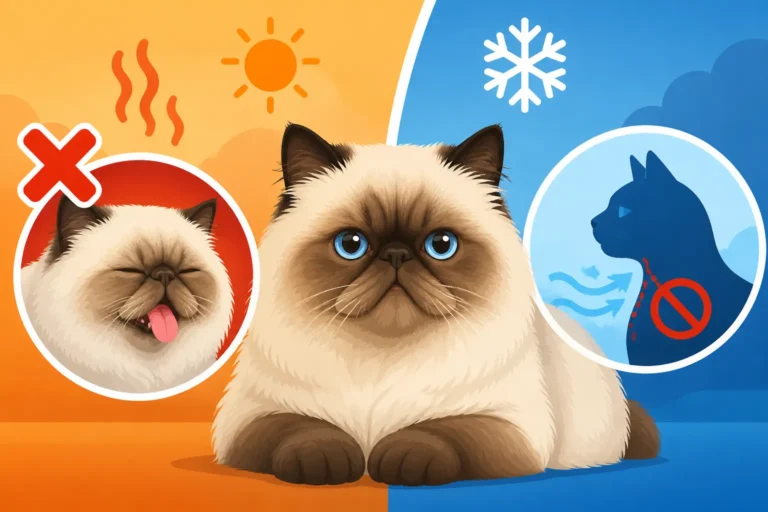
At the heart of your Himalayan's beautiful coloration is a special gene, a temperature-sensitive enzyme called tyrosinase. This isn't just a random quirk; it's a specific genetic trait shared by all pointed breeds, including the Siamese, from whom Himalayans inherited their stunning color pattern. This enzyme is responsible for producing melanin, the pigment that gives hair its color. But here's the kicker: this particular tyrosinase enzyme only works efficiently at cooler temperatures.
Think of it like this: your cat's body is a canvas, and the enzyme is the paint brush. When the "brush" is cold enough, it paints with pigment. When it's too warm, it stops painting. So, the parts of your Himalayan's body that are naturally cooler – like their ears, nose, paws, and tail (their "points") – are where this enzyme can do its best work, resulting in a rich, dark color. Conversely, the core of their body, which stays warm and cozy at a consistent internal temperature, inhibits the enzyme's activity. This is why their main body coat remains a beautiful, pale cream or white. It's a natural temperature map of their own fur! It’s truly amazing to witness Why the Cold Parts of a Himalayan Grow Dark Fur and Why the Warmest Parts of a Himalayan Stay Palest right on your kitty.
Why Every Himalayan Kitten is Born Almost White
This temperature-sensitive gene also explains one of the most charming aspects of Himalayan kittens: they are all born almost entirely white! When they are tucked away in their mother's warm womb, their body temperature is consistently high. This warmth prevents the tyrosinase enzyme from activating, meaning no pigment is produced in their fur.
As soon as they enter the world and are exposed to cooler environmental temperatures, the magic begins. Slowly but surely, over the first few weeks and months of their lives, their points begin to develop and darken. You can watch it happen in real-time – their little ears start to show a hint of color, then their nose and paws, and finally their tail. It's a gradual process, a beautiful unveiling of their genetic blueprint as they adapt to the world outside the womb. This early development phase is so captivating, watching When a Himalayan Kitten's Points First Appear and deepen with each passing week.
Surgery's Surprising Impact: Why Shaved Patches Darken
Now that we understand the intricate dance between temperature and pigment, it becomes clearer why a surgical procedure can lead to those unexpected dark patches on your Himalayan's coat. It’s not just the physical act of shaving, but also the physiological changes that occur during and after surgery.
The Immediate Effect of Shaving
When your Himalayan undergoes surgery, the veterinary team needs a clean, sterile area to work. This almost always involves shaving the fur away from the surgical site. Suddenly, an area that was once insulated by a thick, luxurious Persian-type coat is exposed directly to the cooler air of the operating room and then your home.
This direct exposure is the primary culprit behind the darker regrowth. The skin, now much cooler without its insulating fur, signals the temperature-sensitive tyrosinase enzyme to kick into high gear. It thinks, "Aha! This part of the body is cold enough to produce pigment!" And so, as the new hair follicles begin to grow, they start producing more melanin, resulting in fur that is visibly darker than the surrounding body coat. It's a direct consequence of the localized cooling effect. Many owners are surprised by How a Shaved Patch Regrows Darker on a Himalayan, but it’s just physics and biology at play.
Anesthesia and Body Temperature Changes
Beyond the simple act of shaving, the physiological processes involved in surgery can also play a role. Anesthesia, while vital for a humane and safe procedure, can often cause a temporary drop in a cat's core body temperature. Vets are meticulous about monitoring and maintaining a cat's temperature during surgery, but a slight, temporary dip is common.
Even a brief period of lower core body temperature can influence pigment production. If the entire body is slightly cooler, even for a few hours, the tyrosinase enzyme might become more active in areas it wouldn't normally, or it might enhance the effect in the newly shaved and exposed area. As your cat recovers, their body temperature returns to normal, but the initial stimulus for pigment production has already been set in motion for the regrowing hairs. It's a chain reaction, starting from the operating table.
The Post-Surgery Recovery Environment
The environment where your Himalayan recovers can also contribute to the phenomenon. After surgery, you'll naturally want to keep your cat comfortable and warm. However, if the ambient temperature in your home is generally cooler, or if your cat tends to lie in a cooler spot while recovering, this can further encourage the darkened regrowth.
Think about it: the shaved area is particularly vulnerable to environmental temperature fluctuations. While you might be keeping the room generally warm for your cat's comfort, the localized area of skin that's been shaved simply loses heat faster. This consistent, localized cooling during the weeks and months of regrowth reinforces the pigment production, leading to a more pronounced darker patch. It’s a subtle but significant factor in how prominently those dark spots will appear.
Navigating Coat Regrowth and Color Variations
So, you've got a recovering kitty with a brand new, slightly darker fashion statement. What exactly should you expect during this regrowth period, and how long will your Himalayan sport this unique look?
What to Expect During the Regrowth Phase
Once the initial recovery from surgery is over, your focus will shift to the regrowing fur. Initially, the shaved area might look sparse, almost like a thin layer of stubble. As it grows longer, you'll notice the darker coloration becoming more apparent. This isn't usually a uniform, solid color; sometimes it appears as a "ghost point" or a softer shade of their actual points, creating a distinct, darker patch on their usually pale body.
The timeline for complete regrowth can vary quite a bit. Your Himalayan has that glorious, long Persian coat, which means it takes a good while to grow back to its full length and former glory. We're talking months, not weeks. Typically, it can take anywhere from six months to over a year for the shaved area to fully match the surrounding coat in both length and original color. This is similar to the time it takes for a full trim to grow out, much like How Long a Himalayan's Lion Cut Takes to Grow Out. The color might slowly lighten over time as the fur grows longer and the area is no longer as directly exposed to cooler air, but it's a marathon, not a sprint.
Managing the Aesthetic of a Patch
It's completely natural to be a little concerned about the appearance of your beautiful Himalayan with a darker patch. Rest assured, this is purely a cosmetic change, and it's temporary. Your cat is still the same gorgeous companion, and this is just a little badge of their journey to good health.
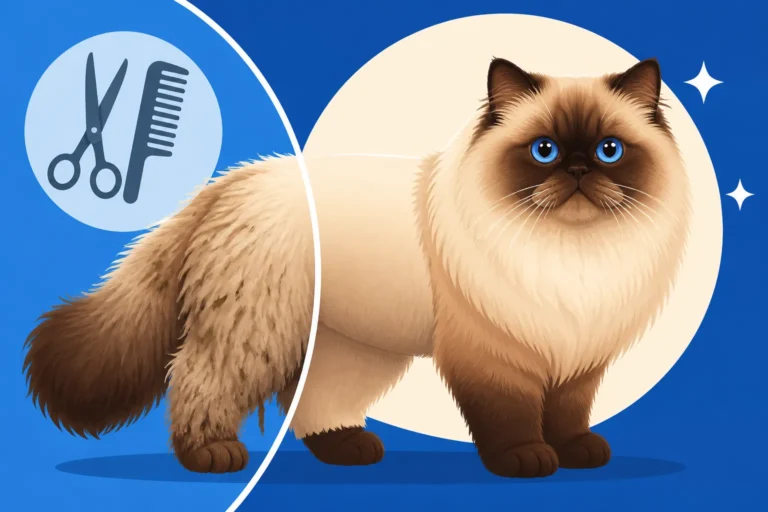
There's not much you can do to speed up the color change back to normal, as it's governed by temperature and regrowth cycles. However, regular, gentle grooming can help manage the area. As the fur grows, consistent combing will help prevent any tangles or mats from forming in the regrowing patch, and it will encourage healthy, even growth. While it won't change the color, it will make the coat look tidier and help blend the new growth with the old. A good quality steel comb, often available on Chewy or Amazon, is essential for keeping their magnificent coat in top condition. Speaking of combs, consider investing in a high-quality one, as What a Steel Comb for a Himalayan's Coat Costs is a worthwhile expense for coat health.
When to Consult Your Vet About Coat Changes
While a darker patch of regrowing fur is generally normal and harmless, it's always important to be vigilant for other signs that might indicate a problem. The color change itself is almost never a cause for medical concern.
However, if you notice any of the following, it’s time to call your vet:
- Persistent irritation or redness at the surgical site long after the initial healing.
- Delayed wound healing or any signs of infection (swelling, pus, strong odor).
- Excessive scratching or licking at the site, which could indicate discomfort or an allergic reaction.
- Hair loss that extends far beyond the shaved area, or patchy hair loss in other places.
- Any change in skin texture or the appearance of lumps or bumps.
These symptoms are unrelated to the color change itself but could point to an underlying issue that needs professional attention.
Maintaining Optimal Point Contrast and Coat Health
Beyond surgical recovery, there are general practices you can adopt to maintain your Himalayan's coat health and, if it matters to you, help preserve that lovely contrast between their pale body and dark points.
Environmental Temperature Management
Since temperature is the master sculptor of your Himalayan's coat color, managing their environment plays a significant role. A consistently warm indoor environment will naturally keep their body coat paler, as the tyrosinase enzyme will be less active in the warmer areas.
This doesn't mean you need to keep your house uncomfortably hot, but rather be mindful of extreme cold. For example, if your Himalayan frequently sleeps near a drafty window or in a particularly cold part of the house, you might notice their body coat subtly darkening over time. It's a gradual process, but cold exposure can cause Why a Himalayan in a Cold House Darkens All Over. Conversely, a cozy, climate-controlled home helps maintain their pristine pale body Whether a Himalayan Kept Warm Stays Paler. Providing soft, warm beds in draft-free areas can make a big difference.
Nutrition and Coat Quality
A healthy coat isn't just about external care; it starts from within. A well-balanced diet rich in essential nutrients is crucial for growing strong, vibrant fur.
Look for high-quality cat food that lists real meat as the first ingredient. Adequate protein is foundational for hair growth, as fur is primarily made of protein. Beyond protein, omega-3 and omega-6 fatty acids are incredibly beneficial. These healthy fats contribute to skin hydration and coat luster, helping to reduce shedding and prevent dryness. Many premium cat foods and supplements are formulated with these in mind. Checking What Protein Level a Himalayan's Coat Needs and Why Omega Oils Keep a Himalayan's Coat From Matting can guide your choices. A shiny, healthy coat is less prone to matting and will simply look better, even if it has a temporary darker patch.
Grooming for a Uniform Coat
Daily grooming is non-negotiable for a Himalayan, regardless of whether they’ve had surgery. Their long, dense Persian coat is prone to matting, and skipping even a day can lead to trouble. The Daily Comb a Himalayan Cannot Skip is not just a recommendation, it's a mantra for Himalayan owners.
Regular combing not only prevents mats but also stimulates blood circulation to the skin, which promotes healthy hair growth. While it won't change the color of the regrowing fur, it will ensure that the new hair comes in smoothly and blends as seamlessly as possible with the existing coat. Focus on getting a good, thorough comb through all layers of their fur, from the skin out, especially in areas prone to tangles like the armpits, britches, and ruff. Dedicating How Many Minutes a Day a Persian Coat Takes on a Himalayan to grooming will save you a lot of headaches (and vet bills for mat removal) down the line.
Here’s a quick overview of factors impacting coat color before and after shaving:
| Factor | Pre-Shave (Body Coat) | Post-Shave (Regrowing Patch) | Impact on Coloration |
|---|---|---|---|
| Tyrosinase Enzyme Activity | Low (inhibited by warmth) | High (stimulated by cooling) | Leads to pale body fur |
| Skin Temperature | Maintained by insulation | Exposed to cooler air/temps | Supports pale color |
| Insulation | Thick, long Persian coat | None (bare skin) | Keeps body warm, enzyme inactive |
| Anesthesia Effect | N/A | Potential slight body cooling | Not applicable |
| Recovery Environment | Consistent indoor temperature | Localized cooling of shaved area | Maintains overall point contrast |
| Regrowth Timeline | Established, stable coloration | Slow, gradual regrowth over months | Full length and color |
Disclaimer
This article is for general informational purposes only and does not constitute professional advice. Laws, prices and regulations vary by location and change over time. Consult a qualified professional for guidance on your specific situation.