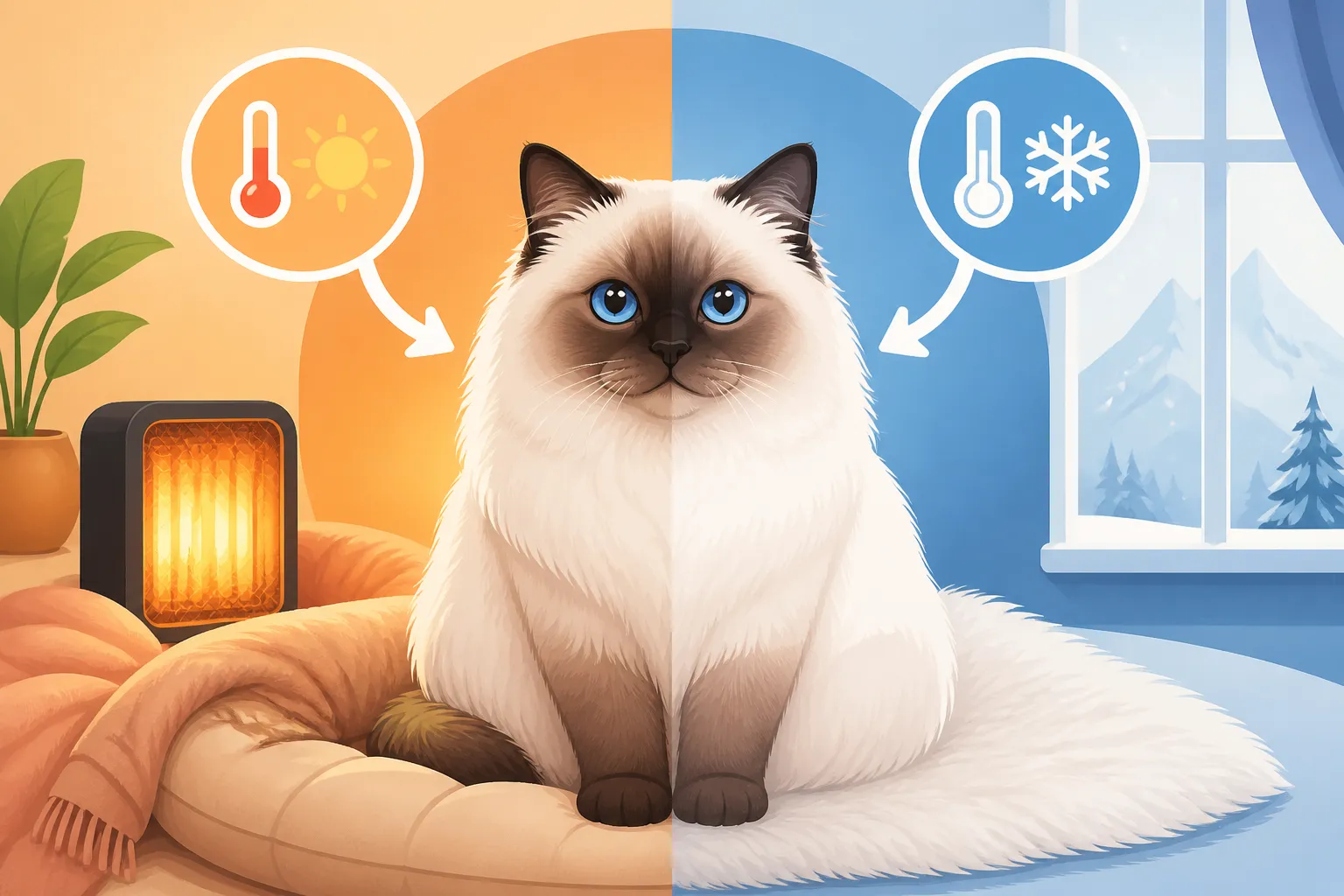
Whether a Himalayan Kept Warm Stays Paler
It's a common observation among Himalayan cat owners, isn't it? You look at your beautiful feline companion, perhaps notice their points seem a little darker than last year, or you wonder why that little shaved spot grew back with such dark fur. It makes you question if the temperature of your home, or even just a cool breeze, is secretly changing their exquisite coat. You're not alone in these thoughts, and there's a fascinating scientific reason behind these subtle (and sometimes not-so-subtle) shifts. This guide will dive deep into why your Himalayan's coat coloration is so intricately linked to temperature, and what that truly means for keeping them as pale as possible.
The Genetic Blueprint: Understanding Point Coloration in Himalayans
The stunning "points" on a Himalayan cat – those darker areas on their face, ears, paws, and tail – are what truly set them apart. This isn't just a random pattern; it's a carefully orchestrated genetic display that is directly influenced by temperature. Understanding this foundational science is key to grasping why keeping your Himalayan warm might indeed influence their coat's paleness.
The Temperature-Sensitive Enzyme
At the heart of your Himalayan's unique coloration is a special enzyme called tyrosinase. This enzyme is crucial for producing melanin, the pigment responsible for all fur color. What makes it so fascinating in pointed breeds like the Himalayan is that it's temperature-sensitive. Think of it like a tiny internal thermometer dictating where color can and cannot develop.
In warmer body temperatures, this tyrosinase enzyme is less active, almost like it's taking a nap. When it's dormant, it can't produce much melanin, resulting in the light, creamy body coat that Himalayans are famous for. However, in cooler areas of the body – the extremities like the ears, nose, paws, and tail – the enzyme becomes much more active. It's like it wakes up and starts producing pigment at full tilt, leading to the darker, more intense coloration we see in their points. This is why you'll often see distinct, sharp contrast in a well-bred Himalayan. It's all down to this clever little enzyme doing its job at varying temperatures across their body.
Why Kittens Are Born White
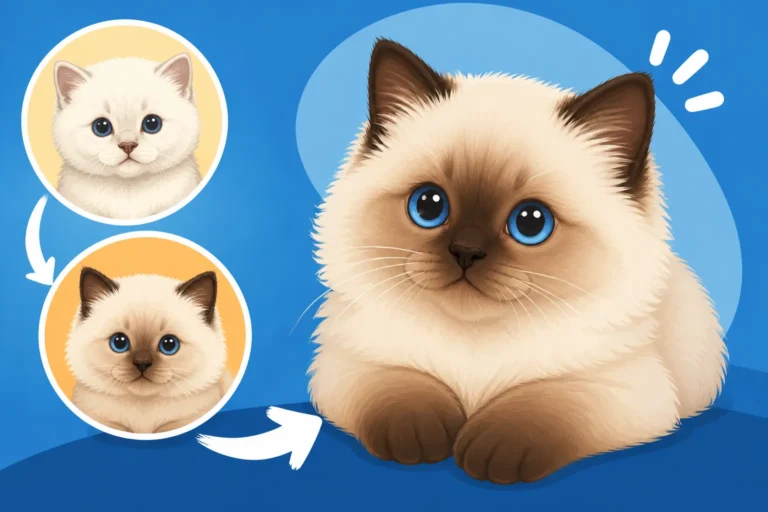
If this enzyme needs cooler temperatures to activate, it probably seems a bit puzzling that all Himalayan kittens are born almost completely white or a very pale cream. Where are their beautiful dark points? The answer lies in their cozy beginnings.
During gestation, inside their mother's womb, kittens are kept uniformly warm, at a comfortable body temperature that's consistent throughout. In this warm environment, the temperature-sensitive tyrosinase enzyme simply isn't activated enough to produce significant pigment. It's too warm for it to get to work. As a result, when they enter the world, they lack the characteristic dark points. Over the first few weeks and months of their life, as they are exposed to the cooler ambient air outside the womb, those cooler extremities start to trigger the enzyme. Slowly but surely, their points begin to develop and deepen, a magical transformation that unfolds right before your eyes. You can actually see this gradual darkening take place over their first few months, eventually settling into their permanent color. When a Himalayan Kitten's Face Finishes Developing is a great resource if you want to understand this process more fully.
Environmental Factors and Coat Development
So, with the science in mind, how much does your home environment really play a role? It turns out, quite a bit, but it's not always as straightforward as simply turning up the thermostat. The influence of external temperatures is observable and can impact both the overall shade of your cat's points and even how a temporarily shaved patch grows back.
The Impact of Ambient Temperature
It's true: a Himalayan cat living in a consistently warmer environment tends to maintain a paler body coat and often develops slightly lighter, softer points compared to one living in a cooler climate or a colder house. This is because the overall body temperature remains higher, which further suppresses the pigment-producing enzyme across more of the cat's body. Imagine a Himalayan who lives in a warm, sunny Florida home year-round versus one in a chilly New England house during winter. The Florida cat might have a creamier body and less intense point coloration simply because their enzyme is less active due to the ambient warmth.
This isn't to say you need to keep your home at tropical temperatures, but understanding that sustained warmth can contribute to a lighter body coat is insightful. Owners often notice that their cat's points might deepen slightly in winter months when the house is cooler, or if the cat spends a lot of time lounging on a cold floor. Conversely, in the summer, you might see a subtle lightening. It's a testament to how sensitive this genetic mechanism truly is. How Temperature Decides a Himalayan's Point Color offers even more detail on this fascinating phenomenon.
Shaved Patches and Pigment Return
One of the most striking demonstrations of the temperature-sensitive gene at work is what happens after a Himalayan has a patch of fur shaved, perhaps for a medical procedure or to remove a stubborn mat. Owners are often surprised, and sometimes even a little concerned, when that fur grows back noticeably darker than the surrounding body coat. This isn't a mistake; it's the gene doing its job!
When the fur is shaved, the skin in that area is suddenly exposed to the ambient air, which is typically cooler than the cat's core body temperature. This local drop in temperature "wakes up" the tyrosinase enzyme in that specific spot. The enzyme gets to work producing melanin, and voilà – the new fur grows in much darker. As the fur grows longer and provides more insulation, the skin underneath warms up again, and any subsequent new growth in that area might revert to the paler body color. It's a temporary but very clear illustration of how external temperature can directly impact the pigment production in your cat's fur.
Managing Coat Color and Contrast
While you can't fundamentally change your cat's genetic predisposition, you can certainly take steps to encourage a beautiful, well-contrasted coat. It's about working with their biology, not against it, and understanding that some changes are simply part of their natural aging process.
Practical Tips for Maintaining a Paler Body Coat
If your goal is to help your Himalayan maintain a wonderfully pale body coat and sharp points, there are a few practical considerations you can take:
- Maintain a Consistent, Comfortable Indoor Temperature: Avoiding extreme cold spots in your home can help keep their body coat lighter. If your cat loves to sprawl on cool tile floors, for example, consider offering soft, warm beds in those areas. A stable room temperature, not too hot but comfortably warm, is ideal.
- Provide Cozy Sleeping Spots: Ensure your Himalayan has plenty of soft, warm places to nap. Heated cat beds or even just extra blankets can help keep their core body temperature consistent, reducing the chances of extensive darkening across their torso.
- Consider Sun Exposure: While direct sunlight is wonderful for cats, prolonged sunbathing can sometimes lead to a slight darkening of the body coat due to the mild heating effect. It's a delicate balance, as cats love sunbeams! Perhaps offer shady spots for them to relax in on particularly bright days.
Remember, these are influences, not guarantees. Your cat's individual genetics will always play the biggest role in their ultimate color.
The Inevitable Darkening of Age
It's important to set realistic expectations because, regardless of how meticulously you manage your home's temperature, a Himalayan's points will naturally deepen over time. This is just a normal part of aging for these beautiful cats. As they mature, their metabolism changes, and their circulation might become less efficient, leading to slightly cooler extremities over longer periods. This prolonged coolness can trigger more consistent pigment production.
Many older Himalayans will eventually have a body coat that is a shade or two darker than their youthful cream, and their points will be significantly more intense, sometimes even appearing almost black in the case of a seal point. It's a graceful evolution, and simply part of their life story. Don't be disheartened if your senior cat isn't as strikingly pale as they were as a kitten; they're still magnificent. Why an Old Himalayan Looks Almost Solid Colored delves into this natural process in more detail.
Grooming and Overall Coat Health
While grooming doesn't directly alter the genetic mechanism of color production, maintaining a healthy, clean coat certainly enhances its appearance and can indirectly contribute to better contrast. A well-groomed coat, free of mats and debris, simply looks brighter and healthier, making the contrast between the pale body and dark points more striking.
Regular daily combing, using a high-quality steel comb often found on sites like Amazon or Chewy, is non-negotiable for a Himalayan. This prevents matting, which can trap dirt and even slightly alter the localized temperature of the skin underneath. Mats can also contribute to skin issues, which can further impact coat appearance. Furthermore, keeping their face clean, especially around the eyes and nose fold, helps prevent tear staining from becoming a permanent discoloration on their pale fur. You can find gentle wipes and grooming tools specifically designed for flat-faced breeds on online pet supply retailers. The Daily Comb a Himalayan Cannot Skip is an essential read for any Himalayan owner.
Here's a quick overview of factors influencing Himalayan coat color:
| Factor | Influence on Body Coat & Points | How it Works |
|---|---|---|
| Warm Ambient Temp. | Tends to keep body coat paler, points slightly softer. | Suppresses temperature-sensitive tyrosinase enzyme activity across the body. |
| Cool Ambient Temp. | Can lead to a slightly darker body coat and more intense points, especially in winter. | Activates tyrosinase enzyme more broadly, increasing melanin production. |
| Gestation (Womb) | Kitten born white/pale cream. | Uniform warmth in the womb completely suppresses pigment production. |
| Age | Points naturally deepen, body coat often darkens a shade or two over many years. | Changes in metabolism and circulation can lead to cooler extremities over time. |
| Shaved Patches | Fur grows back temporarily darker in the shaved area. | Skin exposed to cooler air, activating tyrosinase locally. |
| Direct Sunlight | Can cause slight temporary darkening of body coat due to heating effect. | Mild heating effect on the fur/skin can activate pigment production. |
| Nutrition | Indirectly affects overall coat health and luster, making colors appear more vibrant. | Healthy diet supports coat quality. |
Setting Realistic Expectations
It's wonderful to admire and appreciate the stunning coat coloration of your Himalayan, but it's equally important to approach the topic of color maintenance with realistic expectations. Your cat's coat is a living, breathing part of them, constantly interacting with their environment and their own internal biology.
Genetics Versus Environment
Always remember that genetics are the primary driver of your Himalayan's coat color. The gene for point coloration is inherited, and it dictates the potential range of color and contrast. Environmental factors like temperature act as modifiers within that genetic framework. Think of it like a dimmer switch: the gene sets the light bulb's wattage, and temperature controls how brightly that bulb glows. You can influence the brightness, but you can't change the bulb itself.
This means that while keeping your home comfortably warm can certainly help maintain a beautiful, pale body coat, it won't prevent the natural darkening that comes with age, nor will it drastically alter the fundamental shade of their points. A seal point will always be a seal point, even if living in a warm climate might make their points a slightly softer black than a cat raised in a colder environment. A Himalayan's Point Color Is a Record of Where It Sleeps illustrates this beautifully.
When to Seek Professional Advice
While gradual changes in coat color, especially darkening with age or slight seasonal shifts, are perfectly normal for Himalayans, there are times when a change in coat appearance might warrant a call to your veterinarian.
If you notice sudden, significant changes in fur color that aren't related to a shaved patch, or if the coat becomes dull, patchy, excessively shedding, or develops any skin irritation, these could be signs of underlying health issues. Metabolic disorders, nutritional deficiencies, or even certain skin conditions can impact coat quality and appearance. For instance, sometimes kidney issues can cause a dulling of the coat. An unexpected change in coat texture or color accompanied by other symptoms like lethargy, changes in appetite or thirst, or unusual grooming habits should always be investigated by a vet. Early detection of any health concerns is always best for your beloved Himalayan.
Disclaimer
This article is for general informational purposes only and does not constitute professional advice. Laws, prices and regulations vary by location and change over time. Consult a qualified professional for guidance on your specific situation.