Which Wipes Are Safe Around a Himalayan’s Blue Eyes
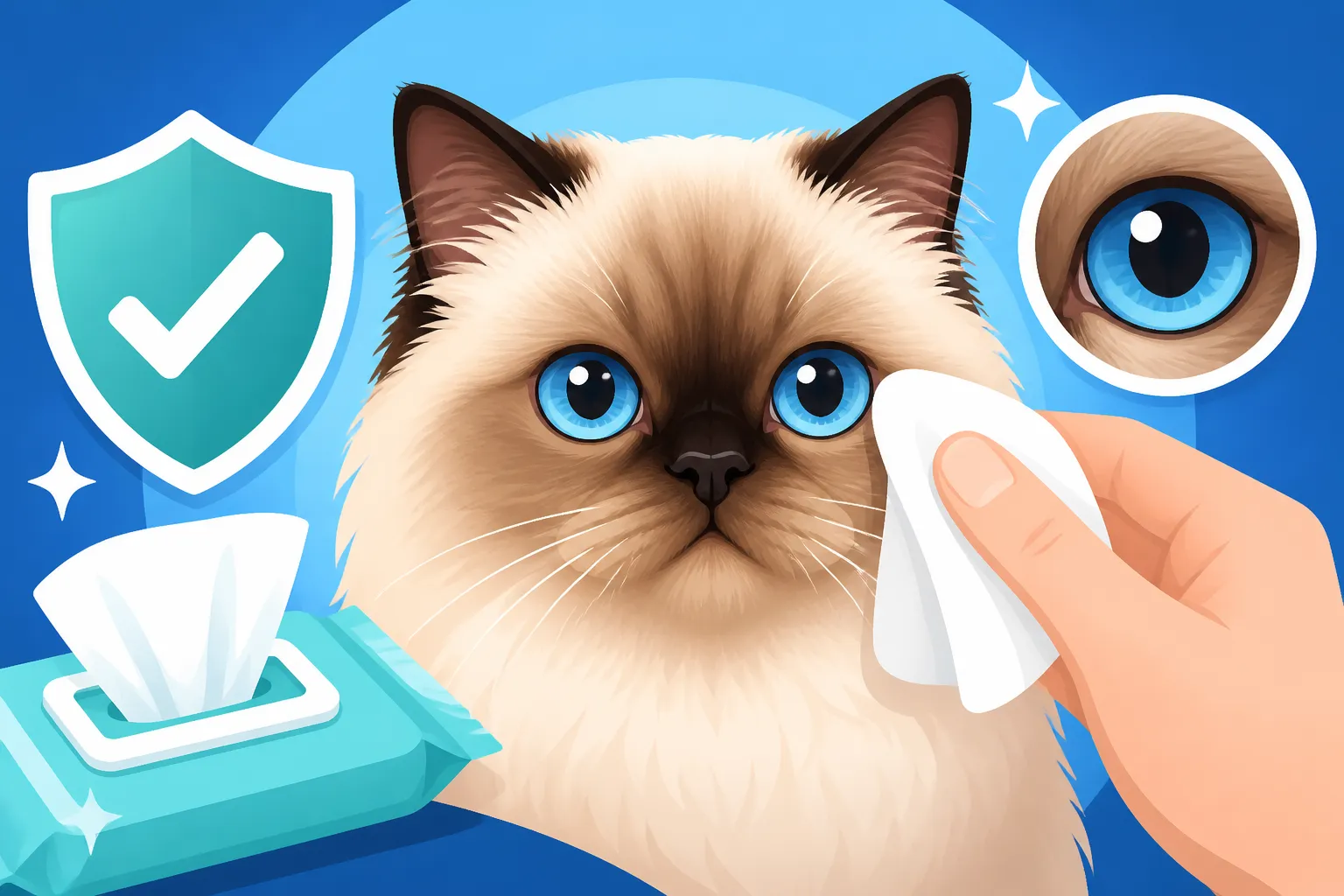
That constant dampness under your Himalayan's beautiful blue eyes, leading to those frustrating rust-colored streaks, is a battle many of us know all too well. It’s not just a cosmetic issue; that perpetually moist fur can become a breeding ground for irritation and even infections. This guide is here to walk you through exactly which wipes are genuinely safe and effective for keeping your cherished Himalayan's eyes sparkling clean and their delicate facial skin healthy, without causing more problems than they solve.
Understanding the Himalayan's Unique Eye Challenges
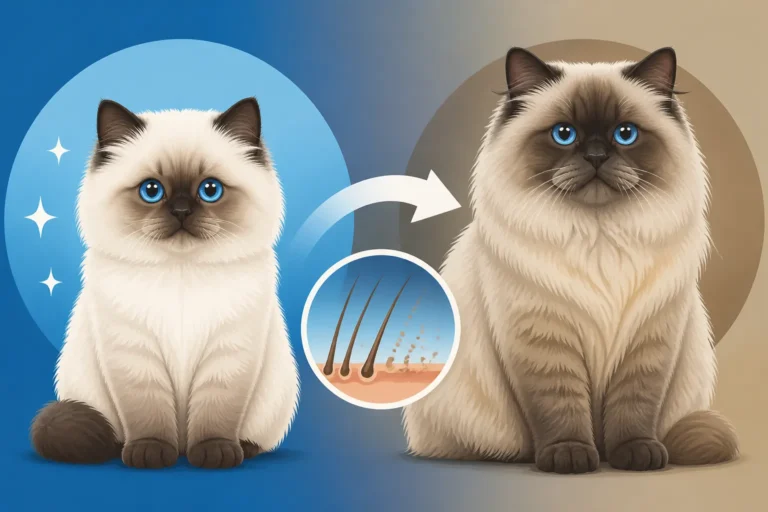
Our beloved Himalayans, with their stunning flat faces and prominent, soulful blue eyes, are undeniably gorgeous. But let's be real: that distinctive facial structure, known as brachycephalic, comes with its own set of challenges, especially around the eyes. Their short noses mean their tear ducts often take a more circuitous route or are simply not as efficient at draining tears away as they should be. This leads to an overflow, and those tears, rather than evaporating or draining internally, simply spill onto the fur below their eyes.
It's not just the volume of tears, either. Cat tears contain porphyrins, which are iron-containing molecules. When exposed to light and air, these porphyrins oxidize and turn that reddish-brown or rust color we all recognize. If the area stays damp for extended periods, it also creates a perfect environment for yeast and bacteria to thrive, which can exacerbate the staining and lead to an unpleasant odor or even skin irritation, known as dermatitis. You might notice your cat constantly rubbing their face or that the fur feels sticky and crusty. It's a never-ending cycle, and it can feel like you're constantly fighting a losing battle to keep them pristine. It’s perfectly normal to feel a bit overwhelmed by the daily grooming demands this specific trait brings. It's truly a testament to your dedication that you're seeking the best, safest ways to care for them. For a deeper dive into why this happens, you might find Why a Himalayan's Eyes Water All Day insightful, as it elaborates on the anatomical reasons behind the constant moisture.
What to Look For in Safe Eye Wipes
When you’re standing in the pet aisle, or browsing online, the sheer number of options for eye wipes can be bewildering. It's easy to grab something that promises a quick fix, but with a Himalayan's sensitive eyes and skin, especially with their long, delicate fur, ingredient scrutiny is paramount. We want to clean, not irritate, those beautiful blue eyes.
Key Ingredients to Avoid in Wipes
First things first, let's talk about what to steer clear of. Many commercial wipes, even some marketed for pets, can contain ingredients that are far too harsh for daily use around your Himalayan's delicate eye area. Think of how sensitive your own eyes are – now imagine that magnified for your cat.
- Harsh Chemicals and Bleaches: Any product containing actual bleach or harsh chemical lightening agents should be an immediate no-go. While they might seem to "remove" the stain, they do so by stripping or bleaching the fur, which can cause severe irritation, discomfort, and even chemical burns if it gets into the eye itself. These are absolute red flags.
- Alcohol: Alcohol, in any significant concentration, is incredibly drying and irritating to both skin and mucous membranes. It can sting, cause redness, and strip away natural oils, leaving the skin vulnerable and dry, which can lead to further itching and discomfort for your cat.
- Artificial Fragrances: While a pleasant scent might appeal to us, artificial fragrances are a common allergen for pets. They serve no beneficial purpose in an eye wipe and can easily trigger allergic reactions, leading to itching, redness, and further tearing. Always opt for fragrance-free options.
- Parabens: These are preservatives often used in cosmetics and personal care products. While their impact is debated, many pet owners prefer to avoid them due to concerns about potential endocrine disruption. When you have a choice, parabens are best avoided, especially around sensitive areas.
- Certain Antibiotics (for daily use): Some wipes contain mild antibiotics. While these can be beneficial for specific infections under veterinary guidance, using them daily without a diagnosed issue can contribute to antibiotic resistance and disrupt the natural microbial balance around the eye. Save antibiotics for when they are truly necessary and prescribed by your vet.
Key Ingredients to Seek Out in Wipes
Now, for the good stuff! When selecting an eye wipe for your Himalayan, look for ingredients that are gentle, natural, and formulated specifically for sensitive skin and eyes. The goal is to cleanse, soothe, and protect.
- Sterile Water/Saline Solution: The simplest and often best base for any wipe. Sterile water or a balanced saline solution effectively rinses away debris and crusts without irritation. This is often the primary ingredient in the most gentle wipes.
- Natural Cleansers (e.g., Witch Hazel, Boric Acid, Colloidal Silver, Chamomile Extract):
- Witch Hazel: In diluted, alcohol-free forms, witch hazel can be a mild astringent, helping to clean and reduce inflammation. Ensure it's specifically formulated for pets and free of alcohol.
- Boric Acid: Again, in very dilute and specific formulations found in pet-safe products, boric acid can act as an antiseptic to help with bacterial growth. It must be at the correct pH and concentration, so only trust products specifically designed for pet eyes.
- Colloidal Silver: This has natural antimicrobial properties and can be very gentle. It's often found in natural pet care products and can help combat yeast and bacteria contributing to staining.
- Chamomile Extract: Known for its soothing and anti-inflammatory properties, chamomile can help calm irritated skin around the eyes.
- Aloe Vera (Pet-Safe Forms): Aloe vera can be wonderfully soothing and moisturizing. Just ensure it's a pet-safe, purified form, as certain parts of the plant can be toxic if ingested. In wipes, it's typically processed to remove harmful components.
- pH Balanced: Human tears and skin have a specific pH, and so do cats. Wipes that are pH balanced to a cat's natural levels will be less irritating.
- Hypoallergenic: This label indicates that the product is formulated to minimize the risk of allergic reactions, which is crucial for sensitive cats.
- Veterinarian-Approved/Recommended: While not always explicitly stated on packaging, looking for brands that vets often recommend or those with clear veterinary oversight in their formulation is a good sign.
When you're shopping, whether at your local pet store or through online retailers like Chewy or Amazon, take the time to read those ingredient lists. Don't be swayed by marketing alone; the actual components are what truly matter for your Himalayan's well-being. Look for transparency in ingredients and check reviews from other flat-faced cat owners if possible.
Types of Safe Wipes and Their Applications
Now that we know what to look for, let's discuss the different forms these safe cleaning solutions take and how to best utilize them for your Himalayan. Each option has its own benefits, and you might find a combination works best for your routine.
Pre-moistened Disposable Wipes
These are probably the most convenient option for many busy cat parents. They come ready-to-use in a container, often with a resealable lid to keep them fresh.
- Convenience: There's no denying the ease of simply pulling out a wipe and going to work. This makes them ideal for daily maintenance, quick clean-ups, or when you're traveling. You don't need to gather cotton pads, water, and solution – it's all in one.
- Single-Use and Hygiene: Because each wipe is used once and discarded, they offer excellent hygiene. This significantly reduces the risk of transferring bacteria or yeast from one eye to the other, or from the cat's face to the container. It's a small but mighty detail that helps prevent secondary infections.
- Formulations: You'll find a wide range of pre-moistened wipes. Some are plain saline, perfect for simply rinsing and wiping away debris. Others are specifically formulated as "tear stain removers" and might contain gentle, natural ingredients like boric acid or colloidal silver to help break down existing stains and prevent new ones. Just remember to double-check their ingredient list against our "to avoid" list. Brands like Petkin or Angels' Eyes (specifically their wipe line, not the oral supplement) are often found on Chewy and are popular choices that generally adhere to safer ingredient profiles.
DIY Solutions with Cotton Pads or Balls
Sometimes, the simplest approach is the best, and creating your own gentle cleaning solution gives you complete control over the ingredients.
- Boiled and Cooled Water: This is arguably the most basic and safest option. Boiling water sterilizes it, and once cooled to a comfortable temperature (lukewarm is ideal), it's perfect for gently moistening a cotton ball or pad. This is excellent for daily cleaning to remove fresh tears and prevent crusting. It’s pure, gentle, and readily available.
- Diluted Saline Solution: You can purchase sterile saline solution (the kind used for contact lenses, but ensure it has no added preservatives or active ingredients) or make your own by dissolving a tiny pinch of non-iodized salt in boiled and cooled water. Saline is isotonic, meaning it has a similar salt concentration to your cat's body fluids, making it very gentle and non-irritating to the eyes.
- Application: For DIY solutions, always use fresh, sterile cotton pads or balls. Avoid using tissues or rough cloths, as these can be abrasive to the delicate skin. Dip a fresh cotton pad into your chosen solution, ensuring it's damp but not dripping, and gently wipe. Make sure you use a separate, fresh cotton pad for each eye. This is crucial to prevent the spread of any potential infection or irritation from one eye to the other.
Soft Cloths (Microfiber)
For an eco-friendlier, reusable option, soft cloths, particularly those made of microfiber, can be very effective.
- Reusability: The main advantage here is that you're not generating waste with every clean. You'll need a small collection of these cloths to ensure you always have a clean one on hand.
- Gentleness: Microfiber is known for its softness and ability to trap dirt and moisture effectively without being abrasive.
- Care and Hygiene: This is where reusable cloths require more diligence. Each cloth must be washed thoroughly after every use, preferably in hot water with a gentle, unscented detergent, and dried completely. Using a dirty cloth can introduce bacteria and make the situation worse. You'll use these cloths dampened with plain water or a DIY saline solution.
Regardless of your chosen method, the key takeaway is gentleness and hygiene. Your Himalayan's eyes are a delicate feature, and consistency is far more effective than harsh, infrequent cleaning. For advice on specific drops to soothe your cat's eyes, you might want to read Which Drops Suit a Himalayan's Exposed Blue Eyes.
The Daily Routine: How to Properly Clean a Himalayan's Eyes
Establishing a consistent daily routine is the single most effective way to manage your Himalayan's tear staining and keep their eyes healthy. It’s not just about wiping; it’s about creating a calm, positive experience that both you and your cat can accept. Remember, patience is absolutely key, especially if your cat isn't used to this level of face handling.
Step-by-Step Guide for Cleaning
- Gather Your Supplies: Have your chosen wipes (pre-moistened or cotton pads with your DIY solution) and a soft, dry cloth or tissue ready. Make sure your hands are clean.
- Choose the Right Moment: Pick a time when your Himalayan is relaxed, perhaps just woken up from a nap, or after a meal when they're settled. Avoid trying to clean their eyes when they're in a playful mood or stressed.
- Positioning and Gentle Handling: Gently cradle your cat in your lap, or have them on a stable, comfortable surface like a grooming table if they are accustomed to it. Speak to them in a calm, soothing voice. You might need to gently hold their head still with one hand.
- Loosen Crusts (if any): If there are any dried crusts, start by gently dabbing the area with a cotton pad moistened with plain, sterile, lukewarm water (or a plain saline wipe). Allow the moisture to soften the crusts for a few seconds before attempting to wipe them away. Never pull or rub aggressively, as this can tug on the delicate fur and skin.
- The Main Cleaning: Take a fresh, clean wipe (or a cotton pad with your solution). Start from the inner corner of the eye (nearest the nose) and gently wipe outwards, following the tear track. Use a light, feathery touch.
- Focus on the tear tracks: These are the primary areas where staining and moisture accumulate. Be thorough but gentle.
- Address the fold: Many Himalayans have a pronounced fold of skin right beneath their nose. This area can trap moisture and debris. Gently lift the fold if possible and wipe underneath it carefully.
- Use Separate Wipes for Each Eye: This is a non-negotiable rule. Even if both eyes look perfectly healthy, using a fresh wipe for each eye prevents any potential cross-contamination of bacteria or yeast.
- Drying the Area Thoroughly: This step is just as important as the cleaning itself. After wiping, use a soft, dry cloth or tissue to gently pat the area completely dry. Any lingering moisture will only contribute to renewed staining and potential skin irritation. Ensuring the nose fold is dry is especially critical, as moisture trapped there can quickly lead to an unpleasant odor or even infection. For detailed advice on this, you can check out Drying a Himalayan's Nose Fold So It Does Not Sour.
- Positive Reinforcement: Once the cleaning is done, reward your Himalayan with praise, a gentle cuddle, or a small, healthy treat. This helps them associate the routine with a positive experience, making future sessions easier.
Frequency of Cleaning
For most Himalayans prone to tear staining, a daily cleaning routine is necessary. In some cases, twice a day might be beneficial, especially if the staining is particularly heavy or if you live in a humid environment. The goal is to keep the area dry and clean, preventing the porphyrins from oxidizing and bacteria from flourishing. Consistency truly is the secret weapon here. Think of it like brushing your own teeth – a little bit every day makes a huge difference over time. To get an idea of how much time this might add to your daily schedule, How Long a Himalayan's Face Routine Takes offers a realistic perspective.
When Wipes Aren't Enough: Signs to Consult Your Vet
While diligent daily cleaning with safe wipes can work wonders for managing routine tear staining, there are definitely times when what you're seeing goes beyond normal maintenance. Your Himalayan's eyes are delicate, and any significant change or persistent issue warrants a professional veterinary check-up. As a responsible cat parent, knowing when to escalate from home care to professional help is crucial.
Red Flags That Require Veterinary Attention
Don't hesitate to contact your vet if you observe any of the following:
- Persistent Redness or Swelling: If the skin around the eyes, or even the white part of the eye itself (sclera), appears consistently red, inflamed, or swollen, it's a clear sign of irritation or infection that needs medical intervention. This isn't just cosmetic; it could be painful for your cat.
- Excessive or Abnormal Discharge: While normal tears are clear, watch out for discharge that is thick, yellow, green, or cloudy. This is a strong indicator of a bacterial or viral infection, which requires specific medication, not just wiping.
- Squinting, Pawing, or Rubbing: If your Himalayan is repeatedly squinting, holding one eye partially closed, pawing at their face, or rubbing against furniture more than usual, they are likely experiencing pain or discomfort in their eye. This could signal something lodged in the eye, an ulcer, or an infection.
- Changes in Eye Appearance (Cloudiness, Ulcers): Any cloudiness on the surface of the eye, a visible scratch, or a change in the pupil's appearance needs immediate veterinary attention. A corneal ulcer, for example, is incredibly painful and can lead to permanent vision damage if not treated promptly. What a Corneal Ulcer Looks Like on a Blue Eyed Himalayan gives more detail on this serious condition.
- Worsening Tear Staining Despite Consistent Cleaning: If you've been diligent with your safe wiping routine for weeks, and the staining actually gets worse, or new symptoms appear, it suggests an underlying problem that your wipes can't address. This could be due to blocked tear ducts, allergies, or an anatomical issue like entropion (where the eyelid rolls inward, causing eyelashes to rub against the cornea).
- Sudden Onset of Excessive Tearing: A sudden increase in tears, especially in one eye, could indicate an injury, a foreign body, or an acute infection.
- Unusual Odor Around the Face: A sour or yeasty smell indicates a fungal or bacterial overgrowth that needs a specific treatment plan, likely including medicated washes or creams.
These symptoms are often signs of more serious conditions that require proper diagnosis and treatment from your veterinarian. Your vet can perform a thorough eye exam, including checking for foreign bodies, assessing tear production, checking tear duct patency, and looking for corneal abrasions or ulcers. They may prescribe medicated eye drops, oral antibiotics, or even discuss surgical options for conditions like entropion or severely blocked tear ducts. Never try to self-diagnose or treat these more serious eye issues at home with over-the-counter products, as you could inadvertently cause more harm. Remember, Why a Himalayan's Eye Injury Cannot Wait Until Monday underscores the urgency of these situations.
It's worth noting that diet can sometimes play a role in tear staining, though not directly a cure-all. Some owners find that switching to high-quality, grain-free foods, or those with fewer artificial additives, can subtly reduce tear staining. The general principle of quality nutrition for overall health and reduced inflammatory responses applies to cats too. However, diet changes should always be discussed with your vet, especially if your cat has other health considerations.
Choosing the right wipes is a big step in proper Himalayan care, but staying vigilant for signs that indicate a deeper problem is the mark of a truly caring owner.
Safe Wipes and DIY Solutions for Himalayan Eyes: A Quick Comparison
To help you decide what's right for your Himalayan, here's a brief overview of the key considerations for different eye cleaning approaches:
| Feature | Pre-moistened Pet Wipes | DIY Saline/Water with Cotton Pads | Soft Microfiber Cloths |
|---|---|---|---|
| Convenience | High (ready to use, no prep) | Medium (requires fresh prep daily) | Medium (requires diligent washing after each use) |
| Hygiene | High (single-use, reduces cross-contamination) | High (if fresh pads used per eye) | Medium (risk of bacteria if not washed thoroughly) |
| Cost | Moderate to High (ongoing purchase of specific products) | Low (primarily cost of cotton pads/salt) | Low (initial purchase, long-term savings) |
| Ingredient Control | Moderate (must read labels carefully for harsh chemicals) | High (you control every ingredient) | High (you control what liquid you dampen them with) |
| Travel-Friendly | Very High (easy to pack) | Low (requires carrying multiple items) | Medium (can carry a few clean ones) |
| Best For | Daily maintenance, quick clean-ups, reducing stains | Gentle daily cleaning, sensitive eyes, basic rinsing | Regular cleaning, eco-conscious owners |
| What to Watch For | Harsh chemicals, alcohol, fragrances | Non-sterile water, rough cotton | Incomplete drying, using dirty cloths |
Disclaimer
This article is for general informational purposes only and does not constitute professional advice. Laws, prices and regulations vary by location and change over time. Consult a qualified professional for guidance on your specific situation.