How Long a Himalayan Takes to Come Down a Pound
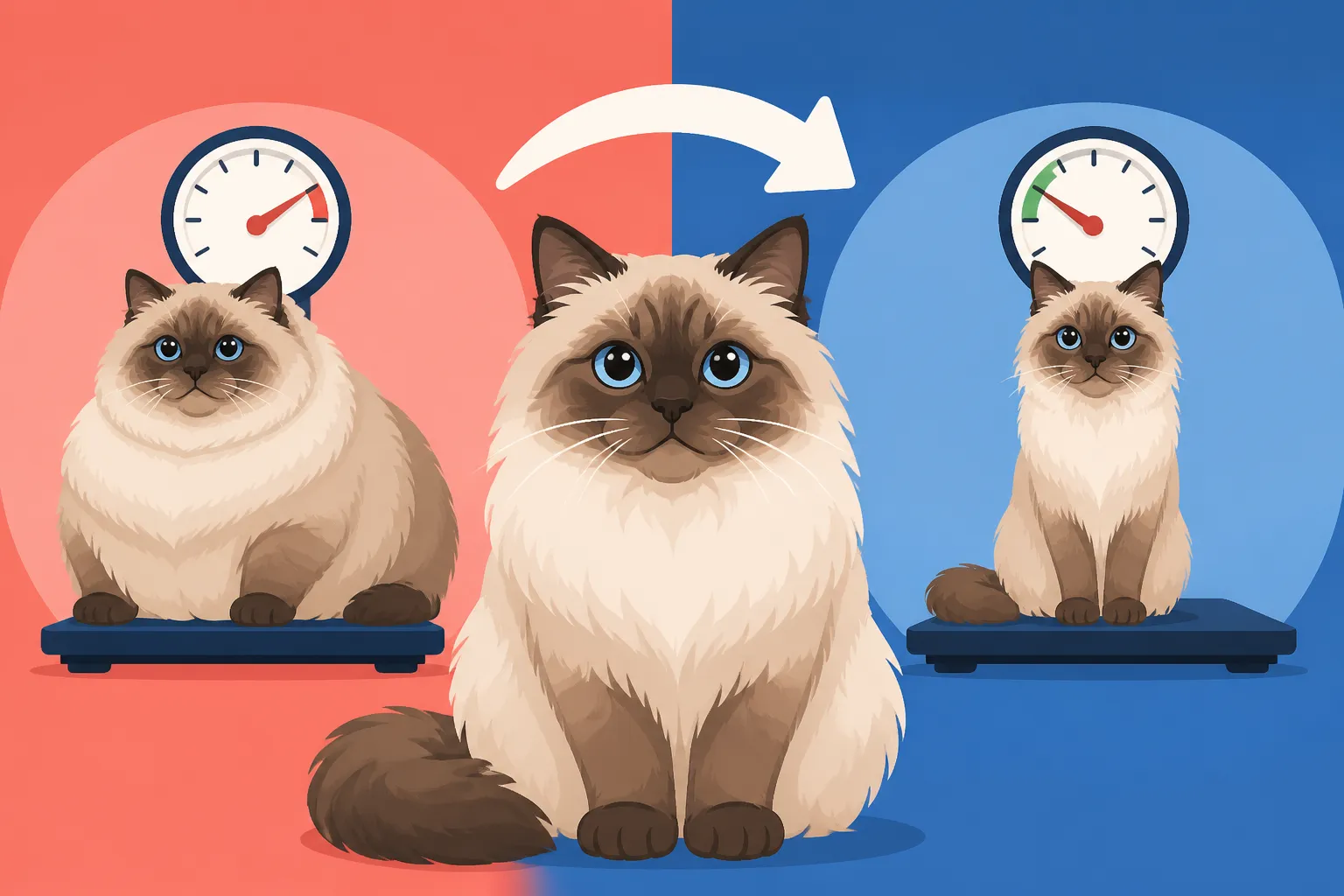
Bringing a beloved Himalayan cat down by a single pound might sound like a simple task, but anyone who has ever tried to manage a feline's weight knows it's rarely straightforward, especially with a breed as unique as ours. Their plush coats can hide subtle changes, their calm demeanor often means less activity, and their distinctive facial structure can even make eating certain foods a challenge. This guide is here to walk you through the realistic timeline and crucial steps involved in helping your beautiful Himalayan achieve a healthier weight, focusing on their specific needs and what you can expect on this journey.
Understanding the Himalayan's Unique Metabolism and Build
Before we even talk about how long it takes to shed a pound, we need to acknowledge that a Himalayan isn't just any cat. Their genetics, structure, and inherent activity levels all play a significant role in how they manage their weight, and consequently, how quickly they might lose it. It's not a race, but an understanding of their unique physiology can help set realistic expectations.
The Cobby Body and Lower Activity Levels
Himalayans inherit their cobby, sturdy body type from their Persian ancestors. This means they have a broad chest, short, thick legs, and an overall rounded appearance. While absolutely adorable, this build is naturally less agile and prone to carrying extra weight compared to more lithe, active breeds. Unlike a Siamese, which might race around the house for hours, a Himalayan is far more likely to be found gracefully draped over a favorite chair or warming a lap. This naturally lower activity level means they simply don't burn as many calories throughout the day.
We often joke that our Himalayans are professional nappers and connoisseurs of comfortable cushions, and it's largely true! This mellow disposition, while charming, means that even a small caloric surplus can quickly translate into weight gain. If your Himalayan spends most of its day in a cherished spot, enjoying a peaceful slumber, their metabolic needs are lower than a cat constantly exploring or engaging in vigorous play. This is why even a moderate amount of food can be too much if not precisely measured. It’s a common frustration for owners who feel like they aren't overfeeding, yet the weight creeps on. You might even find yourself wondering How Many Calories an Adult Himalayan Burns a Day just to get a baseline.
The Impact of the Persian Coat on Weight Assessment
Oh, that glorious, flowing Persian coat! It's one of the Himalayan's most defining features, a majestic cascade of soft fur that makes them look utterly regal. However, this magnificent coat, particularly the dense undercoat and voluminous ruff, can be a master of disguise when it comes to weight gain. What looks like a healthy, well-padded cat can often be an overweight one, with the extra fur obscuring the actual body condition. It’s hard to tell if it’s just fluff or truly extra pounds.
Many owners only realize their Himalayan has gained too much weight when they notice changes in grooming habits – perhaps the cat struggles to reach its hindquarters or develops mats in areas it used to keep pristine. This is often the first visual cue, but by then, a significant amount of weight might already be present. It takes a practiced hand to gently feel for the ribs and spine beneath that luxurious fur. Being able to How to Feel a Himalayan's Spine Through Its Ruff is a skill every owner should develop, as it's the most reliable way to assess body condition at home. We're used to seeing their round, soft outlines, but it's important to differentiate between a well-conditioned cat and one carrying too much fat.
Setting Realistic Weight Loss Goals and Timelines
When you're aiming to help your Himalayan lose weight, patience isn't just a virtue, it's a necessity. Unlike humans or even some more active dog breeds, cats, especially those with a slower metabolism like Himalayans, lose weight at a much more gradual pace. Rushing the process can be detrimental to their health.
Why Slow and Steady Wins the Race for Feline Weight Loss
For cats, rapid weight loss can be incredibly dangerous, leading to a severe liver condition called hepatic lipidosis. This occurs when the body mobilizes fat too quickly, overwhelming the liver's ability to process it, and it can be life-threatening. This is a crucial difference between feline and human weight loss strategies; what might be a healthy pace for us is far too fast for them.
A safe and sustainable rate for a cat to lose weight is typically around 0.5% to 2% of their total body weight per month. For a Himalayan, which might weigh anywhere from 7 to 12 pounds (approximately 3.2 to 5.4 kg) as a healthy adult, losing one pound represents a significant percentage of their body mass.
Let's consider an example:
- A 10-pound Himalayan needs to lose 1 pound.
- This is 10% of their body weight.
- If aiming for a 1% body weight loss per month, that one pound could take 10 months.
- If aiming for a more aggressive (but still safe) 2% body weight loss per month, that one pound could take 5 months.
So, you can see, losing a single pound is not a quick fix; it's a marathon, not a sprint. This gradual approach ensures your cat's body can adapt safely, minimizing stress on their organs and making the new dietary and activity routines sustainable long-term. Expecting a quick transformation will only lead to frustration for you and potential health risks for your beloved cat. It's a commitment, and it involves consistent effort over several months, if not longer.
Typical Timeline for a Himalayan to Lose One Pound
Based on the safe rate of 0.5% to 2% of body weight per month, and considering that a healthy adult Himalayan might ideally weigh between 8 to 12 pounds, here’s a realistic range for losing one pound:
| Current Weight (lbs) | Target Weight (lbs) | Pounds to Lose | Monthly Safe Loss (at 1% BW) | Estimated Time to Lose 1 lb |
|---|---|---|---|---|
| 9 | 8 | 1 | ~0.09 lbs | ~11 months |
| 10 | 9 | 1 | ~0.10 lbs | ~10 months |
| 11 | 10 | 1 | ~0.11 lbs | ~9 months |
| 12 | 11 | 1 | ~0.12 lbs | ~8 months |
| 13 | 12 | 1 | ~0.13 lbs | ~7.5 months |
| 14 | 13 | 1 | ~0.14 lbs | ~7 months |
Note: These are estimates based on a 1% body weight loss per month, which is a good conservative target. Actual rates can vary depending on individual metabolism, diet adherence, and activity levels. Always consult your vet for a personalized weight loss plan.
As you can see, the timeframe is considerable. This means that if your Himalayan needs to lose more than a pound – which is quite common if their weight gain has gone unnoticed under that magnificent coat – you're looking at a commitment of well over a year. The key is to celebrate small victories, like consistently stable weight or even half a pound lost. Regular weigh-ins (weekly or bi-weekly, at the same time of day) are crucial to track progress and make adjustments. Remember, a healthy weight is part of ensuring your cat's longevity, giving them The Nine to Fifteen Years a Himalayan Usually Gets.
Dietary Adjustments for a Himalayan's Weight Loss Journey
The cornerstone of any effective weight loss plan for a Himalayan, or any cat, is a carefully controlled diet. This isn't just about feeding less; it's about feeding smarter, ensuring they get all the necessary nutrients while reducing caloric intake.
Choosing the Right Food and Portion Control
The first step is usually transitioning to a veterinary-prescribed weight loss diet, or at least a high-quality, lower-calorie food designed for weight management. These diets are typically higher in protein to help maintain muscle mass, and higher in fiber to promote satiety, making your cat feel fuller on fewer calories. Avoid generic "light" foods unless specifically recommended by your vet, as their nutritional balance might not be appropriate for safe feline weight loss. Brands like Purina Pro Plan Veterinary Diets or Royal Canin Veterinary Diet often have excellent options that your vet can guide you towards. Many of these can be purchased through retailers like Chewy or Amazon.
Once you have the right food, portion control becomes paramount. This is where many of us struggle. It's easy to accidentally overfeed, especially when our cats give us those adorable, plaintive looks. Invest in a digital kitchen scale to accurately measure portions in grams or ounces. Scoops are notoriously inaccurate, and even a few extra kibbles a day can derail progress for a cat with a slow metabolism. Your vet will provide a target daily caloric intake based on your cat's ideal weight and current condition. This number will likely be significantly lower than what you were feeding before. Divide this daily amount into two or three small meals to prevent your cat from feeling overly hungry and to keep their metabolism ticking over.
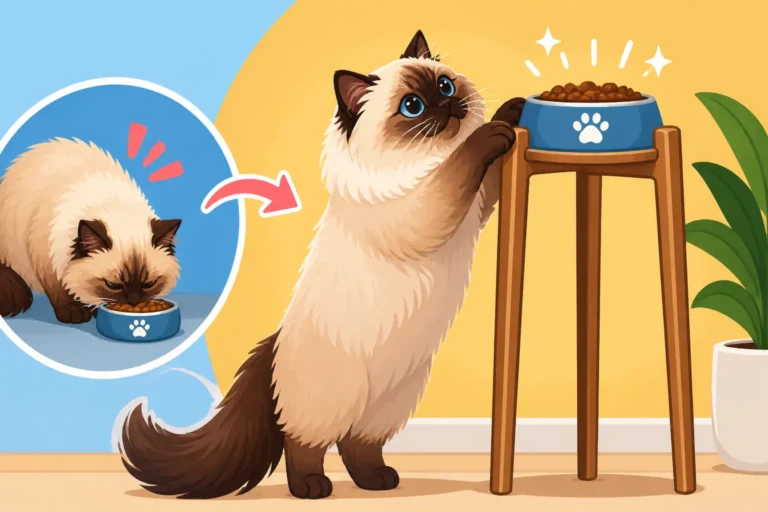
It's also essential to be mindful of how your Himalayan eats. Their unique flat face, particularly if they are a Peke-faced type, means they might struggle with certain bowl shapes or kibble sizes. Which Bowl Shape a Flat Faced Himalayan Can Use is a vital consideration. Wide, shallow bowls, or even flat plates, often work best, allowing them to access their food without bending their whiskers or pushing food out. Sometimes, switching to wet food can be beneficial as it has a higher water content, which can help with satiety, and it's generally easier for flat-faced cats to consume.
Minimizing Treats and Scraps
This is often the hardest part for us humans! Those little extra treats, a lick of tuna juice, or a tiny piece of cheese might seem harmless, but for a cat on a strict calorie-controlled diet, they can quickly add up and sabotage weight loss efforts. Think of it this way: a single small treat for a cat can be the caloric equivalent of a human eating an entire candy bar.
During a weight loss program, treats should be severely limited, if not entirely eliminated. If you absolutely must give treats, ensure they are very low-calorie, ideally veterinarian-approved options. Consider using a portion of their daily kibble allowance as treats for positive reinforcement during grooming or play, rather than adding extra calories. For instance, if you're working on getting your cat used to having its face wiped, using a single piece of their regular kibble as a reward is far better than a processed treat.
Also, be vigilant about family members who might be unknowingly slipping your Himalayan extra food. It's an act of love, but it's not helping their health. A clear family meeting about the importance of the diet is often necessary to ensure everyone is on the same page. Remember that Why a Himalayan Drops Food Onto Its Ruff is a common problem, so make sure any food dropped is not then consumed. A cat that knows its routine and expectations is generally happier, and Why a Himalayan Expects to Be Fed at the Same Hour means consistency is key.
For cats accustomed to free-feeding, the transition to scheduled meals can be challenging. Some pet parents find success with automated feeders that dispense precise amounts at set times, which can be found on Amazon. This removes the temptation to "top up" the bowl and establishes a consistent routine.
Incorporating Gentle Activity and Monitoring Progress
Diet is crucial, but increasing your Himalayan's activity level, even slightly, can significantly aid in weight loss and improve their overall well-being. Coupled with diligent monitoring, you'll be able to guide your cat effectively towards a healthier weight.
Encouraging Movement for a Sedate Breed
Let's be honest, a Himalayan isn't going to be scaling the drapes or performing acrobatic feats. They are, by nature, a more laid-back breed, often content to observe the world from a comfortable perch rather than actively participate. This means we, as their guardians, need to get creative in encouraging movement without stressing them out.
Short, gentle play sessions are key. Think wand toys with soft feathers that mimic prey, or laser pointers (used responsibly, always ending with a tangible reward like a real toy or treat to prevent frustration). Engage them for 5-10 minutes, two or three times a day. Watch for signs of overheating or heavy breathing – Himalayans, especially those with flatter faces, can struggle to cool down, so stop play before they get too winded. How Soon a Himalayan Starts Panting During Play can be quite quickly, so observe them closely.
Puzzle feeders are another excellent tool. Instead of simply placing their measured meal in a bowl, put a portion of their kibble in a puzzle feeder that requires them to "work" for their food. This slows down eating and provides mental stimulation, burning a few extra calories in the process. Ensure you choose a puzzle feeder that a flat-faced cat can comfortably use; many are designed for cats with longer muzzles and can be frustrating for a Himalayan. Brands like PetSafe or Trixie offer various puzzle feeders, some suitable for flat-faced breeds, often available on Chewy or Amazon. Remember, even a minute or two of active engagement multiple times a day adds up over weeks and months.
Consider vertical space, but make it accessible. While Himalayans aren't typically jumpers, low, sturdy cat trees with wide platforms can encourage them to move up and down. Steps or ramps can also help them access elevated spots like a favorite window perch without strenuous jumping. Anything that breaks up their sedentary routine, even small increments, is beneficial. They might surprise you with a quiet, observant playfulness you hadn't seen before.
Consistent Monitoring and Adjustments
Monitoring your Himalayan's progress is critical for safe and effective weight loss. Weekly or bi-weekly weigh-ins, ideally at the same time of day on the same scale, will provide the data you need. A small digital baby scale or a pet scale is ideal for accurate readings. Record the weight in a journal or on your phone so you can track trends.
Beyond the numbers, pay attention to your cat's body condition. As they lose weight, you should gradually be able to feel their ribs with light pressure, without them being visible. Their waist should also become more apparent when viewed from above. Regularly checking for these physical cues will give you a better understanding of their progress than just the scale alone. Your vet can show you how to do a proper body condition score assessment at home.
Your veterinarian is your most valuable partner in this journey. They will help you establish the target weight, calculate the appropriate caloric intake, and rule out any underlying medical conditions that could be contributing to weight gain (like thyroid issues, though less common in cats than dogs, or other metabolic disorders). Regular check-ups are essential to ensure the weight loss is healthy and that your cat is thriving. If progress stalls, or if your cat seems lethargic or unwell, it's time to consult your vet. They can help adjust the diet or activity plan as needed. Sometimes, even Which Blood Values a Himalayan's Kidney History Demands can impact their ability to lose weight or the diet they can tolerate.
Remember, a pound is a significant amount for a cat. While it might take several months, the dedication you put into helping your Himalayan reach a healthy weight will contribute immensely to their overall health, comfort, and a longer, happier life.
Disclaimer
This article is for general informational purposes only and does not constitute professional advice. Laws, prices and regulations vary by location and change over time. Consult a qualified professional for guidance on your specific situation.