Which Litter Does Not Cling to a Himalayan’s Britches
Oh, the daily saga of the majestic Himalayan cat and their magnificent, yet sometimes troublesome, britches! If you're a Himalayan parent, you know the frustration: that beautiful, flowing fur around their hindquarters is a magnet for litter, leading to endless clean-ups, potential mats, and a cat who might not feel as pristine as they look. This guide is here to tackle that very specific, very real problem, diving deep into why it happens and, more importantly, what types of litter and care strategies can help keep your fluffy friend's britches clean and comfortable.
Understanding the "Why" Behind the Cling
Before we can solve the problem of litter sticking to your Himalayan, it helps to understand why it happens. It's not just bad luck; it's a combination of their unique physiology and magnificent coat that makes them particularly susceptible.
The Luxurious Persian Coat and Its Undercoat
Himalayans, as you know, inherit that stunning, dense double coat from their Persian lineage. This isn't just a single layer of fur; it's a thick, long outer coat combined with a soft, woolly undercoat that provides incredible insulation and that characteristic fluffy appearance. While absolutely gorgeous, this dual-layer system is a prime candidate for trapping all sorts of things. The outer guard hairs are long and silky, but the undercoat is much finer and more prone to static and entanglement, especially when it comes into contact with fine particles. Think of it like a natural broom, sweeping up everything in its path, including litter. This density means that even a small amount of litter picked up can quickly become embedded, requiring diligent grooming to remove. How Much Undercoat a Himalayan Carries Under Its Points explains just how much fluff we're talking about!
The "Britches" – A Magnet for Litter
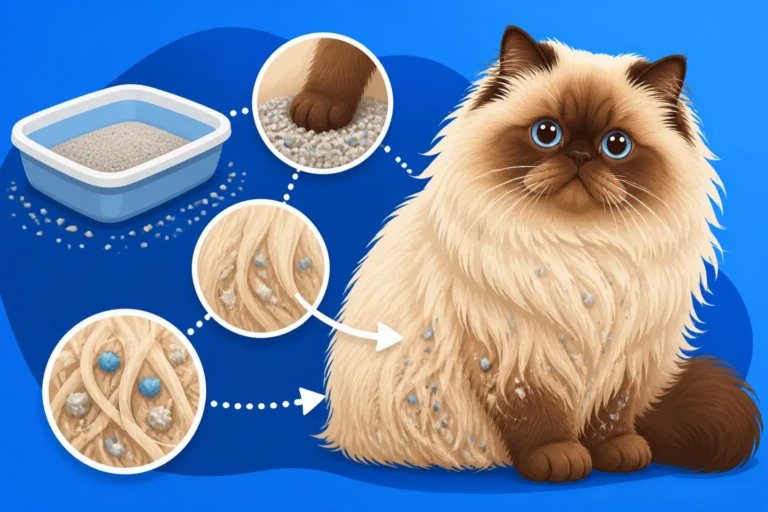
The term "britches" refers to the long, flowing fur that extends from a Himalayan's hindquarters, down their legs, and often sweeps the ground. This area, by its very nature, is right in the line of fire when your cat uses the litter box. As they squat, the britches often dip or brush against the litter, and as they exit, the movement of their legs and tail can stir up dust and particles, which then easily adhere to the fur. It's a double-whammy: direct contact and airborne particles. Why Litter Ends Up in a Himalayan's Britches goes into even more detail about this specific challenge. The longer and denser this fur is, the more surface area there is for litter to cling to, turning a simple bathroom break into a grooming emergency.
Characteristics of Litter That Clings
Not all litters are created equal, especially when you're dealing with a long-haired breed like a Himalayan. Some types are just inherently more likely to become unwelcome passengers on your cat's britches. Understanding these characteristics can guide your choices.
Fine Grains and Dust – The Ultimate Adversaries
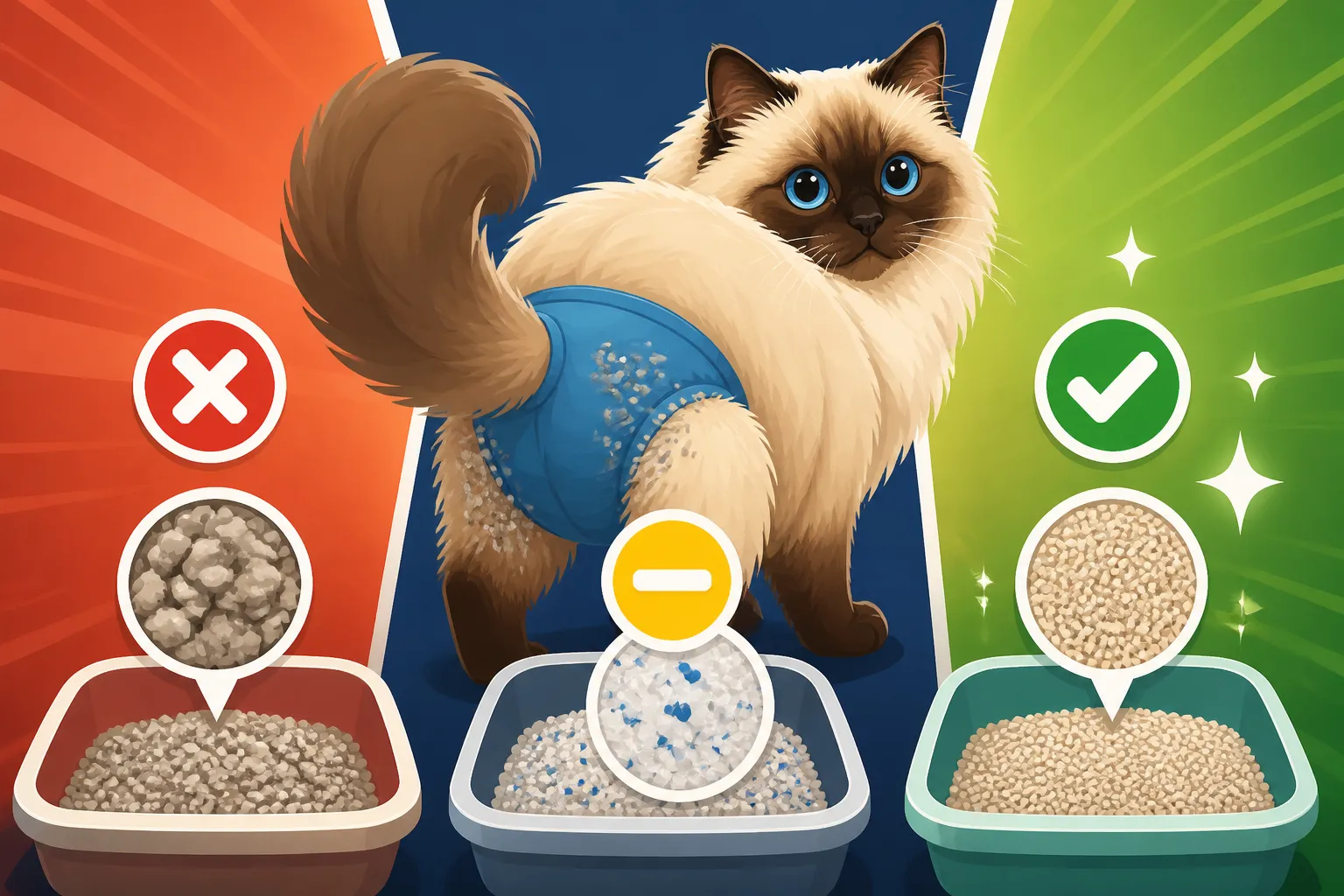
Traditional clay litters, particularly those marketed as "ultra-clumping" or "scoopable," often consist of very fine granules. While great for forming tight clumps, these tiny particles are the worst culprits for sticking to fur. Their small size allows them to easily weave their way deep into the undercoat. Moreover, many of these litters generate a significant amount of dust, especially when poured or when your cat digs. This dust then settles on the fur, and any subsequent moisture (like residual urine) can turn it into a sticky paste that's incredibly difficult to brush out. Imagine fine sand sticking to wet fur – that's essentially what happens. This fine texture also makes it prone to tracking throughout your home, sticking to paws and then eventually finding its way into the britches during grooming.
Moisture Absorption and Clumping Power
The very feature we often praise in cat litter – its ability to absorb moisture and clump tightly – can become a problem for Himalayans. While fast absorption is good in theory, if a fine-grained litter comes into contact with the fur before it has a chance to fully absorb and clump into a solid mass, it can create a messy, sticky situation. The wet litter adheres to the fur, and as it dries, it hardens, forming stubborn, concrete-like clumps directly on the britches. This isn't just unsightly; it can be painful for your cat, pulling on their sensitive skin. These mini-clumps can also lead to mats if not removed immediately, necessitating much more involved grooming sessions. Why a Missed Day Costs a Himalayan a Mat highlights the severity of matting for these cats.
Your Best Bets: Litters Designed to Resist Clinging
Now for the good news: there are types of litter that are far less likely to become embedded in your Himalayan's glorious coat. Making a switch can significantly reduce your grooming woes and keep your kitty happier.
Larger Granule and Pellet-Based Litters
When you're trying to prevent cling, thinking bigger is often better. Litters with larger granules or pellet forms are much harder for a Himalayan's fine fur to pick up and hold onto. They simply don't have the same ability to embed deep into the undercoat.
- Wood Pellets: These are a fantastic option. Made from compressed sawdust, wood pellets are larger, heavier, and produce very little dust. When they absorb moisture, they break down into sawdust, but usually not until after the cat has left the box, reducing the chances of wet litter sticking to the britches. Brands available on Chewy or Amazon often offer these in bulk.
- Silica Gel (Crystal) Litter: Another great choice due to its larger, non-clumping crystals. These crystals absorb moisture internally and dehydrate solid waste, rather than forming large, sticky clumps. They are also virtually dust-free. While typically more expensive upfront, they last longer and can be a godsend for managing coat cleanliness.
- Corn or Wheat-Based Litters with Larger Grains: Some natural litters made from corn or wheat come in larger, coarser granules compared to fine clay. While still clumping, their larger size makes them less prone to sticking. Always check the texture; some brands have fine versions, but others specifically offer larger, less-clingy options.
Consider trying a few different brands to see what works best for your cat and your home. What one cat tolerates, another might not, but the general principle of larger particle size holds true.
Low-Dust and Natural Fiber Options
Beyond granule size, the dust factor is huge for Himalayans. Less dust means less airborne particulate to settle on their fur and less "paste" forming.
- Low-Dust Clay Litters (If You Must Stick to Clay): If your Himalayan absolutely refuses anything but clay, seek out premium brands specifically advertised as "99.9% dust-free." While no clay litter is truly 100% dust-free, these are a marked improvement. You might find these on Amazon with many reviews from other long-haired cat owners.
- Recycled Paper Pellets: Similar to wood pellets, these are larger, soft, and highly absorbent. They are virtually dust-free and offer a gentle option for sensitive paws while being excellent at resisting adherence to fur. They are also biodegradable, which is a nice bonus.
- Walnut Shell Litters: Some natural litters made from crushed walnut shells offer a good balance of clumping ability and lower dust. The texture tends to be less fine than traditional clay, making it less likely to cling. These are often found in specialty pet stores or online at places like Chewy.
Here’s a quick comparison of popular litter types and their cling potential:
| Litter Type | Granule Size | Dust Level | Clumping Action | Cling Potential to Britches | Notes |
|---|---|---|---|---|---|
| Fine Clay (Ultra-Clumping) | Very Fine | High | Strong, forms hard clumps | Very High | Prone to embedding and creating sticky paste. |
| Coarser Clay | Medium-Fine | Medium | Strong | High | Better than fine, but still can cling. |
| Wood Pellets | Large (Pellet) | Very Low | Breaks into sawdust | Very Low | Excellent for preventing cling, low dust. |
| Silica Gel (Crystals) | Large (Crystals) | Very Low | Absorbs moisture internally | Very Low | Great for coat, can be pricier. |
| Recycled Paper Pellets | Large (Pellet) | Very Low | Forms soft clumps | Very Low | Soft on paws, eco-friendly. |
| Corn/Wheat (Fine Grain) | Fine | Medium-Low | Strong | Medium-High | Some brands can still be too fine. |
| Corn/Wheat (Coarse Grain) | Medium | Low | Strong | Medium | A better natural alternative. |
| Walnut Shell | Medium | Low | Strong | Medium-Low | Good natural option, unique texture. |
Beyond the Litter Box: Other Strategies for a Clean Himalayan
While choosing the right litter is paramount, it's just one piece of the puzzle. A truly clean Himalayan, especially one with pristine britches, requires a holistic approach that includes grooming, proper litter box setup, and even diet.
Regular Grooming and Trimming the Britches
This is non-negotiable for any Himalayan owner. Their magnificent coat requires daily attention, and the britches are a critical area.
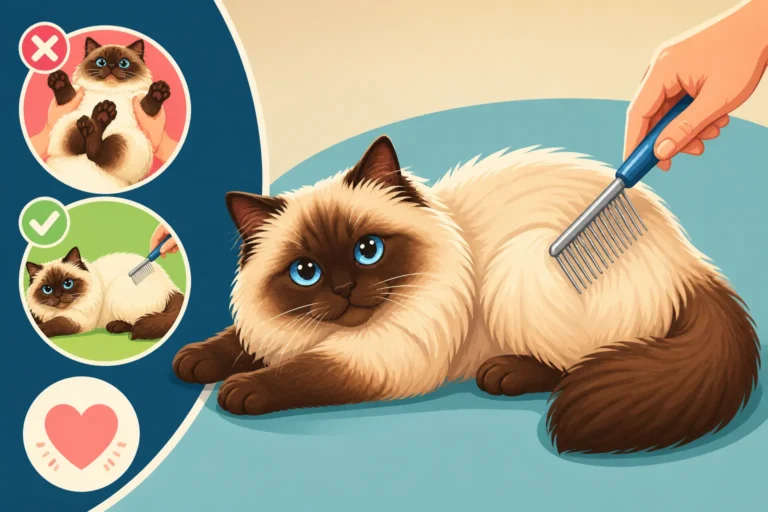
- Daily Combing: A good quality steel comb is your best friend. Make it a routine to gently comb through your cat's britches every single day. This removes any loose litter particles before they have a chance to get deeply embedded or, worse, contribute to matting. How Many Minutes a Day a Persian Coat Takes on a Himalayan really emphasizes the time commitment here. Remember, a quick pass is better than none at all.
- Sanitary Trim: Many Himalayan owners opt for a "sanitary trim" or "britches trim." This involves carefully trimming the fur around their hindquarters, anus, and inside of their back legs to a shorter length. You don't need to shave it bald, just shorten it enough so it doesn't drag in the litter. This significantly reduces the surface area available for litter to cling to. If you're not comfortable doing this yourself, a professional groomer can easily handle it. Just be sure to use blunt-nosed scissors if you do it at home, or better yet, invest in a small, quiet pet trimmer. Combing a Himalayan's Britches Without Turning It Over might offer some good tips for handling this delicate area.
- Spot Cleaning: Keep cat-safe wipes nearby for quick clean-ups after particularly messy litter box visits. This can prevent small issues from becoming big ones.
Litter Box Selection and Placement
Believe it or not, the litter box itself and its location can influence how much litter ends up on your cat.
- Low-Sided Boxes: Himalayans have relatively short legs and a cobby body. A litter box with very high sides can make it awkward for them to get in and out, potentially causing their britches to drag more across the litter as they maneuver. A box with a lower entry point, or even a cut-out, can facilitate easier access and exit, minimizing contact. Why a Short Legged Himalayan Needs a Low Sided Box highlights this exact point.
- Large Box Size: Give your Himalayan plenty of room to move around, dig, and turn without pressing their fur against the sides or having their britches dip excessively. A spacious box allows them to find a clean spot and position themselves comfortably.
- Litter Mat: Place a litter trapping mat directly outside the box. These mats have textures designed to gently dislodge litter from paws (and some from britches as they step out), preventing it from being tracked further into your home and reducing the amount that ends up stuck in their fur. You can find many effective options on Amazon that are easy to clean.
Diet and Hydration's Unexpected Impact
While not directly about litter, a healthy coat and skin can indirectly impact how well your cat sheds unwanted debris. A coat that is dry, brittle, or prone to static can be more likely to hold onto litter.
- Balanced Diet: Ensure your Himalayan is on a high-quality, nutritionally complete diet. Omega fatty acids, often found in good cat food or supplements, contribute to skin health and a lustrous coat that is less prone to matting and static cling. If you're exploring high-quality foods, fresh, human-grade options can contribute to overall coat health.
- Ample Hydration: Proper hydration is vital for healthy skin and fur. Make sure your cat always has access to fresh, clean water. Some cats prefer running water from a fountain, which can encourage them to drink more.
The battle against clinging litter can feel never-ending, but with the right choices and consistent effort, you absolutely can keep your Himalayan's beautiful britches clean and tangle-free. It’s a labor of love, but one that ensures your regal companion remains comfortable and magnificent, as they should be!
Disclaimer
This article is for general informational purposes only and does not constitute professional advice. Laws, prices and regulations vary by location and change over time. Consult a qualified professional for guidance on your specific situation.