Why the Himalayan Stayed Popular
One of the biggest questions I hear from new cat parents, or those simply admiring the stunning beauty of a Himalayan, is "How on earth did this breed become so popular, and why has that popularity endured?" It’s a fair question, especially when you consider the unique care needs and the distinctive appearance that sets them apart. This guide is dedicated to exploring the multifaceted reasons behind the Himalayan cat's sustained popularity, delving into their captivating looks, charming personalities, and surprisingly adaptable nature that has won the hearts of countless feline enthusiasts over the decades.
The Enduring Allure of the Himalayan's Distinctive Appearance
Let's be honest, the first thing that draws most people to a Himalayan is their absolutely breathtaking appearance. They are, in a word, striking. That combination of a long, flowing coat and those mesmerizing blue eyes is instantly recognizable and incredibly appealing. It’s a look that stands out in a crowd of even the most beautiful cats, and it's a huge part of why they've carved out such a special place in the hearts of cat lovers globally.
That Unmistakable Pointed Coat and Blue Eyes
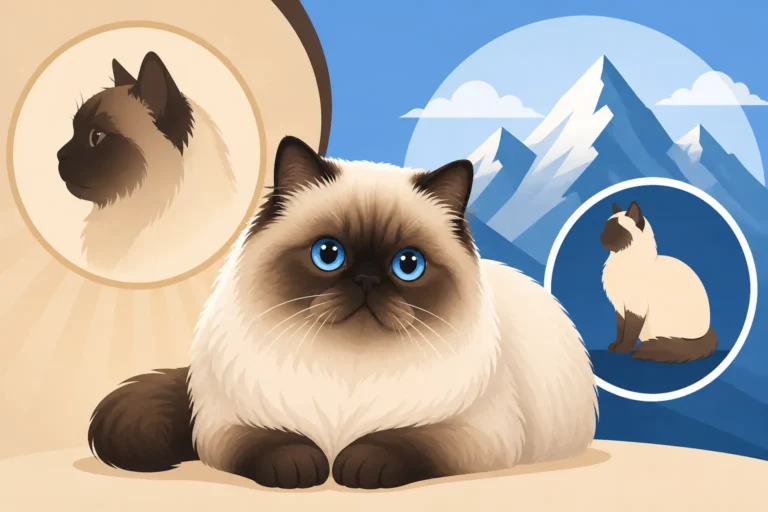
The Himalayan's signature "pointed" coat pattern is truly a marvel of genetics and aesthetics. Imagine a cat with a creamy, pale body, almost like a pristine canvas, suddenly graced with darker points – ears, face, paws, and tail – in shades ranging from deep seal brown to cool blue, fiery red, or delicate lilac. This dramatic contrast isn't just pretty; it tells a story about temperature and genetics. The cooler extremities allow the pigment to develop, while the warmer body keeps the fur light. This visual effect, combined with the piercing, always-blue eyes that are a genetic requirement of the pointed gene, creates an almost ethereal quality that's hard to resist. Every kitten is born almost entirely white, and watching their points slowly emerge and deepen over the first few weeks and months is an absolute joy, a gradual unveiling of their unique beauty.
These blue eyes, by the way, are not just a pretty feature; they are genetically linked to the same gene that gives them their pointed coat. You'll never see a true Himalayan with green or yellow eyes, and that consistency adds to their iconic look. It's an integral part of their breed standard, and breeders work hard to ensure that deep, vivid blue that really makes their face pop. This particular combination of color and eye hue simply exudes an exotic elegance that few other breeds can match, making them instant show-stoppers and beloved companions in homes everywhere. You can learn more about this in Why a Himalayan's Required Blue Eyes Carry No Penalty.
The Luxurious Persian Form and Striking Color Contrast
Beyond the color, the Himalayan inherits its magnificent body type from its Persian ancestry. We're talking about that stocky, cobby body, those short, thick legs, and of course, that unbelievably long, dense, and flowing coat. This isn't just fur; it's a majestic mantle, often forming a grand ruff around their neck, like a tiny lion. This opulent coat demands significant grooming, as any Himalayan owner will tell you, but the visual payoff is immense. It adds to their regal, almost doll-like appearance, making them look utterly plush and inviting.
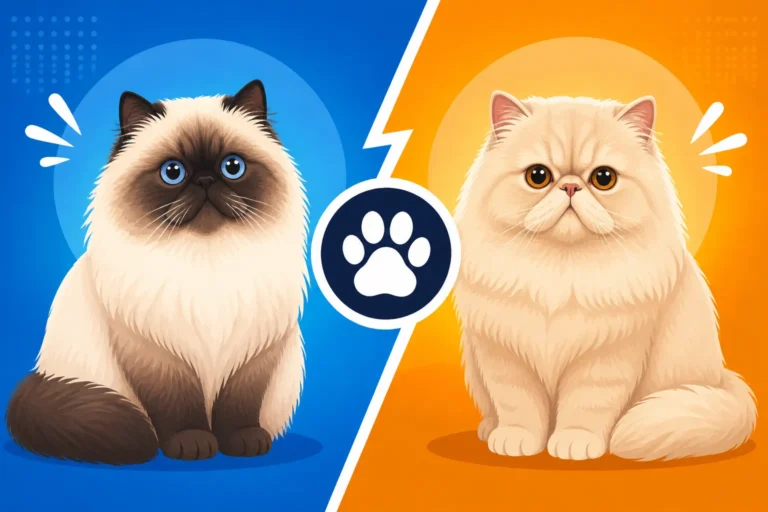
The striking contrast between the pale body and the dark points is always a highlight. Whether it's the rich, dark brown of a Seal Point, the frosty grey of a Blue Point, or the warm cream and red of a Flame Point, each color variation is beautiful in its own right. This visual drama, paired with the substantial, luxurious Persian frame, ensures that a Himalayan never goes unnoticed. This combination of elegance and opulence, wrapped in a serene blue-eyed gaze, is undeniably captivating and a primary driver of their enduring appeal, firmly cementing their status as one of the most aesthetically pleasing cat breeds in the world. It’s this specific combination that really sets them apart, differentiating them even from other pointed breeds.
A Temperament That Balances Calm and Charm
Looks might get your attention, but it’s a cat’s personality that truly secures its place in your heart. The Himalayan cat has mastered this, offering a unique blend of traits inherited from both its Persian and Siamese ancestors. It’s often described as getting the best of both worlds: the placid, sweet nature of a Persian, combined with a touch of the playful, communicative spirit of a Siamese. This delightful personality mix means they are far from mere decorative pets; they are deeply affectionate, engaging companions who form strong bonds with their human families.
The Gentle Lap Cat With a Hint of Playfulness
If you're looking for a cat that truly wants to be part of your life, often right in your lap, the Himalayan fits the bill perfectly. They inherited the Persian's love for quiet companionship and snuggles. Many Himalayans are veritable "lap magnets," content to spend hours draped over you, purring contentedly. They offer a calming presence, often seeking out the warmest, most comfortable spot in the house – which often happens to be near, or on, their favorite human. This gentle, loving disposition makes them wonderful family pets, patient and tolerant companions for quiet households. They aren't generally hyperactive or demanding of constant attention, making them ideal for those who appreciate a more relaxed feline friend. You can read more about their preference for calm in The Himalayan Is a Lap Cat That Answers Back.
However, the Siamese influence is undeniable, injecting a delightful spark of playfulness into their serene demeanor. While they won't typically scale your curtains like some more athletic breeds, Himalayans do enjoy interactive play sessions. A feather wand or a gentle laser pointer can bring out their inner kitten, transforming them from a sleepy floof into a surprisingly agile hunter. These play sessions are often brief and punctuated by long naps, striking a perfect balance between activity and rest. They love to chase a toy or bat at something dangling, offering just enough engagement to keep things interesting without overwhelming their inherently calm nature. This blend means they are both a comforting presence and an entertaining companion, making them incredibly fulfilling pets to live with. You might find they have a burst of energy for a few minutes and then retreat to a sunny spot for a long, luxurious nap.
A Voice That Sings, Not Shouts
One of the most delightful aspects of the Himalayan temperament, and a key factor in their enduring popularity, is their voice. Unlike the often loud, insistent, and famously chatty Siamese, the Himalayan has inherited a much softer, more melodic vocalization. They do talk – you’ll hear charming chirps, trills, and soft meows – but it’s rarely a demanding yowl. They are communicative, certainly, letting you know when it’s dinner time or when they’d like some attention, but they do so with a gentle, refined cadence that is far less intrusive. This makes them much easier to live with for many people who appreciate feline interaction but prefer it on the quieter side.
Their vocal expressions are endearing and often quite distinct from other breeds. They use a range of subtle sounds to express themselves, from a contented rumble to a soft conversational meow when you address them directly. It's a communication style that invites interaction rather than demands it, fostering a gentle rapport between cat and owner. This particular trait is a huge draw for those who love the Siamese personality but find the volume a bit much. It truly is the best of both worlds, offering an interactive cat that doesn't dominate the soundscape of your home. They manage to convey their needs and affections without ever raising a ruckus, which is a true testament to their balanced temperament. Many owners describe their Himalayan's voice as a gentle coo or a question mark sound, proving that volume isn't necessary for effective communication. Learn more about their unique vocal traits in The Himalayan Kept the Siamese Voice and Lost the Volume.
Fitting Seamlessly Into Modern Lifestyles
In today's fast-paced world, people are looking for pets that can comfortably integrate into their lives without requiring constant, high-maintenance supervision. While Himalayans do have specific grooming needs, their overall adaptability and preference for indoor living make them surprisingly well-suited for many modern households, especially those in urban or suburban environments where outdoor access might be limited or unsafe. Their calm nature and preference for routine contribute significantly to their continued popularity.
Adapting to Indoor Living With Ease
The Himalayan cat thrives as an indoor-only pet, and this is a major advantage for many prospective owners. Their long, luxurious coats are simply not designed for the rigors of an outdoor life, quickly picking up debris, matting, and making them susceptible to parasites and weather extremes. More importantly, their flat faces, while adorable, can lead to respiratory challenges, making extreme heat or strenuous activity outdoors a genuine risk. Because they are content to lounge and observe, and their exercise needs are modest, a spacious apartment or a house without a yard is perfectly suitable for them. They are not known for climbing high shelves or tearing through the house in a chaotic frenzy, preferring instead to find a sunny spot by the window or a cozy corner on the sofa. This makes them a fantastic choice for those who value the safety and cleanliness of an indoor cat. Why a Himalayan Must Never Be an Outdoor Cat provides more details on this.
Their quiet disposition means they rarely get into trouble or become destructive when left alone for reasonable periods. As long as they have their favorite napping spots, fresh food and water (perhaps in a wide, shallow bowl that accommodates their flat face, like those offered by Chewy), and a few cherished toys, they are generally content. This ability to adapt so readily to a contained, indoor environment greatly simplifies ownership for many, removing the worries associated with outdoor cats and allowing their owners to relax, knowing their beloved pet is safe and sound within the home. This ease of adaptation significantly contributes to their appeal, especially for those living in apartments or busy areas.
The Joy of a Predictable and Affectionate Companion
One of the most comforting aspects of owning a Himalayan is their love for routine and their predictable nature. These aren't cats that crave constant novelty or sudden changes; in fact, they often prefer a steady, calm rhythm to their days. This predictability can be incredibly soothing for owners who have busy lives but appreciate coming home to a stable, loving presence. They are creatures of habit, often appearing for meals at the same time each day and settling into their preferred napping spots with comforting regularity. This reliability fosters a deep sense of security and companionship.
Their affectionate nature truly shines in these predictable environments. They form strong bonds with their primary caregivers, offering quiet companionship and a soothing presence. While they may not be constantly demanding, they will seek out attention, often with a gentle head-bonk or a soft chirp to invite a petting session. This balance of independence and affection makes them ideal for individuals or families who want a loving pet without the constant need for engagement. The joy of having a beautiful, calm, and devoted companion waiting for you at the end of a long day is a powerful draw, and it’s a key reason why the Himalayan continues to be a favorite among cat enthusiasts who appreciate a tranquil and loving pet.
A Rich History That Cultivated Devotion
The Himalayan isn't a breed that just "appeared." It has a fascinating and deliberate origin story, one that speaks to the dedication and vision of early breeders and geneticists. This intentional creation, combined with decades of careful breeding and development, has solidified its place in the feline world and garnered a loyal following. Knowing their history often deepens an owner's appreciation for these unique cats.
From Scientific Experiment to Beloved Breed Status
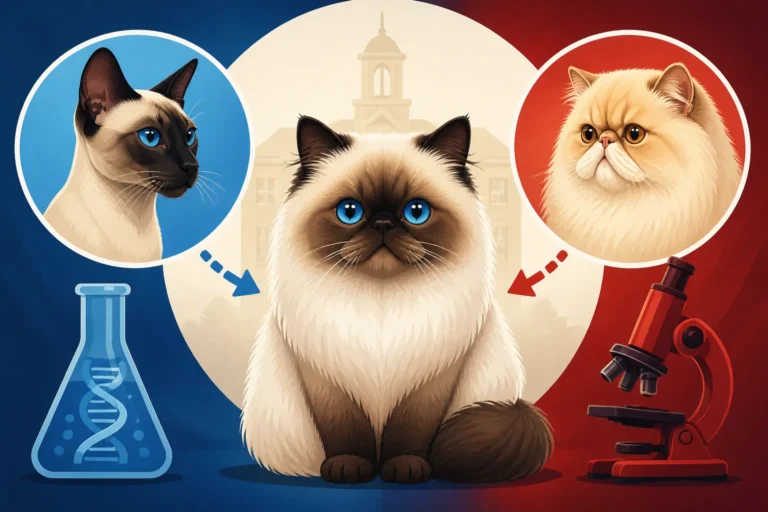
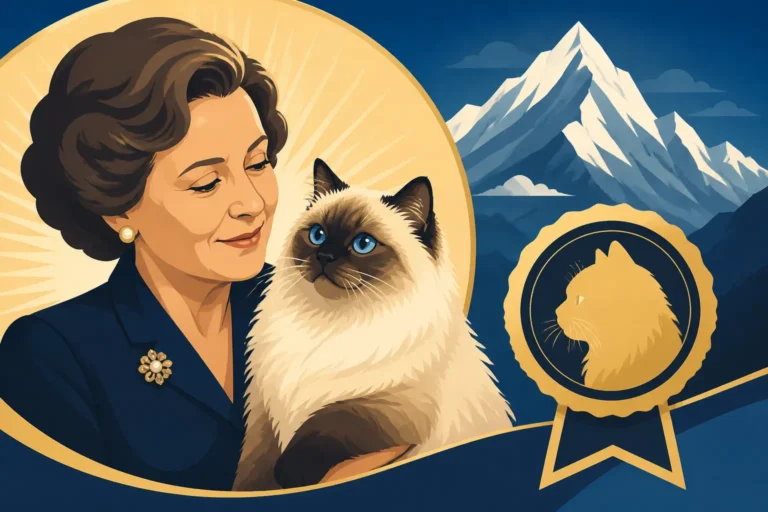
The Himalayan's journey began not in a cattery, but in a scientific laboratory. In the 1930s, researchers at Harvard University, notably Dr. Clyde Keeler and Virginia Cobb, set out to study the inheritance of the pointed coat pattern. They crossbred Siamese cats (known for their points) with Persian cats (known for their long fur and cobby body) to create a cat that possessed both traits. The early "Siamese-Persian" crosses were a scientific success, proving the genetic principles they were investigating. However, the beauty of these experimental cats was undeniable, quickly catching the eye of cat fanciers. The formal development of the breed picked up significantly in the United States thanks to dedicated breeders like Marguerita Goforth. Her tireless efforts led to the Himalayan's recognition by the Cat Fanciers' Association (CFA) in 1957.
This unique origin story, born out of scientific inquiry and refined by passionate breeders, makes the Himalayan stand out. It wasn't an accidental discovery but a carefully conceived creation. This deliberate foundation has instilled a sense of heritage and purpose within the breed, fostering a deep respect among those who cherish them. The meticulous nature of their development speaks to the desire to combine the most appealing traits of two distinct breeds, resulting in a cat that is both visually stunning and wonderfully tempered. To dive deeper into their beginnings, read The Himalayan Was Made at Harvard in the 1930s and Marguerita Goforth and the Himalayan's 1957 Recognition.
Generations of Breeders and Enthusiasts
The popularity of the Himalayan isn't just about their initial creation; it's about the consistent dedication of generations of breeders and enthusiasts who have championed the breed. From the early days, breeders worked tirelessly to refine the Himalayan's appearance and temperament, focusing on health, conformation, and the delightful personality traits we know today. This commitment has meant that despite changes in classification (like the CFA decision in 1984 to fold the Himalayan into the Persian breed as a colorpoint division, which you can explore in Why CFA Made the Himalayan a Persian Division in 1984), the cats themselves have continued to be bred with passion and care.
These dedicated individuals have not only maintained the breed's standards but have also served as educators and advocates, sharing their love for Himalayans with new generations of cat owners. They understand the nuances of the breed, from the specific grooming requirements needed to keep that luxurious coat pristine (which often means having the right tools, perhaps found on Chewy's extensive pet supply aisles) to the importance of health testing for conditions like PKD. This continuous effort by a passionate community ensures that the qualities that make Himalayans so beloved are preserved and passed on, fostering trust and enthusiasm in prospective owners who know they are getting a cat backed by a long history of devoted stewardship.
The Unwavering Loyalty of Himalayan Owners
If you ask a Himalayan owner why they love their cat, you'll likely get a list of reasons that goes far beyond their looks. There's a deep, almost fierce loyalty that many owners develop for this breed, driven by the unique relationship they form with these special felines. It's this sustained owner satisfaction and advocacy that truly underpins the Himalayan's enduring popularity.
Why Their Unique Needs Become a Cherished Routine
It's no secret that Himalayans come with specific care requirements. That magnificent long coat needs daily grooming to prevent mats, and their flattened faces often require daily cleaning around the eyes to manage tear staining and ensure comfort. For some, this might seem daunting, but for devoted Himalayan owners, these tasks quickly become a cherished part of their daily routine. It's not just "chores"; it's an opportunity for bonding, a quiet moment of connection with their beloved cat. The act of gently combing their fur or carefully wiping their eyes becomes a ritual of love, strengthening the relationship between cat and human. You can find essential grooming tips in The Daily Comb a Himalayan Cannot Skip and learn about eye care in Why a Himalayan's Eyes Water All Day.
This dedication to their cat's well-being fosters a profound sense of responsibility and love. Owners take pride in keeping their Himalayan looking and feeling their best, and the results – a soft, mat-free coat and a clean, bright face – are incredibly rewarding. This commitment transforms potential challenges into fulfilling acts of care. Many owners find that these daily interactions deepen their understanding of their cat's personality and needs, making them feel even more connected. It's a testament to the breed's charm that its unique care requirements don't deter, but rather draw owners deeper into their world, cementing their place as truly special companions.
The Deep Bonds Formed With These Special Felines
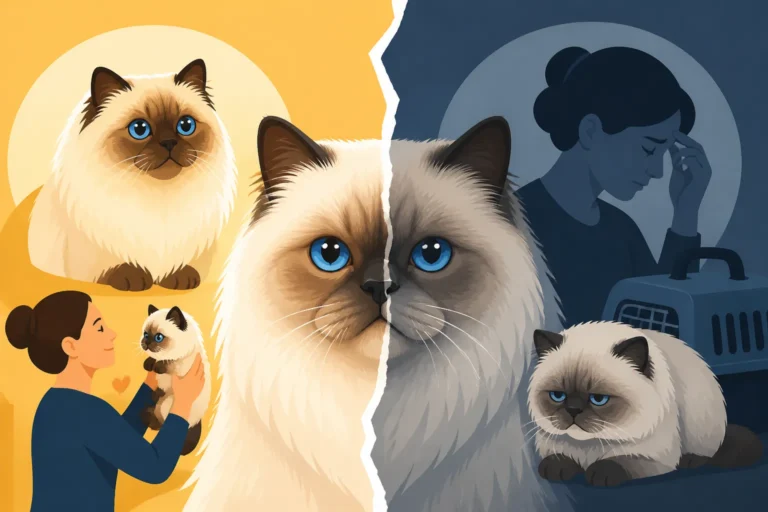
Himalayans are not just pets; they are often described as furry family members who leave an indelible paw print on their owners' hearts. Their quiet devotion, their gentle purrs, and their consistent presence create a deep, emotional connection. They offer unconditional love and a calming influence that can be incredibly therapeutic. Many owners report that their Himalayans are excellent listeners (or at least, they appear to be!), providing silent comfort during difficult times. This reciprocal relationship, where the cat offers companionship and the owner provides dedicated care, results in incredibly strong bonds that last for the entirety of the cat's life.
When owners experience this profound connection, they become natural advocates for the breed. They share their stories, their joys, and their tips with others, inspiring new generations of Himalayan enthusiasts. This word-of-mouth endorsement, rooted in genuine affection and positive experiences, is a powerful force in maintaining the breed's popularity. Owners aren't just buying a cat; they're welcoming a unique personality into their lives, one that brings beauty, calm, and unwavering affection. This deep emotional investment is perhaps the most significant reason why the Himalayan has not only stayed popular but continues to capture hearts year after year, proving that their appeal goes far beyond their stunning looks.
Himalayan Traits at a Glance
For those considering bringing a Himalayan into their home, it's helpful to see a quick summary of the key traits that contribute to their enduring popularity. This table highlights some of the aspects we've discussed, from their stunning appearance to their gentle nature and care requirements.
| Trait Category | Characteristic | Impact on Popularity |
|---|---|---|
| Appearance | Pointed coat (dark extremities, pale body) | Visually striking, exotic beauty, high contrast. |
| Blue eyes | Genetically linked, adds to unique, elegant look. | |
| Long, dense Persian-like coat | Luxurious, regal appearance; adds to plush appeal. | |
| Cobby body, short legs, round head | "Doll-face" or "Peke-face" profiles are distinct and appealing. | |
| Temperament | Gentle & affectionate | Excellent lap cats, loving companions. |
| Calm & docile | Ideal for quiet homes, less prone to destructive behavior. | |
| Playful (moderate) | Engaging without being overly demanding. | |
| Quiet voice (soft meows, chirps) | Communicative without being noisy or intrusive. | |
| Care Needs | Daily grooming (combing) | Forms bonding ritual, maintains health and appearance. |
| Daily face cleaning (eyes) | Prevents staining, keeps face clear and healthy. | |
| Indoor-only living | Adapts well to apartments/houses, safer environment. | |
| Specific diet/bowl for flat face | Requires thoughtful feeding but manageable with right tools (like those available from Chewy). |
This overview clearly shows why the Himalayan cat continues to be a cherished and sought-after breed. Their distinctive looks and balanced personalities make them truly exceptional companions.
Disclaimer
This article is for general informational purposes only and does not constitute professional advice. Laws, prices and regulations vary by location and change over time. Consult a qualified professional for guidance on your specific situation.