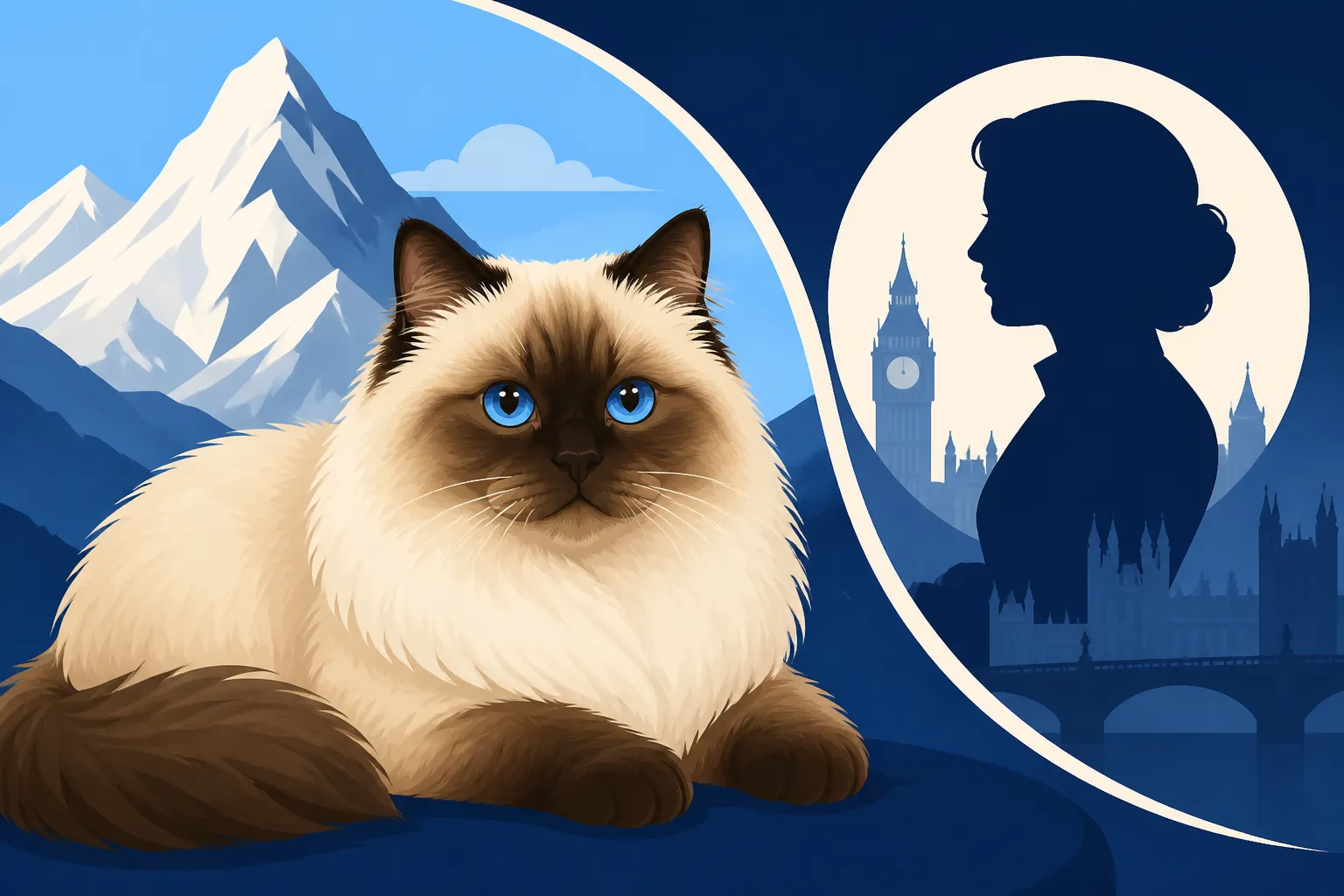
Who Continued the Himalayan Work in Britain
When you delve into the fascinating history of the Himalayan cat, it's easy to get caught up in its American origins, the groundbreaking work at Harvard in the 1930s. But what often gets overlooked, and causes quite a bit of confusion for enthusiasts and new owners alike, is how this stunning breed found its way across the Atlantic and who championed its development in Britain. It wasn't a straightforward journey, and the individuals who dedicated themselves to establishing the Himalayan in the UK faced unique challenges, from initial skepticism to debates over naming conventions. This guide will take you through the pivotal figures and efforts that shaped the Himalayan's story on British soil.
The Foundations: A Brief Look at the Himalayan's Genesis
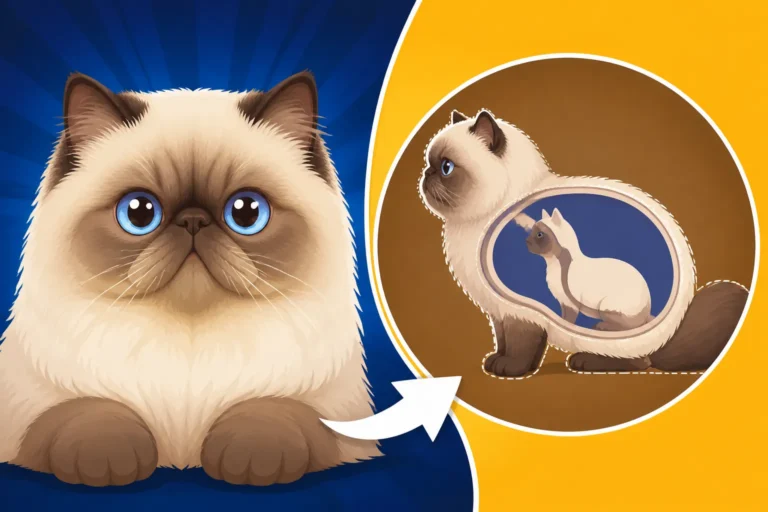
Before we dive into the specifics of British involvement, it's helpful to remember where the Himalayan truly began. The concept of a long-haired cat with Siamese point coloration wasn't just a happy accident; it was the result of deliberate scientific inquiry in the United States. Researchers like Clyde Keeler and Virginia Cobb at Harvard Medical School embarked on a project to understand the inheritance of genetic traits, specifically focusing on the Siamese pattern in cats. Their meticulous work involved crossing Siamese cats with Persians, not initially to create a new breed, but to study genetics.
The American Experiment and Early Generations
The initial crosses between Siamese and Persian cats produced kittens that didn't look like either parent, at least not immediately. These early offspring carried the genes for both long hair and colorpoint, but didn't display the full Himalayan phenotype until subsequent generations. It took careful, selective breeding over several generations to consistently produce cats that combined the luxurious coat of the Persian with the striking blue eyes and distinctive point coloration of the Siamese. This was a slow and patient process, laying the groundwork for what would eventually become the beloved Himalayan cat. If you're curious about this scientific beginning, you might want to read The Himalayan Was Made at Harvard in the 1930s.
These foundational cats were the first "pointed Persians," a term that, as we'll see, would become quite significant across the pond. The American breeders, driven by a vision for a cat that combined the best of both worlds, worked tirelessly to stabilize these traits. They weren't just breeding for color; they were striving for the cobby body, the round head, and the full coat that characterized the Persian, all while retaining the vivid blue eyes and color contrasts unique to the Siamese ancestry.
The Quest for the Pointed Persian
The goal in those early days was clear: to create a Persian-type cat that displayed the colorpoint pattern. This wasn't just about mixing two breeds; it was about integrating specific genetic traits while maintaining conformation standards. Breeders had to navigate the complexities of recessive genes for point coloration and long hair, ensuring that successive generations consistently exhibited these desired characteristics. It was a true labor of love and scientific precision, requiring a deep understanding of feline genetics.
The cats resulting from these efforts, though still relatively few in number, began to capture attention. Their unique beauty and the fascinating story of their creation slowly started to spread beyond the academic circles where they were first conceived. This nascent popularity in America would soon spark interest in other parts of the world, including Britain, setting the stage for the next chapter in the Himalayan's global journey. Many early breeders relied on specialized literature and, eventually, catalogs from pet supply companies like Chewy to get the right nutrition and tools for these developing lines.
The British Pioneers: Bringing the Himalayan to the UK
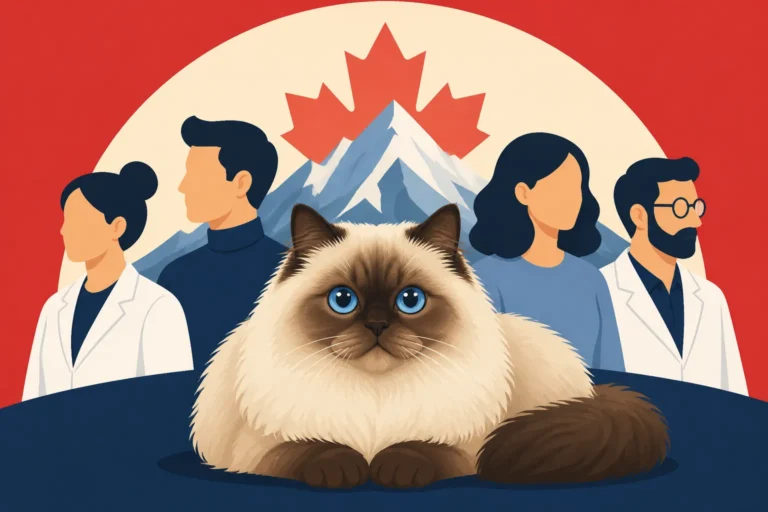
The allure of the newly developing "pointed Persian" eventually reached the shores of Britain, where a dedicated group of cat fanciers recognized the potential of this stunning new type. They weren't just importing cats; they were importing a vision, a breeding program, and a whole new set of genetic challenges. The journey to establish the Himalayan as a recognized and thriving breed in the UK was spearheaded by passionate individuals who spent years cultivating these lines.
Early Importation Efforts
The earliest attempts to introduce the "pointed Persian" to Britain weren't without their difficulties. Importing animals across continents always presents logistical hurdles, and bringing new genetic lines into an established cat fancy often meant navigating skepticism and traditionalist views. However, the unique beauty of these cats was undeniable, and a few determined individuals saw past the challenges. They imported some of the foundational American lines, carefully selected to ensure a strong genetic base for future breeding programs. This was crucial, as maintaining genetic diversity while refining the breed's characteristics would be a long-term endeavor.
Imagine the excitement, but also the trepidation, of receiving one of these precious imports. It wasn't just a pet; it was a cornerstone for an entire breeding program. These cats needed careful acclimatization, specialized care, and a keen eye for their unique needs, particularly with their growing long coats and specific dietary requirements. Setting up a new line in a different country means starting almost from scratch, building a reputation and a local network of like-minded enthusiasts.
Brian Sterling-Webb's Influence
One of the most prominent figures in establishing the Himalayan in Britain was undoubtedly Brian Sterling-Webb. His name is synonymous with the breed's early development in the UK. Sterling-Webb was a visionary breeder who understood the immense potential of the colorpoint Persian. He dedicated significant time and resources to importing cats from established American lines and meticulously developing his own breeding program. His commitment was instrumental in increasing the numbers and improving the quality of these cats in Britain.
Sterling-Webb's work went beyond just breeding. He was also a keen advocate for the breed's recognition within the British cat fancy, a task that was far from simple. He published articles, spoke at events, and tirelessly promoted the unique qualities of the Himalayan. His efforts were crucial in educating other breeders and the public about these beautiful cats, helping them gain acceptance and admiration. His dedication helped define What Britain Called the Himalayan Before 1955.
Spreading the Breed Across the Isles
Following the pioneering work of individuals like Brian Sterling-Webb, more breeders began to take an interest in the Himalayan. The breed slowly but surely gained a foothold, moving beyond a handful of dedicated fanciers to a broader community. This expansion wasn't just about numbers; it was about establishing the breed's characteristics, solidifying its health, and ensuring its longevity within the British cat world. Breeders collaborated, shared knowledge, and occasionally even shared valuable breeding stock, fostering a sense of community around this emergent type.
As the breed spread, so did the need for specialized care and equipment. Owners were always on the lookout for the best grooming tools to manage that magnificent Persian coat, or the right food bowls for their flat-faced companions. Online retailers like Chewy became invaluable resources for accessing these specific items, ensuring British Himalayans received the care they needed, even if certain specialty products were harder to find locally. These early years were characterized by a blend of passionate breeding, educational outreach, and practical problem-solving to ensure the Himalayan thrived.
Naming Conventions and Registry Differences in Britain
One of the most enduring aspects of the Himalayan's story in Britain, and a source of confusion for many, revolves around its name. While in North America the name "Himalayan" quickly gained traction, British cat registries took a different path, choosing a name that reflected the breed's genetic makeup rather than its namesake rabbit. This decision has had lasting implications on how the breed is perceived and registered in the UK.
"Colorpoint Persian" – A British Term
In Britain, the breed was primarily known and registered as the "Colorpoint Persian." This designation was a direct and logical reflection of its lineage: a Persian cat with the distinct colorpoint pattern. This term emphasizes its connection to the well-established Persian breed, highlighting the fact that genetically and conformationally, it was a long-haired, cobby cat with a unique color mutation. This contrasted with the American "Himalayan" name, which referenced the Himalayan rabbit that also displays the same temperature-sensitive pigmentation.
This naming choice wasn't arbitrary; it spoke to the British cat fancy's emphasis on clarity regarding breed origins and genetic traits. For a British breeder, calling it a "Colorpoint Persian" was simply more accurate in their system. This distinction is still prevalent today, and it's why you might hear different terms depending on which side of the Atlantic you're discussing the breed. Understanding this difference is key to appreciating the breed's history and the nuanced perspectives within the global cat community. To understand more about this divergence, see Why Britain Will Not Use the Name Himalayan.
Registry Battles and Breed Identity
The divergent naming conventions naturally led to different approaches to registration and showing. While CFA (Cat Fanciers' Association) in the US eventually merged the Himalayan into the Persian breed group as a division, creating the "Himalayan Persian," British registries maintained their "Colorpoint Persian" designation. This meant that a cat that might be called a Himalayan in one country would be a Colorpoint Persian in another, leading to a unique identity for the breed within the British context.
These differences weren't just bureaucratic; they influenced breeding goals, judging standards, and how the breed was marketed. British breeders aimed to produce a cat that met the Persian standard in every way, with the added element of colorpoint. This often meant a strong emphasis on the classic Persian traits like head shape, eye set, and coat quality, all while ensuring the points were clear and well-defined. The nuances of these registry distinctions can be quite baffling, even for seasoned enthusiasts, but they are a vital part of the breed's story. If you're looking into how these categories are managed, consider Which Registry Prints Persian on a Himalayan's Papers.
Here’s a quick overview of how the naming and registration tended to differ:
| Feature | United States (Early & CFA Post-1984) | United Kingdom |
|---|---|---|
| Primary Name | Himalayan | Colorpoint Persian |
| Breed Recognition | Separate breed (initially), then Persian Division (CFA) | Persian variant / Colorpoint Persian (GCCF) |
| Emphasis in Name | Rabbit with similar pattern | Genetic description (Persian + Colorpoint gene) |
| Show Classification | Judged as Persian in a specific division | Judged within Persian classes with colorpoint variant |
| Historical Context | Developed at Harvard, recognized independently | Imported lines, integrated into Persian fancy |
The Lasting Legacy of British Himalayan Breeders
The efforts of early British breeders and advocates like Brian Sterling-Webb have left an indelible mark on the Himalayan cat breed globally. Their dedication ensured that the Himalayan, or Colorpoint Persian as they knew it, not only survived but thrived in the UK, contributing significantly to its genetic diversity and ongoing development. The British lines have played a crucial role in maintaining the breed's health and beauty.
Establishing a Strong Gene Pool
By carefully importing and breeding from diverse American lines, British breeders helped establish a robust gene pool for the Colorpoint Persian. This was incredibly important for the breed's long-term health, allowing for selective breeding that minimized inbreeding and helped address potential genetic predispositions. This commitment to healthy genetics meant generations of beautiful, vigorous cats, a testament to the foresight and hard work of those early fanciers. Ensuring a wide genetic base is often a major challenge for new breeds, and the British contingent tackled it head-on.
These breeders understood that a healthy foundation was paramount, far more important than any fleeting trend. They often worked in close consultation with veterinarians and geneticists to make informed breeding decisions. Their focus wasn't just on producing stunning show cats but on ensuring the overall well-being and longevity of the breed. This meticulous approach to breeding is why many Himalayans today boast excellent health, a legacy of responsible early breeding practices. Many owners looking for kittens today still seek out breeders who prioritize genetic health, using resources like Chewy to research pedigrees and supply lines.
Contributing to Global Himalayan Lines
The British Colorpoint Persian lines didn't remain isolated within the UK. Over time, these well-established and carefully managed lines were exported back to other countries, including the United States and various European nations. This exchange of genetics proved invaluable, helping to introduce fresh bloodlines and reinforce desirable traits across the global Himalayan population. It fostered a dynamic international breeding community, all working towards the common goal of enhancing the breed.
The influence of British breeding efforts can still be seen in many Himalayans around the world today, whether in the depth of their blue eyes or the quality of their luxurious coats. This collaborative spirit, where breeders from different countries shared their successes and insights, was fundamental to the breed's global spread and popularity. It's a powerful reminder that the story of any breed is rarely confined to a single nation but is rather a rich tapestry woven by dedicated individuals across continents. While specific details about What the 1984 Decision Did to Himalayan Breeders might focus on the American side, the British breeders continued their work, contributing to the broader gene pool and future of these wonderful cats.
The Enduring Appeal and Care Challenges
The Himalayan, whether called that or Colorpoint Persian, continues to be a beloved companion cat. Its distinctive appearance, calm demeanor, and affectionate nature make it a wonderful addition to many homes. However, owners of these magnificent felines are keenly aware of the special care requirements that come with their luxurious coats and often unique facial structures. Daily grooming, careful attention to eye health, and consideration for their breathing due to their shortened muzzles are all part of the commitment. You can read more about How a Himalayan Cannot Cool Itself by Panting to understand one of these challenges.
Today, new owners in Britain, just like everywhere else, embrace the responsibility of caring for these beautiful cats. They might turn to pet supply giants like Chewy for their robust selection of grooming combs, specialized shampoos, and palatable food options designed for flat-faced breeds. The commitment to these cats runs deep, reflecting the enduring legacy of the pioneers who first brought them to Britain and championed their unique place in the feline world.
Disclaimer
This article is for general informational purposes only and does not constitute professional advice. Laws, prices and regulations vary by location and change over time. Consult a qualified professional for guidance on your specific situation.