Why Two Clear Parents End PKD in a Himalayan Line
It’s a heartbreaking reality for many purebred cat owners: discovering your beloved feline companion is suffering from a debilitating genetic disease that could have been prevented. For those of us who adore Himalayans, the specter of Polycystic Kidney Disease, or PKD, has long been a source of anxiety. But there’s genuinely good news on the horizon, or rather, already here: with responsible breeding practices, specifically ensuring both parent cats are unequivocally clear of the PKD gene, we can effectively stamp out this terrible disease from future generations. This guide will delve into how two clear parents create PKD-free lines, giving you peace of mind and contributing to a healthier future for these magnificent cats.
Understanding Polycystic Kidney Disease PKD in Himalayans
Learning about PKD can be daunting, and it's completely natural to feel overwhelmed by medical terminology. However, understanding the basics of this disease is the first step toward appreciating why prevention through breeding is so powerful.
What is PKD and How Does it Affect Himalayans
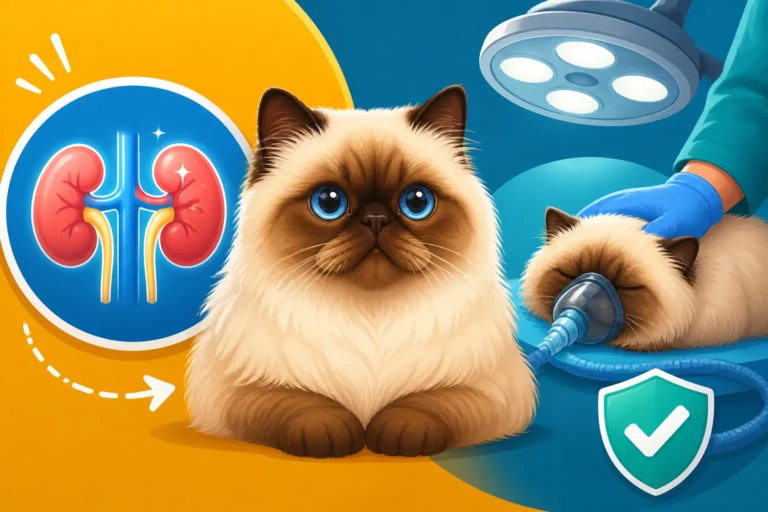
Polycystic Kidney Disease (PKD) is a hereditary condition that primarily affects Persian cats and, by extension, their beautiful descendants like Himalayans. Imagine your cat’s kidneys, which are normally smooth, efficient filtering organs. With PKD, small, fluid-filled sacs, known as cysts, begin to form within these kidneys. Initially, these cysts are tiny, often no bigger than a pinprick, and cause no noticeable symptoms. This is where the insidious nature of the disease truly lies – it’s a silent attacker.
Over time, these cysts grow larger and more numerous, gradually crowding out the healthy kidney tissue. Think of it like a sponge slowly being replaced by marbles; the sponge can no longer absorb as effectively. As more and more functional tissue is displaced, the kidneys become less efficient at filtering waste products from the blood. This slow, progressive decline eventually leads to chronic kidney disease, which, tragically, is irreversible. For a Himalayan, this can mean a gradual onset of symptoms like increased thirst, weight loss, poor appetite, and lethargy, often becoming apparent only when the disease is quite advanced, typically in middle to older age, though it can manifest earlier. It's a slow heartbreak for any owner, watching their vibrant cat slowly succumb to kidney failure. It’s important to remember that this genetic predisposition, often referred to as PKD1, actually started on the Persian side of the Himalayan lineage. You can learn more about how this gene entered the breed by reading about how PKD1 Came Down the Persian Side of a Himalayan.
The Autosomal Dominant Inheritance Pattern
Understanding how PKD is inherited is absolutely key to grasping why preventative breeding is so effective. PKD in Himalayans follows an autosomal dominant inheritance pattern. What does "autosomal dominant" really mean for your cat? In simple terms, it means that a cat only needs to inherit one copy of the faulty PKD gene from either parent to develop the disease. It doesn't matter if the other copy of the gene is normal; the presence of just one affected gene means the cat will develop cysts and will eventually suffer from PKD.
This is a critical distinction compared to recessive genetic diseases, where a cat might carry a faulty gene but not show any symptoms unless they inherit two copies (one from each parent). With PKD, there are no "silent carriers" in the true sense; if a cat carries the gene, they are considered affected, even if their symptoms haven't yet appeared. This means that any Himalayan inheriting even a single copy of the PKD gene will be predisposed to the disease, making the responsibility of breeders paramount. The direct consequence of this dominant pattern is why PKD Needs Only One Copy in a Himalayan to cause the disease.
The Critical Role of Genetic Testing for PKD
Before genetic testing became widely available, breeders and owners were left guessing, relying on ultrasounds that often came too late. The advent of DNA testing has been a game-changer, turning a vague threat into a manageable, preventable issue.
How Genetic Testing Identifies Carriers and Affected Cats
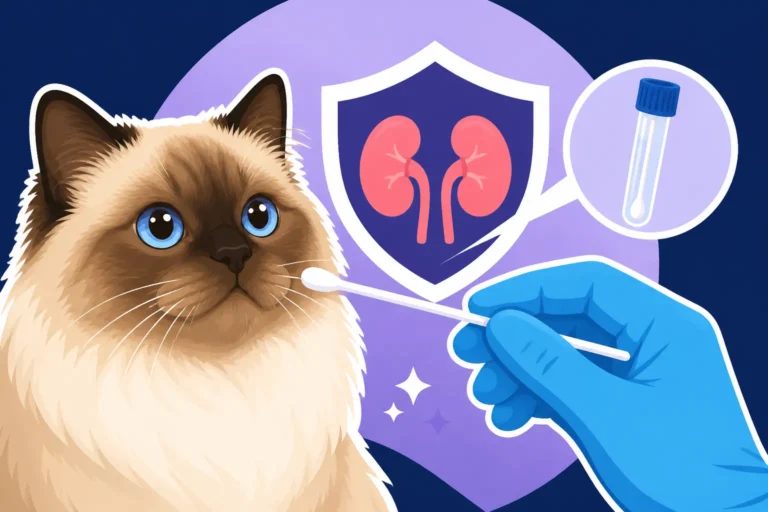
Genetic testing for PKD in Himalayans is surprisingly simple and non-invasive, which is a huge relief for both cats and their owners. The most common method involves a straightforward cheek swab, a quick and painless procedure that can be done right at home or by your veterinarian. This simple swab collects epithelial cells from the inside of the cat's mouth, which contain their DNA. This sample is then sent to a specialized veterinary genetic laboratory.
At the lab, scientists specifically look for the PKD1 gene mutation. Because the inheritance pattern is autosomal dominant, the test is looking for the presence of even one copy of this specific faulty gene. The results will definitively tell you whether a cat has zero copies of the gene, one copy, or, in rare cases, two copies. This direct genetic analysis is incredibly accurate and has revolutionized how breeders approach PKD. It moves beyond just detecting existing cysts, which often only become visible on an ultrasound scan when the cat is older, typically around 7-10 months, and sometimes even later. Instead, the gene test identifies the potential for cysts to develop from birth, allowing for proactive breeding decisions. If you're wondering about the practicalities, understanding how a Himalayan Is Swabbed for the Persian Kidney Gene can shed more light.
Interpreting PKD Test Results
Once your cat’s DNA sample has been analyzed, you’ll receive a report detailing their genetic status regarding PKD. There are generally three possible outcomes, and understanding them is crucial for breeders and owners alike:
- N/N (Negative/Clear): This is the best possible result. It means your Himalayan has inherited two normal copies of the PKD1 gene and does not carry the mutation. They will not develop PKD, and they cannot pass the faulty gene on to any offspring.
- N/P (Positive/Carrier/Affected): This result indicates that your Himalayan has inherited one normal copy and one copy of the faulty PKD1 gene. Because PKD is autosomal dominant, this cat will develop polycystic kidneys and is considered affected, even if cysts aren't yet visible or clinical signs haven't emerged. They will also pass this faulty gene on to approximately 50% of their offspring.
- P/P (Positive/Affected): This indicates the cat has inherited two copies of the faulty PKD1 gene. This is very rare in breeding programs today because it requires both parents to carry the gene, and responsible breeders typically avoid such pairings. A P/P cat will develop PKD and would pass the faulty gene to 100% of its offspring.
For breeding purposes, only N/N cats should ever be used to prevent the spread of the disease. A reliable breeder should always provide documentation of these results. Knowing how to Read a Himalayan's PKD Certificate is a vital skill for any prospective owner. Remember, this test is so effective that with proper use, a line can become completely clear.
Here’s a simple table to help visualize the test results and their implications:
| Genetic Status | Result on Certificate | PKD Development | Breeding Implication |
|---|---|---|---|
| Clear | N/N | Will NOT develop | Can be bred; all offspring will be PKD-free if mated with another N/N cat. |
| Carrier/Affected | N/P | WILL develop | Should NOT be bred; will pass the gene to ~50% of offspring. Ethical considerations for pet owners. |
| Affected | P/P | WILL develop | Extremely rare in responsible breeding; will pass the gene to 100% of offspring. Should absolutely NOT be bred. |
The Power of Breeding Two PKD-Negative Parents
This is where the real magic happens, the point where science and responsible stewardship come together to create a healthier future for our beloved Himalayans.
Why Two Clear Parents Guarantee PKD-Free Offspring
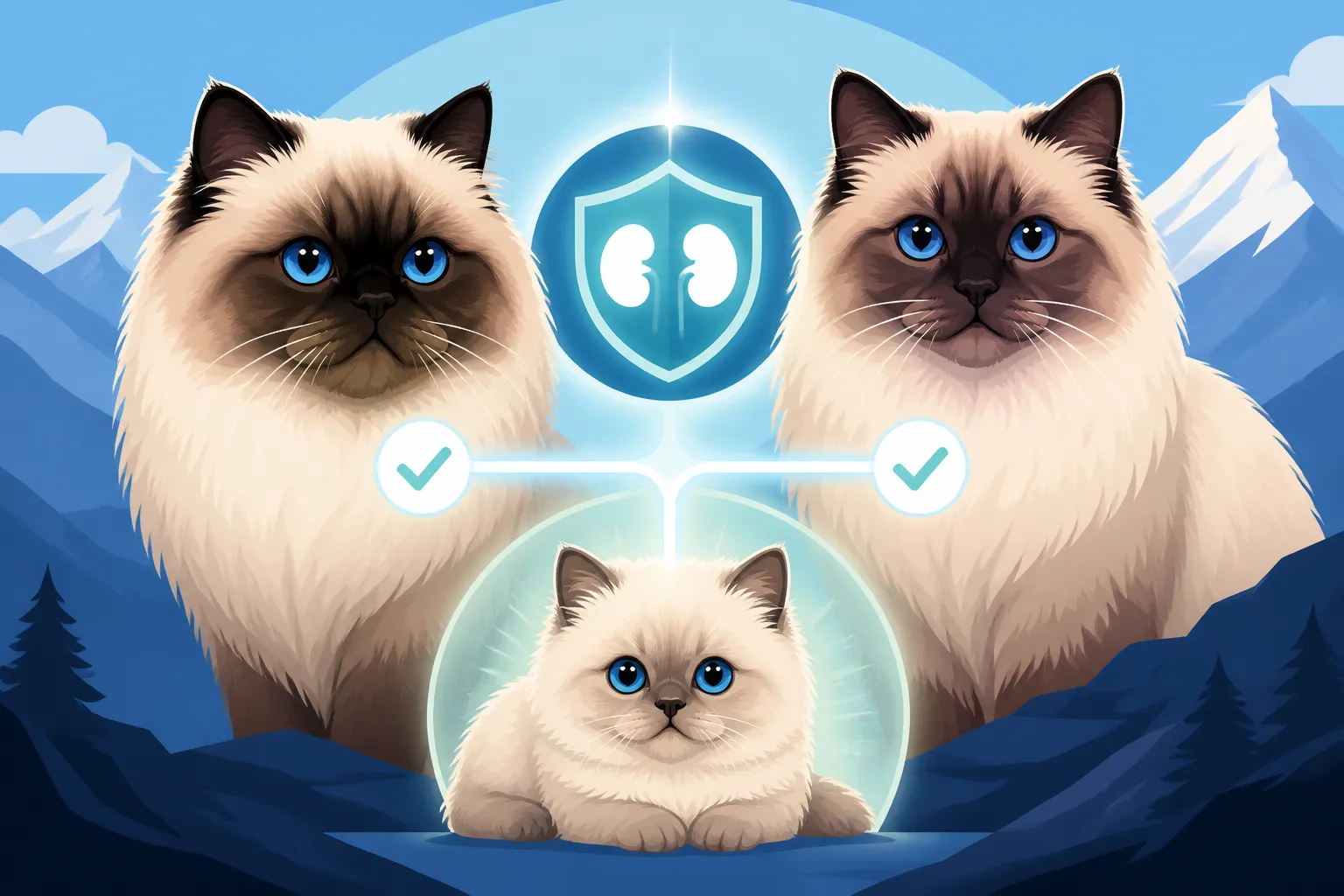
The beauty of the autosomal dominant inheritance pattern, once understood, lies in its clear-cut solution for eradication. If a Himalayan cat is N/N, meaning they are completely clear of the PKD1 gene mutation, they simply do not possess the faulty gene to pass on. It’s like trying to teach a language you don’t know – you can’t. Therefore, when you breed two Himalayans who are both N/N (clear) for PKD, their offspring will always be N/N (clear). There is no genetic roulette, no chance of a hidden carrier status. Every single kitten in that litter is guaranteed to be free from the genetic predisposition to PKD.
This isn't merely about reducing the risk; it's about absolute genetic certainty for this specific disease. It's a definitive "end of the line" for PKD in that particular litter, provided the parents’ test results are accurate and verified. This simple, yet profound, fact is precisely why Two Clear Parents End PKD in a Himalayan Line. For anyone looking to bring a Himalayan into their home, ensuring both parents have N/N certificates is the ultimate assurance against this debilitating kidney disease. It allows breeders to build truly healthy lines, step by careful step, moving towards a future where PKD is a distant memory.
The Long-Term Impact on a Breeding Program
The consistent practice of breeding only PKD-negative cats has a monumental long-term impact on a breeding program. Imagine a family tree where, generation after generation, every new branch is guaranteed to be free of a specific genetic flaw. This systematic approach gradually cleanses entire bloodlines of the PKD gene. In the past, before widespread genetic testing was available, breeders were unknowingly perpetuating the disease. Litters would produce healthy-looking kittens who would later, in their adult years, succumb to kidney failure, leaving owners and breeders heartbroken. What PKD Did to Himalayan Lines Before the Gene Test was a sad reality of high prevalence and tragic outcomes.
Today, reputable breeders make PKD testing a cornerstone of their program. By rigorously testing all breeding stock and using only N/N individuals, they are systematically removing the PKD gene from their catteries. This commitment not only ensures healthier kittens but also enhances the breed's overall health and reputation. For prospective owners, it means a much higher chance of bringing home a cat with a long, healthy life ahead, free from the shadow of PKD. While comprehensive pet insurance from providers like Healthy Paws is always a wise investment for any cat, knowing your Himalayan is genetically clear of PKD from the outset significantly reduces one major area of potential concern and veterinary expense down the line. It's an ethical imperative for breeders and a massive benefit for pet families, contributing to a truly PKD-free future for our beloved Himalayans.
Challenges and Considerations in Eradicating PKD
While the path to a PKD-free future is clear, it's not entirely without its bumps. There are crucial considerations for both breeders and prospective owners to ensure that the eradication efforts are genuinely effective.
The Importance of Verified Testing and Breeder Integrity
The bedrock of eliminating PKD lies entirely in the accuracy and integrity of genetic testing. Unfortunately, not all breeders operate with the same level of transparency or ethical standards. It's not enough for a breeder to simply say their cats are PKD-negative; as a prospective owner, you have every right, and indeed a responsibility, to demand proof. Always insist on seeing the actual genetic test certificates for both parent cats. These certificates should come from a reputable, accredited genetic testing laboratory and clearly state the N/N (clear) status.
Beware of breeders who offer vague assurances, claim tests were done "years ago" without documentation, or use unverified testing methods. Some might even try to cut corners, and sadly, a cheap Himalayan might be a red flag for skipped health tests. Reputable breeders understand this and will be proud to share their results, often including them in their kitten packets. They know that transparency builds trust and assures buyers of their commitment to the breed's health. When considering a kitten, remember that Which Two Certificates a Himalayan Breeder Owes You extends beyond just registration papers to crucial health clearances like PKD. Moreover, it's good practice to understand What Testing a Himalayan for PKD and the Eyes Costs, as these are non-negotiable expenses for responsible breeding.
Managing PKD-Positive Cats Ethically
Even with the best intentions, some existing Himalayans, particularly older ones or those from less scrupulous backgrounds, may still be PKD-positive (N/P or P/P). For these cats, the ethical approach is clear: they should never be used for breeding. The question of Whether a PKD Positive Himalayan Should Ever Be Bred has a resounding answer: absolutely not. Allowing a PKD-positive cat to reproduce knowingly perpetuates a painful and preventable disease, directly undermining the efforts of responsible breeders.
For PKD-positive cats who are beloved pets, the focus shifts to ensuring they live the happiest, most comfortable lives possible. This involves proactive veterinary care, regular monitoring of kidney function, and often, dietary management. Vets will likely recommend a prescription renal diet, which is specially formulated to reduce the workload on their kidneys and slow the progression of the disease. In some cases, as the disease advances, subcutaneous fluids might be administered at home to help with hydration and flush waste products. This can be a significant commitment for owners, financially and emotionally, and it underscores the importance of prevention. Living With a Himalayan That Inherited the Persian Kidney Gene requires dedication and a close working relationship with your veterinarian. This is another area where a robust pet insurance policy, such as those offered by Healthy Paws, can be invaluable, helping to cover the ongoing costs of specialized food, medications, and veterinary visits associated with managing a chronic condition like PKD.
Looking to the Future: A PKD-Free Himalayan World
The journey towards a breed free of genetic ailments is a continuous one, but with PKD, we've made incredible strides. It’s a testament to dedicated breeders and the power of scientific advancements.
The Decline of PKD in Tested Himalayan Lines
The commitment of breeders to genetic testing has truly transformed the landscape of PKD in Himalayans. Before the widespread adoption of DNA testing, PKD was a significant concern within the breed, affecting a considerable portion of the population. Breeders often had no way of knowing their cats carried the gene until kittens or parent cats themselves developed symptoms, often years later. It was a disheartening cycle.
However, thanks to the ease and accuracy of the cheek swab test, and the unwavering dedication of ethical breeders, the prevalence of PKD in actively tested Himalayan lines has dramatically decreased. Today, it is becoming increasingly rare to find a kitten from a reputable breeder that is not PKD-clear by parentage. We've moved from a time where a substantial percentage of Himalayan lines might have carried the gene, as discussed in What Share of Himalayan Lines Once Carried PKD, to a point where How Many Himalayan Lines Still Carry PKD is a far smaller, continually shrinking number. This shift represents a monumental victory for animal welfare and a testament to what can be achieved when science and ethics combine. It means more healthy, long-lived companions for families, and a brighter, more secure future for the Himalayan breed as a whole.
Continued Vigilance and Holistic Health
While the progress in eradicating PKD is truly something to celebrate, it's crucial to remember that a PKD-free status doesn't mean a cat is immune to all health issues. Himalayans, like all purebreds, can be susceptible to other genetic conditions and general health concerns. After all, Every Himalayan Inherits Two Disease Lists, Not One – one from their Persian side and another from their Siamese ancestry, meaning there are other predispositions to be aware of.
Responsible breeders continue to screen for other relevant conditions, such as Progressive Retinal Atrophy (PRA) which affects vision, and Hypertrophic Cardiomyopathy (HCM), a heart condition, where genetic tests or regular cardiac ultrasounds are available. Furthermore, the unique physical characteristics of Himalayans, particularly their brachycephalic (flat) faces, can predispose them to respiratory issues, dental problems due to crowded jaws, and eye irritation from tear staining. Therefore, while we rejoice in the near eradication of PKD, vigilance across all aspects of a Himalayan’s health remains paramount. Regular veterinary check-ups, appropriate vaccinations, a high-quality diet, and consistent grooming are all vital components of ensuring a long and happy life for these wonderful cats. Tracking Which Blood Values a Himalayan's Kidney History Demands, for example, becomes especially important as they age, even if they are PKD-clear. A good pet insurance plan, like those offered by Healthy Paws, is always recommended to provide comprehensive coverage for any unexpected illness or injury, offering owners peace of mind that their beloved feline friend will receive the best possible care throughout their life.
Disclaimer
This article is for general informational purposes only and does not constitute professional advice. Laws, prices and regulations vary by location and change over time. Consult a qualified professional for guidance on your specific situation.