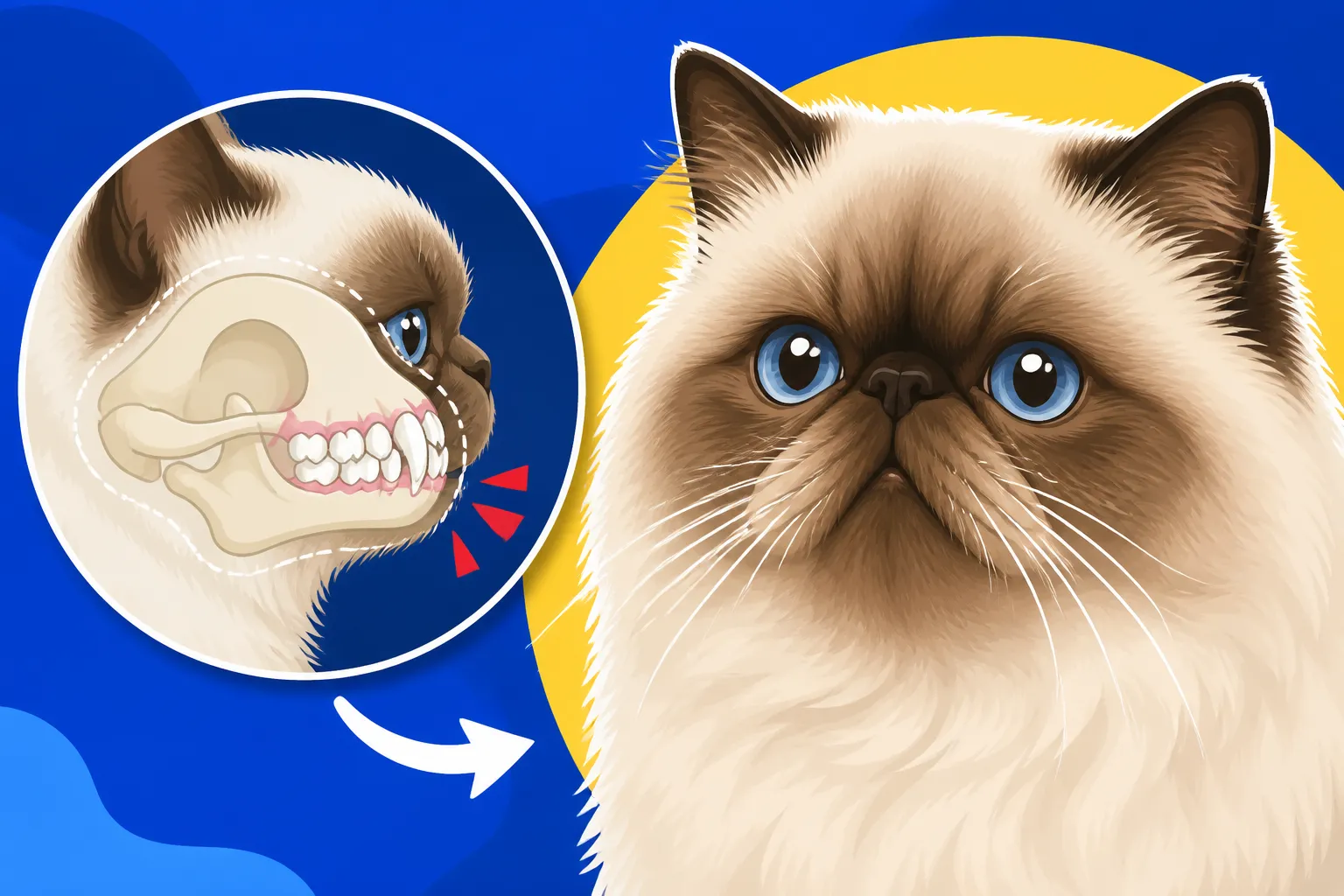
How a Shortened Jaw Crowds a Himalayan’s Teeth
One of the lesser-talked-about, yet incredibly challenging, aspects of living with a beautiful Himalayan cat is navigating the unique dental landscape of their adorable, flat faces. That charmingly short snout, a hallmark of the breed, comes with a significant trade-off: a highly crowded mouth. This often leads to a lifetime of potential dental issues, causing discomfort for our beloved feline companions and concern for their devoted owners. This guide aims to thoroughly explore why a Himalayan's shortened jaw creates such a dental predicament and how you can best care for their oral health.
The Unique Anatomy of a Himalayan's Jaw
The Himalayan cat, with its distinctive "peke-face" or "doll-face" profile, inherits a brachycephalic skull structure from its Persian lineage. While undeniably cute, this anatomical trait means that their upper and lower jaws are significantly shorter than those of other cat breeds, or even their Siamese ancestors. The problem isn't that they have fewer teeth; they still have the standard 30 adult teeth that any other cat possesses. The challenge arises because these 30 teeth are crammed into a space that is simply too small for them.
The Brachycephalic Skull and Its Dental Implications
When a cat has a brachycephalic skull, like our darling Himalayans, their facial bones are compressed, particularly the maxilla (upper jaw) and mandible (lower jaw). Think of trying to fit a full set of adult human teeth into a child's jaw – it just doesn't work. This compression means that the teeth don't have enough room to erupt properly or to sit in a straight, aligned fashion. Instead, they often grow in at awkward angles, rotate, or overlap, creating tight crevices and pockets that are a nightmare for hygiene. It's a fundamental structural issue that sets the stage for a host of dental problems right from kittenhood. This is a critical point that many new Himalayan owners aren't fully prepared for, often discovering the extent of the issue only after their first few vet visits.
The Impact on Tooth Alignment
The most immediate and obvious consequence of a shortened jaw is severe malocclusion, which is a fancy way of saying misaligned teeth. Instead of neat, evenly spaced pearly whites, you'll often find a Himalayan's teeth are jumbled, twisted, and overlapping. This isn't just an aesthetic concern; it profoundly impacts their ability to chew effectively and, more importantly, creates ideal breeding grounds for bacteria. Imagine trying to clean between teeth that are practically fused together, or where one tooth is almost completely hidden behind another. Food particles and plaque have countless nooks and crannies to accumulate, leading to rapid plaque and tartar buildup. This irregular alignment also means that the natural self-cleaning action that occurs when a cat chews is largely diminished, as their teeth don't rub against each other in the way they should to scrape off debris.
What a Persian Jaw Does to a Himalayan's Bite
The Persian jaw, which the Himalayan inherits, often results in an underbite or an overbite, rather than the scissor bite found in most cat breeds where the upper incisors slightly overlap the lower ones. This abnormal bite alignment can cause even more significant issues. With an underbite, the lower jaw protrudes, and the lower teeth might even cause trauma by digging into the roof of the mouth or the gums behind the upper teeth. Conversely, an overbite means the upper jaw protrudes, sometimes leading to the lower canine teeth causing painful indentations or ulcers on the upper gums. These constant points of irritation can be incredibly uncomfortable for your cat, making eating a painful chore and increasing the risk of infection. It's a complex interplay of bone structure and tooth positioning that requires a proactive approach to dental care throughout their lives. Understanding What a Persian Jaw Does to a Himalayan's Bite is key to anticipating these challenges.
Common Dental Problems Arising from Crowding
The cramped conditions in a Himalayan's mouth are an open invitation for a cascade of dental woes. Owners quickly learn that brushing alone, while vital, often isn't enough to counteract these inherent predispositions. It's a battle against anatomy, and it requires vigilance and professional support.
Tooth Resorption and Decay
One of the most insidious problems that often plagues Himalayans is tooth resorption. This condition involves the painful erosion of a tooth's structure, often starting below the gumline and gradually working its way up. Because the teeth are so crowded and often misaligned, certain areas might experience excessive pressure or friction, contributing to this mysterious and painful condition. The exact cause isn't fully understood, but it's believed that inflammation, diet, and mechanical stress play a role. Resorptive lesions are incredibly painful and can lead to the loss of the affected tooth. Coupled with this, the difficulty in cleaning crowded teeth makes them highly susceptible to decay, where bacteria eat away at the tooth enamel, creating cavities. Unlike humans, cat cavities aren't as common, but in a Himalayan's mouth, the perfect storm of crowding, malocclusion, and plaque buildup can make them a real concern. How Many Teeth a Himalayan Has Lost by Ten is a stark reminder of these issues.
Gingivitis and Periodontal Disease
Gingivitis, the inflammation of the gums, is almost a given for a Himalayan with a crowded mouth. The overlapping teeth and tight spaces prevent effective cleaning, allowing plaque to build up quickly. This plaque, a sticky film of bacteria, irritates the gums, making them red, swollen, and prone to bleeding. If left unchecked, gingivitis will inevitably progress to periodontal disease, a more severe and irreversible condition. Periodontal disease attacks the supporting structures of the teeth – the gums, ligaments, and bone – leading to deeper pockets of infection, bone loss, and eventually, tooth mobility and loss. The bacteria from these infections don't just stay in the mouth; they can enter the bloodstream and affect vital organs like the heart, kidneys, and liver, leading to systemic health issues. This is why addressing dental health isn't just about their mouth, but their overall well-being.
Why a Himalayan's Lower Canines Show
Many Himalayan owners will notice that their cat's lower canine teeth seem to protrude or stick out, sometimes even appearing outside the lip line. This is a direct consequence of the shortened jaw. There simply isn't enough space for these long, dagger-like teeth to sit comfortably within the normal dental arcade. This phenomenon, often seen as part of How Crowded a Himalayan's Lower Jaw Gets isn't just a quirky aesthetic; it can cause real problems. These protruding canines can rub against the upper gums or lip, leading to chronic irritation, inflammation, and even ulceration. Over time, this constant rubbing can create painful sores that make eating, grooming, and even just resting their face uncomfortable. It's one of those visual cues that immediately tells you that their dental situation is far from ideal and requires careful management.
Daily Dental Care and Preventative Measures
Given the genetic predisposition to dental problems, a proactive approach to daily dental care is not just recommended for Himalayans, it's absolutely essential. This isn't about preventing every single issue, but rather about significantly delaying the onset and reducing the severity of inevitable problems.
Brushing Techniques for a Flat Face
Brushing your Himalayan's teeth daily is the gold standard for at-home dental care, but let's be realistic – it's often easier said than done, especially with a flat face. Forget those long-handled toothbrushes designed for human mouths; they won't work. You'll need a cat-specific toothbrush, ideally a small brush head that fits snugly on your fingertip or an extra-soft baby toothbrush. The key is patience, consistency, and making it a positive experience from kittenhood. Focus on the outer surfaces of the teeth, especially where the gum meets the tooth, as this is where plaque accumulates most rapidly. The inner surfaces are harder to reach and cats often clean them with their tongue. Use a cat-specific toothpaste, as human toothpaste contains ingredients harmful to cats. The goal isn't perfection, but regular mechanical removal of plaque. Even a few swipes on key teeth every day can make a massive difference. You might find that Getting a Toothbrush Into a Himalayan's Crowded Mouth requires some special tricks.
Dietary Considerations for Dental Health
While brushing is paramount, diet also plays a supporting role. Contrary to popular belief, most dry kibble doesn't significantly clean a cat's teeth; many cats simply swallow it whole or crunch it once, with little abrasive action. However, some dental-specific kibbles are designed with larger, fibrous pieces that encourage chewing and help scrape off some plaque. Look for products with the Veterinary Oral Health Council (VOHC) seal of acceptance, which indicates they have met standards for reducing plaque and/or tartar. Beyond kibble, limiting sugary treats and high-carbohydrate foods can help reduce the food source for bacteria in the mouth. Wet food, while often preferred by Himalayans due to their flat faces making it easier to eat, doesn't offer any dental benefits itself, but some argue it helps with hydration, which is good for overall health. Ensuring your Himalayan has a proper Which Kibble a Himalayan's Shortened Jaw Can Lift is also important for them to actually consume it effectively.
Regular At-Home Checks
Beyond daily brushing, it's crucial to get into the habit of regularly inspecting your Himalayan's mouth yourself. This helps you catch potential problems early, before they escalate into painful crises. Aim for a quick check several times a week, or at least once a week. Look for:
- Red, swollen, or bleeding gums.
- Yellow or brown tartar buildup, especially on the back teeth.
- Broken, loose, or discolored teeth.
- Bad breath (more than just "cat breath," which is distinct).
- Any unusual lumps or bumps in the mouth or on the gums.
- Signs of pain when eating, drooling, or a reluctance to groom.
- Check the position of their lower canines to ensure they aren't causing irritation.
If you notice anything concerning, don't hesitate to contact your veterinarian. Early detection and intervention can save your cat a lot of pain and potentially more invasive procedures down the line.
When Professional Veterinary Intervention Becomes Necessary
Despite your best efforts at home, professional dental care is an unavoidable part of owning a Himalayan. Their unique anatomy means that plaque and tartar build up much faster and in more inaccessible places than in other breeds. Ignoring this will inevitably lead to severe pain and systemic health issues.
The Importance of Regular Vet Check-ups
Your veterinarian should be your primary partner in maintaining your Himalayan's dental health. Annual or even bi-annual check-ups specifically focused on their oral cavity are non-negotiable. During these exams, the vet will perform a thorough visual inspection, looking for all the signs you'd check for at home, but with a more trained eye and better equipment. They'll grade the severity of any gingivitis or periodontal disease and recommend when a professional dental cleaning under anesthesia is needed. For Himalayans, these dental cleanings often need to happen more frequently than for other breeds, sometimes every year or two, depending on the individual cat's genetics, diet, and at-home care. Don't wait until your cat is showing obvious signs of pain; by then, the problem is usually advanced and much harder to treat. Remember, cats are masters at hiding pain, so a regular vet check is their best advocate. This is particularly crucial as Why a Himalayan Needs Dentals Earlier Than a Siamese due to their predispositions.
Anesthesia Considerations for Himalayans
The thought of anesthesia can be daunting for any pet owner, but it's often a major concern for Himalayan owners due to their brachycephalic nature. Their shortened muzzles mean they can have compromised airways, making anesthesia a more complex procedure. However, modern veterinary anesthesia protocols have come a long way, and with proper precautions, it is generally very safe.
Before any dental procedure, your vet will perform comprehensive pre-anesthetic blood work and a thorough physical exam to assess your cat's overall health, especially kidney and heart function. During anesthesia, Himalayans require careful monitoring of their oxygen levels, heart rate, and temperature. Many vets will use endotracheal tubes to secure their airway and ensure they receive adequate oxygen. Some clinics may even recommend a pre-anesthetic cardiac workup if there are any concerns.
It’s important to discuss all your concerns with your vet and choose a clinic that is experienced with brachycephalic breeds. Reputable vets will prioritize safety, monitoring, and a smooth recovery. While the risks exist, the benefits of addressing severe dental disease far outweigh the risks of anesthesia, especially when the alternative is a lifetime of chronic pain and systemic infection. This is Why a Himalayan Is a Harder Anesthetic Than a Siamese and requires particular attention.
Common Dental Procedures
When your Himalayan undergoes a professional dental cleaning, it's far more extensive than a quick brush. Under general anesthesia, the vet can thoroughly examine every tooth, including those hidden by crowding or gum tissue. They'll use specialized instruments to scale away plaque and tartar, both above and below the gumline. Dental X-rays are often taken, which are absolutely crucial for Himalayans, to assess the health of the tooth roots and bone structure beneath the gums, where many problems like tooth resorption and bone loss begin.
Common procedures might include:
- Scaling and Polishing: The primary step to remove plaque and tartar and smooth the tooth surface to deter future buildup.
- Subgingival Curettage: Cleaning out infected tissue from below the gumline.
- Periodontal Surgery: For advanced disease, this might involve flap surgeries to clean deep pockets and bone grafting.
- Extractions: Unfortunately, due to severe crowding, resorption, or advanced periodontal disease, extractions are very common in Himalayans. Removing painful or diseased teeth can provide immense relief and improve overall health. Your vet will ensure proper pain management both during and after the procedure.
Remember, these procedures are about alleviating pain and preventing more serious health complications. Investing in regular professional cleanings can extend your Himalayan's lifespan and dramatically improve their quality of life. Many pet insurance providers, like Healthy Paws, recognize the importance of these routine procedures and offer plans that can help manage the cost of such essential care.
Living with and Managing a Himalayan's Dental Health Long-Term
Taking on a Himalayan means committing to a lifetime of dedicated dental care. It's not a set-it-and-forget-it situation; it requires ongoing vigilance, smart choices, and a strong partnership with your veterinary team.
Adapting Food Bowls and Eating Habits
A Himalayan's flat face and crowded jaw can make eating a challenge. Traditional deep, round bowls often lead to frustration, as their whiskers bend uncomfortably, and they struggle to scoop food into their mouths. Many Himalayans resort to pushing food around with their noses or even using a paw to try and get kibble, making meal times messy and inefficient. This is why you might see a Himalayan drops food onto its ruff.
To make eating more comfortable and efficient, consider:
- Shallow, Wide Bowls: These allow your cat to reach their food without uncomfortable whisker contact or straining their neck. Ceramic or stainless steel options are easy to clean.
- Elevated Bowls: Some cats benefit from slightly elevated bowls, which can reduce neck strain, especially if they have an underbite or other jaw alignment issues.
- Wet Food Preference: Many Himalayans do better on wet food, as it's easier to lap up without significant chewing effort. This can be especially important after dental extractions or if they're experiencing oral pain.
- Puzzle Feeders: While challenging to find for a flat-faced cat, some puzzle feeders designed for brachycephalics can provide mental enrichment without making eating overly difficult.
Experiment to find what works best for your individual cat. A comfortable eating experience is vital for their overall well-being and ensures they get adequate nutrition. You can learn more about Which Bowl Shape a Flat Faced Himalayan Can Use to optimize mealtime.
Recognizing Signs of Discomfort
Because cats are so adept at hiding pain, you need to be a detective when it comes to your Himalayan's dental health. Subtle changes in behavior can be huge indicators of discomfort. Don't assume a change in appetite or a newfound fussiness is just "being a cat."
Be on the lookout for:
- Changes in Eating Habits: Reluctance to eat hard food, dropping food, eating slowly, chewing on one side of the mouth, or outright refusing to eat.
- Oral Discomfort: Pawing at the mouth, excessive drooling, chattering teeth, or a reluctance to have their face touched.
- Bad Breath: A strong, foul odor is a major red flag for infection.
- Grooming Changes: A decrease in self-grooming, especially around the face, can indicate pain.
- Behavioral Shifts: Lethargy, irritability, or hiding more than usual can all be signs of chronic pain.
- Visible Swelling: Any swelling around the jaw or face warrants immediate veterinary attention, as it could indicate an abscess.
It’s easy to dismiss these as minor quirks, but for a Himalayan, they often point to real pain stemming from their teeth. Early recognition and a call to your vet are always the best course of action.
The Role of Pet Insurance
Let's be honest, all this talk of frequent vet visits, professional cleanings, X-rays, and potential extractions can add up. The cost of managing a Himalayan's dental health over their lifetime is not insignificant, and it's something every prospective owner should factor into their budget. This is where pet insurance can be a real lifesaver.
Companies like Healthy Paws offer comprehensive coverage that can help mitigate the financial burden of unexpected illnesses, accidents, and often, chronic conditions. While routine dental cleanings might fall under a wellness plan add-on, more serious issues like tooth extractions, root canals, or treatment for advanced periodontal disease are typically covered by accident and illness policies. Having pet insurance means you can make decisions about your cat's health based on what's best for them, rather than being solely driven by cost. It provides peace of mind, knowing that if a major dental crisis arises, you'll be supported in getting your beloved Himalayan the best possible care without breaking the bank. Always review policy details carefully to understand what's covered for dental care.
Table: Key Differences in Dental Care Needs for Himalayans vs. Other Breeds
To help visualize the specific challenges Himalayans face, here's a comparison of their dental care needs against a typical non-brachycephalic cat breed.
| Feature / Aspect | Typical Cat Breed (e.g., Domestic Shorthair) | Himalayan Cat (Brachycephalic) |
|---|---|---|
| Jaw Structure | Normal length, well-aligned jaw | Shortened, compressed jaw |
| Tooth Alignment | Generally straight, even spacing (scissor bite) | Crowded, rotated, overlapping teeth (malocclusion) |
| Common Issues | Plaque, tartar, gingivitis, occasional extractions | Severe crowding, tooth resorption, severe periodontal disease, extractions, lower canine irritation |
| At-Home Brushing Frequency | Recommended daily, often effective for maintenance | Essential daily, often challenging, less effective due to crowding |
| Professional Dental Cleanings | Recommended every 1-3 years | Often required annually or bi-annually, due to rapid plaque buildup |
| Dental X-rays | Important for hidden issues | Crucial for detecting widespread tooth resorption and bone loss |
| Anesthesia Risk | Generally low with modern protocols | Higher risk due to compromised airway, requires specialized monitoring |
| Eating Habits | Usually no issues with standard bowls | Benefits from shallow, wide, or elevated bowls; prefers wet food |
| Long-Term Management | Proactive care, but less intensive | Lifelong, vigilant, and often costly management |
Disclaimer
This article is for general informational purposes only and does not constitute professional advice. Laws, prices and regulations vary by location and change over time. Consult a qualified professional for guidance on your specific situation.