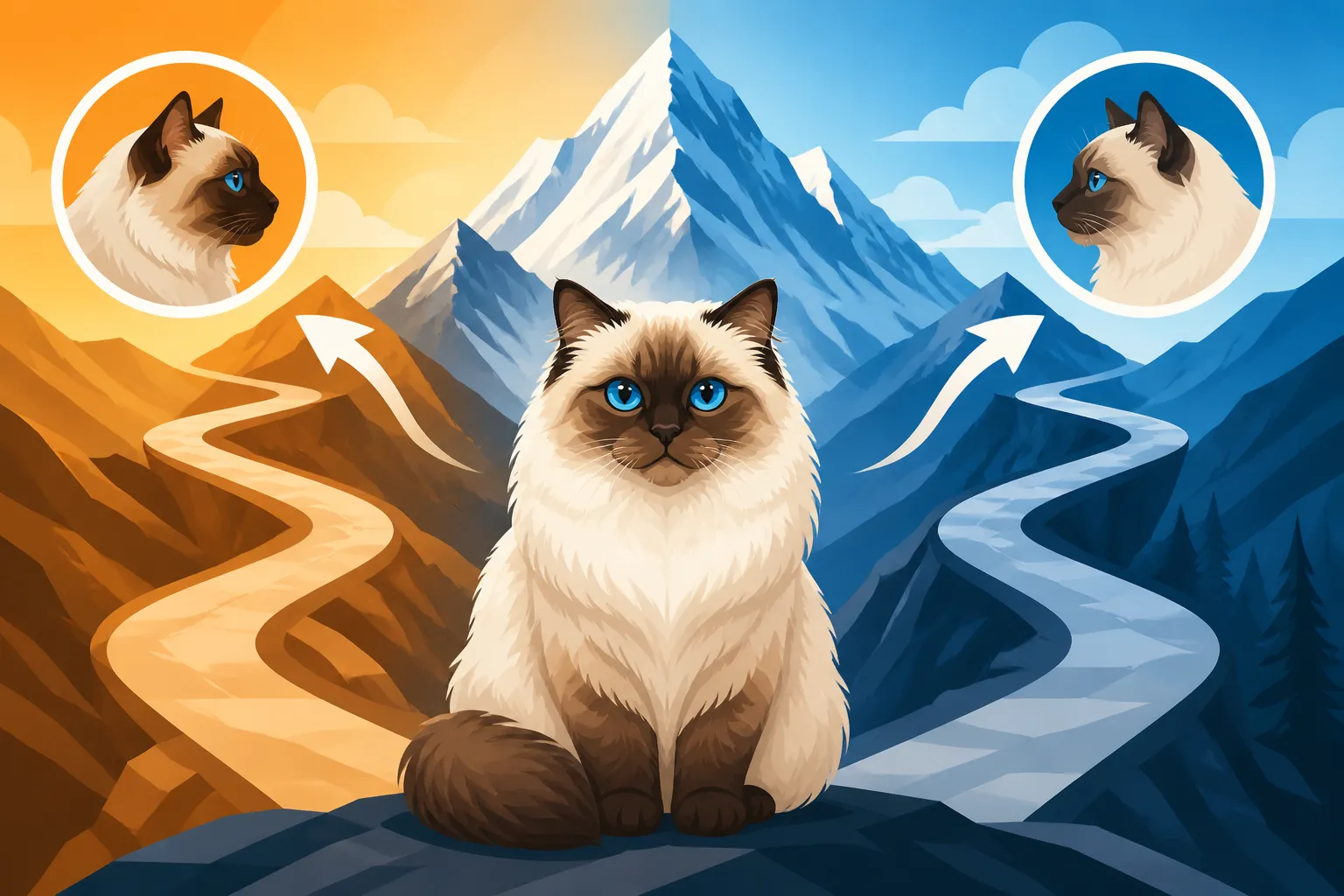
Whether HCM Reaches the Himalayan From Either Side
It’s a heartbreaking worry for any cat parent: the sudden, silent onset of a serious health condition. For us Himalayan enthusiasts, with our beautiful, serene companions, the fear that something might be lurking in their genetic makeup, inherited from either their robust Persian ancestors or their vocal Siamese kin, is particularly potent. This guide will meticulously explore Hypertrophic Cardiomyopathy (HCM), a common heart disease in cats, and delve into whether your beloved Himalayan is susceptible to it from both sides of their unique heritage.
Understanding Hypertrophic Cardiomyopathy in Cats
Hypertrophic Cardiomyopathy, or HCM, is the most commonly diagnosed heart disease in cats. It’s a condition that causes the muscular walls of a cat's heart, particularly the left ventricle, to thicken abnormally. Imagine the heart as a strong pump; when the walls become too thick, the pump can't work as efficiently. The heart chambers have less space to fill with blood, and the stiffened muscle struggles to relax properly between beats. This reduced efficiency means less oxygen-rich blood gets pumped out to the rest of the body, leading to a host of secondary problems.
The scary part about HCM is its insidious nature. Often, there are no outward signs in the early stages, making it a truly silent killer. Your cat could be purring in your lap, seemingly perfectly healthy, while their heart is slowly changing. This is why it’s so vital for owners of predisposed breeds, like Himalayans, to be aware and proactive. The disease can affect cats of any age, from young kittens to seniors, though it's more commonly diagnosed in middle-aged to older cats. It’s not just a specific breed problem either, although certain breeds do have a higher prevalence due to genetic predispositions.
The Mechanism of Heart Thickening
When we talk about the heart wall thickening in HCM, we're primarily referring to the left ventricular muscle. This thickening isn't a result of the heart working harder to pump blood through blocked arteries, as might be the case in some human heart conditions. Instead, it's a primary disease of the heart muscle itself. The cells become disorganized, and fibrous tissue can build up, further impairing the heart's ability to contract and relax effectively. This can lead to a domino effect of complications.
One of the most concerning outcomes is the potential for blood clots to form in the left atrium, a chamber of the heart that also becomes enlarged and dysfunctional. These clots can then travel through the bloodstream and block arteries, most commonly in the hind legs, leading to a condition known as Feline Aortic Thromboembolism (FATE), often referred to as "saddle thrombus." This is an incredibly painful and often devastating emergency, where the cat suddenly loses the use of one or both hind legs. Another serious complication is congestive heart failure, where fluid builds up in or around the lungs, making breathing incredibly difficult. This can be a harrowing experience to witness in your beloved pet.
Genetic vs. Acquired HCM
It's important to distinguish between genetic and acquired forms of HCM. While some cats might develop a thickened heart muscle secondary to other conditions, such as hyperthyroidism or high blood pressure, the HCM we often discuss in purebred cats is primarily a genetic condition. This means it's passed down through generations within certain breed lines. This is particularly relevant for Himalayans, given their carefully curated lineage.
For breeds with identified genetic markers, like some Maine Coons and Ragdolls, screening tests are available, which can be a huge relief for responsible breeders. While a specific genetic marker isn't universally identified for all cats with HCM, the strong breed predisposition in many cases points to an inherited component. This is why pedigree research and understanding the health history of a cat's ancestors are so crucial when considering a Himalayan kitten. You want to know that the breeder is doing everything they can to ensure a healthy start for your new family member.
The Persian Connection: HCM Risk
The Persian cat, one of the foundational breeds for the Himalayan, carries its own set of genetic predispositions, and sadly, HCM is one of the concerns. While Persians are perhaps more widely known for conditions like Polycystic Kidney Disease (PKD), which is why you'll often hear about how PKD1 Came Down the Persian Side of a Himalayan, heart disease is also a part of their health profile. The cobby body type and often more placid nature of the Persian parent contribute significantly to the Himalayan's overall structure and temperament, but they also bring a shared genetic legacy.
Many breeders and veterinary cardiologists have observed that Persian cats, and therefore their derivatives like Himalayans, can indeed be affected by HCM. It's not as highly publicized as in breeds like Maine Coons or Ragdolls, which have specific gene mutations identified, but the risk is certainly present. The genetic basis might be more complex, involving multiple genes, or less clear-cut than a single, easily testable mutation. This complexity makes it harder for breeders to eliminate the disease solely through DNA testing, emphasizing the importance of regular cardiac screening.
Inherited Susceptibility in Persian Lines
The journey of the Himalayan cat began by crossing Persians with Siamese cats to achieve that striking pointed coat and blue eyes. This means that Every Himalayan Inherits Two Disease Lists, Not One, one from each parent breed. The Persian side, with its long history and sometimes limited gene pool, has regrettably accumulated certain health challenges. In terms of HCM, evidence suggests that there are specific Persian lines that have a higher incidence of the disease. Responsible Persian breeders meticulously track the health of their breeding cats, including cardiac health, to minimize the risk to future generations.
This inherited susceptibility doesn't mean every Persian will develop HCM, but it does mean the breed is at an elevated risk compared to the general cat population. The disease can be particularly devastating because it often progresses without obvious symptoms until it's quite advanced. Imagine your Persian, so calm and dignified, suddenly struggling to breathe – it's a truly terrifying scenario. This hidden nature makes regular veterinary check-ups and specialized cardiac screenings absolutely vital for any cat with Persian lineage, including our beautiful Himalayans.
HCM Prevalence in Persians
While exact statistics on HCM prevalence in the Persian breed can vary depending on the study and population sampled, it is certainly recognized by veterinary cardiologists as a breed of concern. Compared to the general domestic cat population, Persians, along with Maine Coons, Ragdolls, Sphynx, and others, appear to have an increased risk. This is why if you have a Persian or a Himalayan, and you notice a What a Murmur Means in a Himalayan during a routine vet check, it's taken seriously and usually warrants further investigation with a specialist.
It's not just the purebred Persians either; even Persian crosses can carry this genetic predisposition. This widespread potential for inheritance underscores why understanding your Himalayan’s full pedigree and the health history of both its Persian and Siamese lines is so important. A good breeder will be transparent about any known cardiac issues in their lines and actively screen their breeding cats to mitigate risk. This proactive approach helps ensure that the beautiful kittens they produce have the best possible chance at a long, healthy life.
The Siamese Influence: HCM and the Himalayan
Now, let's turn our attention to the other side of the Himalayan's family tree: the Siamese. The Siamese breed brought the stunning point coloration and those captivating blue eyes that define the Himalayan, along with a more active, vocal personality. But what about heart health? The Siamese is generally considered a healthier breed with fewer congenital heart defects compared to some other purebreds. They are known for their athleticism and slender build, which typically bodes well for cardiac health.
However, no breed is entirely immune, and while HCM is not as strongly associated with the Siamese as it is with Persians or other specific breeds, isolated cases and family lines with HCM can still occur. The beauty of the Himalayan is this delicate balance of traits from two very different parents. This means while the Persian side might be more commonly flagged for HCM risk, we shouldn't completely overlook the Siamese contribution, especially if there's a history of cardiac issues in specific Siamese lines.
Siamese Heart Health Profile
Generally, the Siamese is recognized for its robust health and impressive longevity, often living into their late teens and even early twenties. This is often a comforting thought for Himalayan owners, knowing that their cat inherits some of that genetic resilience. Unlike the Persian, which contributed to conditions like PKD, the Siamese side of Which Diseases a Himalayan Inherits From Each Parent Breed generally has fewer known inherited predispositions to heart disease.
However, like all cats, Siamese can develop acquired heart conditions, and HCM, though less common as a primary genetic disease, can still manifest. It’s simply not the hallmark genetic issue for them that it is for some other breeds. This relatively lower risk from the Siamese side can be a small silver lining for Himalayan owners, suggesting that perhaps the genetic burden for HCM in Himalayans might lean more heavily on the Persian lineage. Still, vigilance is always key, as genetic interactions can be complex and unpredictable.
HCM in Siamese-Derived Breeds
While the purebred Siamese themselves might have a lower prevalence of genetic HCM, it’s interesting to note that some other breeds with Siamese ancestry have shown susceptibility. This highlights the complexity of genetic inheritance and how traits can manifest or be influenced when combined with other genetic backgrounds. For instance, some oriental breeds or those closely related to Siamese have had HCM cases reported.
For Himalayans, this means that even if the Siamese influence primarily brings positive health traits, the combination with Persian genes could still create a unique genetic landscape. It's not always a simple additive process of "Persian risk plus Siamese risk." Sometimes, combining genes can reveal latent predispositions or create new ones. This is why comprehensive health screening, regardless of specific breed predisposition from one parent, is always the best approach for a Himalayan. It's about looking at the cat as a whole, rather than just two separate halves.
Recognizing the Signs of HCM in Himalayans
One of the most challenging aspects of HCM, especially for vigilant cat parents, is that early signs are often subtle or nonexistent. Your gentle Himalayan might seem perfectly content, curling up for a nap in its favorite sunbeam, while silently battling a thickening heart muscle. Because Himalayans are naturally calmer cats, often content to lounge, it can be even harder to spot the early indicators that might be more obvious in a highly active breed. Their laid-back nature means slight reductions in energy might go unnoticed.
However, as the disease progresses, certain symptoms can become apparent. It’s crucial to know what to look for, even if these signs usually indicate a more advanced stage of the disease. Being aware can help you act quickly and potentially save your cat's life or improve their quality of life significantly. Remember, early detection, even when the disease is advanced, offers the best chance for management.
Subtle and Late-Stage Symptoms
In the early stages, a Himalayan with HCM might show absolutely no clinical signs. They might simply continue their usual routine of napping, eating, and seeking affection. This is the "silent" phase that makes HCM so dangerous. As the heart muscle continues to thicken and its function deteriorates, the subtle signs may begin. These can include a slight decrease in activity or playfulness – something that might be dismissed as "just getting older" or attributed to their already calm demeanor. You might notice them getting winded a bit more easily during a short play session, like when you observe How Soon a Himalayan Kitten Runs Out of Breath.
As the condition advances, particularly if it leads to congestive heart failure, the signs become more dramatic and require immediate veterinary attention. These include:
- Difficulty breathing: This is often seen as rapid, open-mouthed breathing or increased effort when breathing, which is always an emergency in cats. You might hear their breathing becoming heavier, or they might stretch their neck out more to breathe.
- Lethargy and weakness: A marked decrease in energy, unwillingness to move, or general weakness.
- Loss of appetite: Cats with heart failure often feel unwell and stop eating.
- Sudden hind leg paralysis and pain (Saddle Thrombus): As mentioned, this is a devastating complication where a blood clot blocks circulation to the legs. The cat will suddenly cry out in pain, drag their hind legs, and their paw pads might feel cold. This is an extreme emergency.
What to Watch For During Routine Care
Because Himalayans have such long, luxurious coats, you’re already accustomed to a rigorous grooming routine. This daily interaction is actually a fantastic opportunity to observe your cat closely. As you’re combing through their ruff or checking their britches, take a moment to really pay attention to their breathing patterns. Is it consistently calm and quiet, or do you notice any subtle changes? You should always be able to feel How to Find a Himalayan's Ribs Through a Persian Coat without too much padding.
During your regular vet visits, especially as your Himalayan gets older, ensure your vet listens carefully to their heart. A heart murmur is often the first indication that something might be amiss. While not all murmurs indicate HCM, any new murmur, or a change in an existing one, should prompt further investigation, typically with a cardiac ultrasound (echocardiogram). Don't hesitate to ask your vet questions or express any concerns you might have about their breathing or energy levels, especially if you notice them panting excessively after minimal exertion, a sign that When a Himalayan's Open Mouth Breathing Needs a Vet.
Diagnosis and Management of HCM
Receiving a diagnosis of HCM can be incredibly distressing. It feels like a punch to the gut when you're told your beloved pet has a serious heart condition. However, it's important to remember that a diagnosis is the first step toward effective management. While HCM is not curable, it is often manageable, especially if caught early. The goal of treatment is to slow the progression of the disease, alleviate symptoms, and improve your cat's quality of life.
The diagnostic process typically begins with your primary veterinarian and then often involves a referral to a veterinary cardiologist, a specialist in animal heart conditions. This expert care ensures your Himalayan receives the most accurate diagnosis and the most appropriate treatment plan tailored to their specific needs. It's a journey that requires patience, diligence, and a strong partnership with your veterinary team.
Diagnostic Tools for HCM
The gold standard for diagnosing HCM in cats is a cardiac ultrasound, or echocardiogram. This non-invasive procedure allows a veterinary cardiologist to visualize the heart in real-time, measuring the thickness of the heart walls, assessing chamber sizes, and observing how well the heart muscle is contracting and relaxing. It can also detect fluid accumulation around the heart or lungs, and identify any blood clots. This is far more informative than a standard X-ray, which primarily shows the size and shape of the heart and lungs, but not the detailed muscle structure.
Other diagnostic tools your vet might use include:
- Physical examination: Listening for heart murmurs, gallop rhythms, or irregular heartbeats.
- Blood tests: These can rule out other conditions like hyperthyroidism that can mimic HCM symptoms or affect heart function.
- Blood pressure measurement: To rule out hypertension as a cause for heart thickening.
- Electrocardiogram (ECG): Measures electrical activity of the heart, detecting arrhythmias.
- NT-proBNP blood test: This test measures a hormone released by stretching heart muscle cells. Elevated levels can indicate underlying heart disease, though it's typically used as a screening tool or to support a diagnosis, not as a definitive diagnostic test on its own.
Treatment and Long-Term Care
Once HCM is diagnosed, treatment focuses on managing symptoms and slowing disease progression. The specific medications and therapies will depend on the severity of the disease and the individual cat's needs. Common medications include:
- Beta-blockers (e.g., atenolol): Help the heart relax more effectively and reduce heart rate.
- Calcium channel blockers (e.g., diltiazem): Also help with relaxation and reduce workload on the heart.
- ACE inhibitors (e.g., enalapril, benazepril): Help prevent the heart from remodeling and reduce fluid retention.
- Diuretics (e.g., furosemide): Used if congestive heart failure develops, to remove excess fluid from the lungs.
- Anticoagulants (e.g., clopidogrel): Prescribed to reduce the risk of blood clot formation, especially in cats with significant left atrial enlargement. This is a crucial preventative step against saddle thrombus.
Living with a Himalayan who has HCM means a commitment to long-term care, which includes regular veterinary check-ups, often every 3-6 months, and strict adherence to medication schedules. It also means closely monitoring your cat at home for any changes in breathing, energy, or appetite. A detailed record of their What a Himalayan's Yearly Bloods Should Cover After Eight and cardiac scans will be maintained. Pet insurance, such as through a provider like Healthy Paws, can be an invaluable resource to help manage the ongoing costs of diagnostics, specialist visits, and medications, ensuring your cat gets the best care without financial strain.
Preventative Measures and Breeder Responsibility
When you welcome a Himalayan into your home, you're not just getting a pet; you're often getting a commitment for over a decade, with The Nine to Fifteen Years a Himalayan Usually Gets. Ensuring those years are as healthy and happy as possible starts long before your kitten even comes home. For a condition like HCM, where there's a clear genetic component in several breeds, preventative measures and the ethical practices of breeders are paramount. As a prospective cat parent, you have a vital role to play in choosing a healthy kitten and then maintaining their well-being throughout their life.
Preventative measures for HCM primarily revolve around careful breeding practices and regular screening for at-risk individuals. While not all cases of HCM are preventable, especially when the genetics are complex or unknown, a proactive approach can significantly reduce the incidence of this devastating disease within the Himalayan population.
Ethical Breeding Practices
Responsible Himalayan breeders are the first line of defense against inherited diseases like HCM. They should be actively screening their breeding cats for conditions known to affect the Persian and Siamese lines, including cardiac health. While a universal genetic test for HCM in Himalayans isn't yet available, ethical breeders will utilize regular echocardiograms performed by a board-certified veterinary cardiologist on their breeding cats. This helps identify affected individuals before they are bred, preventing the transmission of the disease to their offspring. A good breeder will proudly share the results of these screenings.
Furthermore, ethical breeders will maintain detailed pedigrees and health records, enabling them to make informed decisions about pairings. They avoid breeding cats with a known history of HCM in their immediate family, even if the individual cat appears healthy. They understand that Whether a Himalayan Is Scanned Before It Is Bred is not just a recommendation but a moral imperative. They also won't over-breed their queens and ensure all kittens are healthy and well-socialized before going to their forever homes. Always ask to see the health certificates and pedigree papers when selecting a kitten.
The Role of Regular Screening
For existing Himalayan owners, especially if you adopted your cat and don't have extensive background on their lineage, regular veterinary check-ups are incredibly important. Your vet will listen to your cat's heart annually, and if they detect a What a Murmur Means in a Himalayan or any other anomaly, they will recommend further investigation. Even in the absence of a murmur, some vets might suggest baseline echocardiograms for Himalayans as they approach middle age, especially if there's any concern about breed predisposition.
If a cat is diagnosed with HCM, regular follow-up echocardiograms are essential to monitor the progression of the disease and adjust medication as needed. This ongoing vigilance allows for early intervention if the condition worsens. While not a cure, diligent screening and management can significantly extend a Himalayan's life and improve its quality. Investing in pet insurance, such as a plan from Healthy Paws, early in your cat's life can help cover these recurring diagnostic costs and treatments, providing peace of mind as you care for your furry family member.
Supporting Your Himalayan with a Heart Condition
Discovering your Himalayan has a heart condition can feel overwhelming. It brings a host of new responsibilities, from administering daily medications to observing for subtle changes in their health. But remember, you're not alone. With the right information, a dedicated veterinary team, and a deep understanding of your cat's needs, you can provide an excellent quality of life for your furry companion. Your calm, affectionate Himalayan still has so much love to give, and with your support, they can continue to thrive.
The key is to create a stable, stress-free environment, maintain a consistent routine, and be proactive with their healthcare. It's about adjusting to their new normal and ensuring every day is as comfortable and happy as possible for them.
Environmental Adjustments and Diet
Cats with HCM, especially those on medication, need a peaceful and predictable home environment. Avoid sudden loud noises, major changes in routine, or stressful situations that could elevate their heart rate or anxiety. Himalayans generally prefer a serene existence anyway, often content to stick to their established daily schedule and preferred lounging spots. Providing comfortable, easily accessible sleeping areas, perhaps with a soft blanket, is always a good idea. Consider a quiet location for their food and water bowls, away from high-traffic areas.
Dietary management is also important, although it's not a primary treatment for HCM itself. Your vet may recommend a low-sodium diet, especially if your cat is experiencing fluid retention or congestive heart failure. Always discuss any dietary changes with your veterinarian, as they can recommend specific therapeutic diets or supplements that are appropriate for your cat's individual condition. Maintaining an ideal body weight is crucial too, as extra weight puts additional strain on the heart. You'll want to avoid Why a Heavy Himalayan Stops Grooming Its Points as well as any other signs of obesity.
Monitoring and Quality of Life
One of the most important things you can do for a Himalayan with HCM is to become an expert observer of their normal behavior. Pay close attention to their breathing rate, especially when they are at rest or sleeping. Normal resting respiratory rates are typically between 20-30 breaths per minute. If you notice a consistent increase, or any labored breathing, it's a red flag. Keep a small journal to track their appetite, water intake, activity levels, and any coughing or changes in their breathing.
It's also essential to be mindful of how much activity they engage in. While gentle play is usually fine, especially if they initiate it, avoid overexertion. Let them dictate the pace and length of play sessions. Maintaining their grooming routine is also important for their overall well-being and comfort, even if it means helping them reach those difficult spots as they age or become less flexible. Regular communication with your vet and veterinary cardiologist is vital for managing HCM. Don't hesitate to call them if you notice any concerning symptoms or have questions. Many cat parents rely on comprehensive pet insurance from companies like Healthy Paws to cover the costs associated with ongoing care, ensuring that financial concerns don't limit the treatment options available for their beloved Himalayan.
| Symptom Category | Early/Subtle Signs | Advanced/Emergency Signs | What to Do |
|---|---|---|---|
| Breathing | Slightly less active, quiet cough, mild panting after exertion | Rapid, open-mouthed breathing, labored breathing, blue gums, stretching neck to breathe | Seek immediate veterinary attention. |
| Energy/Activity | Slight decrease in playfulness, longer naps, reluctance to jump or play as much | Severe lethargy, extreme weakness, collapse, inability to move | Seek immediate veterinary attention. |
| Appetite/Weight | Mild decrease in appetite, pickier eating habits | Significant loss of appetite, noticeable weight loss or sudden weight gain (due to fluid) | Consult vet, especially if paired with other symptoms. |
| Circulation | (Often no early signs) | Sudden paralysis of hind legs (cold, painful), severe weakness | Emergency vet care immediately. |
| Grooming | Less self-grooming, especially around hindquarters | Matted coat, dirty face, signs of discomfort | Consult vet, consider professional groomer for care. |
Disclaimer
The information provided in this article is for general informational purposes only and is not intended as a substitute for professional veterinary advice. Always seek the advice of your veterinarian or other qualified animal health provider with any questions you may have regarding a medical condition or the health and welfare of your pet.