Turning a Himalayan’s Inward Rolled Eyelid Back Out
Few things are more alarming for a Himalayan cat owner than noticing their beloved feline's eyes seem off. That excessive tearing, squinting, or a visible irritation isn't just a minor cosmetic issue; it could be entropion, a painful condition where the eyelid rolls inward, causing eyelashes and fur to rub constantly against the delicate surface of the eye. This guide will walk you through understanding why Himalayans are particularly susceptible to this issue, how to spot the signs, and what steps you can take with your veterinarian to correct it, providing much-needed relief for your furry companion.
Understanding Entropion in Himalayans
When you look at your Himalayan's beautiful, expressive face, with those striking blue eyes and plush fur, it's easy to overlook how their unique breed characteristics can sometimes predispose them to specific health challenges. Entropion, the inward rolling of the eyelid margin, is one such condition that can cause significant discomfort and potentially lead to serious eye damage if not addressed promptly.
The Delicate Anatomy of an Inward-Rolled Eyelid
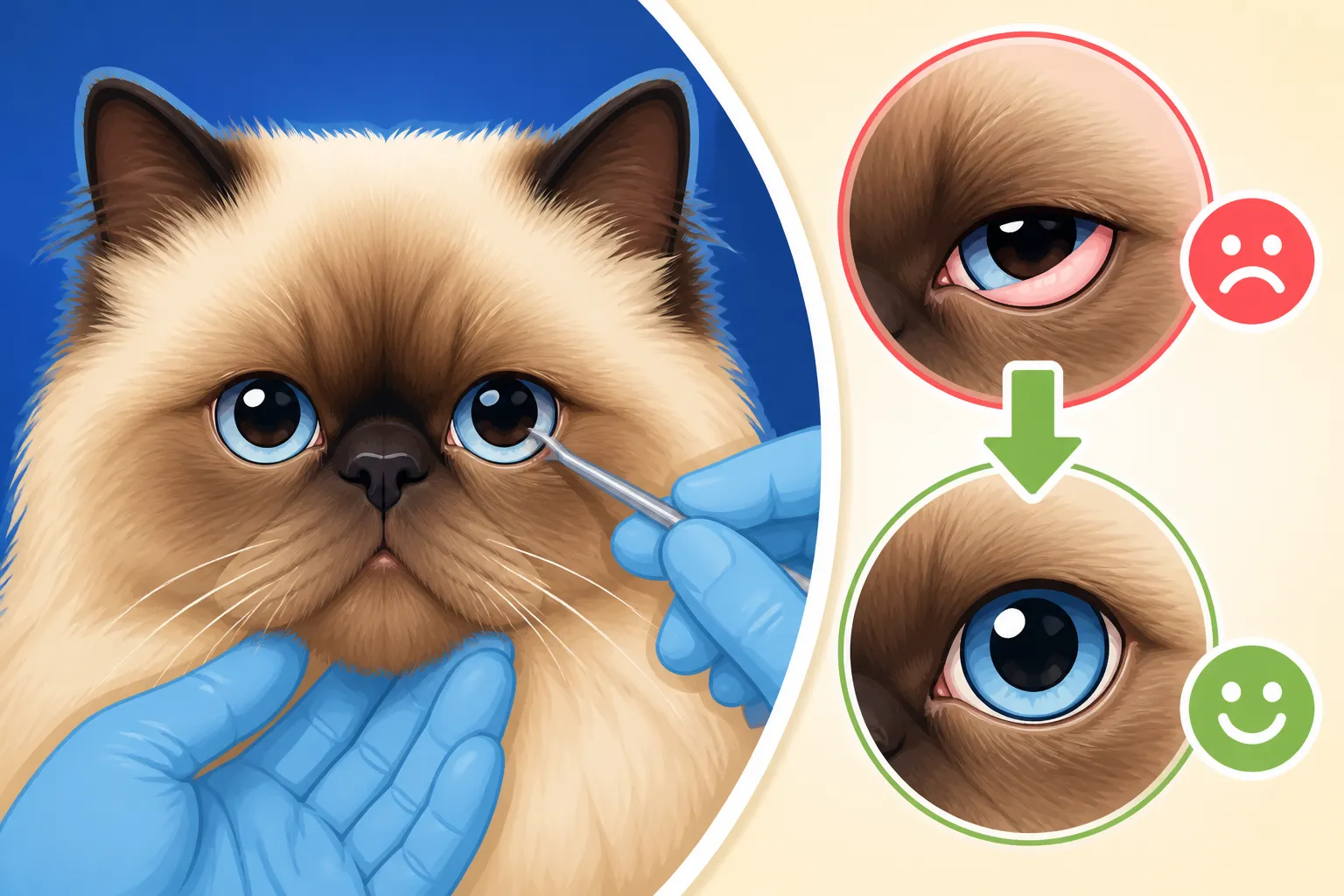
Entropion isn't just a fancy word for an irritated eye; it describes a structural defect where the eyelid, typically the lower one, inverts. Imagine constantly having a hair or an eyelash poking you directly in the eye – that's essentially what your Himalayan experiences. This constant friction from the eyelid hairs against the cornea, the clear outer layer of the eye, can lead to chronic irritation, pain, and a host of secondary problems. The severity can range from mild, intermittent irritation to a severe roll that causes deep corneal ulcers. It’s a condition that highlights why understanding your cat’s unique anatomy is so important.
Why Himalayans Are Particularly Prone
The truth is, our lovely Himalayans, with their distinctive brachycephalic (flat-faced) features inherited from their Persian lineage, are malheureusement more susceptible to entropion than many other breeds. Their deep-set eyes, coupled with a prominent nose fold and often abundant facial fur, can contribute to the eyelid's tendency to roll inward. The conformation of their skull and the structure of their eyelids are often genetically linked to this condition. This is a common frustration for owners who adore the breed's look but sometimes feel like they're constantly battling issues related to it. While a 'doll face' Himalayan might have a slightly less exaggerated facial structure, many show Himalayans have drifted toward the flatter face, which can unfortunately exacerbate these kinds of issues. It’s a genetic lottery often, and knowing your cat's family history can sometimes offer clues, though it's not always a guarantee against the problem.
Recognizing the Troubling Signs
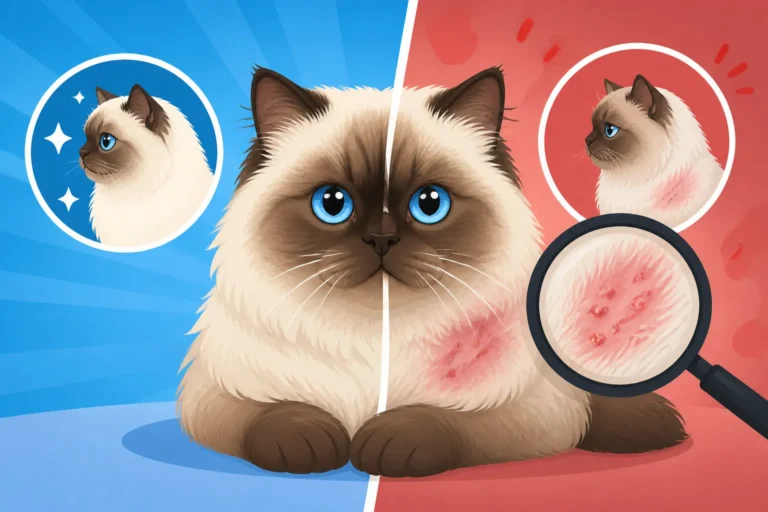
The earliest signs of entropion can be subtle, mimicking other common eye irritations. You might notice your Himalayan tearing more than usual, sometimes with wet streaks running down their face. This watery discharge often leads to tear staining, which can be particularly noticeable on a cream bodied Himalayan. Beyond just the tears, watch for squinting, even a slight narrowing of one or both eyes. Your cat might start pawing at their face more often, indicating discomfort. Other signs include redness around the eye, visible discharge that can be clear, mucoid, or even pus-like if an infection has set in, and a cloudy appearance to the cornea, which signals potential damage from the constant rubbing. It’s critical to remember that if your Himalayan's eyes water all day, it’s a symptom, not a condition in itself, and requires investigation.
Immediate Steps When You Suspect Entropion
Spotting any eye trouble in your beloved Himalayan can send a jolt of worry through you. Their eyes are so expressive, and seeing them in pain or discomfort is truly heartbreaking. When you suspect an inward-rolled eyelid, it's natural to want to do something right now, but careful, informed action is key.
Gentle At-Home Assessment and What Not to Do
Your first instinct might be to try and wipe the eye, or even gently try to manually 'unroll' the eyelid. While a gentle wipe with a damp, soft cloth to remove excess tears and discharge is fine for general hygiene, you absolutely should not attempt to forcefully manipulate the eyelid. Doing so can cause more irritation, introduce bacteria, or even worsen any existing corneal damage. Instead, focus on observing the severity: Is it constant, or does it come and go? Is it affecting one eye or both? How long has it been happening? Note any changes in discharge, color, or how much your cat is squinting. You can try to very gently hold the fur away from the eye to see if it provides any temporary relief and whether the eyelid seems to pop out, but avoid any aggressive pulling or rubbing.
The Urgency of a Vet Visit
This isn't an issue you can simply "wait and see" with. The continuous rubbing of hair against the cornea can quickly lead to painful corneal ulcers. These ulcers are not only incredibly uncomfortable for your cat but can also lead to infections, scarring, and, in severe cases, even loss of vision. Therefore, an inward-rolled eyelid needs prompt veterinary attention. Think of it this way: a corneal ulcer looks like a serious eye injury, and a Himalayan's eye injury cannot wait until Monday. You'll want to get your cat seen by a vet as soon as possible, ideally within 24 hours of noticing symptoms, to prevent further damage and alleviate their pain. If you have pet insurance like Healthy Paws, it’s worth checking your policy to understand what’s covered for emergency visits related to eye conditions, as early intervention can sometimes mean less extensive (and less costly) treatment down the line.
Preparing for Your Vet Appointment
When you call your vet, clearly describe the symptoms you've observed, including when they started, their severity, and any changes. This information helps the veterinary staff understand the urgency and allocate appropriate time. During the appointment, be ready to discuss your cat's medical history, any prior eye issues, and whether you've noticed similar problems in their relatives if you know their lineage. The vet will perform a thorough eye exam, likely using a special stain to check for corneal abrasions or ulcers, as well as a direct ophthalmoscope to examine the internal structures of the eye. They may also apply a topical anesthetic to allow for a more detailed examination without causing further discomfort to your cat. Providing a clear, detailed history is invaluable in helping your vet arrive at the correct diagnosis and formulate the best treatment plan.
Understanding Diagnosis and Treatment Options
Once you're at the vet, it's natural to feel anxious and a bit overwhelmed by the technical terms and potential solutions. But understanding the process, from diagnosis to the various treatment paths, can help you feel more in control and better advocate for your Himalayan's health. Your vet is your best ally in navigating this.
The Vet's Thorough Examination
When you bring your Himalayan in with suspected entropion, your veterinarian will conduct a comprehensive ocular examination. This isn't just a quick peek; it's a careful, systematic evaluation. They will visually inspect the eyelids, looking for the tell-tale inward rolling, paying close attention to the lower lid and the presence of any excess skin or fur near the eye. They'll also check for discharge, redness, or swelling. A crucial part of the diagnostic process involves applying a special fluorescein stain to the surface of the eye. This orange dye will stick to any areas where the cornea has been damaged, highlighting abrasions or ulcers that might be invisible to the naked eye. If there's an ulcer, it will glow bright green under a blue light, immediately confirming the severity of the irritation caused by the entropion. Sometimes, if your cat is particularly uncomfortable or uncooperative, a mild sedative might be necessary to allow for a thorough and pain-free examination.
Temporary Relief and Early Interventions
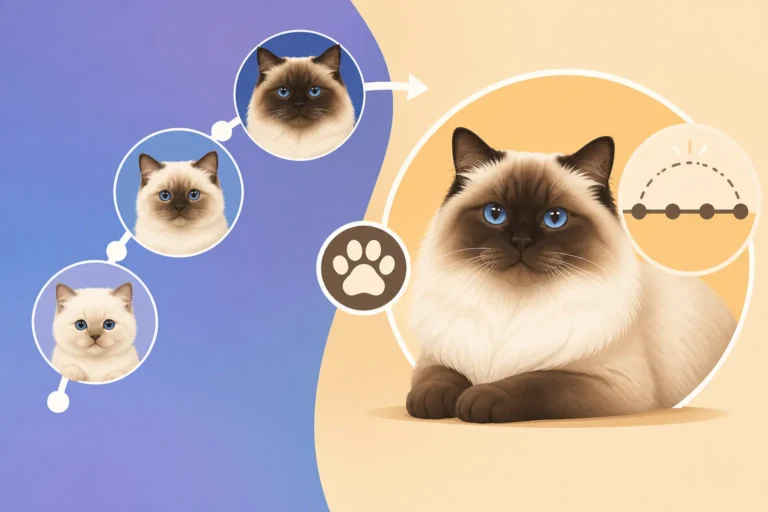
For very young kittens or mild cases, or while preparing for surgery, your vet might suggest temporary measures. Lubricating eye drops or artificial tears can help create a barrier between the irritating hairs and the cornea, reducing friction and discomfort. If an infection or ulcer is present, antibiotic ointments will be prescribed to prevent or treat bacterial complications. Another temporary option, often used in kittens whose facial structure is still developing, is eyelid tacking. This procedure involves placing a few temporary sutures in the eyelid to pull it outward, allowing the kitten's face to grow and hopefully correct the issue naturally. These sutures are usually removed after a few weeks. These temporary solutions can provide much-needed relief and help prevent further damage while you consider more permanent options. For owners managing the costs, understanding what an initial eye clinic visit entails can be helpful, and pet insurance might offset some of these initial diagnostic and medication expenses.
When Surgical Correction Becomes Necessary
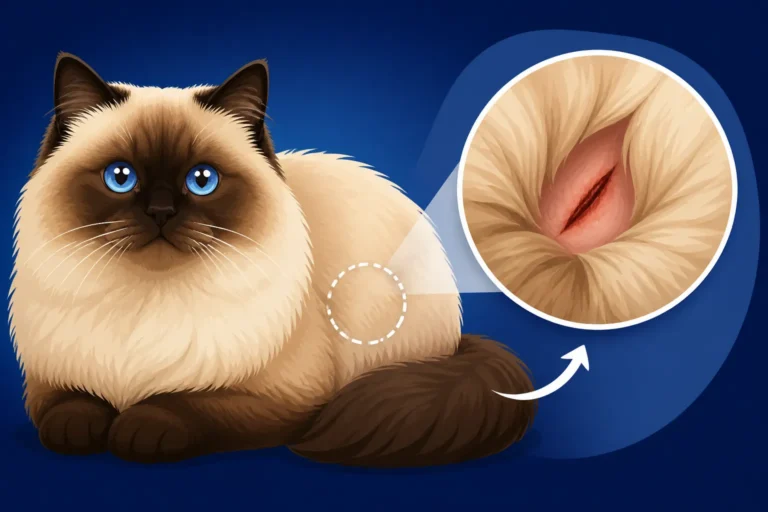
While temporary measures can offer some relief, surgical correction is often the definitive and most effective solution for entropion, especially in adult Himalayans or severe cases. The goal of surgery is to permanently evert, or turn outward, the affected eyelid margin. There are several surgical techniques, but one of the most common is the Hotz-Celsus procedure, or modified versions of it. This involves carefully removing a small, crescent-shaped piece of skin and muscle from just below the affected eyelid. When the incision is sutured closed, it tightens the skin and pulls the eyelid margin outward, away from the eye. It's a delicate procedure, requiring precision to ensure the eyelid is corrected enough to stop irritation but not so much that it causes ectropion (an outward-rolling eyelid). Your vet may recommend this surgery if conservative treatments fail, if corneal ulcers are recurrent, or if the constant irritation is causing significant pain and affecting your cat's quality of life. The prognosis for surgical correction is generally very good, providing lasting relief.
Considerations for the Procedure
The decision for surgery involves several considerations. Your vet will discuss the risks associated with anesthesia, especially for a brachycephalic breed like the Himalayan, who can sometimes be a harder anesthetic risk than a Siamese. They’ll also explain the potential for overcorrection or undercorrection, which might necessitate a second, minor surgery. For pet owners, the cost of such a specialized procedure is also a significant factor. This is where comprehensive pet insurance plans, like those offered by Healthy Paws, can really make a difference, helping to cover a substantial portion of the surgical fees, including anesthesia, the procedure itself, and follow-up care. Discussing these aspects openly with your vet will help you make an informed decision for your cat's well-being.
Post-Operative Care and Long-Term Management
The moment your Himalayan comes home after entropion surgery, a new phase of care begins. It's a time focused on healing, comfort, and preventing any setbacks. While the surgery itself addresses the immediate problem, your diligent post-operative care is just as crucial for a successful outcome.
Navigating Recovery at Home
Upon returning home, your Himalayan will likely be a bit groggy from the anesthesia and may have some swelling or bruising around the surgical site. The most important piece of equipment during this recovery period is an Elizabethan collar, often affectionately (or sometimes not-so-affectionately) known as the "cone of shame." This cone is absolutely vital to prevent your cat from rubbing, scratching, or pawing at their stitches, which could lead to infection, irritation, or even tearing out the sutures. While many cats detest the cone, making it a frustrating experience for both pet and owner, it's non-negotiable for proper healing. Your vet will also prescribe medications, typically antibiotics to prevent infection and pain relief to keep your cat comfortable. Administering these as directed is paramount. You'll also need to restrict your cat's activity for a week or two, preventing jumping or rough play that could put strain on the surgical site. Creating a quiet, comfortable space where they can rest undisturbed will aid their recovery.
The Importance of Follow-Up Appointments
Your vet will schedule follow-up appointments, usually within 10-14 days, to assess the healing process and remove the sutures. These visits are essential. The vet will check for any signs of infection, evaluate how well the eyelid has everted, and ensure there are no complications. This is also your chance to discuss any concerns you might have about your cat's recovery or behavior. Sometimes, a second, minor adjustment surgery might be needed if the initial correction was under or over-corrected, though this is less common with experienced surgeons. Regular follow-up allows your vet to track the healing and ensure your cat is on the right path to long-term comfort. The cost of these follow-up visits, including potential medication adjustments, can sometimes be covered by pet insurance, providing peace of mind during this critical period. This is part of how often a tested Himalayan still needs checking, even after a significant procedure.
Preventing Recurrence and Ongoing Eye Health
Even after a successful surgery, it's wise to remain vigilant. While entropion surgery has a high success rate, there's always a slight possibility of recurrence, especially if the underlying facial conformation is extremely pronounced. Regular at-home checks, just like your daily face routine, are beneficial. You should continue to wipe your Himalayan's face every day to prevent tear staining and keep the area clean, as this routine also allows you to notice any subtle changes in their eyes. Always use wipes that are safe around a Himalayan's blue eyes. If you ever notice increased tearing, squinting, or redness again, contact your vet immediately. Long-term, some Himalayans might still benefit from occasional lubricating eye drops if their eyes tend to be dry or prone to irritation, as their exposed blue eyes can sometimes be a bit more sensitive to environmental factors. By staying on top of their eye care, you can help ensure your Himalayan lives a comfortable and happy life, free from the pain of entropion.
| Aspect | Temporary Treatment (E.g., Tacking, Drops) | Surgical Correction (E.g., Hotz-Celsus) |
|---|---|---|
| Goal | Alleviate immediate irritation, prevent further damage, buy time | Permanent correction of eyelid position |
| Suitability | Kittens (developing facial structure), mild cases, pre-surgery | Adult cats, recurrent cases, severe corneal damage |
| Duration | Short-term relief, may need ongoing reapplication | Long-term (usually permanent) solution |
| Cost | Generally lower per instance (meds, vet visits) | Higher initial cost (anesthesia, procedure, post-op care) |
| Invasiveness | Non-invasive to minimally invasive (tacking) | Invasive (requires anesthesia and incisions) |
| Risk | Minimal immediate risk, risk of condition worsening | Anesthetic risks, infection, over/undercorrection |
| Recovery | Minimal downtime if any | Weeks of restricted activity, Elizabethan collar, medication |
| Effectiveness | Manages symptoms; not a cure for structural issue | Cures structural issue; highly effective when done well |
Disclaimer
This guide is intended for informational purposes only and does not constitute veterinary advice. Always consult with a qualified veterinarian for any health concerns or before making any decisions regarding your pet's medical care.