Why a Himalayan Drops Food Onto Its Ruff
If you’ve ever watched your beautiful Himalayan gracefully approach their meal only to leave a messy trail of kibble or wet food bits scattered around the bowl and, more often than not, tangled in their magnificent ruff, you’re definitely not alone. It's a common frustration, and it's not due to bad table manners! This guide will dive deep into the specific anatomical reasons behind this messy eating habit and, more importantly, share practical, empathetic solutions to keep your beloved companion cleaner and more comfortable during meal times.
The Unique Anatomy of a Himalayan's Face and Mouth
Himalayans are undeniably stunning, with their luxurious coats and striking blue eyes. However, their distinctive features, particularly their flattened faces, come with specific challenges that directly impact how they eat. It's not about them being clumsy; it's about their physical design.
The Brachycephalic Challenge
The term "brachycephalic" refers to breeds with shortened skulls, giving them that characteristic flat face we adore in Himalayans. While adorable, this facial structure means a compressed upper jaw, often leading to a broad, round head, a short nose, and sometimes, restricted airways. Imagine trying to eat a sandwich with a significantly shorter upper jaw and a flattened nose – it changes everything about how you grasp and chew.
For your Himalayan, this means their ability to pick up food, especially dry kibble, is fundamentally different from a cat with a more elongated muzzle. They can't easily scoop or grasp with their teeth in the same way. Instead, they often use their tongue and the side of their mouth, pushing food around, which inevitably leads to some bits escaping the intended target. This isn't them being picky or inefficient; it's a direct consequence of their unique facial structure, making mealtime a surprisingly complex maneuver.
The Crowded Mouth and Misaligned Bite
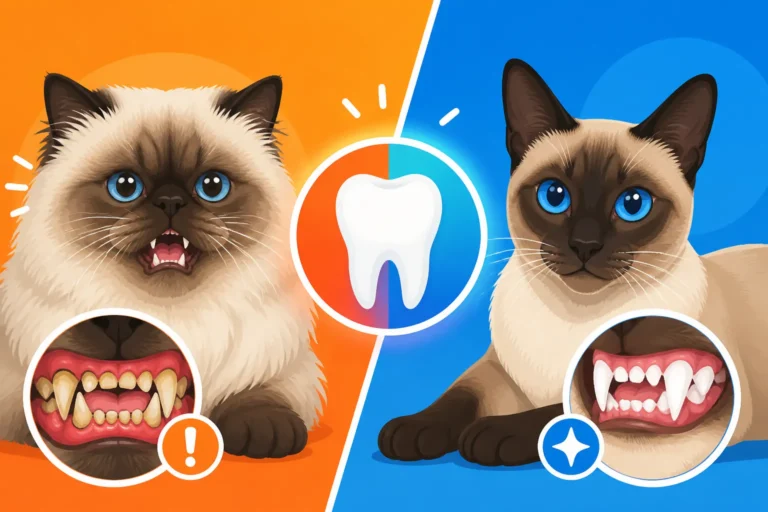
Beyond the flattened face, the internal oral architecture of a Himalayan presents further eating hurdles. Their shortened skull often results in a smaller mouth cavity. Despite this, they still have the same number of teeth as other cat breeds, which means their teeth are often crowded and can be misaligned. You might even notice that a Himalayan's lower canines often show, a tell-tale sign of their unique jaw structure.
This dental crowding, often discussed when considering How Crowded a Himalayan's Lower Jaw Gets, makes it difficult for them to properly bite down and chew their food. Instead of a neat, efficient bite, they might struggle to fully close their jaw or align their teeth to grind food effectively. This struggle results in food fragments breaking off and escaping their mouth, cascading down their chin and, you guessed it, straight into their magnificent ruff. It's less of a chewing action and more of an attempt to crush and swallow, which is a less precise way to eat. This misalignment can also lead to premature wear on certain teeth, making eating even more uncomfortable over time.
The Role of the Magnificent Ruff and Whisker Fatigue
While the Himalayan's luxurious coat is one of its most defining and beloved features, it can also be an unwitting accomplice in the messy eating saga. Combined with specific sensory issues, this can turn mealtime into a production.
The Luxurious Coat as a Food Magnet
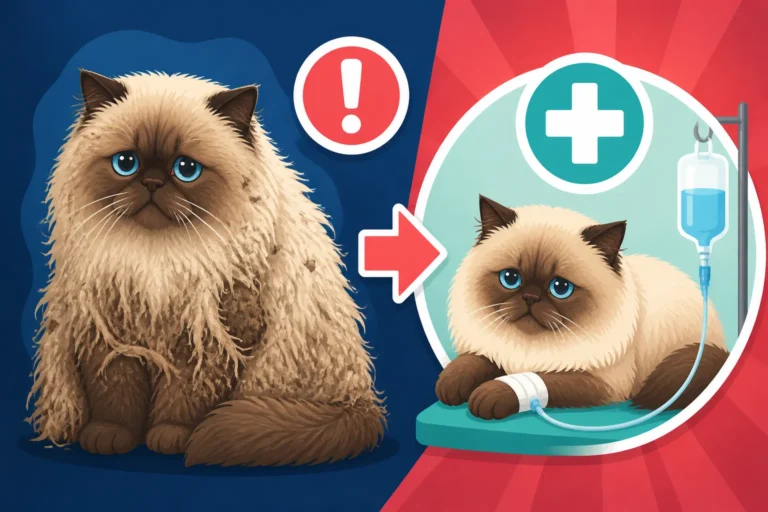
Let's face it, that impressive, dense ruff around your Himalayan's neck and chest is stunning. It frames their face beautifully and makes them look regal. However, it also acts like a giant, furry net, perfectly positioned to catch any stray morsels that escape their mouth. Whether it's a piece of kibble that bounces off their chin or a dollop of wet food that slides from their tongue, the long, soft strands of their ruff are incredibly efficient at trapping these escapees.
This isn't just about aesthetics; food debris trapped in the fur can lead to skin irritation, matting, and even bacterial growth if not cleaned promptly. It quickly turns a minor spill into a grooming challenge, especially when considering Why Food Ends Up on a Himalayan's Chin and Ruff. The thicker the ruff, the more likely it is to become a sticky, crumb-filled repository, much to the dismay of both you and, probably, your cat once it starts to feel uncomfortable or get in the way.
The Whiskers' Dilemma: Too Much Contact
Cats rely heavily on their whiskers (vibrissae) for spatial awareness, navigation, and even judging if they can fit into tight spaces. These whiskers are incredibly sensitive, equipped with nerve endings that provide vital sensory information. When a cat's whiskers constantly brush against the sides of a deep or narrow food bowl, it can be deeply uncomfortable, a phenomenon often referred to as "whisker fatigue."
Imagine trying to eat from a cup that's too small for your face, constantly bumping your nose and cheeks. It's irritating! For a Himalayan, whose face is already broad, a standard cat bowl can feel like a claustrophobic trap for their whiskers. This discomfort causes them to try and eat from the very edges of the bowl, or even to paw food out onto the floor to avoid the irritation. This workaround, while understandable from the cat's perspective, naturally increases the chances of food being dropped and scattered, confirming why Why a Deep Bowl Bends a Himalayan's Whiskers Back is a real concern. They're trying to escape an unpleasant sensation, and the messy outcome is an unfortunate side effect.
Solving the Mess: Practical Feeding Strategies
Now that we understand why your Himalayan is making a mess, let's talk about what we can actually do to help them eat more comfortably and reduce the cleanup for you. Small changes can make a big difference.
Choosing the Right Bowl for a Flat Face
The bowl itself plays a crucial role in your Himalayan's eating experience. Traditional deep, round bowls are often the culprits behind whisker fatigue and difficult access for flat-faced breeds. Instead, opt for wide, shallow bowls. These minimize whisker contact and allow your cat to access their food without having to squish their face or bend their head at an awkward angle. Bowls made of ceramic or stainless steel are also excellent choices, as they are easy to clean and less likely to harbor bacteria than plastic.
Furthermore, consider elevated bowls. Raising the bowl slightly off the ground can make eating more comfortable for your Himalayan, reducing strain on their neck and making it easier to reach their food. This is particularly helpful for brachycephalic cats who might already have some breathing challenges. When you're looking for Which Bowl Shape a Flat Faced Himalayan Can Use, think "wide, shallow, and possibly elevated." Some bowls are even specifically designed with a slight incline to help food fall towards the center, further aiding a cat with a flattened face.
Food Consistency and Portion Control
The type of food you offer can significantly impact how much ends up on the floor. For Himalayans, wet food often proves to be a cleaner option than dry kibble. Wet food is generally easier for them to scoop up with their tongue and consume without the need for extensive chewing. It’s a softer, more cohesive texture that minimizes crumbs and scattered pieces, addressing Why Wet Food Is Easier for a Himalayan to Take.
If your Himalayan prefers dry kibble, look for smaller, flatter kibble shapes that are easier for them to pick up with their unique jaw structure. Avoid large, oddly shaped pieces that require more effort to grasp. Regardless of food type, practicing portion control is key. Instead of free-feeding or overflowing the bowl, offer smaller, more manageable portions at regular intervals. This prevents an abundance of food from being pushed around and helps manage their intake, especially since these cats are not typically highly active.
Maintaining Hygiene and Regular Grooming
Even with the best bowl and food choices, some degree of mess is almost inevitable with a Himalayan. This means that a consistent post-meal hygiene routine is vital. Daily face wiping after meals is paramount. Use a soft, damp cloth or a pet-safe wipe to gently clean around their mouth, chin, and, most importantly, their ruff. This removes food debris before it dries and hardens, preventing matting and skin irritation. This is a critical part of The Morning Face Routine Every Himalayan Needs.
Regular combing of their ruff is also non-negotiable. A fine-toothed metal comb can help dislodge any smaller, dried food particles that might have escaped the face wipe. This proactive approach not only keeps your cat looking pristine but also prevents the discomfort and potential health issues associated with matted fur and damp, dirty skin. Establishing this routine early on can make it a peaceful bonding experience rather than a dreaded chore.
Here’s a quick overview of suitable bowl types:
| Bowl Feature | Benefit for Himalayans | Ideal Material | Avoid If… |
|---|---|---|---|
| Wide & Shallow | Prevents whisker fatigue, easy access for flat faces | Ceramic, Stainless | Deep, narrow, high sides |
| Elevated | Reduces neck strain, aids breathing while eating | Ceramic, Stainless | Cat has joint issues (ensure easy access) |
| Slanted/Tilted | Food collects at one side, easier to reach | Ceramic, Stainless | Cat pushes food out easily |
| Non-Skid Base | Prevents bowl from sliding, reducing spills | Rubber-bottomed | Light, easily pushed bowls |
Addressing Underlying Health Considerations
While much of the mess is due to their charming anatomy, sometimes underlying health issues can exacerbate the problem. Being aware of these can help you better support your Himalayan's overall well-being.
Dental Health and Regular Vet Checks
As mentioned, a Himalayan's crowded mouth is a common feature. This crowding can lead to significant dental problems, including gingivitis, periodontal disease, and even painful tooth resorption, where the tooth structure breaks down. When a cat is experiencing dental pain, it can make eating incredibly difficult and uncomfortable, potentially leading to more dropped food as they try to avoid painful spots or chew inefficiently. This issue is often more prevalent than owners realize, necessitating early and consistent attention, as detailed in Why a Himalayan Needs Dentals Earlier Than a Siamese.
Regular veterinary dental check-ups are paramount. Your vet can assess the health of your Himalayan's teeth and gums, recommend professional cleanings under anesthesia, and address any painful issues. Investing in pet insurance, like a policy from Healthy Paws, can be incredibly beneficial here, as dental procedures can be costly. Knowing you have support for these essential health interventions can make it easier to ensure your beloved companion receives the care they need to eat comfortably and prevent further complications from their unique oral structure. Keeping up with How Often a Himalayan's Crowded Mouth Needs Cleaning is a proactive step in preventing more serious issues.
Breathing Difficulties and Eating Posture
Another consequence of the brachycephalic facial structure is the potential for breathing difficulties. The flattened nose and sometimes elongated soft palate can restrict airflow, making it harder for Himalayans to breathe, especially during exertion or when stressed. Eating can be a surprisingly strenuous activity for a cat, requiring coordination of chewing, swallowing, and breathing.
If your Himalayan struggles to breathe while eating, they might try to gulp their food, eat faster, or adopt an awkward posture to improve airflow, all of which can increase spillage. This is particularly relevant when we think about Why a Himalayan Snores Through a Persian Muzzle, as chronic snoring can indicate underlying airway issues. Observe your cat's breathing closely during meal times. If you notice excessive panting, open-mouth breathing, or distressed noises, it's crucial to consult your vet. They can evaluate your cat for Brachycephalic Airway Obstruction Syndrome (BAOS) and discuss potential interventions. Ensuring comfortable breathing is not just about reducing mealtime mess; it's about their quality of life. Understanding What a Well Built Himalayan's Breathing Sounds Like can help you identify when something is amiss. These beautiful cats sometimes work harder than we realize just to perform basic functions.
Disclaimer
The information provided in this guide is for general informational purposes only and does not constitute veterinary advice. Always consult with a qualified veterinarian for any health concerns or before making any decisions about your pet's medical care or dietary changes.